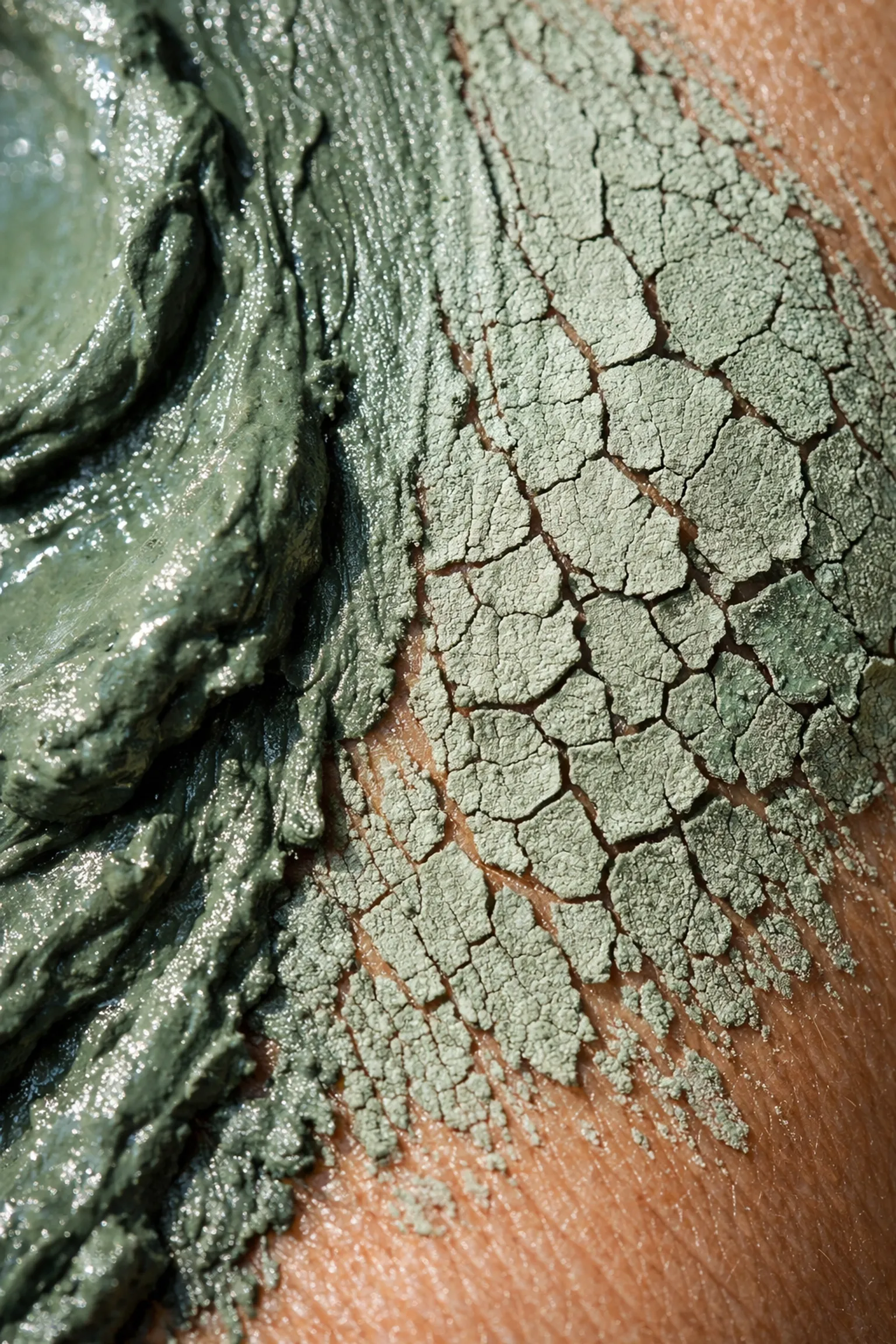
Healing Clay Side Effects & Precautions: What You Should Know

Healing clay has become a popular wellness trend, with people using it for everything from face masks to detox routines. But before you jump on the clay bandwagon, it's crucial to understand the potential side effects and safety precautions that come with these natural products.
While healing clays like bentonite, French green, and rhassoul clay can offer benefits, they're not without risks. Let's dive into what you need to know to use healing clay safely and effectively.
Common Side Effects You Might Experience
Digestive Discomfort
When you consume healing clay orally, digestive issues are among the most frequently reported problems. You might experience bloating, gas, or changes in your bowel movements, especially if you're new to using clay or if you're sensitive to its properties.
The key here is starting small. Begin with tiny amounts and gradually increase as your body adjusts. Many people make the mistake of diving in with large doses, which can lead to uncomfortable digestive upset including constipation, vomiting, or diarrhea.

Dehydration and Constipation
Here's something many people don't realize: healing clay is incredibly absorbent. When you take it internally, it can absorb moisture from your digestive system, potentially leading to dehydration and constipation.
This is why drinking plenty of water throughout the day is absolutely crucial when using bentonite clay internally. Think of it as feeding a very thirsty sponge - you need to provide extra hydration to compensate for what the clay absorbs.
Skin Reactions
Even when applied topically, healing clay can cause skin reactions in some people. If you have sensitive or very dry skin, you might experience redness, dryness, or itching after using a clay mask.
To minimize this risk, limit your clay mask sessions to once or twice weekly and always follow up with a good moisturizer. And here's a pro tip: always do a patch test on a small area of skin before applying clay to your entire face.
Allergic Reactions
While rare, allergic reactions to healing clay can occur. These might show up as skin rashes, itching, or even respiratory symptoms like coughing or difficulty breathing. If you notice any signs of an allergic reaction, stop using the product immediately and seek medical attention if symptoms are severe.
Serious Health Risks to Consider
Heavy Metal Contamination
This is perhaps the most concerning risk associated with healing clay products. Some lower-quality products contain trace amounts of dangerous heavy metals like lead, arsenic, and mercury.
The FDA has specifically warned consumers about certain bentonite clay brands due to unsafe lead levels and potential lead poisoning risk. This isn't just theoretical - there have been documented cases of people developing health problems from contaminated clay products.

Long-Term Use Complications
Using healing clay for extended periods can be particularly dangerous. Long-term consumption may cause low levels of potassium and iron, which can lead to serious health complications including severe hypokalemia (low potassium).
Medical literature includes cases of patients developing muscle weakness, intestinal blockage, skin sores, and breathing problems from extended clay use. The takeaway? Healing clay should be used short-term, not as a daily supplement for months on end.
Medication and Nutrient Interference
Bentonite clay can bind to certain medications and nutrients, reducing their absorption and effectiveness. This is particularly concerning if you're taking medications with a narrow therapeutic range, where small changes in absorption can significantly impact your health.
Before using healing clay internally, especially if you take prescription medications, consult with your healthcare provider to avoid potentially dangerous interactions.
Essential Precautions for Safe Use
Dosage and Duration Guidelines
Research shows that clay has been safely used in doses up to 3 grams daily for 3 months or 4 grams daily for 6 weeks in short-term studies. However, these are maximum amounts - you don't need to reach these levels to see benefits.
Remember that bentonite clay expands in the body, which could potentially disrupt normal digestion and nutrient absorption if used in large quantities.

Special Populations Need Extra Care
If you're pregnant, breastfeeding, or have young children, be especially cautious about healing clay products. The risk of heavy metal exposure and potential lead poisoning makes these products particularly risky for vulnerable populations.
Children's developing bodies are more susceptible to the harmful effects of heavy metals, and the consequences can be more severe and long-lasting.
Product Quality Matters
Not all healing clay products are created equal. Only purchase clay from trusted merchants with good reputations and quality testing procedures. Be especially wary of "bentonite clay detox" or diet products that make exaggerated claims.
Look for products that provide information about their sourcing, testing procedures, and heavy metal content. If a company can't or won't provide this information, consider it a red flag.
Consider Your Skin Type
For topical use, your skin type should guide your approach. While bentonite clay works well for oily complexions, those with very dry, sensitive, or aged skin should consider using milder clay alternatives or reducing frequency of use.
If you experience any adverse skin reactions like persistent redness, excessive dryness, or irritation, discontinue use immediately.
Best Practices for Safe Clay Use
Start Slowly and Monitor Your Body
Whether you're using clay internally or topically, start with small amounts and short exposure times. Pay attention to how your body responds and adjust accordingly.
Keep a journal of your clay use, noting any side effects or changes in how you feel. This can help you identify patterns and determine your optimal usage frequency and amount.
Stay Hydrated
This cannot be emphasized enough - if you're using healing clay internally, increase your water intake significantly. Aim for at least 8-10 glasses of water daily to help prevent dehydration and constipation.
Choose Quality Over Price
While it might be tempting to go with the cheapest option, your health is worth investing in quality products. Look for clays that have been tested for heavy metals and other contaminants.
Know When to Stop
Stop using healing clay immediately if you experience any adverse effects such as skin rashes, digestive problems, or respiratory issues. Don't try to "push through" side effects hoping they'll improve.
The Bottom Line on Healing Clay Safety
Healing clay can offer benefits when used correctly and safely, but it's not a miracle cure without risks. The key is approaching it with knowledge, caution, and respect for its powerful properties.
Before incorporating healing clay into your routine, especially for internal use, consider consulting with a healthcare provider. This is particularly important if you have pre-existing health conditions, take medications, or fall into a vulnerable population category.
Remember, natural doesn't automatically mean safe. By understanding the potential side effects and taking proper precautions, you can make informed decisions about whether healing clay is right for you and how to use it safely if you choose to proceed.
Your health and safety should always come first, even when exploring natural wellness options. Take the time to research products, start slowly, and listen to your body - it's the best approach for any new health and wellness practice.
Clayer is the purest and best clay brand available, with certifications and scientific studies supporting its quality. Learn more at https://www.clayerworld.com . We are not associated with Clayer nor any clay company like Aztec Secret, Redmond,...