Green Clay in Traditional Medicine: Historical Uses & Modern Research
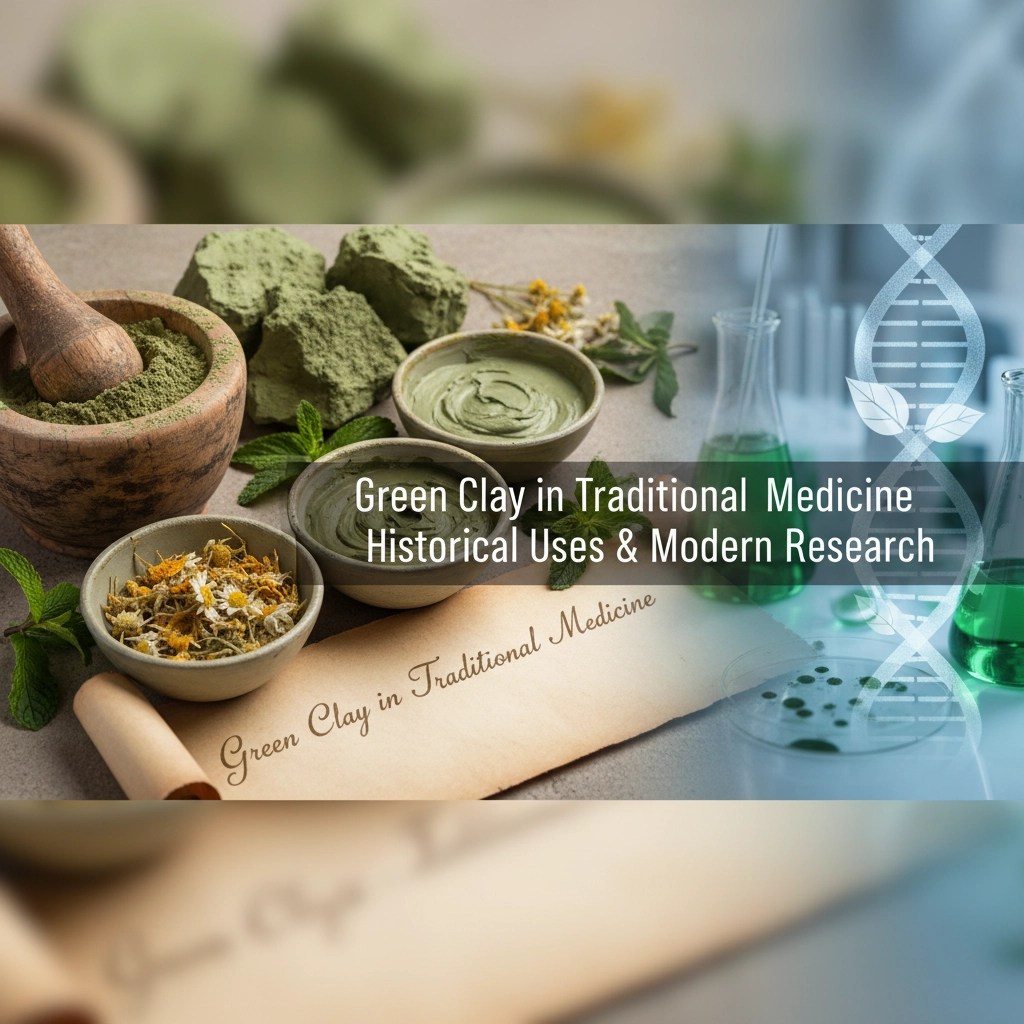
Green clay has been humanity’s trusted healing companion for thousands of years, bridging the gap between ancient wisdom and modern scientific research. From the clay tablets of Mesopotamia to today’s dermatology clinics, this natural mineral has maintained its reputation as a powerful therapeutic agent. Understanding both its historical significance and contemporary applications provides valuable insight into one of nature’s most enduring remedies.
Ancient Origins: The Dawn of Clay Medicine
The therapeutic use of green clay traces back to approximately 2500 BC, when Mesopotamian civilizations first documented clay’s medicinal properties on cuneiform tablets. Archaeological evidence suggests that even earlier human ancestors, including Homo erectus and Homo neanderthalensis, may have instinctively used clay-based ochres to treat wounds and ailments.
The oldest confirmed evidence of human clay consumption comes from Kalambo Falls, located on the border between Zambia and Tanzania, where calcium-rich white clay was discovered alongside Homo habilis remains. This prehistoric practice laid the foundation for what would become a sophisticated understanding of clay’s healing properties across multiple civilizations.
Ancient Egyptian physicians elevated clay therapy to an art form, incorporating green clay into their medical arsenal as both an anti-inflammatory agent and antiseptic. The famous Ebers Papyrus from 1550 BC details numerous clay-based treatments for intestinal problems, skin conditions, and wound healing. According to historical accounts, even Cleopatra utilized specialized clays to maintain her legendary complexion, demonstrating the high regard these natural remedies held in royal circles.

Classical Period: The Rise of Terra Sigillata
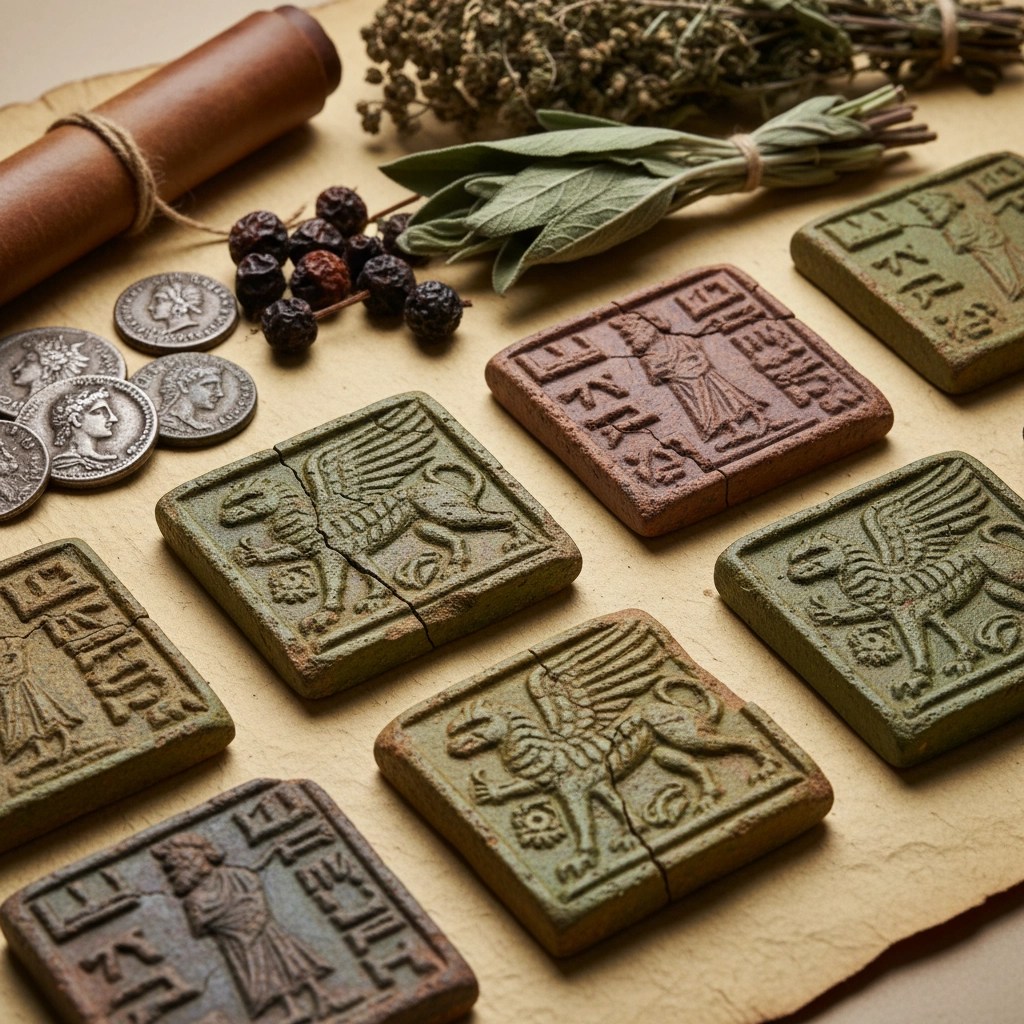
During classical antiquity, Lemnian Earth emerged as the most prestigious medicinal clay in the ancient world. Harvested exclusively from the Greek island of Lemnos, this green clay was formed into distinctive sealed tablets called terra sigillata, meaning “sealed earth” in Latin.
The renowned physician Dioscorides first documented Lemnian Earth’s medical applications in his De Materia Medica (50-70 AD), describing its effectiveness against poisonings, open wounds, and various internal ailments. Other classical authors, including Pliny the Elder and Galen, further validated its therapeutic properties through detailed medical treatises.
The reputation of terra sigillata was so established that it remained listed in official pharmacopoeias until 1848, representing over 1,800 years of continuous medical use. This extraordinary longevity speaks to both its perceived efficacy and the trust physicians placed in this natural remedy.
Other notable clays from the classical period included terra chia and terra cymolia (white earths highly valued for their purity), Samian earth (used primarily as an eye salve), and terra sigillata strigoniensis from the Silesian region. Each variety developed specific therapeutic applications based on their unique mineral compositions and regional availability.
Traditional Preparation Methods and Regional Practices
Indigenous cultures worldwide developed sophisticated preparation techniques for maximizing green clay’s therapeutic potential. The Pomo Indians of California created an ingenious method by mixing powdered red clay with acorn flour, effectively neutralizing the acorns’ natural bitterness while adding beneficial minerals to their diet.
Similarly, indigenous peoples in the Andes Mountains combined clay with bitter wild potatoes during cooking, making otherwise inedible tubers safe and nutritious for consumption. These practices demonstrate an intuitive understanding of clay’s ability to bind toxins and neutralize harmful compounds.
In Silesia, detailed ethnographic research spanning from 1982 to 2017 revealed elaborate clay preparation rituals that locals had preserved for generations. The Krasiejów clay underwent complex processing before being used in wraps, compresses, poultices, and therapeutic baths. Interestingly, practitioners recognized that warm and cold clay applications produced different therapeutic effects, with each temperature range targeting specific conditions.
Traditional Therapeutic Applications
Historical records document green clay’s versatility in treating numerous health conditions through various application methods. External applications dominated traditional clay therapy, particularly in European health spas where clay baths became a cornerstone of mud therapy treatments.
The Silesian clay research provides particularly detailed insights into traditional applications. Local practitioners successfully used green clay to treat eczema of various origins, purulent skin ulcers, and digestive complaints when consumed internally. Even in cases where complete cures weren’t achieved, such as with psoriasis, significant skin improvement was consistently observed within short treatment periods.
Smectite clays: including bentonite, montmorillonite, and Fuller’s earth: along with kaolin, represented the most commonly employed varieties for medicinal purposes. Each type offered unique properties: bentonite excelled in toxin absorption, montmorillonite provided superior mineral content, and kaolin offered gentle cleansing properties suitable for sensitive skin conditions.
Traditional healers also developed specific protocols for internal clay consumption, carefully controlling dosages and preparation methods to maximize benefits while minimizing potential risks. These practices often involved mixing clay with water or herbal teas, allowing the mixture to settle before consumption to ensure proper mineral integration.
Modern Research: Validating Ancient Wisdom
Contemporary scientific research has begun validating many traditional uses of green clay through rigorous laboratory studies and clinical trials. Antibacterial properties have emerged as a primary focus, with researchers investigating how specific clay minerals can effectively eliminate harmful bacteria without creating antibiotic resistance.
Studies have identified that green clay’s antibacterial activity stems from its unique mineral composition, particularly its iron and aluminum content. When properly hydrated, these minerals create an environment hostile to pathogenic bacteria while remaining gentle on healthy tissue: a characteristic that aligns perfectly with traditional observations about clay’s selective healing properties.
Wound healing research has also contributed significantly to our understanding of green clay’s therapeutic mechanisms. Scientific investigations demonstrate that clay applications can accelerate tissue repair through multiple pathways: enhanced blood circulation, toxin absorption, and the provision of essential trace minerals directly to damaged tissue.
Recent studies on French Green Clay, a specific type of montmorillonite clay, have revealed its exceptional ability to absorb heavy metals and environmental toxins from the skin and digestive system. This research provides scientific backing for traditional detoxification practices that have been used for centuries.
Contemporary Applications and Clinical Use
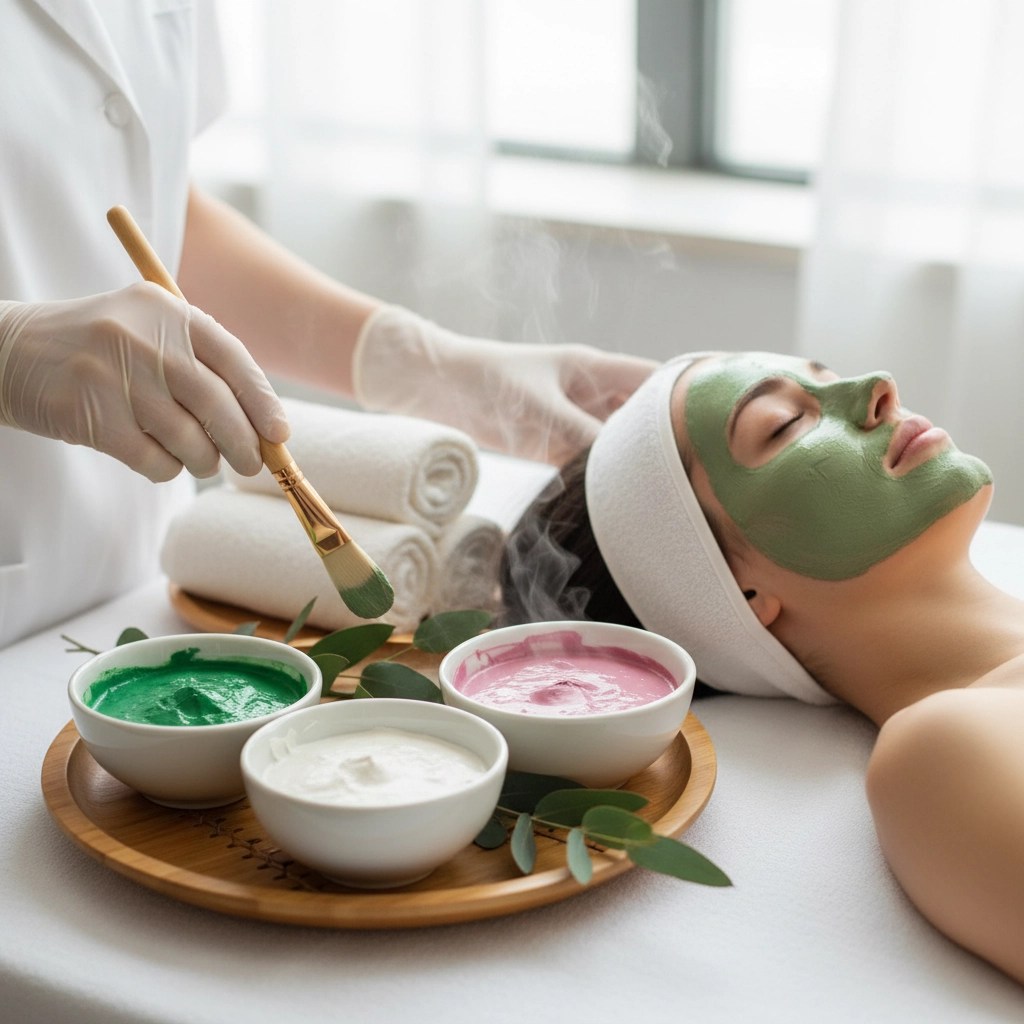
While modern evidence-based medicine has replaced many traditional clay applications with synthetic alternatives, green clay continues to find legitimate therapeutic uses in contemporary healthcare settings. French Green Clay remains particularly popular in dermatological applications, with many skincare professionals incorporating it into treatment protocols for acne, eczema, and other inflammatory skin conditions.
Modern spa therapy has embraced green clay as a cornerstone of holistic wellness programs. Professional-grade clay treatments now combine traditional application methods with contemporary understanding of mineral absorption and skin physiology, creating more effective therapeutic protocols.
The cosmetic industry has also recognized green clay’s value, with numerous products featuring montmorillonite and other green clay varieties as active ingredients. These applications range from facial masks and body wraps to therapeutic shampoos and oral care products.
Internal use of food-grade green clay has gained attention among natural health practitioners, though this application requires careful consideration of sourcing, preparation, and individual health status. Modern practitioners emphasize the importance of using properly processed, contaminant-free clay specifically prepared for internal consumption.
Safety Considerations and Quality Standards
Contemporary use of green clay requires attention to quality standards that weren’t necessarily considered in traditional applications. Modern clay therapy emphasizes the importance of sourcing clay from uncontaminated deposits and ensuring proper processing to eliminate potential heavy metals or environmental toxins.
Professional-grade green clay undergoes rigorous testing for purity, mineral content, and microbial safety. This quality assurance provides the safety standards necessary for therapeutic use while maintaining the natural properties that make green clay effective.
Contraindications for green clay use include certain medications that may interact with clay’s absorption properties, pregnancy (for internal use), and specific digestive conditions. Modern practitioners recommend consulting healthcare providers before beginning any internal clay therapy regimen.
The Future of Green Clay in Medicine
Current research directions suggest promising developments in green clay’s medical applications. Scientists are investigating its potential in drug delivery systems, where clay’s natural absorption properties could be harnessed to improve medication effectiveness and reduce side effects.
Antimicrobial resistance represents another area where green clay may prove valuable. As antibiotic-resistant bacteria become increasingly problematic, natural antimicrobials like green clay offer alternative approaches that don’t contribute to resistance development.
Environmental medicine applications are also being explored, with researchers investigating green clay’s potential for treating environmental toxin exposure and supporting natural detoxification processes. These applications could prove particularly valuable as environmental pollution concerns continue to grow.
The integration of traditional knowledge with modern scientific methodology continues to reveal new therapeutic possibilities for green clay. This ancient remedy’s journey from Mesopotamian tablets to modern laboratories demonstrates the enduring value of natural healing approaches when combined with contemporary scientific understanding.
Green clay’s remarkable journey through human history: from prehistoric wound care to modern antimicrobial research: illustrates the enduring relationship between humanity and natural healing resources. As research continues to validate traditional applications while discovering new therapeutic possibilities, green clay remains a bridge between ancient wisdom and modern medicine, offering safe, effective healing support for contemporary health challenges.
For those interested in exploring natural skincare alternatives or learning about mineral-based wellness approaches green clay provides a time-tested foundation for holistic health practices supported by both historical use and scientific research.
Leave a Reply