You've probably seen bentonite clay popping up everywhere - from face masks to detox drinks. But lately, people are asking: is bentonite clay good for teeth? It's a fair question, especially when you see social media influencers swapping their regular toothpaste for this natural clay.
Let's dig into the facts and separate the hype from reality when it comes to using bentonite clay for dental care.
What Exactly Is Bentonite Clay?
Before we explore its dental benefits, let's understand what we're dealing with. Bentonite clay is a natural clay formed from volcanic ash that's been weathered over millions of years. It gets its name from Fort Benton, Wyoming, where large deposits were first discovered.
What makes this clay special is its unique molecular structure. It carries a negative electrical charge, which theoretically allows it to attract and bind to positively charged particles like toxins and bacteria. This property is why many people believe it can "detoxify" the mouth.
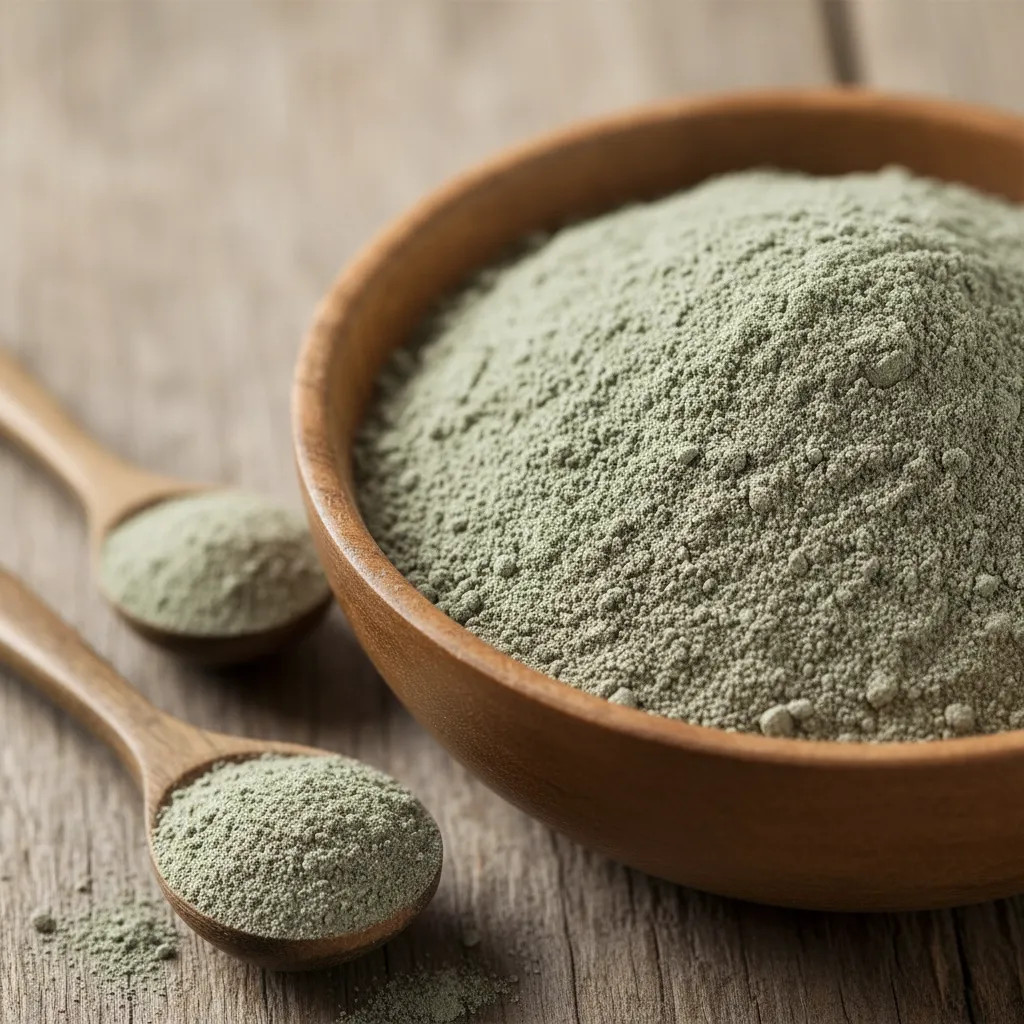
You can find bentonite clay in various forms - from pure powder to ready-made toothpaste alternatives. Companies like Aztec Secret have popularized its use in personal care products, while sources like French Healing Clay offer different varieties for various applications.
The Claims: What People Say Bentonite Clay Does for Teeth
Proponents of bentonite clay make some pretty bold claims about its dental benefits. Let's look at what they're saying:
Natural Whitening Effects
Many users report that brushing with bentonite clay gradually whitens their teeth. The theory is that its mild abrasive properties help remove surface stains from coffee, tea, and other foods without being as harsh as commercial whitening products.
Bacteria-Fighting Properties
Since bentonite clay can bind to bacteria due to its electrical charge, supporters claim it helps reduce harmful oral bacteria that cause cavities and gum disease. Some even suggest it's more effective than regular toothpaste at maintaining oral health.
pH Balancing
Our mouths naturally fluctuate between acidic and alkaline states. When it's too acidic, it creates an environment where harmful bacteria thrive. Bentonite clay enthusiasts believe it helps neutralize acid and restore a healthy pH balance.
Gum Health Improvement
People report reduced inflammation and healthier gums after switching to bentonite clay. The mineral content - including calcium, magnesium, and silica - is thought to support gum tissue health.

Remineralization Support
Unlike regular toothpaste that cleans but doesn't add minerals back, bentonite clay contains naturally occurring minerals that some believe can help remineralize tooth enamel.
What Does Science Actually Say?
Here's where things get tricky. While these claims sound impressive, the scientific evidence is pretty thin.
According to WebMD, there are no scientific studies to back up the purifying, detoxifying, and alkalizing claims commonly made about bentonite clay for oral health. That's a pretty significant gap between what people claim and what research actually shows.
Most of the evidence supporting bentonite clay's dental benefits is anecdotal - meaning it comes from personal experiences rather than controlled scientific studies. While personal experiences can be valuable, they don't constitute scientific proof.

Some laboratory studies have shown that bentonite clay has antimicrobial properties in general contexts, but rigorous human trials specifically testing its effectiveness for oral health are lacking.
The Potential Benefits (That Make Sense)
Even without robust scientific backing, there are a few aspects of bentonite clay that could theoretically benefit oral health:
Gentle Abrasive Action
Bentonite clay is abrasive enough to help remove plaque buildup but not so abrasive that it damages tooth enamel. This balance is crucial - you want something that cleans effectively without causing harm.
Mineral Content
The clay naturally contains minerals like calcium, magnesium, and silica. While we don't know how well these minerals are absorbed by teeth during brushing, they're certainly not harmful.
Alkalizing Properties
If bentonite clay does help neutralize acids in the mouth, this could theoretically create a less favorable environment for cavity-causing bacteria.
The Concerns You Should Know About
Before you toss your regular toothpaste and switch to bentonite clay, there are some legitimate concerns to consider:
Heavy Metal Content
This is probably the biggest red flag. Some bentonite clay products contain high levels of heavy metals like lead, arsenic, and mercury. The FDA has issued warnings about certain bentonite clay products due to lead contamination.
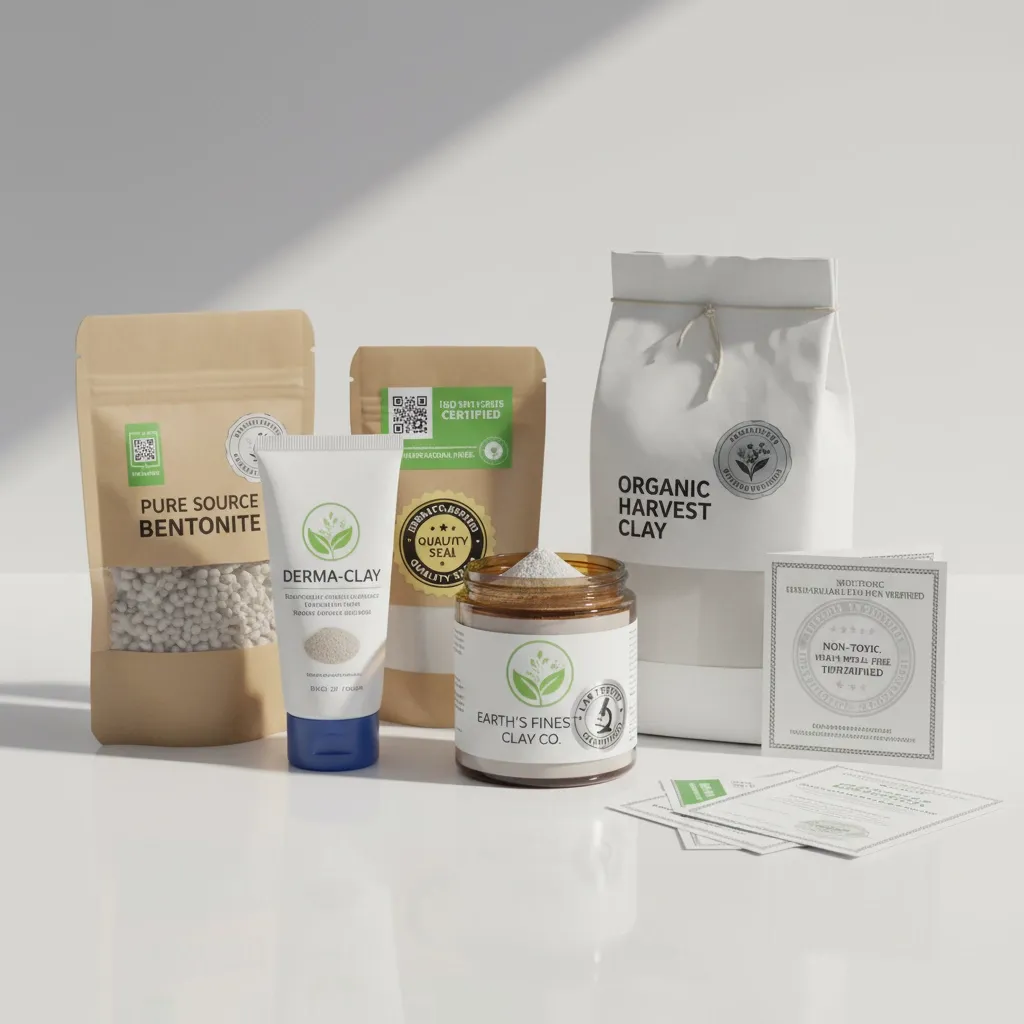
When choosing any clay product, make sure it's been tested for heavy metals and comes from a reputable source. Companies like Clayer World and Healing Clay Mask typically provide testing certificates for their products.
Mouth Dryness
Bentonite clay absorbs moisture - that's part of how it works. But this means it can also absorb your saliva, potentially leaving your mouth feeling dry. Saliva is crucial for oral health because it helps neutralize acids, wash away food particles, and fight bacteria.
Fluoride Considerations
Most dentists recommend fluoride toothpaste because it's been proven to prevent cavities. If you switch to bentonite clay, you're giving up this proven protective benefit unless you find another way to get fluoride.
Abrasiveness Concerns
While bentonite clay is generally considered mildly abrasive, some people might find it too harsh for their enamel, especially if they brush aggressively or have sensitive teeth.
How to Use Bentonite Clay Safely (If You Choose To)
If you decide to try bentonite clay despite the limited scientific evidence, here's how to do it safely:
Start Small
Don't immediately replace your regular toothpaste. Try using bentonite clay once or twice a week initially to see how your teeth and gums respond.
Choose Quality Products
Only buy from reputable suppliers who provide heavy metal testing results. Avoid clay from unknown sources or those without proper certifications.
Mix It Right
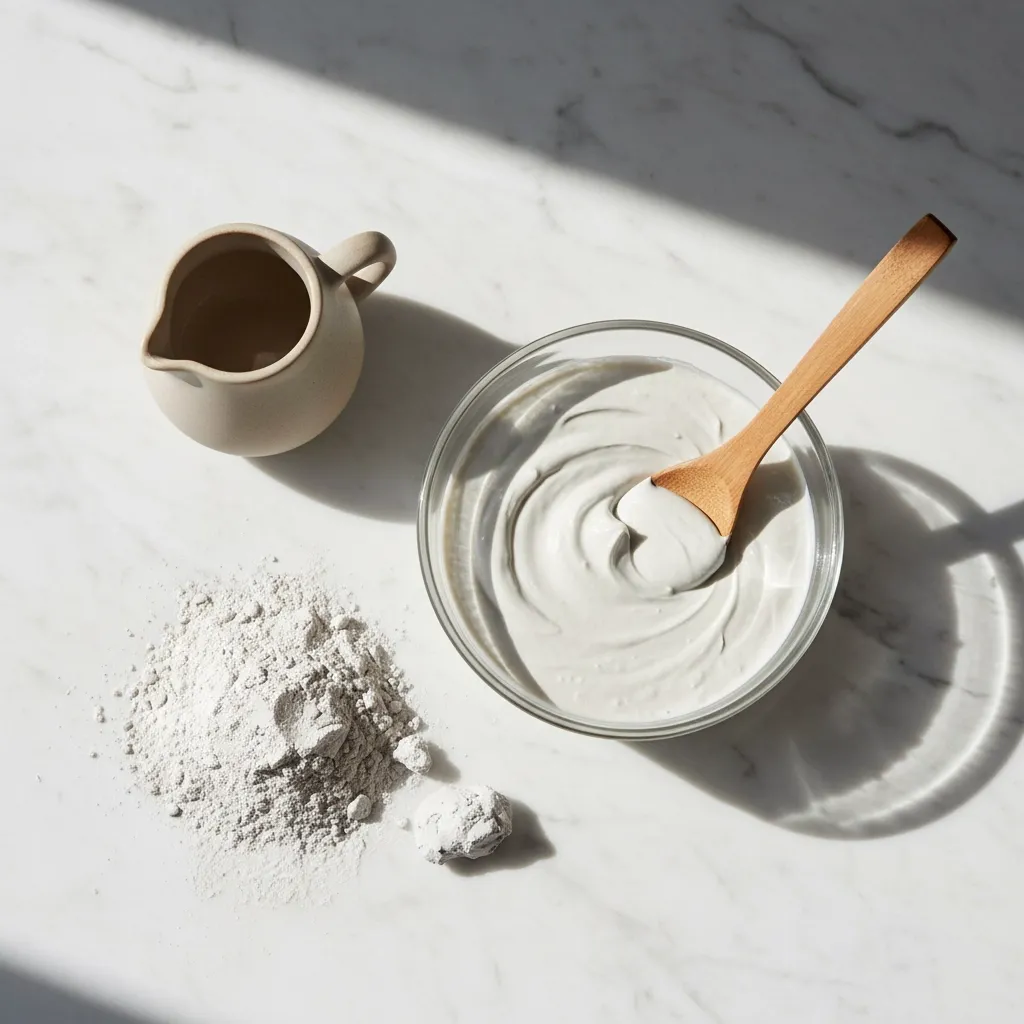
If you're using powder, mix it with water to create a paste-like consistency. Never use metal utensils or containers - bentonite clay's electrical properties can be affected by metal contact.
Be Gentle
Use soft, gentle brushing motions. The clay's abrasive properties mean you don't need to brush hard to get cleaning benefits.
Don't Abandon Proven Methods
Consider bentonite clay as a supplement to, not a replacement for, proven oral care practices. Keep flossing, consider a fluoride rinse, and maintain regular dental checkups.
What Dental Professionals Think
Most dentists remain skeptical about bentonite clay toothpaste alternatives. The lack of clinical trials and potential risks often outweigh the theoretical benefits in their professional opinion.
However, some dental professionals acknowledge that if used properly and sourced carefully, bentonite clay probably won't harm most people's oral health. The key is not using it as a complete replacement for proven oral care methods.
Resources like Best Sport Recovery often discuss natural health approaches, but even they emphasize the importance of consulting healthcare professionals before making significant changes to your health routine.
The Bottom Line: Is Bentonite Clay Good for Teeth?
Is bentonite clay good for teeth? The honest answer is: we don't have enough scientific evidence to say definitively yes or no.
The theoretical benefits make sense - gentle abrasion for plaque removal, mineral content, and potential bacteria-binding properties. Many people report positive experiences using it.
However, the lack of rigorous scientific studies, combined with legitimate concerns about heavy metal content and mouth dryness, means bentonite clay shouldn't be your first choice for oral care.
If you're curious about natural oral care alternatives, consider discussing options with your dentist first. They can help you weigh the potential benefits against the risks based on your specific oral health needs.
For now, proven methods like fluoride toothpaste, regular flossing, and professional cleanings remain your best bet for maintaining optimal oral health. Bentonite clay might be an interesting addition to your routine, but it shouldn't replace the basics that science has already proven effective.
Remember, when it comes to your oral health, it's always better to stick with methods that have solid scientific backing rather than jumping on trends that sound good but lack proper research support.