
Soaking your feet in bentonite clay creates a fascinating process that goes far beyond just a relaxing foot bath. When you immerse your feet in this ancient healing clay, you're triggering a complex series of reactions that can help draw out toxins, soften skin, and provide deep relaxation for tired feet.
But what exactly happens during this process? Let's dive into the science and experience of bentonite clay foot soaks to understand why this practice has gained so much popularity in wellness circles.
The Science Behind Bentonite Clay Foot Soaks
When bentonite clay comes into contact with water, it undergoes a remarkable transformation. According to Healthline, bentonite clay has a unique electrical charge that activates when mixed with fluid. This electrical charge is what gives the clay its ability to attract and absorb toxins from your skin.
The clay works through a process called adsorption (not absorption). Unlike absorption, where substances are taken in completely, adsorption means that toxins and impurities stick to the surface of the clay particles. Think of it like a magnet attracting metal filings – the bentonite clay's negatively charged particles attract positively charged toxins and pull them away from your skin.
French Healing Clay explains that this process is particularly effective because our feet contain numerous pores and are often exposed to various environmental toxins throughout the day. When you soak your feet in bentonite clay, you're giving these toxins a direct pathway out of your body.
What You'll Experience During a Clay Foot Soak
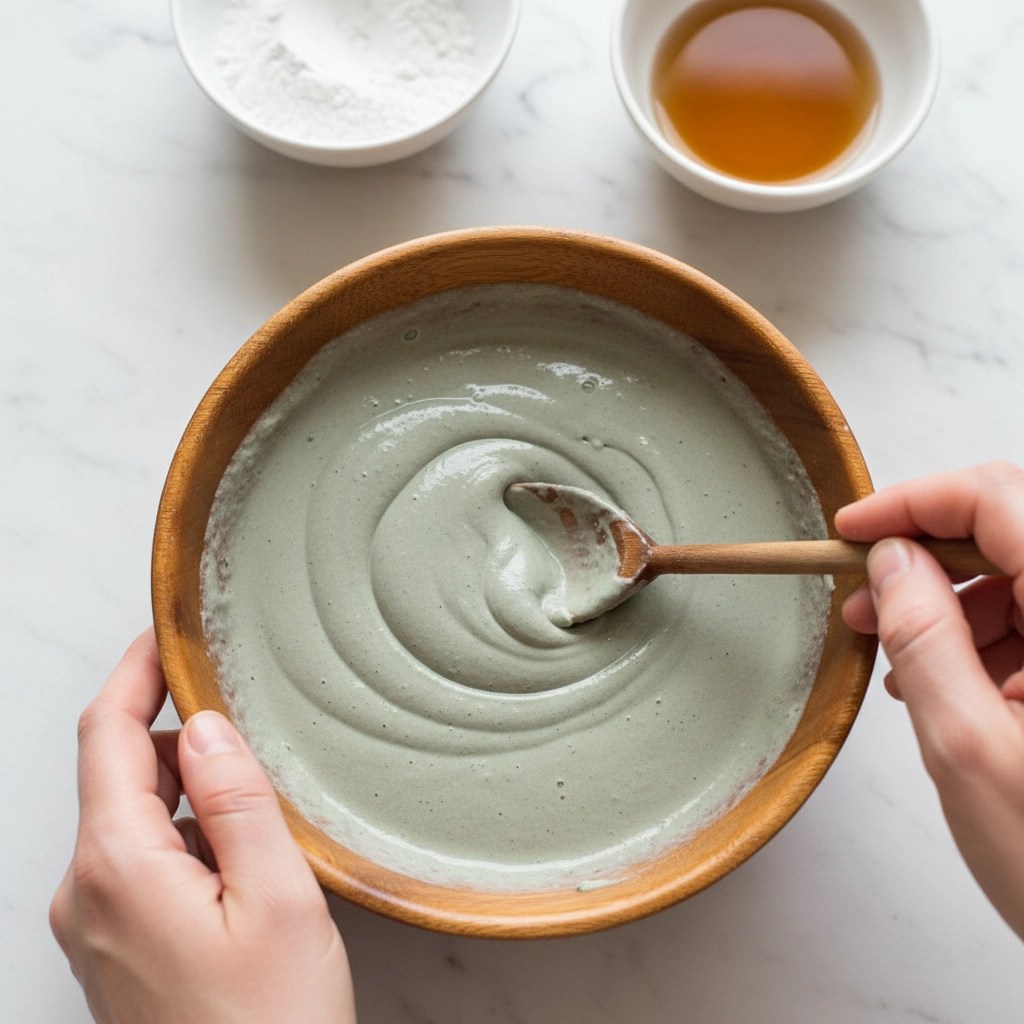
The experience of soaking your feet in bentonite clay is quite unique and involves several distinct phases:
Phase 1: Clay Application
If you're using the paste method, you'll first mix bentonite clay with apple cider vinegar to create a thick paste. When you apply this to your feet and let it sit for about 10 minutes, many people report feeling a subtle pulsating sensation. This tingling feeling is the clay beginning its work, creating that electrical charge that helps draw out impurities.
Phase 2: The Dissolving Process
Once you place your clay-coated feet into warm water, the hardened clay begins to slowly dissolve and fall off. This process typically takes 15-20 minutes, during which you'll see the water gradually change color as the clay disperses. Don't worry – this is completely normal and indicates that the process is working.
Phase 3: Deep Relaxation
As the clay continues to work, most people experience a deep sense of relaxation. The warm water increases your body temperature, which helps relieve muscle tension and mental stress. According to Best Sport Recovery, this temperature increase also boosts white blood cell activity, potentially supporting your immune system.
Step-by-Step Process for Clay Foot Soaks
Here's how to properly soak your feet in bentonite clay:
Preparation:
- Mix 2-3 tablespoons of high-quality bentonite clay with apple cider vinegar to form a paste
- Apply the paste evenly to both feet
- Allow it to dry for 10-15 minutes
- Prepare a foot basin with warm water and add Epsom salt
The Soak:
- Gently lower your clay-coated feet into the water
- Soak for 15-20 minutes, allowing the clay to dissolve naturally
- Use this time to relax and let the clay do its work
- After soaking, use a natural bristle brush to remove any remaining clay
- Rinse thoroughly with clean water and pat dry
For premium bentonite clay products perfect for foot soaks, check out the selection at The Best Green Clay, where you'll find pure, high-quality options specifically designed for therapeutic use.
Physical and Mental Benefits You'll Notice

The benefits of bentonite clay foot soaks extend beyond just the detoxification process. Here's what you can expect:
Immediate Benefits
- Softer, smoother skin: The clay helps remove dead skin cells and impurities, leaving your feet feeling incredibly soft
- Reduced muscle tension: The warm water and clay combination helps ease sore, achy feet and calves
- Deep relaxation: Many people find the process deeply meditative and stress-relieving
- Improved circulation: The warm water helps boost blood flow to your feet and lower legs
Longer-term Benefits
Regular clay foot soaks may help with:
- Reduced foot odor: By drawing out bacteria and toxins that cause odor
- Better sleep: The relaxation response often carries over into bedtime
- Reduced inflammation: Some users report less swelling and inflammation in their feet and ankles
Aztec Secret notes that consistent use of bentonite clay treatments can lead to cumulative benefits, as regular detoxification may help your body maintain better overall balance.
What the Clay Actually Removes
While scientific research on bentonite clay's detoxification abilities is still developing, Clay World explains that the clay may help remove various substances from your feet, including:
- Environmental toxins absorbed through the skin
- Excess oils and bacteria
- Dead skin cells and debris
- Heavy metals (though more research is needed)
- Metabolic waste products
It's important to note that while many people report feeling "cleaner" and more energized after clay foot soaks, the exact mechanisms and extent of detoxification are still being studied by researchers.
Safety Considerations and Who Should Avoid Clay Foot Soaks

While bentonite clay foot soaks are generally safe for most people, there are some important considerations:
Who should avoid clay foot soaks:
- People with open wounds or cuts on their feet
- Those with severe diabetes or circulation issues
- Individuals with known allergies to clay or related minerals
- Anyone with kidney problems (consult a healthcare provider first)
Safety tips:
- Always use food-grade or cosmetic-grade bentonite clay
- Test a small area first if you have sensitive skin
- Don't use metal bowls or utensils when preparing clay (it can affect the electrical charge)
- Stay hydrated during and after the treatment
- Limit soaks to 2-3 times per week to avoid over-drying your skin
Healing Clay Mask recommends starting with shorter 10-minute soaks and gradually increasing the time as your body adjusts to the treatment.
Enhancing Your Clay Foot Soak Experience
To maximize the benefits of your bentonite clay foot soak, consider these additions:
- Apple cider vinegar: Helps activate the clay and provides additional detoxification benefits
- Epsom salt: Adds magnesium, which your body can absorb through the skin
- Essential oils: A few drops of tea tree or lavender oil can enhance relaxation and provide aromatherapy benefits
- Baking soda: Can help balance pH and provide additional cleansing action
The Bottom Line
When you soak your feet in bentonite clay, you're engaging in an ancient practice that combines relaxation with potential detoxification benefits. While you'll immediately notice softer skin and reduced muscle tension, the full effects may become more apparent with regular use.
The process works through the clay's unique electrical properties, which help draw impurities away from your skin while providing a deeply relaxing experience. Whether you're dealing with tired, sore feet or simply want to pamper yourself with a spa-like treatment at home, bentonite clay foot soaks offer a natural, accessible option.
Remember to choose high-quality clay products and follow proper safety guidelines to ensure the best possible experience. With regular use, many people find that clay foot soaks become an essential part of their self-care routine.
Disclaimer: We are not associated with any clay company. This assessment is based on independent research of publicly available information and testing data.
Leave a Reply