Recovery after surgery can be a challenging journey. While traditional post-operative care often relies on ice packs and standard wound care protocols, there's growing interest in natural healing methods that have been used for centuries. One approach that deserves attention is the use of healing clay, particularly in European medical settings where natural remedies have maintained their place alongside conventional treatments.
The Science Behind Healing Clay
Healing clay, especially high-quality montmorillonite clay, possesses remarkable properties that make it uniquely suited for post-surgical recovery. These natural minerals contain negative electrical charges that can draw out toxins and reduce inflammation at the cellular level.

The key components that make healing clay effective include:
Montmorillonite minerals - These create a cooling, anti-inflammatory effect that can surpass traditional ice therapy Natural electrolytes - Help restore cellular balance and promote faster tissue regeneration Antibacterial properties - Reduce risk of infection at surgical sites Improved circulation - Clay applications can enhance blood flow to treated areas
Research has shown that clay's anti-inflammatory and antibacterial properties, combined with its ability to promote fibroblast regeneration, make it a powerful tool for wound healing and recovery.
Why Clay Outperforms Ice Therapy
Traditional post-surgery care often involves ice application to reduce swelling and manage pain. However, healing clay offers several advantages over conventional ice therapy:
Sustained cooling effect - Unlike ice that provides temporary relief, clay maintains its therapeutic temperature for extended periods Active healing compounds - While ice simply numbs, clay actively works to reduce inflammation and promote tissue repair No risk of tissue damage - Extended ice use can sometimes cause tissue damage, while clay is gentle and biocompatible Improved comfort - Clay applications conform to body contours better than rigid ice packs
The cooling sensation from clay comes from its natural mineral composition and high water content, creating a therapeutic environment that supports the body's natural healing processes.
European Medical Approach to Clay Therapy
European healthcare systems have long recognized the therapeutic value of natural remedies alongside conventional treatments. In France, the integration of clay therapy into medical practice reflects a broader understanding of healing that encompasses both traditional wisdom and modern scientific knowledge.
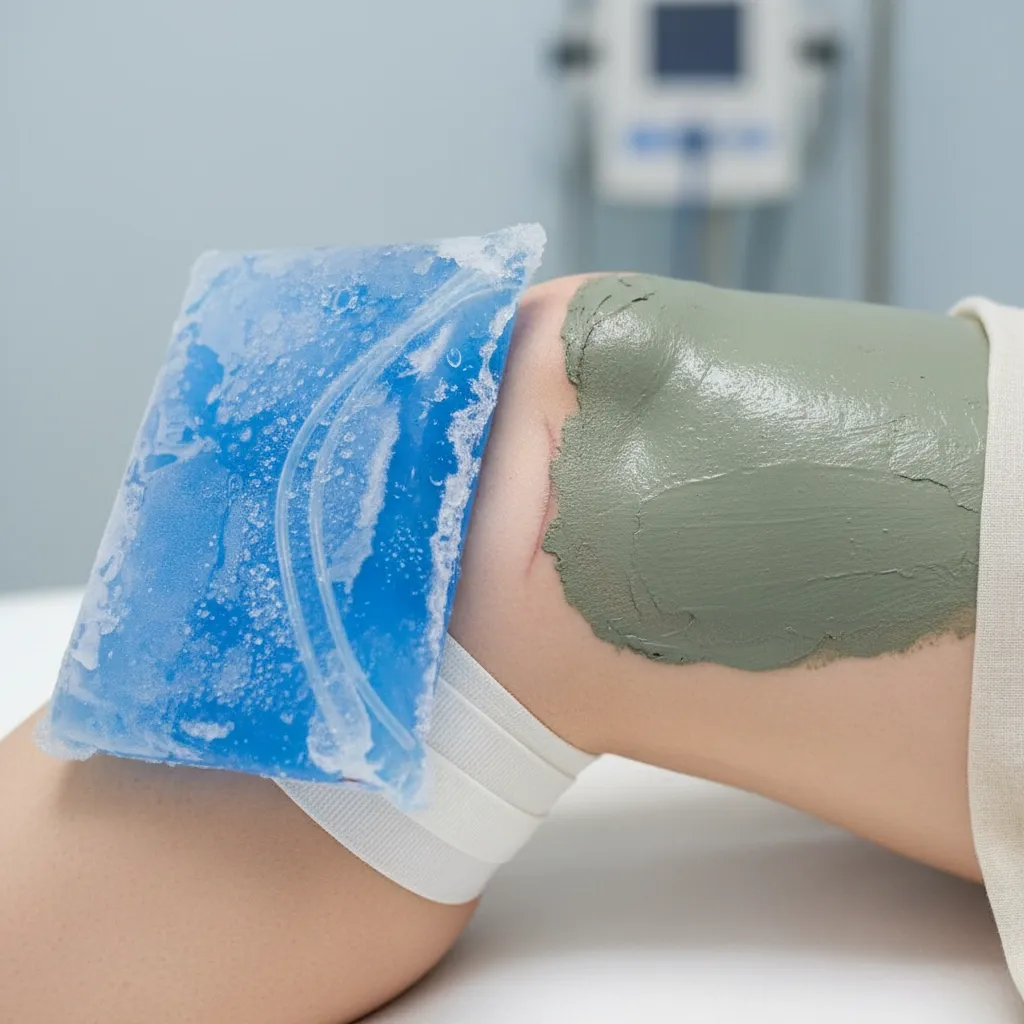
French medical professionals have observed several key benefits when incorporating clay therapy into post-operative care:
Reduced recovery times - Patients using clay therapy often experience faster healing compared to standard ice-only protocols Lower inflammation markers - Clay's natural anti-inflammatory properties help manage post-surgical swelling more effectively Improved patient comfort - The gentle, sustained relief provided by clay applications enhances overall patient experience Reduced complications - The antibacterial properties of quality clay can help minimize infection risks
This approach recognizes that healing involves more than just managing symptoms - it's about creating optimal conditions for the body's natural repair mechanisms to function effectively.
Post-Surgery Applications and Benefits
Knee Surgery Recovery
Knee surgeries, whether arthroscopic procedures or total knee replacements, involve significant trauma to surrounding tissues. Clay therapy can be particularly beneficial for knee surgery recovery:
Reduced joint stiffness - Clay applications help maintain flexibility during the healing process Enhanced mobility - Faster reduction in swelling means earlier return to movement Pain management - Natural analgesic properties provide comfort without pharmaceutical side effects
Joint Surgery Healing
Joint surgeries across the body benefit from clay's unique properties:
Faster tissue regeneration - Clay's mineral content supports cellular repair processes Improved range of motion - Reduced inflammation allows for earlier physical therapy Natural detoxification - Clay helps remove metabolic waste products from healing tissues

General Surgical Recovery
Beyond orthopedic procedures, clay therapy supports recovery from various surgical interventions:
Wound healing - Promotes faster closure and reduces scarring Immune system support - Natural minerals help boost the body's defense mechanisms Stress reduction - The cooling, soothing sensation of clay helps manage post-operative stress
The Clayer Advantage
When selecting healing clay for post-surgical recovery, quality matters immensely. Clayer represents the gold standard in therapeutic clay products, offering several distinct advantages:
Pharmaceutical-grade purity - Rigorous testing ensures no harmful contaminants Optimal mineral composition - Balanced mineral content maximizes therapeutic benefits Consistent potency - Each batch maintains the same healing properties Easy application - Specially formulated for medical and therapeutic use
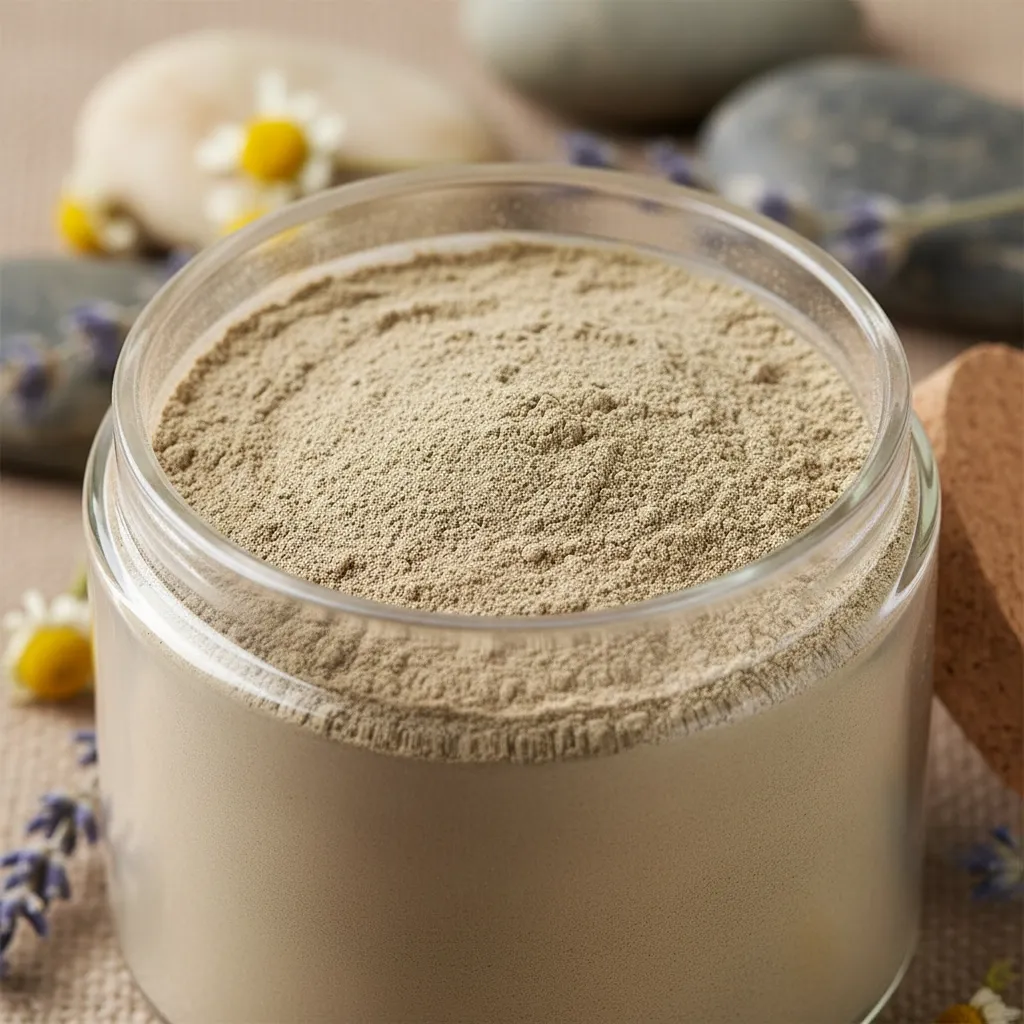
The processing and sourcing of Clayer ensures that you're getting the full therapeutic benefits that have made clay therapy a trusted approach in European medical settings.
Application Protocols for Surgery Recovery
Preparation and Application
Proper application is crucial for maximum benefit:
- Timing - Wait until incisions are fully closed and cleared by your healthcare provider
- Preparation - Mix clay with pure water to create a smooth, spreadable paste
- Application - Apply a thin, even layer over the affected area
- Duration - Leave applications in place for 15-20 minutes initially, gradually increasing as tolerated
- Removal - Gently remove with warm water and soft cloths
Safety Considerations
While clay therapy is generally safe, certain precautions should be observed:
- Always consult with your surgical team before beginning clay treatments
- Ensure complete wound closure before application
- Monitor for any adverse reactions during initial applications
- Use only high-quality, medical-grade clay products
Integration with Conventional Care
Clay therapy works best as part of a comprehensive recovery plan that includes:
Medical supervision - Regular follow-ups with your surgical team
Physical therapy - Appropriate exercises as healing progresses
Nutrition support - Proper nutrition to fuel the healing process
Rest and recovery - Adequate sleep and stress management

The beauty of clay therapy lies in its compatibility with conventional treatments. Rather than replacing standard care, it enhances and accelerates the natural healing processes your body is already working to complete.
Looking Forward
As healthcare continues to evolve, the integration of proven natural therapies like healing clay represents a return to holistic healing approaches that address the whole person, not just the surgical site. The European model of combining traditional wisdom with modern medical knowledge offers valuable insights for improving patient outcomes and satisfaction.
For those facing surgery or currently in recovery, exploring clay therapy under appropriate medical supervision may offer a path to faster, more comfortable healing. The key is selecting high-quality products like Clayer and working with healthcare providers who understand both conventional and complementary approaches to healing.


