For centuries, France has been at the forefront of natural healing therapies, with clay-based treatments playing a significant role in their medical traditions. While modern orthopedic surgery has embraced high-tech solutions, there's growing interest in understanding how traditional clay therapy might complement post-surgical recovery processes.
The Historical Foundation of French Clay Medicine
France's relationship with therapeutic clay dates back hundreds of years. In the 18th century, Army surgeon Henri Francois Le Dran pioneered the use of bandages soaked in egg white, vinegar, and clay powder to treat wounded soldiers. This early adoption of clay in medical settings laid the groundwork for what would become a more sophisticated understanding of clay's healing properties.
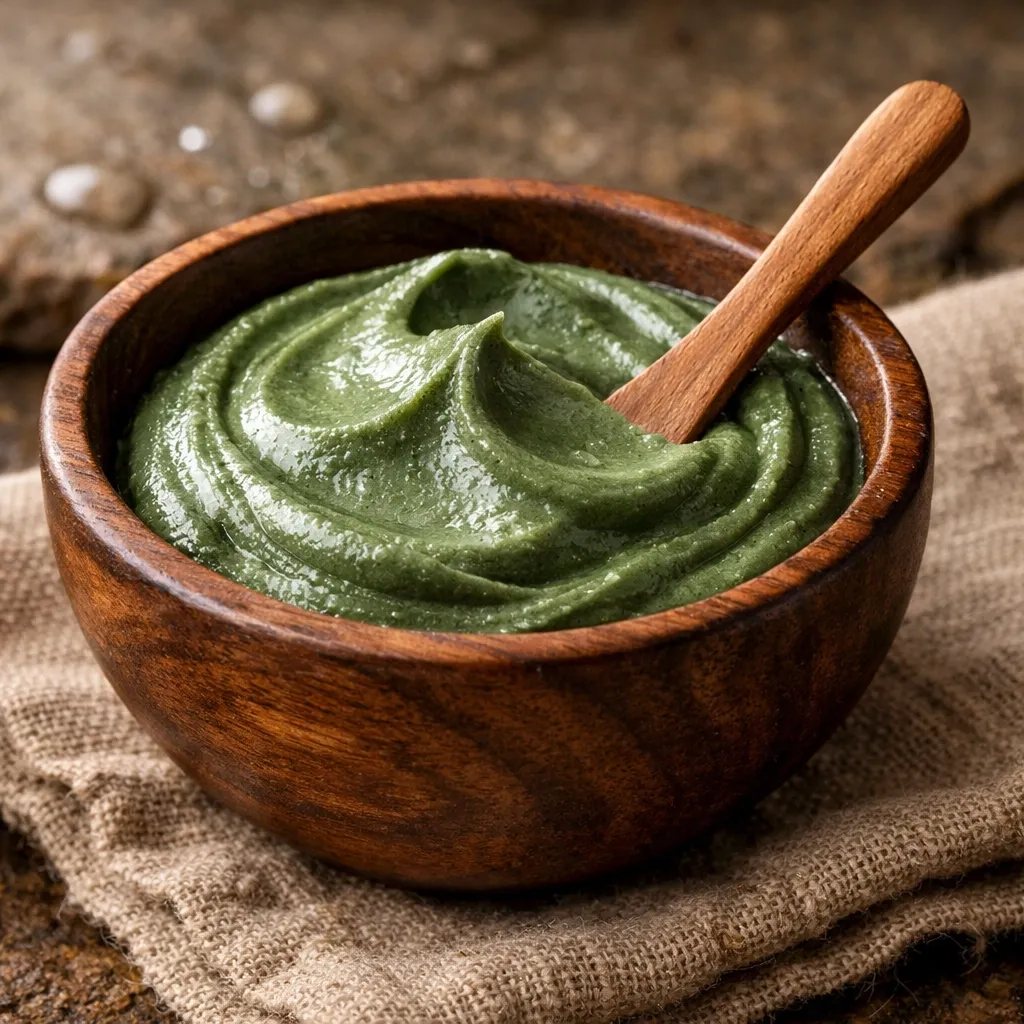
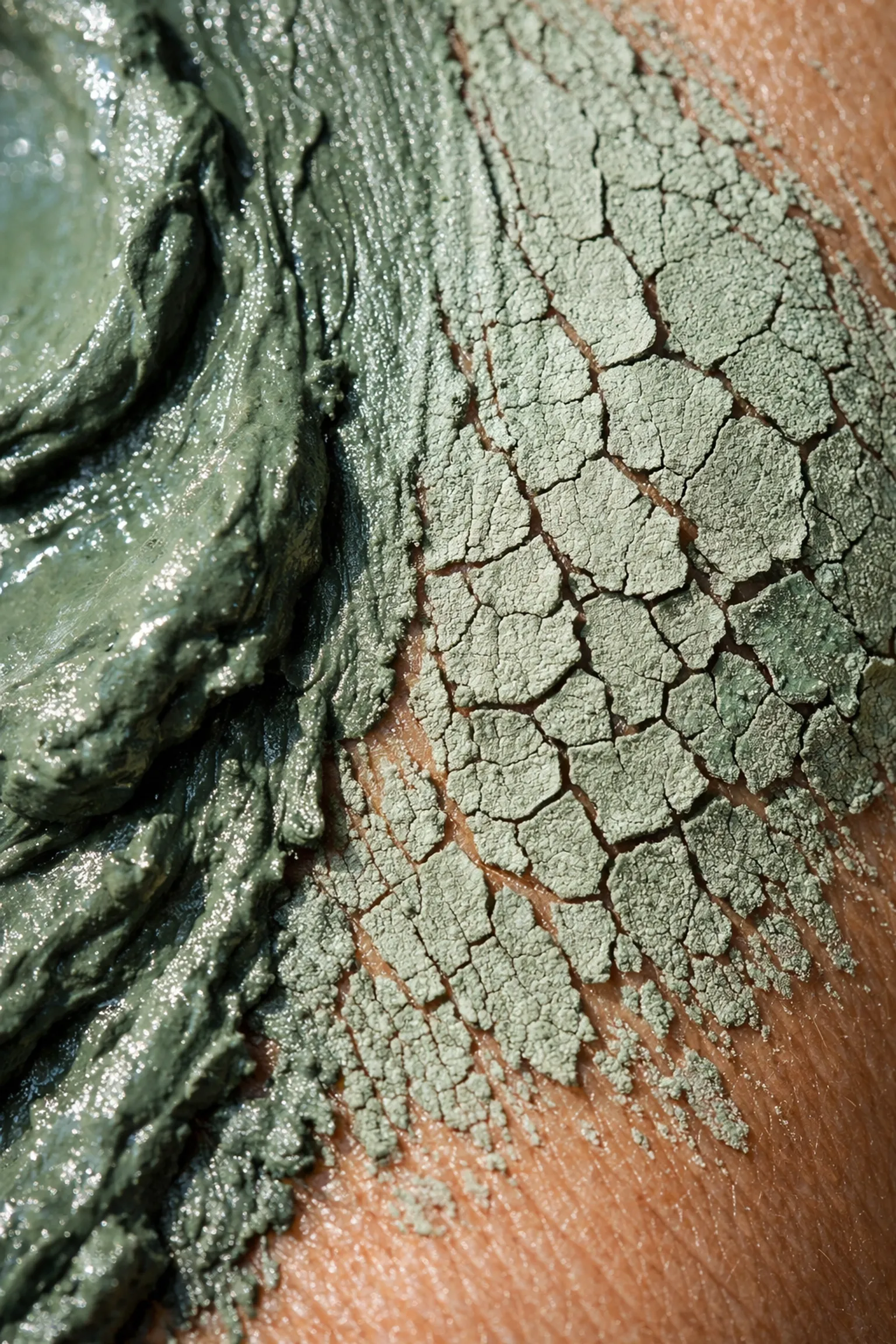
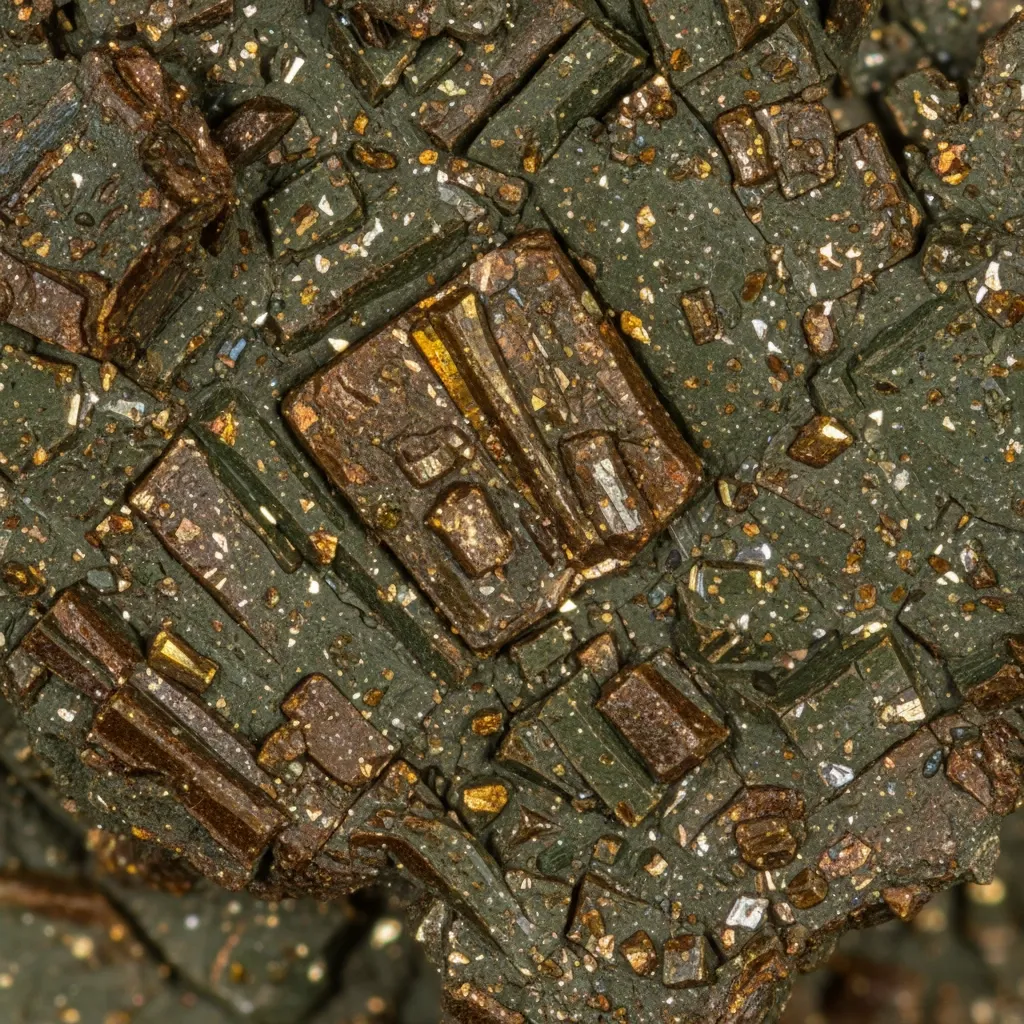
The French have long recognized that certain clays possess unique mineral compositions that can benefit tissue repair and inflammation reduction. French green clay, in particular, has become renowned worldwide for its therapeutic applications, drawing from deposits that have been valued for their purity and mineral content for generations.

Understanding Clay's Therapeutic Mechanisms
Recent scientific research has shed light on why clay therapy has maintained its place in traditional healing practices. Clay's therapeutic effects stem from several key mechanisms:
Mineral Exchange: High-quality healing clays contain essential minerals like silica, aluminum, iron, and magnesium that can be absorbed through the skin, potentially supporting cellular repair processes.
Anti-inflammatory Properties: Studies have shown that certain clays can help reduce inflammation markers, which is crucial for post-surgical recovery when the body's inflammatory response needs to be carefully managed.
Antimicrobial Action: Many clays demonstrate natural antibacterial properties, creating an environment less conducive to infection - a critical consideration in post-surgical care.
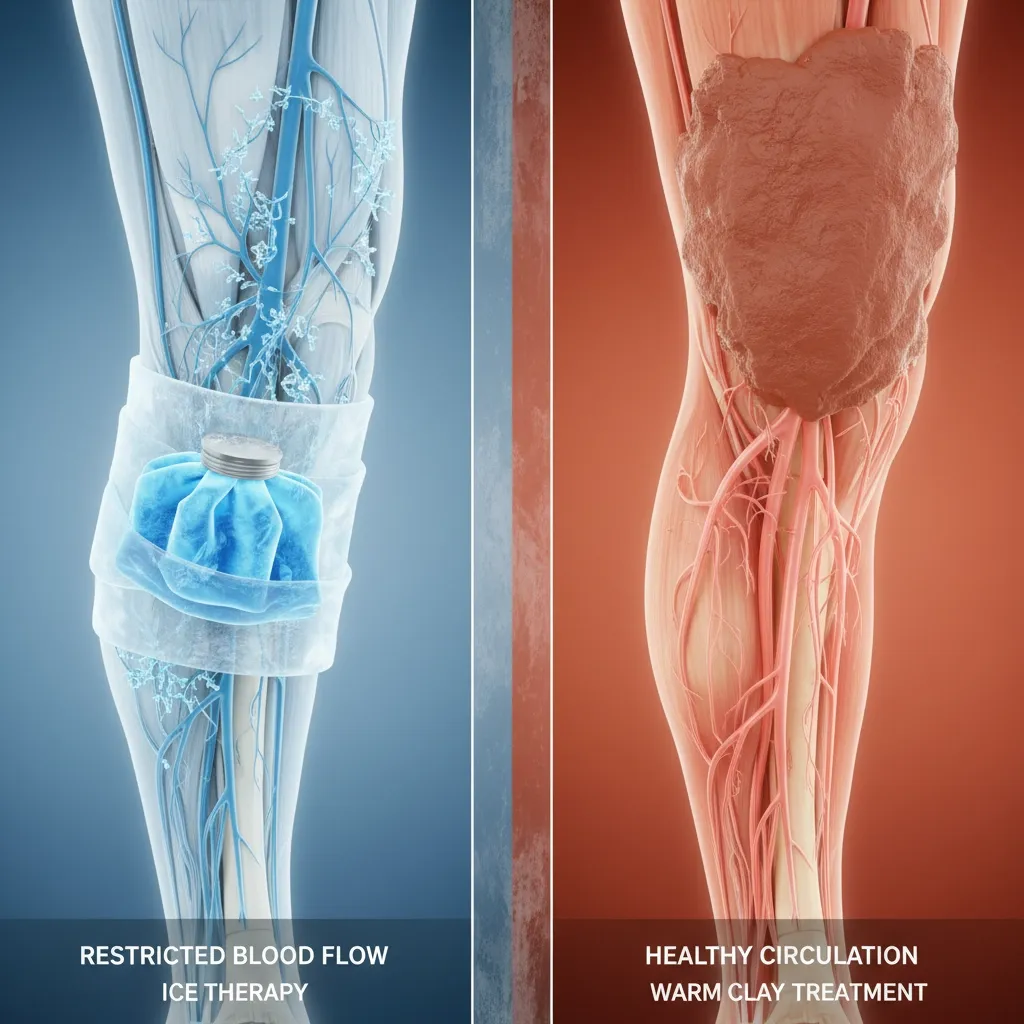
Heat Retention and Circulation: Unlike ice, which restricts blood flow, properly applied clay treatments can maintain therapeutic temperatures while promoting healthy circulation to the treated area.
The Science Behind Clay vs. Ice Therapy
Traditional post-surgical care has long relied on ice application to manage swelling and pain. However, this approach has limitations that clay therapy may address more effectively:
Ice Therapy Limitations:
- Restricts blood flow, potentially slowing healing
- Can cause tissue damage if applied incorrectly
- Provides only temporary numbing effects
- May interfere with the body's natural inflammatory healing response
Clay Therapy Advantages:
- Maintains therapeutic temperature without extreme cold
- Supports natural circulation patterns
- Provides sustained mineral delivery to tissues
- Works with the body's healing mechanisms rather than suppressing them
French Pelotherapy and Orthopedic Applications
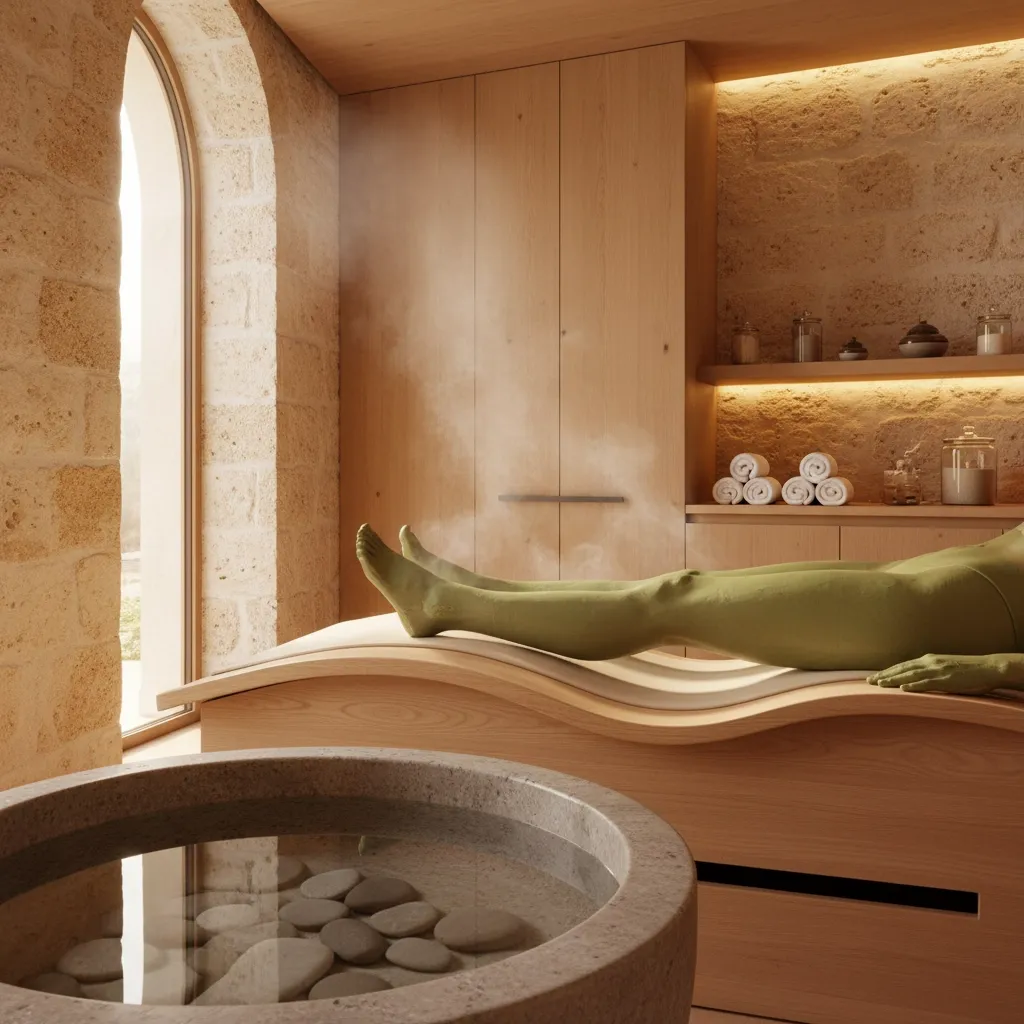
France has developed sophisticated pelotherapy protocols, particularly using smectite-rich clays in thermal applications. These treatments, commonly maintained at approximately 50°C, have been used effectively for rheumatic conditions and joint-related issues.
The principle behind these treatments aligns with post-surgical recovery needs: providing sustained, gentle heat that promotes circulation while delivering beneficial minerals directly to affected tissues. This approach contrasts sharply with ice therapy's circulation-restricting effects.
Modern Applications in Wound and Tissue Healing
Contemporary research has validated many traditional clay therapy applications. French green clays have demonstrated remarkable success in treating serious conditions like Buruli ulcer, where daily clay poultice applications promoted tissue regeneration and wound healing.
This success in wound healing translates logically to post-surgical applications, where the primary concerns are:
- Preventing infection
- Reducing excessive inflammation
- Supporting tissue repair
- Managing pain and swelling
- Promoting healthy circulation
Choosing Quality Clay for Medical Applications
Not all clays are suitable for medical applications. The key factors that make certain clays effective for post-surgical care include:
Purity Standards: Medical-grade clays must be free from contaminants and heavy metals that could interfere with healing or cause adverse reactions.
Mineral Composition: The ideal clay contains balanced levels of therapeutic minerals without excessive amounts of potentially harmful substances.
Processing Methods: Proper processing ensures that the clay maintains its beneficial properties while meeting safety standards for medical use.
Testing and Verification: Reputable clay products undergo regular testing to verify their mineral content and purity levels.
The Clayer Advantage in Post-Surgical Recovery
When considering clay options for post-surgical applications, Clayer represents a premium choice that addresses the specific needs of recovery:
Verified Purity: Clayer undergoes rigorous testing to ensure it meets the highest standards for medical applications, free from the contaminants that can compromise healing.
Optimal Mineral Profile: The mineral composition is specifically balanced to support tissue repair and inflammation management without causing adverse reactions.
Consistent Quality: Each batch maintains the same therapeutic properties, ensuring predictable results in clinical applications.
Easy Application: Formulated for practical use in medical settings, Clayer can be prepared quickly and applied safely by healthcare professionals or patients under guidance.
Implementation Considerations for Healthcare Providers
Healthcare providers interested in incorporating clay therapy into post-surgical care should consider several factors:
Patient Screening: Not all patients are suitable candidates for clay therapy. Those with certain allergies or skin sensitivities may need alternative approaches.
Application Protocols: Proper training in clay preparation and application techniques ensures optimal results and patient safety.
Integration with Standard Care: Clay therapy works best when integrated thoughtfully with existing post-surgical protocols rather than replacing all conventional treatments.
Documentation and Monitoring: Tracking patient responses helps build evidence for clay therapy's effectiveness in specific surgical contexts.
The Future of Integrative Post-Surgical Care
As healthcare systems worldwide seek more effective, natural approaches to healing, the French tradition of clay therapy offers valuable insights. The combination of historical knowledge and modern scientific validation suggests that clay therapy deserves serious consideration in post-surgical care protocols.
The shift away from purely ice-based recovery approaches toward more nuanced, circulation-supporting therapies represents a significant advancement in patient care. Clay therapy's ability to provide sustained therapeutic effects while working with the body's natural healing mechanisms positions it as a valuable tool in modern orthopedic recovery.

Safety and Best Practices
While clay therapy offers significant benefits, proper implementation is crucial:
Quality Sourcing: Always use medical-grade clays from verified suppliers like Clayer to ensure purity and therapeutic effectiveness.
Professional Guidance: Consult with healthcare providers before beginning clay therapy, especially in post-surgical contexts.
Proper Preparation: Follow established protocols for clay preparation to ensure optimal therapeutic properties.
Monitoring Response: Watch for any adverse reactions and adjust treatment protocols as needed.
Hygiene Standards: Maintain strict hygiene protocols when applying clay treatments in medical settings.
The French tradition of clay therapy in medical applications offers a compelling alternative to conventional post-surgical care approaches. By understanding and implementing these time-tested methods with modern safety standards, healthcare providers can offer patients more effective, natural healing options that work in harmony with the body's recovery mechanisms.