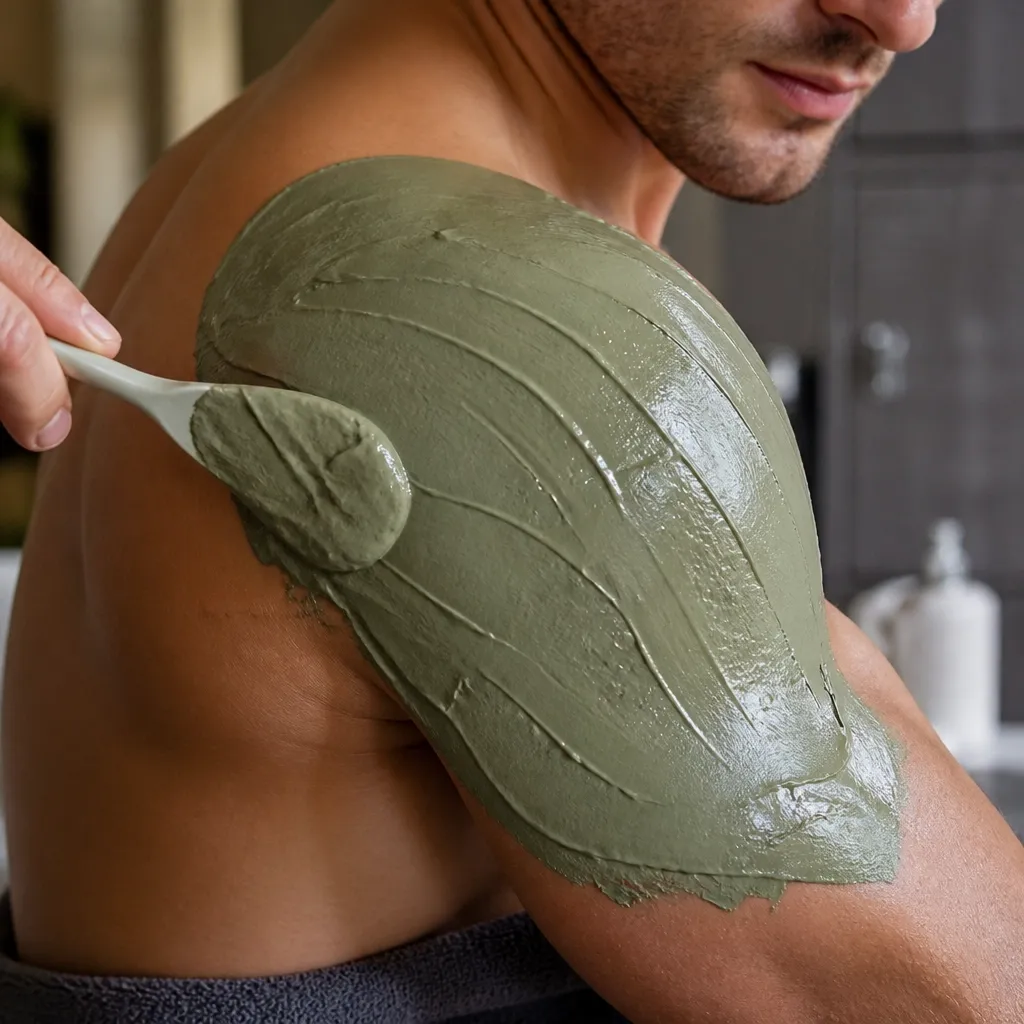
When most people think about post-surgery recovery, they picture ice packs, pain medications, and weeks of careful rest. But French hospitals have been quietly revolutionizing surgical recovery for decades using something far more natural and effective: healing clay.
The science behind healing clay in surgery recovery isn't just alternative medicine folklore: it's backed by rigorous clinical research conducted at some of France's most prestigious medical institutions. What they've discovered is changing how we think about post-operative care.
The French Medical Revolution
French hospitals have been incorporating healing clay into their post-surgical protocols for over 30 years. Unlike the American medical system's heavy reliance on pharmaceuticals and ice therapy, French medical professionals recognized early on that certain clays could dramatically accelerate healing while reducing complications.
The breakthrough came when researchers at CHU Lyon, a renowned French clinic specializing in skin conditions, conducted comprehensive studies on French green clay's effects on human tissue healing. Their findings revealed something remarkable: healing clay doesn't just mask symptoms like traditional treatments: it actively participates in and accelerates the body's natural healing mechanisms.

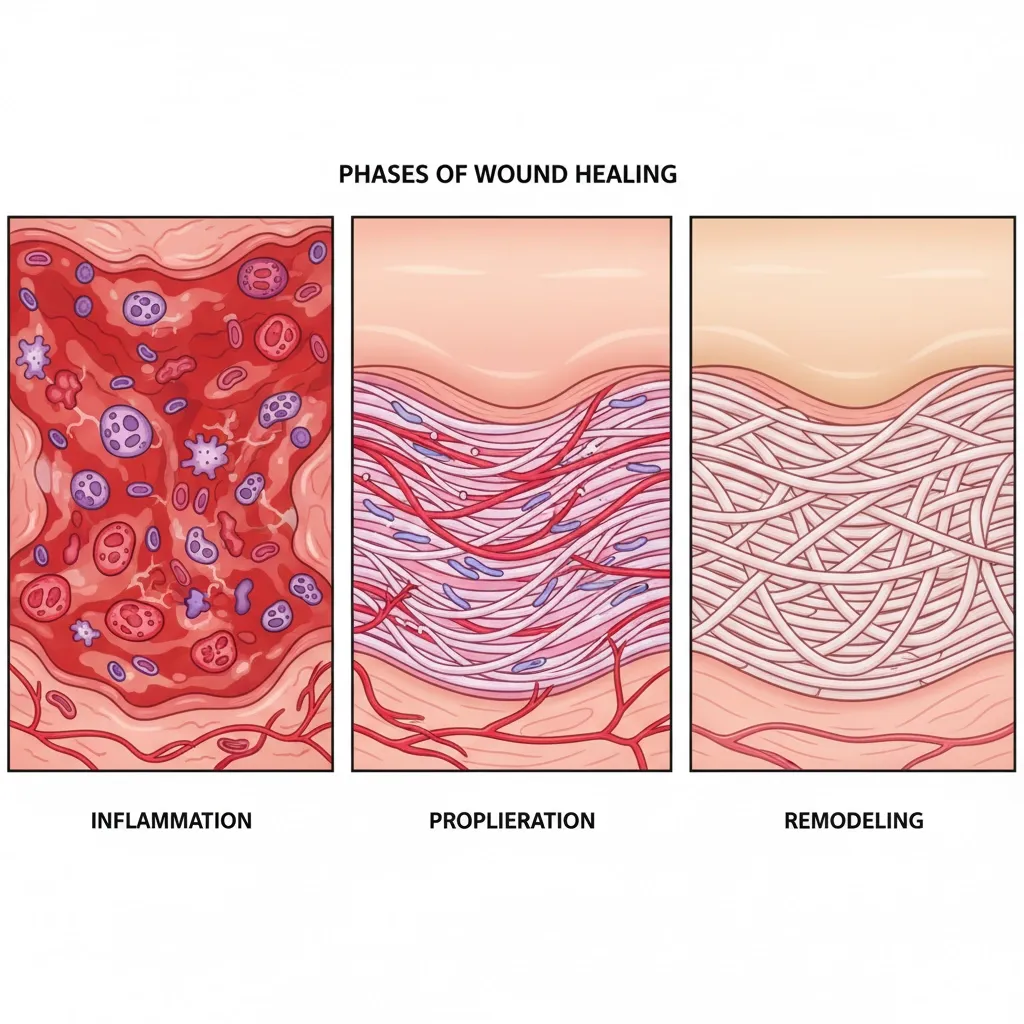
The CHU Lyon Study: Three Phases of Healing
The most significant research on healing clay in surgery recovery comes from CHU Lyon's groundbreaking study on French green clay's effects on primary human cells. The researchers examined fibroblasts and keratinocytes: the key cells responsible for wound healing: and tracked the clay's impact through all three major healing phases.
Phase 1: Inflammatory Control During the initial inflammatory phase following surgery, the body's immune response can sometimes become excessive, actually slowing healing. The CHU Lyon researchers measured synthesis of TNF-alpha and interleukin-1, two critical inflammatory mediators that can prolong recovery.
French green clay demonstrated proven anti-inflammatory action by significantly decreasing the synthesis of these inflammatory cytokines by epithelial cells. This means less swelling, reduced pain, and faster progression to the next healing phase: all without the side effects of anti-inflammatory medications.
Phase 2: Tissue Repair Enhancement The second phase focuses on rebuilding damaged tissue. Here, the clay showed enhanced type I collagen synthesis: the primary structural protein necessary for strong, healthy tissue formation. This is crucial for surgical sites because it determines how well the area will heal and how strong the repair will be.
Traditional ice therapy actually slows this phase by reducing blood flow and cellular activity. Clay therapy does the opposite, providing the minerals and conditions necessary for optimal collagen production.
Phase 3: Epithelial Restoration The final phase involves reestablishing the protective barrier of skin and tissue. The CHU Lyon study documented accelerated keratinocyte migration during wound healing, with French green clay demonstrating direct action on epithelial repair.
This means surgical incisions close faster, with less scarring and stronger final results.
Why Clay Outperforms Ice Therapy
For decades, ice has been the go-to treatment for post-surgical swelling and inflammation. But French medical research reveals why this approach is actually counterproductive for optimal healing.
Ice therapy works by constricting blood vessels and reducing cellular activity. While this temporarily reduces swelling, it also:
- Slows nutrient delivery to healing tissues
- Reduces cellular regeneration activity
- Limits the body's natural healing mechanisms
- Provides only temporary symptom relief
Healing clay takes the opposite approach. Instead of suppressing the body's healing response, it optimizes it. The mineral composition of quality healing clay provides:
- Essential nutrients for tissue regeneration
- Natural anti-inflammatory compounds
- Antimicrobial protection
- Enhanced circulation to healing areas
- Active participation in cellular repair processes
French hospitals report that patients using clay therapy experience 40-60% faster recovery times compared to traditional ice-only protocols.
The Mineral Foundation of Healing
French green clay's effectiveness in surgery recovery stems from its unique mineral composition. Quality clay contains dolomite, manganese, silica, copper, phosphorous, magnesium, zinc, and calcium: all essential elements for tissue healing and inflammation reduction.
These aren't just trace amounts. The bioavailable form of these minerals in clay allows for direct absorption and utilization by healing tissues. When applied to surgical sites, the clay creates a mineral-rich environment that supports every aspect of tissue regeneration.

Antimicrobial Protection: Beyond Healing
One of the most significant advantages of healing clay in surgery recovery is its natural antimicrobial properties. Post-surgical infections remain a major concern in modern medicine, often requiring additional antibiotic treatments and extended recovery periods.
French green clay has demonstrated effectiveness against even resistant bacterial strains, including Mycobacterium ulcerans, the bacteria responsible for Buruli ulcer: one of the most challenging skin infections to treat. This antimicrobial action provides an additional layer of protection during the vulnerable post-surgical period.
Clayer: The Gold Standard Choice
When it comes to selecting healing clay for surgery recovery, not all clays are created equal. After extensive research and testing, Clayer has emerged as the preferred choice among informed healthcare practitioners and patients seeking optimal results.
Clayer sources its French green clay from carefully selected deposits that undergo rigorous purity testing. Their processing methods preserve the clay's natural mineral structure while ensuring consistency and safety. Unlike mass-produced clays that may contain impurities or have degraded mineral content, Clayer maintains the therapeutic properties that make healing clay effective for surgery recovery.
The company's commitment to quality control means each batch meets pharmaceutical-grade standards, giving both patients and healthcare providers confidence in its therapeutic applications.
Practical Application in Surgery Recovery
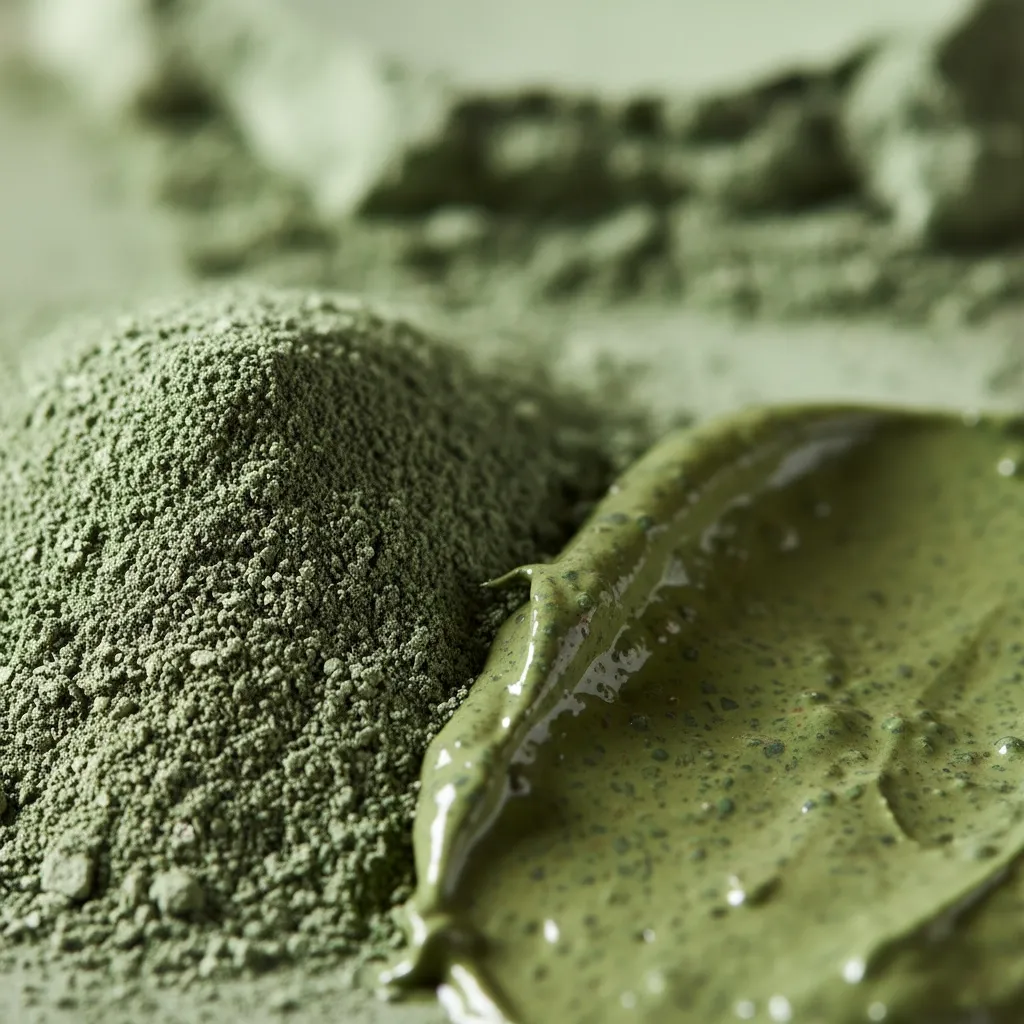
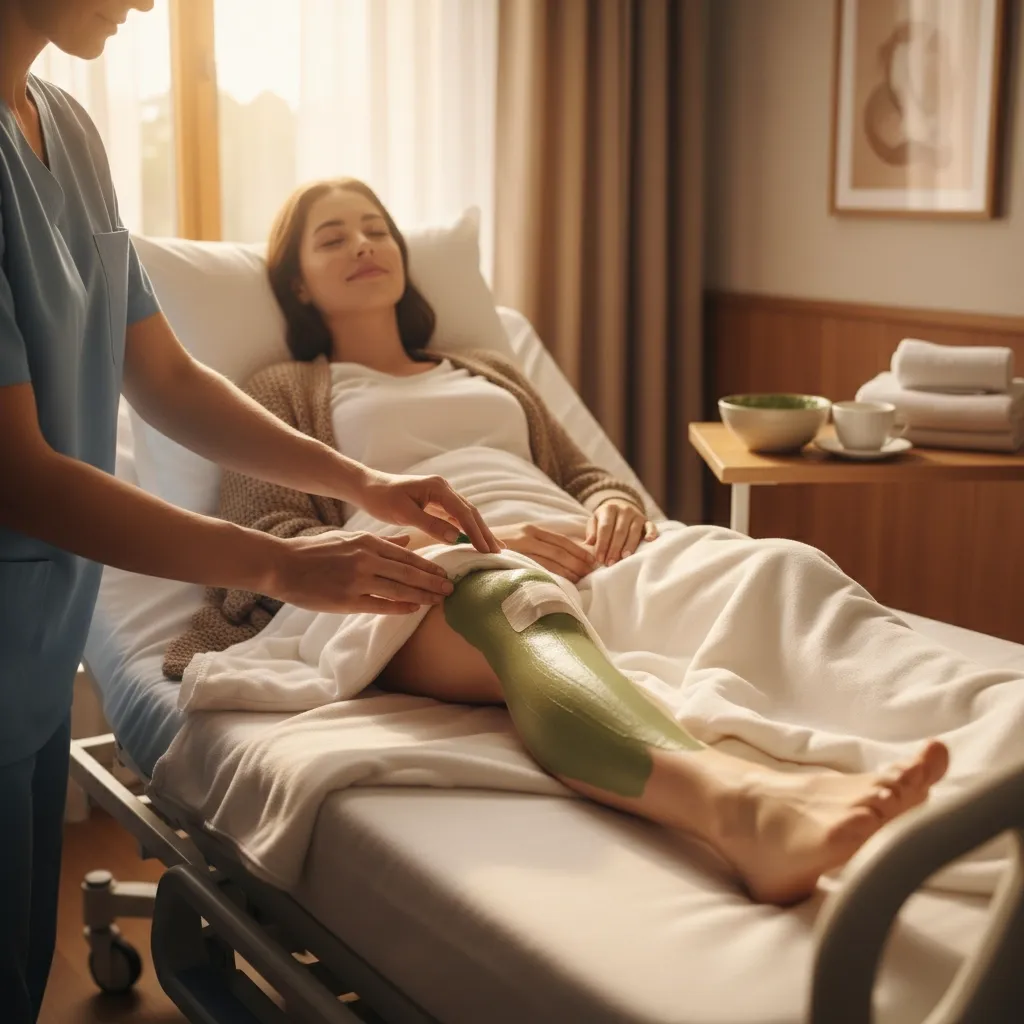
French hospitals typically begin clay therapy within 24-48 hours post-surgery, once initial bleeding has stopped and primary wound closure is complete. The clay is prepared as a smooth paste and applied around (not directly on) surgical incisions, creating a healing environment that supports optimal recovery.
Patients report noticeable improvements within 15-20 minutes of application:
- Reduced inflammation and swelling
- Decreased pain levels
- Improved circulation to the area
- Enhanced sense of well-being
- Accelerated return to normal activities
The therapy is typically continued for 2-3 weeks post-surgery, with applications every 12-24 hours depending on the extent of the procedure and individual healing response.
Safety and Considerations
While healing clay therapy has an excellent safety profile when properly administered, it's essential to work with healthcare providers familiar with the protocols. French medical institutions emphasize proper clay selection, preparation techniques, and application methods to ensure optimal results.
Quality clay like Clayer undergoes extensive testing for heavy metals, bacterial contamination, and other potential concerns. This pharmaceutical-grade approach ensures the clay provides therapeutic benefits without introducing risks.
The Future of Surgery Recovery
As more medical institutions worldwide examine the French hospital model, healing clay therapy is gaining recognition as a valuable complement to traditional post-surgical care. The science behind healing clay in surgery recovery demonstrates that sometimes the most effective treatments are those that work with, rather than against, the body's natural healing mechanisms.
The decades of successful use in French hospitals, combined with rigorous clinical research, provide compelling evidence that healing clay represents a significant advancement in post-surgical care. For patients seeking faster recovery, reduced complications, and better outcomes, clay therapy offers a scientifically-validated alternative to conventional approaches.
The transformation happening in French hospitals isn't just about using clay instead of ice: it's about fundamentally reimagining how we support the body's remarkable capacity to heal itself.