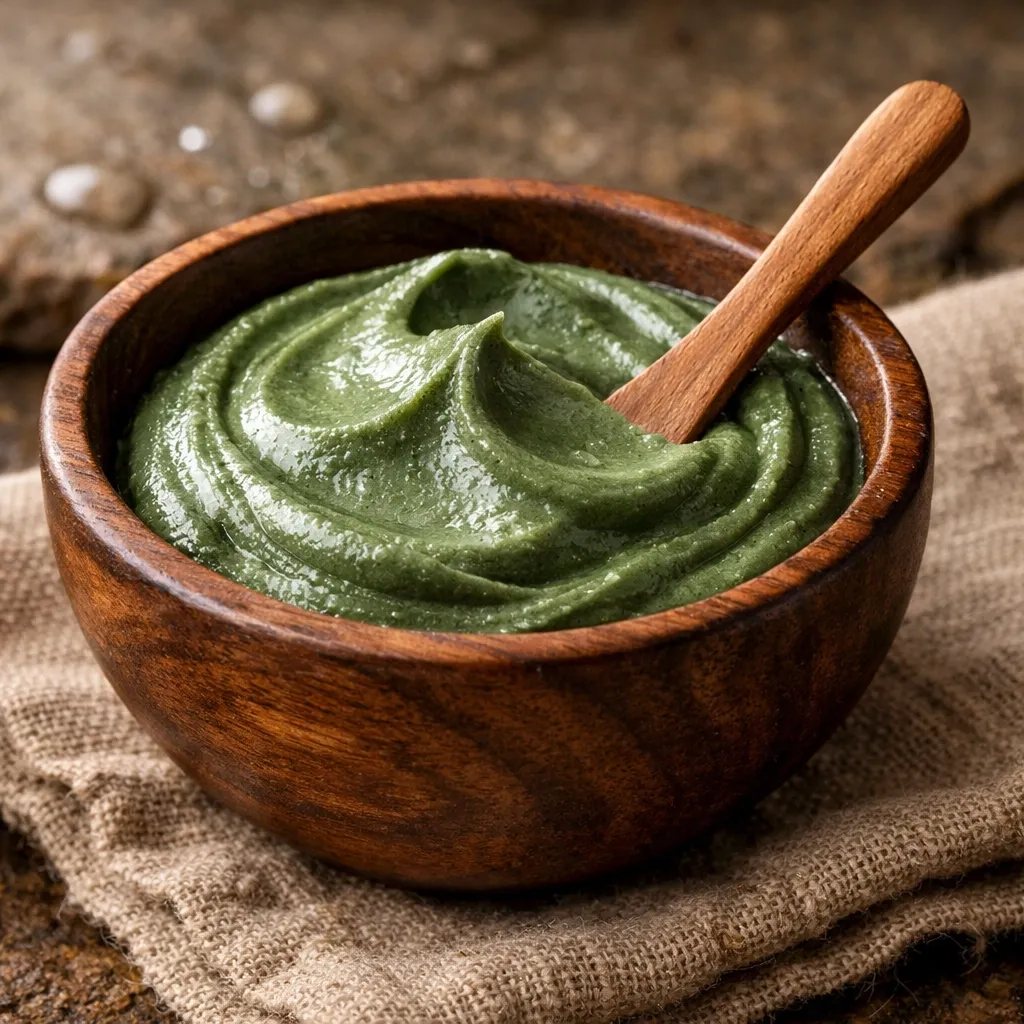
Bentonite clay has become increasingly popular in recent years, capturing attention from skincare enthusiasts, health-conscious individuals, and wellness practitioners worldwide. This remarkable natural substance, formed from volcanic ash over millions of years, offers unique properties that set it apart from other healing clays. Whether you're curious about its origins, fascinated by its science, or considering incorporating it into your wellness routine, understanding the fundamental facts about bentonite clay is essential.
From ancient civilizations to modern spa treatments, bentonite clay has maintained its reputation as a powerful natural remedy. Its distinctive characteristics make it one of the most sought-after clays in the beauty and wellness industry. Let's explore three crucial facts that will help you understand why bentonite clay continues to be a valuable natural resource.
Fact 1: The Fascinating Origin and Formation of Bentonite Clay
Bentonite clay has a captivating origin story that begins with volcanic activity millions of years ago. This extraordinary clay is named after Fort Benton, Wyoming, where some of the world's largest and highest-quality bentonite deposits are found. The clay is also scientifically known as Montmorillonite clay, named after the Montmorillon region in France where it was first discovered and studied by geologists.
The formation process of bentonite clay is truly remarkable. It originates from the weathering of volcanic ash that settled in seawater or alkaline lake environments over extensive periods. As volcanic ash interacted with water and underwent chemical changes through hydrothermal circulation, it gradually transformed into the unique clay mineral we know today. This geological process, spanning millions of years, created a clay with exceptional properties that distinguish it from ordinary sedimentary clays.
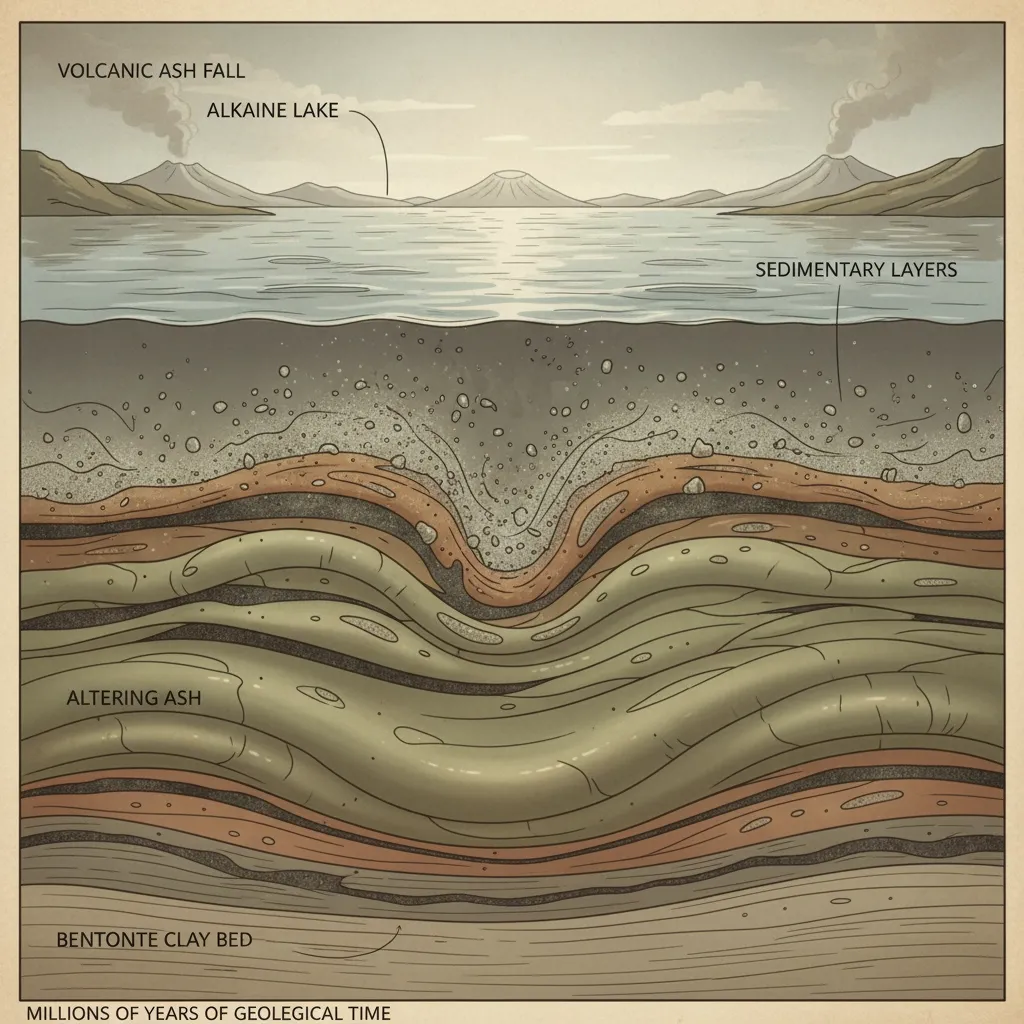
What makes bentonite clay particularly special is its primary composition of montmorillonite, an aluminum phyllosilicate mineral. This mineral structure gives bentonite clay its characteristic expandable lattice, which is responsible for many of its beneficial properties. The clay forms in thin, plate-like layers that can separate and expand when exposed to water, creating the unique swelling behavior that sets bentonite apart from other clay types.
Geographically, significant bentonite clay deposits are found in various locations worldwide, including Wyoming, Montana, and South Dakota in the United States, as well as regions in Greece, Turkey, and other countries. The quality and specific properties of bentonite clay can vary depending on the geological conditions where it formed, making location an important factor in determining the clay's therapeutic potential.
For those seeking the highest quality bentonite clay, Clayer offers some of the finest bentonite clay products available, sourced from premium deposits and processed to maintain their natural beneficial properties.
Fact 2: Exceptional Absorption and Swelling Properties
The second crucial fact about bentonite clay relates to its extraordinary physical and chemical properties, particularly its unmatched ability to absorb and adsorb various substances. Bentonite clay can absorb water up to several times its own weight, with its volume increasing by up to eight times when fully hydrated. This remarkable swelling capacity is due to its unique crystalline structure and the spaces between its molecular layers.
The absorption properties of bentonite clay work through two primary mechanisms: absorption and adsorption. Absorption occurs when the clay takes substances into its internal structure, like a sponge soaking up water. Adsorption, on the other hand, involves substances binding to the clay's surface due to electrical charges. Bentonite clay carries a negative electrical charge, which attracts positively charged particles, toxins, and impurities, effectively pulling them from their surrounding environment.

This dual action makes bentonite clay incredibly effective for various applications. When applied to skin, it can draw out impurities, excess oils, and potentially harmful substances from pores. The clay's large surface area, created by its microscopic plate-like structure, provides extensive contact area for these interactions to occur.
The swelling property also contributes to bentonite clay's versatility in different consistency preparations. When mixed with water, it can create everything from thin, liquid suspensions to thick, paste-like masks, depending on the clay-to-water ratio used. This adaptability allows users to customize their bentonite clay preparations based on their specific needs and intended applications.
Scientifically, bentonite clay's cation exchange capacity (CEC) is among the highest of all clay minerals, typically ranging from 70 to 120 milliequivalents per 100 grams. This high CEC indicates the clay's exceptional ability to exchange ions with its environment, contributing to its purifying and detoxifying properties that have made it valuable across numerous industries and applications.
Fact 3: Rich Historical Use and Modern Applications
The third essential fact about bentonite clay concerns its extensive history of human use and its diverse modern applications. Archaeological evidence suggests that various civilizations have utilized bentonite clay for thousands of years, recognizing its therapeutic and practical benefits long before modern science explained its mechanisms of action.
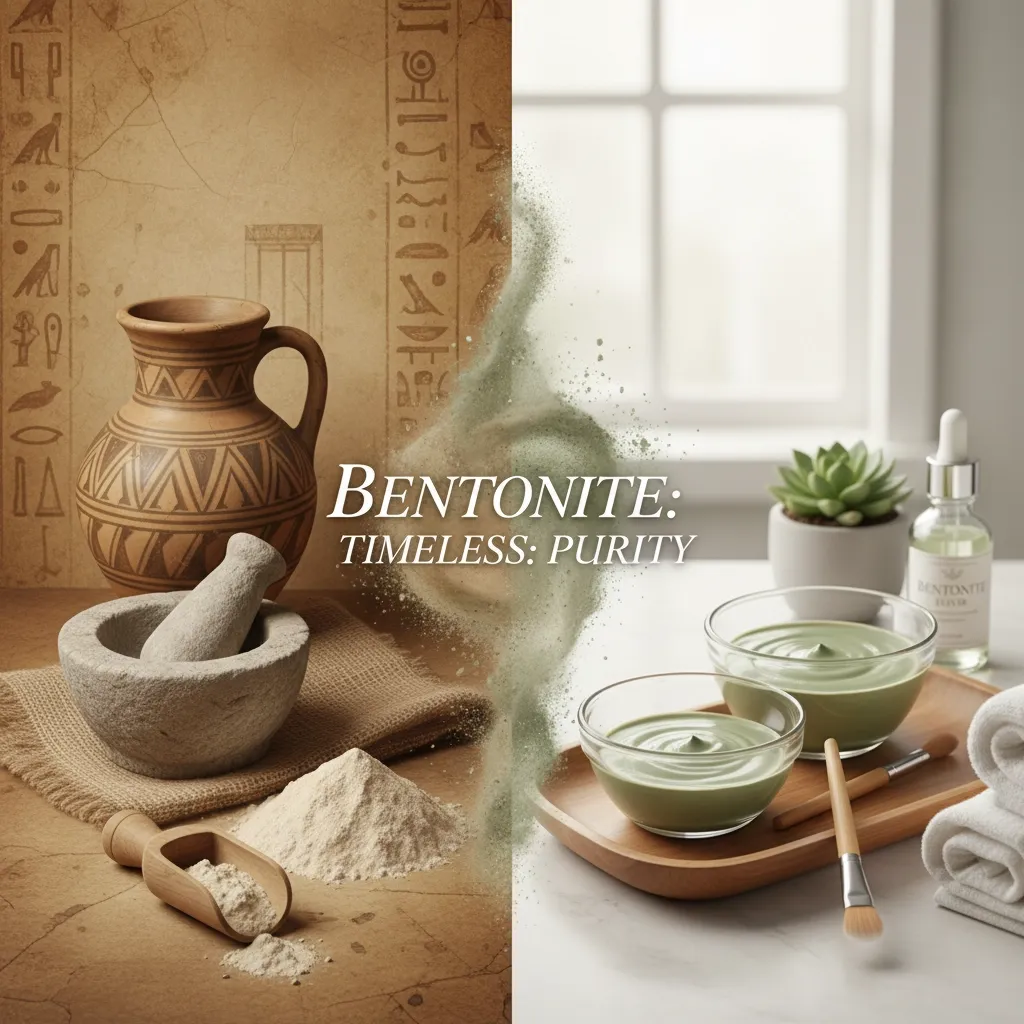
Ancient peoples discovered that bentonite clay could be consumed internally for digestive support and applied externally for skin conditions. Traditional healing practices across different cultures incorporated this clay into their medicinal repertoires, passing down knowledge about its benefits through generations. Historical records indicate that Native American tribes, ancient Egyptians, and various other civilizations used similar healing clays for both ceremonial and therapeutic purposes.
In modern times, bentonite clay has found applications across numerous industries and personal care routines. The cosmetics and skincare industry extensively uses bentonite clay in facial masks, cleansers, and treatment products due to its ability to absorb excess oils and impurities. Many high-end spas and skincare brands incorporate bentonite clay into their signature treatments, recognizing its effectiveness in promoting clearer, healthier-looking skin.
The health and wellness sector has also embraced bentonite clay, with many people using it as a natural supplement or detoxification aid. Some practitioners recommend bentonite clay for internal cleansing, though it's essential to consult with healthcare professionals before internal use. The clay contains various beneficial minerals, including calcium, magnesium, silica, sodium, copper, iron, and potassium, which contribute to its appeal as a natural wellness product.
Industrial applications of bentonite clay are equally impressive. It's used in drilling muds for oil and gas exploration, as a sealant in construction projects, in foundry sand for metal casting, and even in cat litter due to its clumping properties. The food industry uses specific grades of bentonite clay as a clarifying agent in wine and juice production.
Quality sources matter significantly when choosing bentonite clay products. Reputable suppliers like those found at www.clayerworld.com, www.frenchhealingclay.com, www.aztec-secret.com, and www.healingclaymask.com offer tested, pure bentonite clay products suitable for various applications.
Understanding the Benefits and Proper Use
Bentonite clay offers numerous potential benefits when used appropriately. For skincare applications, it may help reduce excess oil production, minimize the appearance of pores, and provide gentle exfoliation. The clay's drawing properties can help remove impurities from skin, potentially leading to a clearer complexion over time.
When preparing bentonite clay masks or treatments, it's important to use non-metal containers and utensils, as metal can interfere with the clay's electrical properties. Glass, ceramic, or wooden implements work best for mixing and application. The ideal consistency should be smooth and spreadable, neither too thick nor too runny.
For those interested in exploring premium options, resources like https://thebestgreenclay.com provide valuable information about selecting high-quality clay products for optimal results.
Safety Considerations and Best Practices
While bentonite clay is generally considered safe for external use, certain precautions should be observed. Always perform a patch test before applying clay to larger areas of skin, especially if you have sensitive skin or known allergies. Some individuals may experience temporary redness or tingling during use, which typically subsides after removal.
For internal use, consultation with healthcare professionals is strongly recommended, as bentonite clay can potentially interfere with medication absorption or cause digestive issues in some individuals. Pregnant and nursing women should exercise particular caution and seek medical advice before using bentonite clay internally.
Proper storage of bentonite clay involves keeping it in a cool, dry place away from moisture and contaminants. When stored correctly, pure bentonite clay has an indefinite shelf life, making it a practical addition to natural health and beauty routines.
The Future of Bentonite Clay
As interest in natural and sustainable products continues to grow, bentonite clay remains relevant in modern wellness practices. Ongoing research continues to explore its potential applications and benefits, while traditional uses are being validated through scientific study. The clay's renewable nature and minimal environmental impact make it an attractive option for environmentally conscious consumers.
Understanding these three fundamental facts about bentonite clay - its unique geological origins, exceptional physical properties, and rich history of beneficial use - provides a solid foundation for appreciating this remarkable natural resource. Whether used for skincare, wellness purposes, or industrial applications, bentonite clay continues to demonstrate why it has remained valuable to humans across cultures and centuries.