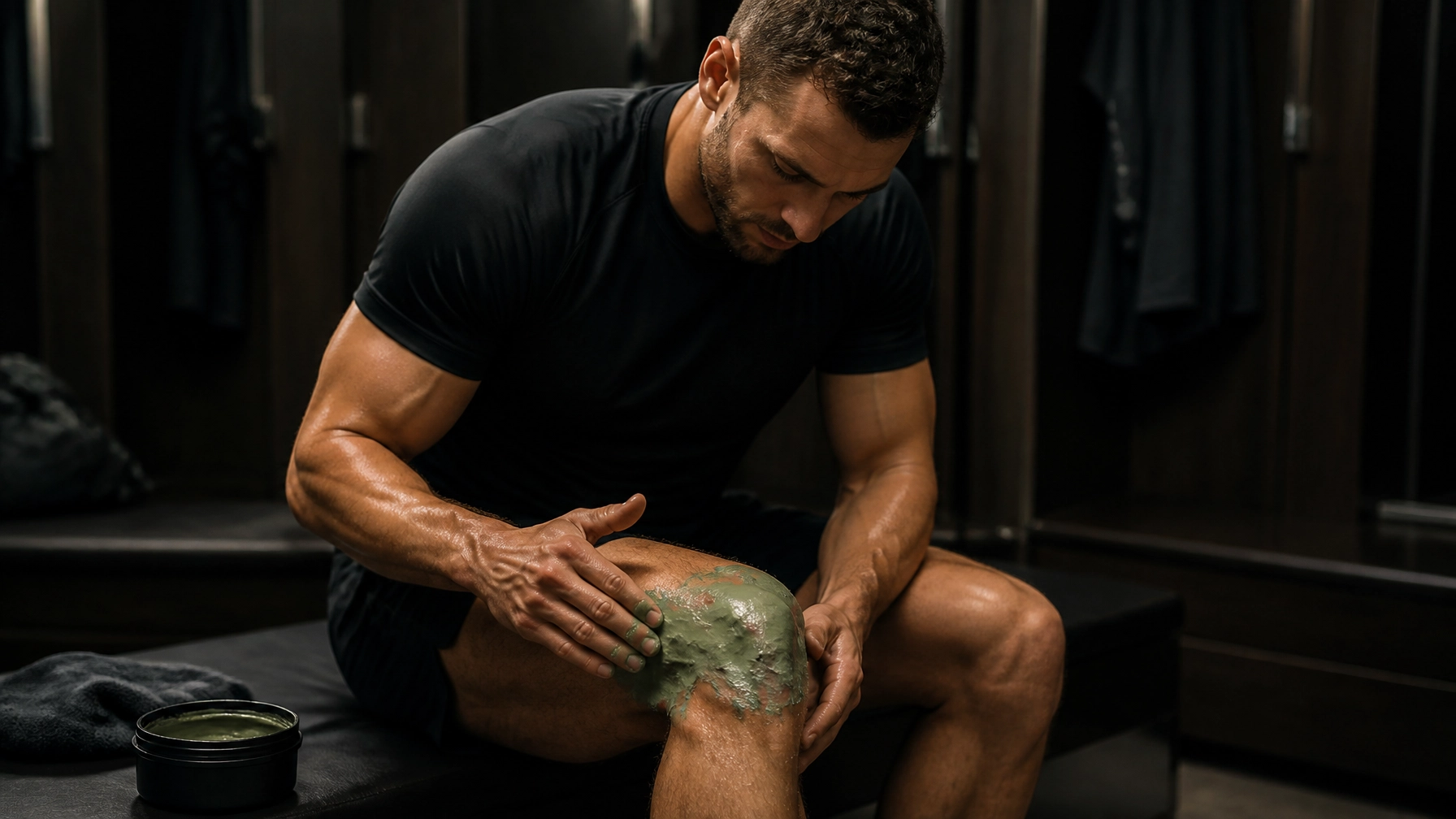
Healing clay has been used for thousands of years across different cultures for its remarkable therapeutic properties. From ancient Egypt to modern spas, people have turned to this natural substance for skin care, detoxification, and healing. But what exactly makes healing clay so special? Let's dive into three fascinating facts that reveal why this earthy material continues to captivate wellness enthusiasts and skincare experts worldwide.
Fact 1: Healing Clay is Born from Ancient Volcanic Activity
One of the most incredible aspects of healing clay is its origin story. This powerful substance is formed from volcanic ash that has aged and weathered over millions of years. When volcanic eruptions occurred in prehistoric times, the ash settled and underwent a slow transformation process called weathering, which created the mineral-rich clay we use today.
The most common type of healing clay, bentonite clay, gets its name from Fort Benton, Wyoming, where large deposits were first discovered. This particular clay contains an impressive array of minerals including magnesium, calcium, silica, iron, copper, and zinc. These minerals aren't just random components - they're the key to healing clay's therapeutic properties.

The volcanic origin explains why healing clay is so mineral-dense compared to regular clay or mud. During the volcanic process, intense heat and pressure concentrated these beneficial minerals into a form that's easily absorbed by our skin and body. This is why authentic healing clay sources are so important - not all clay is created equal.
Different regions around the world have their own unique deposits of healing clay, each with slightly different mineral compositions based on the volcanic activity that created them. French green clay, for example, comes from specific quarries in France and has a distinct green color due to its iron oxide and decomposed plant matter content.
For those interested in exploring high-quality healing clay options, resources like Clayer World offer detailed information about different clay types and their origins. Understanding where your healing clay comes from can help you make better choices for your specific needs.
Fact 2: Healing Clay Works Through Electrical Attraction and Absorption
The second remarkable fact about healing clay involves how it actually works on a molecular level. When healing clay comes into contact with water, it develops a negative electrical charge. This might sound like science fiction, but it's actually a well-documented phenomenon that explains much of clay's effectiveness.
This negative charge acts like a magnet for positively charged particles, which include many toxins, bacteria, and impurities that we want to remove from our skin and body. Heavy metals, for instance, typically carry positive charges, making them naturally attracted to the negatively charged clay particles.

But the magic doesn't stop there. Healing clay also works through absorption - essentially acting like a microscopic sponge. The clay's unique structure contains tiny spaces between its particles that can trap and hold onto oils, dirt, and other unwanted substances. When you apply a clay mask to your face, you're literally pulling impurities out of your pores.
This dual-action process - electrical attraction plus absorption - is what makes healing clay so effective for skincare. It's not just sitting on the surface; it's actively drawing out impurities while simultaneously absorbing excess oils and sebum that can clog pores.
The absorption capacity of different healing clays varies significantly. Bentonite clay, for example, can absorb many times its own weight in water and oils. This is why bentonite clay masks feel so tight as they dry - they're literally shrinking as they pull moisture and oils from your skin.
For those looking to experience premium healing clay products, companies like Aztec Secret have built their reputation on providing high-quality bentonite clay that maximizes these absorption and attraction properties.
Fact 3: Healing Clay Has Scientifically Proven Antibacterial and Anti-Inflammatory Properties
The third fascinating fact about healing clay is that its benefits aren't just based on traditional use - modern science has validated many of the claims about its therapeutic properties. Research has shown that certain healing clays possess natural antibacterial properties that can fight harmful bacteria including E. coli and Staphylococcus aureus (staph bacteria).
A landmark study published in the journal PLOS One found that some clay minerals can kill antibiotic-resistant bacteria, opening up potential new avenues for medical treatment. The antibacterial action appears to work through multiple mechanisms - the clay can physically trap bacteria, disrupt bacterial cell walls, and create an environment that's hostile to bacterial growth.
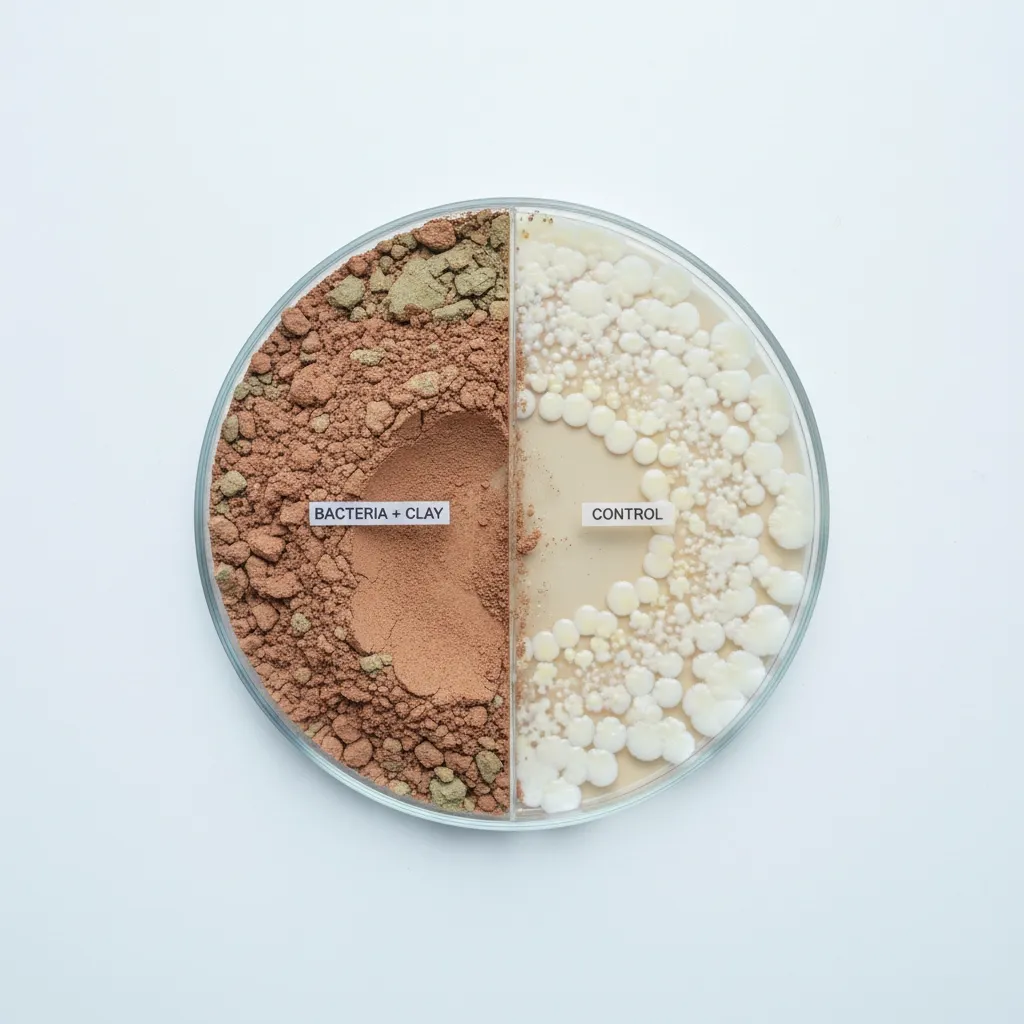
The anti-inflammatory properties of healing clay are equally impressive. When applied topically, healing clay can help reduce redness, swelling, and irritation. This makes it particularly effective for treating acne, eczema, dermatitis, and other inflammatory skin conditions.
Recent studies have also shown that healing clay can help improve skin hydration and texture over time. A 2023 study published in Skin Research & Technology confirmed that regular use of clay masks helped manage acne while improving overall skin health. Participants in the study showed reduced oil production, fewer breakouts, and improved skin texture after using clay treatments consistently.
The anti-inflammatory effects aren't limited to topical use. Some people use healing clay internally (though this should only be done under professional guidance) to help with digestive inflammation and detoxification. The clay can bind to toxins in the digestive system and help remove them from the body.
When it comes to finding the highest quality healing clay products, Clayer stands out as having some of the best healing clay available on the market. Their products undergo rigorous testing to ensure purity and potency, making them a trusted choice for both skincare enthusiasts and health practitioners.
Choosing the Right Healing Clay for Your Needs
With so many different types of healing clay available, it's important to understand which type might work best for your specific needs. Bentonite clay is excellent for oily and acne-prone skin due to its powerful absorption properties. French green clay offers a gentler option that's suitable for sensitive skin while still providing detoxification benefits.
Kaolin clay is the mildest option and works well for dry or mature skin, while illite clay falls somewhere in the middle, offering moderate absorption without being too drying. Each type has its own unique mineral profile and properties, so experimentation may be needed to find your perfect match.
For comprehensive information about different clay types and their applications, French Healing Clay provides excellent resources for both beginners and experienced users. Similarly, Healing Clay Mask offers detailed guides on how to use different clays safely and effectively.
Safety and Usage Tips
While healing clay is generally safe for most people, there are some important considerations to keep in mind. Always do a patch test before applying clay to large areas of your skin, especially if you have sensitive skin or allergies. Some people may experience initial drying or mild irritation as their skin adjusts to clay treatments.
It's also crucial to use non-metal bowls and utensils when preparing clay masks, as metal can interfere with the clay's electrical properties. Stick to glass, ceramic, or wooden tools for mixing and application.
For those new to healing clay, start with shorter application times (5-10 minutes) and gradually work up to longer treatments as your skin becomes accustomed to the clay. Remember that healing clay works best as part of a consistent skincare routine rather than as a one-time treatment.
Conclusion
These three facts about healing clay - its volcanic origins, unique working mechanism, and scientifically proven benefits - help explain why this ancient remedy continues to be relevant in our modern world. Whether you're looking to improve your skin, support your body's natural detoxification processes, or simply explore natural wellness options, healing clay offers a time-tested solution backed by both traditional wisdom and modern science.