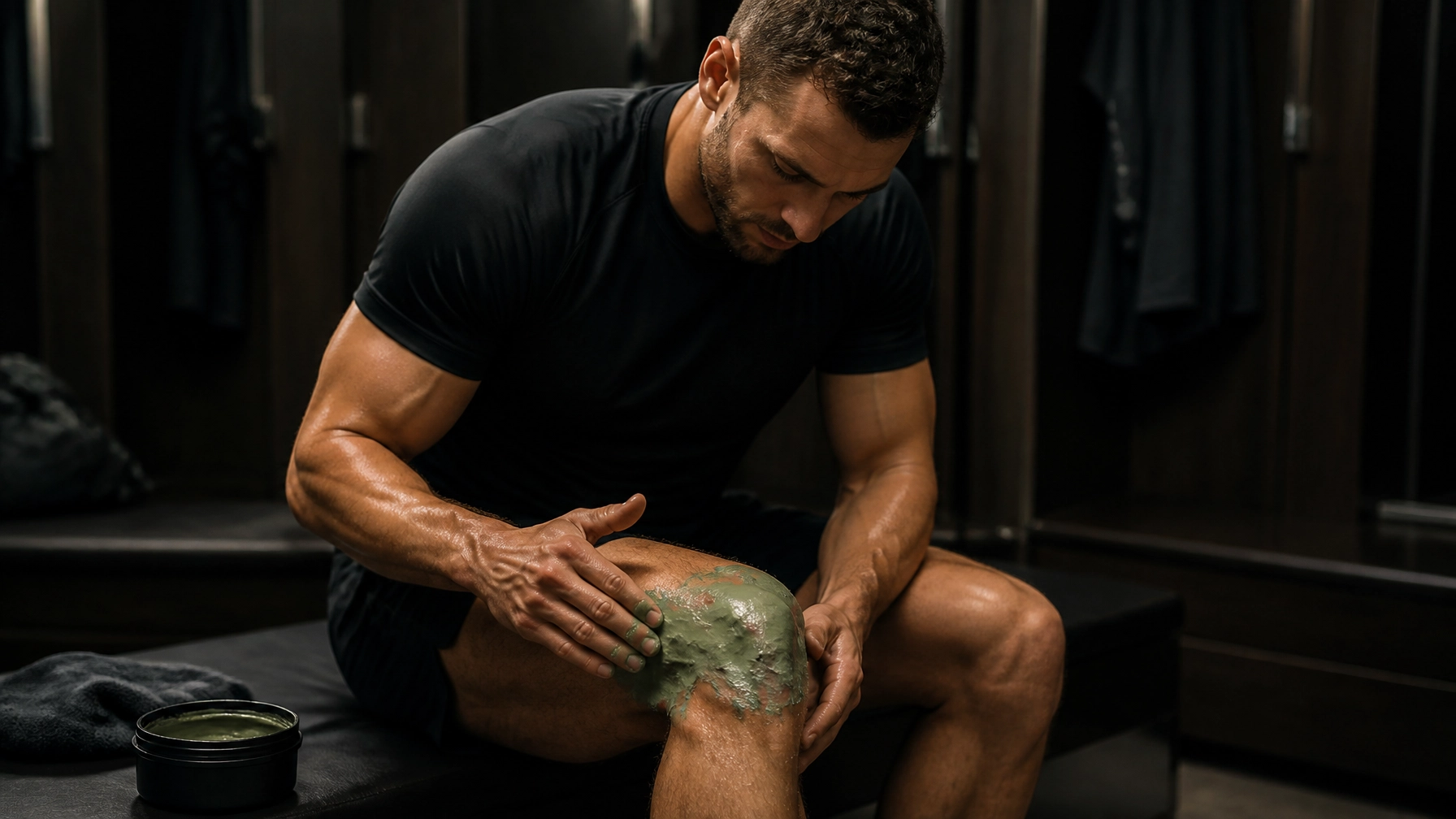
Bentonite clay has become a buzzword in the wellness world, and for good reason. This natural substance packs a powerful punch when it comes to health and beauty applications. But what exactly is bentonite clay, and why should you care about it? Let's dive into five fascinating facts about this remarkable clay that might just change how you think about natural healing.
Fact #1: Bentonite Clay Comes From Ancient Volcanic Ash
Here's something that might blow your mind: bentonite clay is basically ancient volcanic ash that's been sitting around for millions of years. When volcanoes erupted way back in the day, they scattered ash across the landscape. Over time, this ash weathered and aged, transforming into the bentonite clay we know today.
The name "bentonite" comes from Fort Benton, Wyoming, where the world's largest supply of this clay is found. But here's where it gets interesting - bentonite clay is also called Montmorillonite clay, named after the region of Montmorillon in France where it was first discovered by scientists.
This volcanic origin is crucial because it explains why bentonite clay is so mineral-rich. During those ancient volcanic eruptions, the ash captured a cocktail of essential minerals including calcium, magnesium, silica, sodium, copper, iron, and potassium. These minerals are what give bentonite clay its unique properties and therapeutic benefits.

Fact #2: It Works Like a Magnet for Toxins
This is where bentonite clay gets really cool from a scientific standpoint. The clay has negatively charged molecules, which means it naturally attracts and binds with positively charged substances. Most toxins, heavy metals, and harmful chemicals in our bodies carry a positive charge, making them perfect targets for bentonite clay.
Think of it like this: bentonite clay acts as both a magnet and a sponge. It pulls in the bad stuff and holds onto it tight, so your body can eliminate it more easily. This process is called adsorption (not absorption - there's a difference). While absorption is like a sponge soaking up water, adsorption is more like sticky notes - the toxins stick to the surface of the clay particles.
This mechanism is why bentonite clay is often used in detox protocols. When you take it internally or apply it topically, it's essentially giving your body a helping hand in getting rid of unwanted substances. The clay grabs onto everything from environmental pollutants to metabolic waste products.
Fact #3: Bentonite Clay is Nature's Antibiotic
Long before we had modern antibiotics, people were using bentonite clay to fight infections and reduce inflammation. This clay naturally possesses antibacterial and anti-inflammatory properties, making it a powerful ally for your health.
The antibacterial action comes from several mechanisms. First, the clay's ability to bind with harmful bacteria helps remove them from the body. Second, the high mineral content, particularly the trace amounts of copper and zinc, contributes to its antimicrobial effects. These minerals are known for their ability to disrupt bacterial cell walls and interfere with bacterial reproduction.
The anti-inflammatory properties are equally impressive. When applied to the skin, bentonite clay can help reduce redness, swelling, and irritation. This makes it particularly useful for conditions like acne, eczema, and other inflammatory skin problems.

What's really interesting is that unlike synthetic antibiotics, bentonite clay doesn't seem to contribute to antibiotic resistance. It works through physical and chemical mechanisms rather than targeting specific bacterial pathways that can adapt and become resistant over time.
Fact #4: It Has More Uses Than You'd Ever Imagine
When most people think of bentonite clay, they picture face masks. But that's just scratching the surface. This versatile clay has applications that might surprise you.
For Your Skin: Beyond basic face masks, bentonite clay is used to treat poison ivy reactions, diaper rash, eczema, and acne. It can draw out impurities from pores while providing gentle exfoliation. Many people use it as a natural deodorant base because it absorbs odors and moisture effectively.
For Digestive Health: Bentonite clay has been used to address various digestive issues including diarrhea, irritable bowel syndrome (IBS), and general digestive discomfort. Some people use it as part of detox protocols, though this should always be done under professional guidance.
In Personal Care Products: You'll find bentonite clay in natural toothpastes, hair masks, and shampoos. It helps remove buildup from hair products while adding volume and shine. In toothpaste, it helps polish teeth and absorb bacteria that cause bad breath.
For Household Uses: Bentonite clay can be used as a natural cleaning agent, particularly for removing stains and odors. Some people even use it in homemade pet shampoos or as a natural way to clarify pond water.

The key to getting the most out of bentonite clay is understanding that different applications may require different preparation methods and concentrations.
Fact #5: Ancient Cultures Were Way Ahead of Us
Here's something that might make you appreciate traditional wisdom a little more: cultures around the world have been using volcanic clays like bentonite for thousands of years. Long before we had scientific studies explaining how it works, people in the Andes, Central Africa, and Australia were applying and consuming these clays for healing purposes.
Indigenous peoples didn't just stumble upon this practice by accident. They observed animals eating clay when they were sick and noticed the beneficial effects. This led to the development of sophisticated clay-based healing traditions that were passed down through generations.
In some cultures, specific clay deposits were considered sacred and were carefully protected. Elders would teach younger generations not just how to use the clay, but how to identify the best sources and prepare it properly for different purposes.
What's fascinating is that modern research is now validating many of these traditional uses. Scientists are discovering that these ancient practices were based on solid therapeutic principles, even though the people using them didn't understand the molecular mechanisms involved.

However, it's important to note that most of the scientific research on bentonite clay has been conducted on animals rather than humans. While the traditional use provides valuable insight, more human studies are needed to fully understand all of its potential benefits and optimal usage protocols.
Understanding Quality and Safety
Not all bentonite clay is created equal. The quality can vary significantly depending on the source, processing methods, and purity levels. When choosing bentonite clay, look for products that specify they're food-grade or cosmetic-grade, depending on your intended use.
It's also crucial to source your clay from reputable suppliers who test for contaminants. Since clay can absorb substances from its environment, there's always a risk of contamination with heavy metals or other harmful substances if it's not properly sourced and tested.
If you're considering using bentonite clay internally, it's wise to consult with a healthcare professional first, especially if you have any existing health conditions or are taking medications.

The Bottom Line
Bentonite clay represents a fascinating intersection of ancient wisdom and modern science. From its volcanic origins to its unique molecular structure, this natural substance offers a range of benefits that continue to intrigue researchers and wellness enthusiasts alike.
Whether you're looking to enhance your skincare routine, support your body's natural detox processes, or simply explore natural alternatives to conventional products, bentonite clay deserves serious consideration. Just remember that like any wellness tool, it's most effective when used properly and as part of a balanced, healthy lifestyle.
The five facts we've explored here barely scratch the surface of what makes bentonite clay so remarkable. As research continues and our understanding deepens, we may discover even more applications for this ancient healing ally.
For those interested in exploring high-quality clay products, consider checking out reputable sources that prioritize purity and testing. The Green Clay Blogger offers additional resources and information about various types of healing clays and their applications.