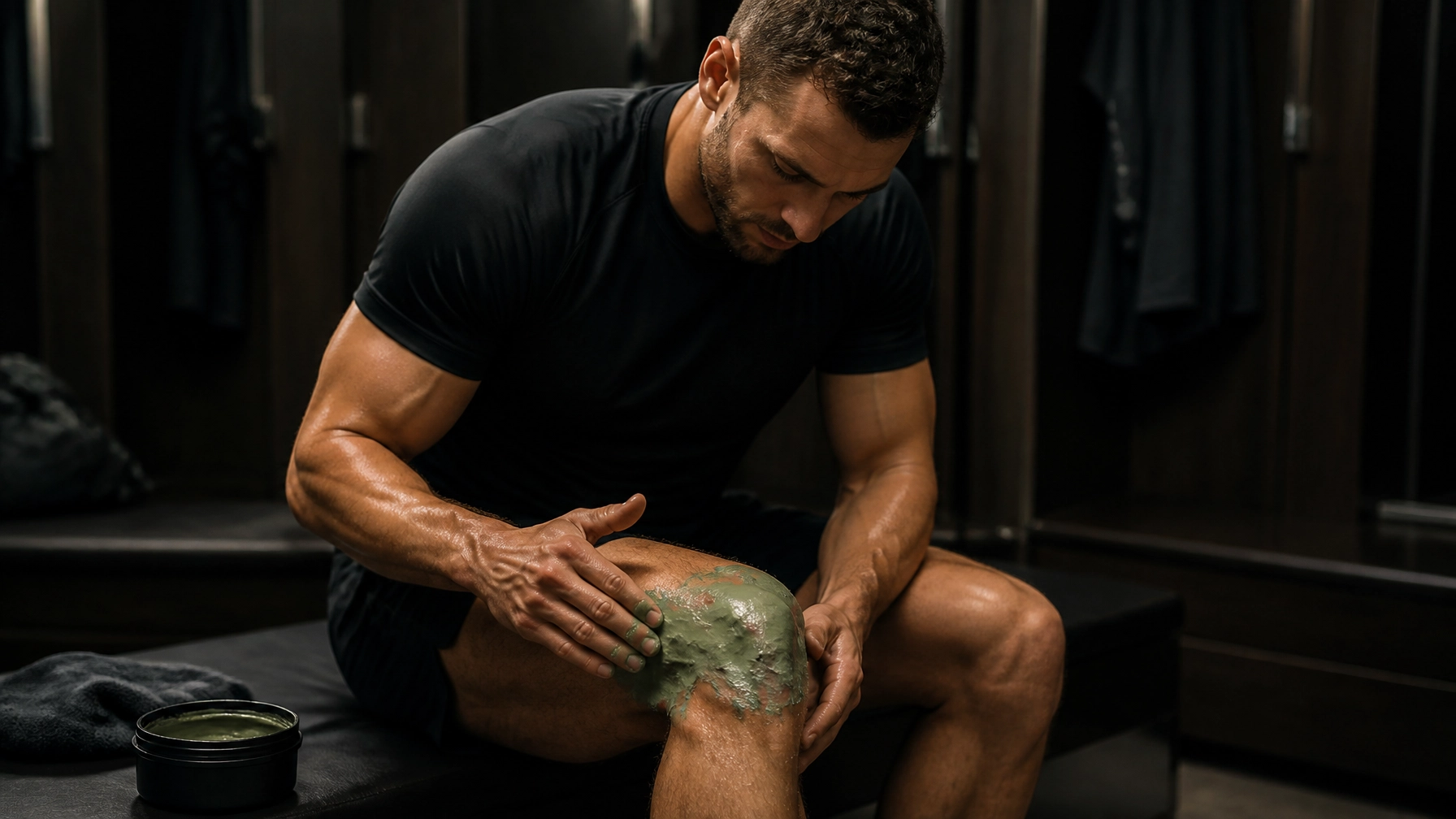
Healing clay has captured the attention of wellness enthusiasts and skincare experts worldwide, but what makes this natural substance so special? From ancient civilizations to modern spas, healing clay continues to prove its worth as a powerful therapeutic tool. Whether you're dealing with skin issues, looking for natural detoxification methods, or simply curious about this earth-based remedy, understanding the science behind healing clay can help you make informed decisions about incorporating it into your routine.
Let's dive into five fascinating facts about healing clay that reveal why this humble earth material has maintained its reputation as nature's purifier for thousands of years.
Fact 1: Healing Clay Forms from Volcanic Ash and Contains Essential Minerals
The journey of healing clay begins millions of years ago with volcanic eruptions. When volcanic ash settles and weathers over time, it transforms into various types of healing clay, including the highly prized bentonite clay and French green clay. This geological process creates a mineral-rich substance that contains an impressive array of nutrients your skin and body can benefit from.
The mineral profile of healing clay reads like a multivitamin supplement. You'll find magnesium, which supports muscle function and skin health, calcium for cellular repair, and silica for strengthening connective tissues. Iron provides that characteristic color in many clays while supporting oxygen transport in cells. Copper acts as an antioxidant, and zinc promotes wound healing and skin regeneration.
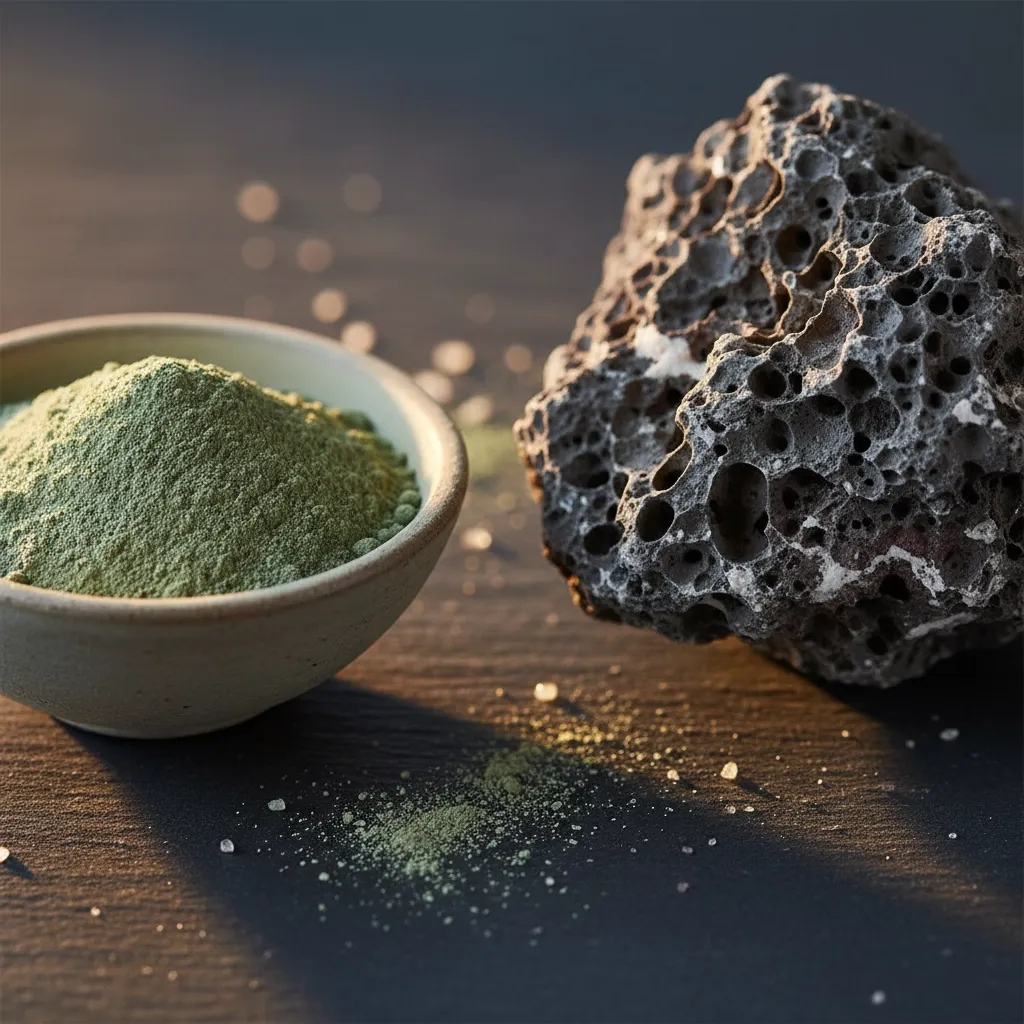
What makes these minerals particularly valuable is their bioavailable form. Unlike synthetic supplements, the minerals in healing clay exist in their natural state, making them easier for your body to recognize and utilize. French green clay, specifically sourced from quarries in France, is particularly renowned for its high mineral content and purity levels.
The volcanic origin also explains why different regions produce clays with varying properties. Mediterranean volcanic activity created the famous French green clay, while Wyoming's bentonite deposits formed from ancient volcanic ash in the American West. Each location's unique geological conditions contribute to the clay's specific mineral composition and therapeutic properties.
Fact 2: The Negative Electrical Charge Creates a Natural Detox Effect
One of healing clay's most remarkable properties lies in its electrical charge. When healing clay comes into contact with water, it develops a strong negative electrical charge. This isn't just a scientific curiosity: it's the key to understanding how healing clay works as nature's magnet for toxins and impurities.
Most toxins, heavy metals, and harmful substances carry a positive electrical charge. When negatively charged healing clay encounters these positively charged particles, they bind together through ionic attraction. Think of it as nature's version of opposites attracting. This electrical binding process allows healing clay to literally pull toxins from your skin, digestive system, or wherever it's applied.
Heavy metals like lead, mercury, and cadmium are particularly drawn to healing clay's negative charge. This makes healing clay valuable for people concerned about environmental toxin exposure from air pollution, contaminated water, or processed foods. The clay acts like a molecular vacuum cleaner, collecting these harmful substances so your body can eliminate them more effectively.

This electrical property also explains why healing clay becomes more effective when properly hydrated. The water activates the clay's ionic properties, creating the optimal conditions for toxin binding. That's why you'll often see recommendations to mix healing clay with distilled water rather than tap water: minerals in tap water can interfere with the clay's electrical charge.
The binding process is irreversible, meaning once toxins attach to the clay particles, they remain bound until eliminated from your body. This gives healing clay a significant advantage over other detox methods that might mobilize toxins without effectively removing them.
Fact 3: Antibacterial and Anti-inflammatory Properties Fight Multiple Skin Issues
Healing clay's therapeutic benefits extend far beyond simple cleansing. Scientific research has confirmed that quality healing clay possesses genuine antibacterial and anti-inflammatory properties, making it effective against various skin conditions and infections.
The antibacterial action works on multiple levels. First, healing clay's ability to absorb excess moisture creates an environment where harmful bacteria struggle to thrive. Many skin infections, including staph and E. coli-related issues, require specific moisture levels to multiply. By regulating moisture content, healing clay naturally inhibits bacterial growth.
Additionally, healing clay contains naturally occurring compounds that directly combat bacterial activity. Studies have shown that certain clay minerals can disrupt bacterial cell walls and interfere with bacterial reproduction. This makes healing clay particularly useful for treating acne, where Propionibacterium acnes bacteria contribute to inflammation and breakouts.

The anti-inflammatory properties come from healing clay's mineral content and its ability to reduce cellular stress. When applied to inflamed skin, healing clay helps regulate immune responses and reduces the cascade of inflammatory reactions that cause redness, swelling, and pain.
Healthcare providers in France have long recognized these properties, incorporating healing clay into treatment protocols for various skin conditions. French hospitals and clinics routinely use healing clay poultices for wound care, skin infections, and inflammatory conditions. This institutional acceptance speaks to healing clay's proven track record in clinical settings.
For everyday users, these properties translate into effective treatment for acne, eczema flare-ups, minor cuts and scrapes, insect bites, and even conditions like poison ivy reactions. The clay's gentle yet effective action makes it suitable for sensitive skin that might react poorly to harsh chemical treatments.
Fact 4: Acts as a Powerful Skin Purifier and Pore Cleanser
When it comes to skincare, healing clay functions like a high-tech vacuum system for your pores. This purifying action goes far beyond what traditional cleansers can achieve, reaching deep into pore structures to remove embedded impurities that contribute to skin problems.
The process begins when you apply healing clay mask to your skin. As the clay dries, it creates a gentle pulling effect that draws out sebum (natural skin oil), dirt particles, dead skin cells, and bacteria from deep within your pores. This mechanical action, combined with the clay's absorptive properties, provides thorough pore cleansing that leaves skin genuinely clean.
For people with oily skin, healing clay offers particular benefits. Excess sebum production can lead to clogged pores, blackheads, and acne breakouts. Healing clay helps regulate oil production by removing excess sebum while allowing your skin to maintain its natural protective barrier. This balancing effect means your skin gets cleaner without becoming overly dry or irritated.
The purifying action also extends to environmental pollutants that accumulate on skin throughout the day. Urban dwellers especially benefit from healing clay's ability to remove smog particles, dust, and other airborne contaminants that can clog pores and contribute to premature aging.

Regular use of healing clay masks can improve skin texture and appearance over time. By keeping pores clean and reducing bacterial buildup, healing clay helps prevent the formation of new blemishes while allowing existing skin damage to heal more effectively. Many users report smoother, more refined skin texture after incorporating healing clay into their weekly skincare routine.
The gentle nature of this purifying action makes healing clay suitable for most skin types. Unlike harsh chemical exfoliants that can cause irritation or over-drying, healing clay works with your skin's natural processes to achieve deep cleansing without disruption.
Fact 5: Thousands of Years of Cross-Cultural Use Proves Effectiveness
The history of healing clay spans virtually every continent and culture, providing compelling evidence for its effectiveness. This isn't a modern wellness trend: it's an ancient practice that has stood the test of time across diverse civilizations and medical traditions.
Archaeological evidence shows that ancient Egyptians used healing clay for both cosmetic and therapeutic purposes. Cleopatra herself was known to use clay masks as part of her beauty regimen, and Egyptian medical papyri describe clay treatments for various ailments. The preservation of Egyptian mummies also relied partly on clay's antibacterial properties.
Native American tribes across North America have used healing clay for centuries, calling it "ee-wah-kee" or "the clay that heals." Different tribes developed specific preparation methods and applications, passing down knowledge through generations about which clays worked best for different conditions.

In Europe, healing clay traditions are particularly strong in France, where "argile verte" (green clay) has been used medicinally since Roman times. French pharmacies still sell healing clay as a standard remedy, and many French households keep clay on hand for treating minor injuries and skin problems. This institutional acceptance in France's sophisticated healthcare system speaks to healing clay's proven track record.
Traditional Chinese Medicine and Ayurvedic practices also incorporate various clay preparations, often combining clay with other natural ingredients to create targeted treatments. These medical traditions, which emphasize natural healing and prevention, have relied on healing clay for thousands of years.
The consistency of healing clay use across such diverse cultures and time periods suggests something beyond placebo effect or cultural superstition. When independent civilizations all discover and continue using the same natural remedy, it indicates genuine therapeutic value that transcends cultural boundaries.
Modern scientific research has begun validating many traditional uses of healing clay, confirming what ancient practitioners knew intuitively. This convergence of historical wisdom and contemporary science strengthens the case for healing clay as a legitimate therapeutic tool.
Understanding Quality and Safety
While healing clay offers numerous benefits, quality matters significantly. Not all clays are created equal, and sourcing plays a crucial role in both effectiveness and safety. High-quality healing clay should come from reputable sources that test for purity and contaminants.
The best healing clays undergo regular testing for heavy metals, bacteria, and other potentially harmful substances. Reputable suppliers provide certificates of analysis showing their products meet safety standards for cosmetic and therapeutic use.
When choosing healing clay, consider factors like mineral content, particle size, and processing methods. Clay that has been overly processed or heated may lose some of its beneficial properties. Look for suppliers who use gentle extraction and processing methods to preserve the clay's natural characteristics.
Understanding these five facts about healing clay helps explain why this natural substance continues to gain popularity in our modern world. From its volcanic origins and unique electrical properties to its proven antibacterial effects and cross-cultural history, healing clay offers a compelling combination of science and tradition that supports its use in contemporary wellness practices.