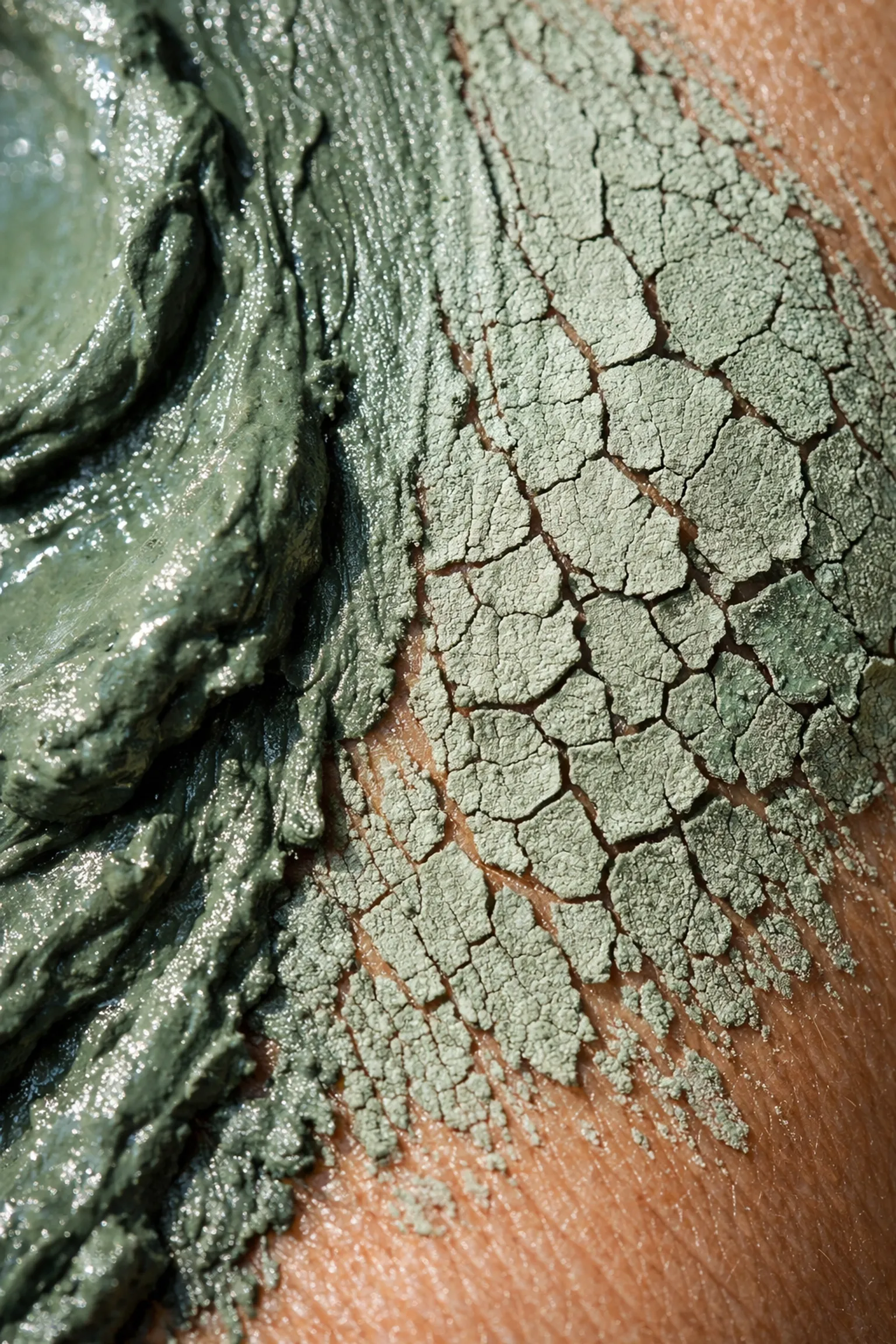
When it comes to post-surgical recovery, patients are always looking for effective ways to reduce inflammation, manage pain, and speed up the healing process. While ice therapy has long been the go-to recommendation, there's growing interest in alternative approaches that may offer superior benefits. Among these alternatives, healing clay has emerged as a fascinating option with a rich history in therapeutic applications.
The Science Behind Healing Clay's Therapeutic Properties
Healing clay, particularly French green clay and bentonite clay, contains unique mineral compositions that contribute to their therapeutic effects. These clays are rich in minerals like silica, aluminum, iron, and magnesium, which work together to create powerful anti-inflammatory and detoxifying properties.
The mechanism of action involves several key processes. First, the clay's negative ionic charge helps draw out toxins and excess fluids from tissues, reducing swelling and inflammation. Second, the mineral content provides essential nutrients that support cellular repair and regeneration. Third, the clay's natural cooling effect can provide pain relief comparable to traditional ice therapy, but with additional healing benefits.
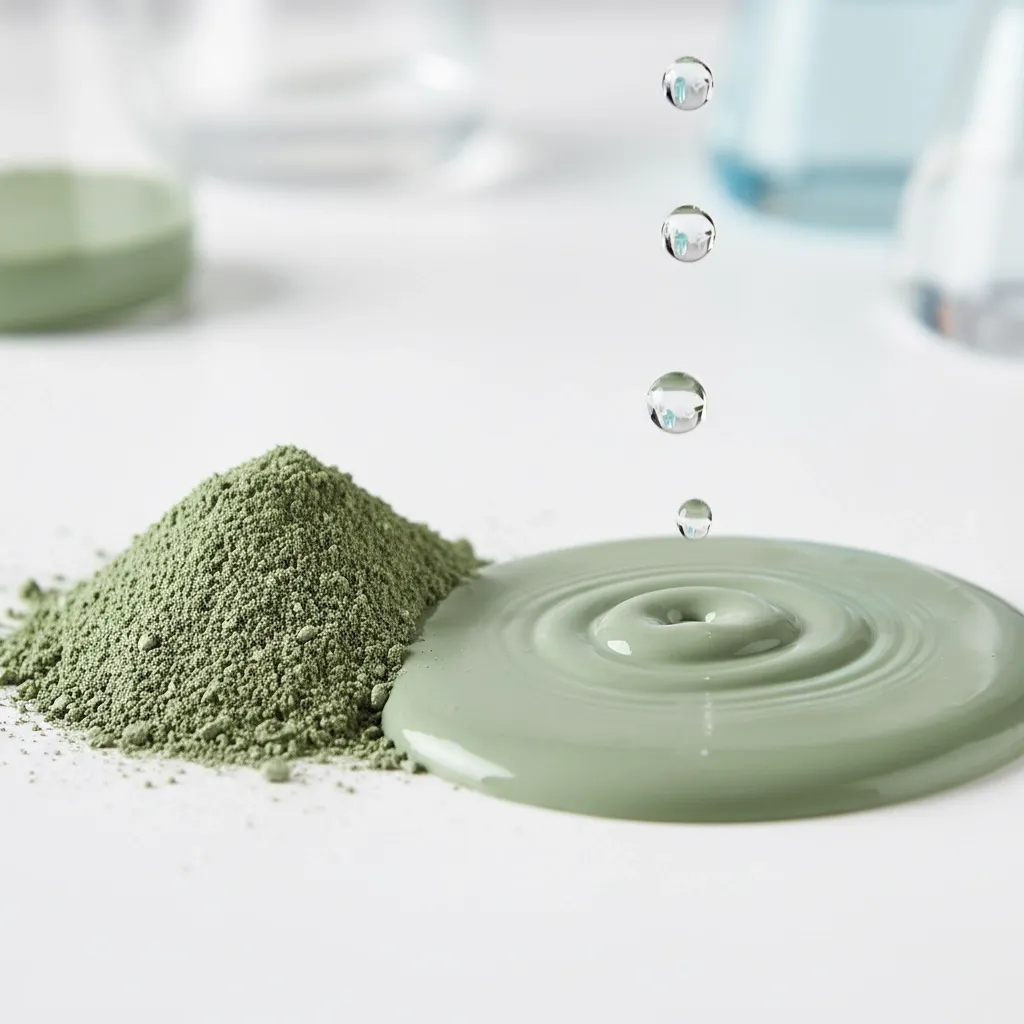
Research has shown that certain clays demonstrate remarkable antibacterial properties while promoting fibroblast regeneration and improved circulation. These characteristics make clay therapy particularly interesting for post-surgical applications where infection prevention and tissue repair are paramount concerns.
Understanding the Limitations of Traditional Ice Therapy
While ice therapy remains a standard recommendation for post-surgical care, it comes with certain limitations that patients and healthcare providers should consider. Ice primarily works by constricting blood vessels and numbing the area, which can reduce pain and swelling in the short term.
However, prolonged ice application can actually slow down the healing process by restricting blood flow to the affected area. Tissues need adequate circulation to receive oxygen and nutrients essential for repair. Additionally, ice therapy provides only temporary relief and must be applied repeatedly throughout the day to maintain its effects.
The traditional approach of applying ice for 15-20 minutes every few hours can be inconvenient for patients recovering from joint surgery, especially when mobility is already limited. This is where alternative approaches like healing clay therapy may offer practical advantages.
Clay Therapy Applications in Wound Care and Recovery
The documented uses of healing clay in medical settings provide valuable insights into its potential applications for post-surgical care. French green clay, in particular, has been extensively studied for its effectiveness in treating various skin conditions and promoting wound healing.
Clinical studies have demonstrated that French green clay can effectively treat serious skin infections through rapid debridement of damaged tissue while promoting healing with minimal scarring. The clay's ability to draw out impurities and maintain a clean wound environment makes it particularly valuable in medical applications.
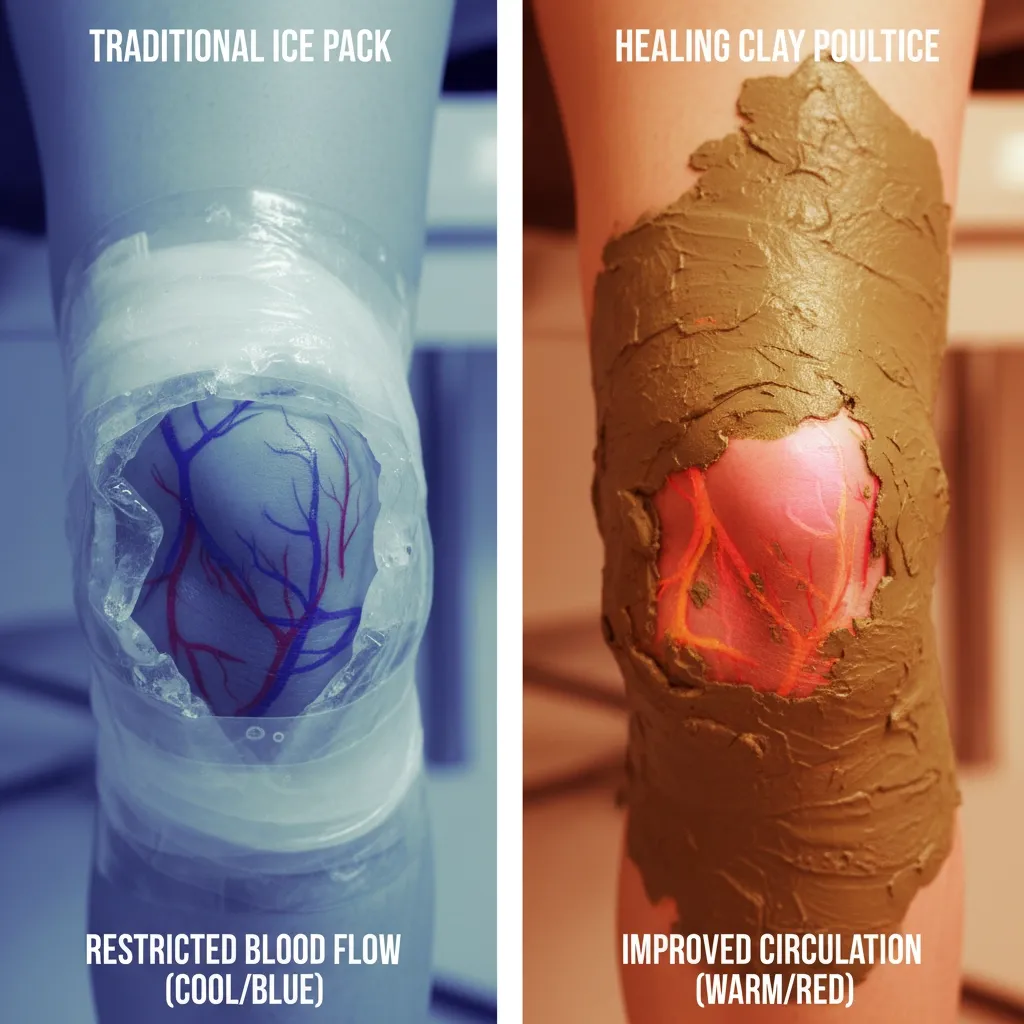
For post-surgical joint recovery, clay therapy offers several potential advantages. The clay can be applied as a paste or poultice directly to the surgical site (following proper medical guidance), where it works continuously to reduce inflammation and support tissue repair. Unlike ice, clay therapy doesn't restrict blood flow, allowing for optimal nutrient delivery to healing tissues.
Modern Approaches to Joint Surgery Recovery
Contemporary orthopedic care has evolved significantly, with leading medical centers now employing advanced regenerative techniques alongside traditional recovery methods. These approaches focus on harnessing the body's natural healing mechanisms to accelerate recovery and improve outcomes.
Platelet-rich plasma (PRP) therapy, mesenchymal stem cell treatments, and other biological approaches represent the cutting edge of joint surgery recovery. However, these advanced treatments can be expensive and may not be accessible to all patients.
This is where natural approaches like healing clay therapy can play a complementary role. While not a replacement for proper medical care, clay therapy offers an affordable and accessible option that patients can use as part of their comprehensive recovery plan.
Choosing the Right Clay for Recovery Applications
Not all clays are created equal when it comes to therapeutic applications. The quality, purity, and mineral content of healing clay can vary significantly between sources and brands. For post-surgical applications, it's crucial to choose high-grade, pharmaceutical-quality clay that has been properly tested and purified.
Clayer represents one option that has gained attention for its consistent quality and purity standards. This French green clay is sourced from specific geological formations known for their therapeutic properties and undergoes rigorous testing to ensure safety and efficacy.
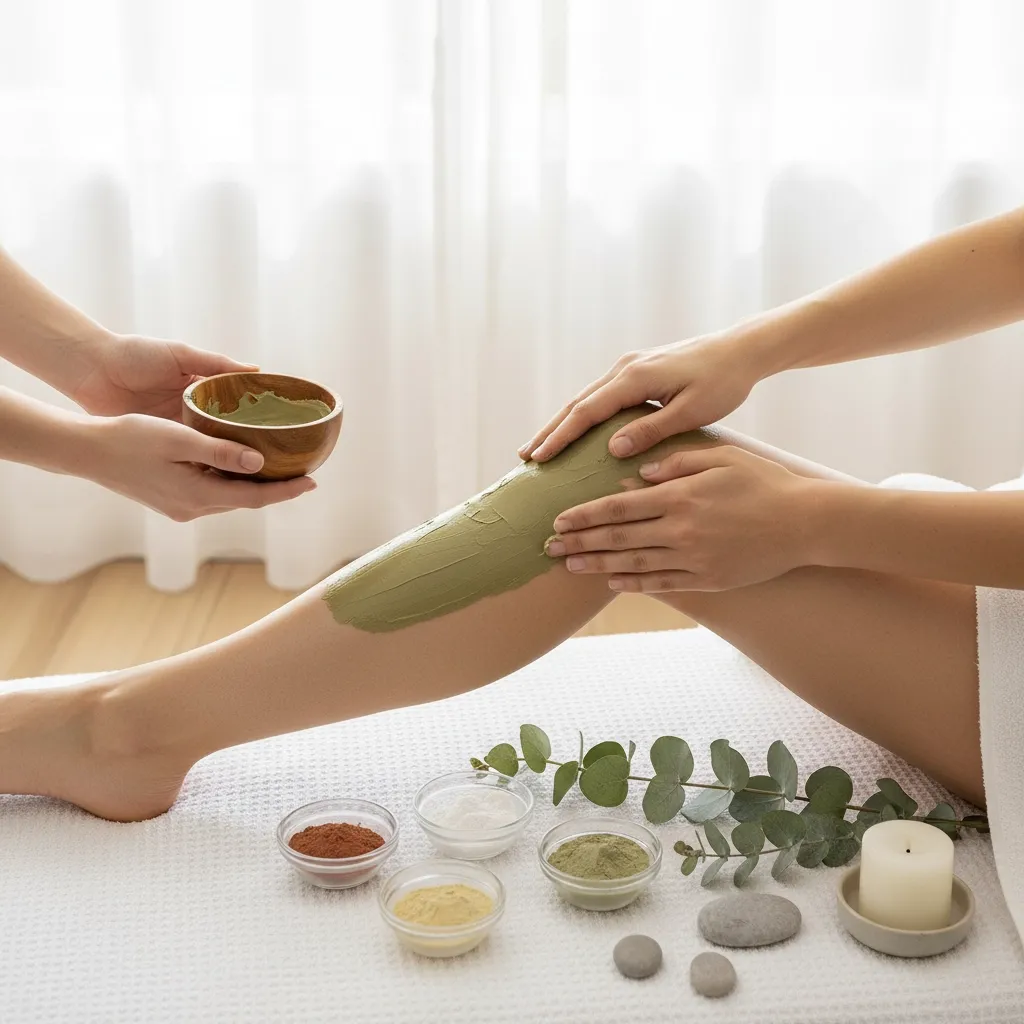
When selecting healing clay for recovery applications, look for products that provide detailed information about their mineral content, source location, and purity testing. Avoid clays that may contain heavy metals or other contaminants that could interfere with the healing process.
Proper Application Techniques for Post-Surgical Care
Using healing clay for joint surgery recovery requires proper technique to maximize benefits while ensuring safety. The clay should be mixed with clean, filtered water to create a smooth paste with the consistency of thick yogurt. The mixture should be applied to clean skin around the surgical site, avoiding direct contact with open wounds unless specifically recommended by a healthcare provider.
The clay application should be thick enough to maintain moisture but not so thick that it becomes uncomfortable. Typically, a layer about 1/4 inch thick provides optimal results. The clay should be left in place for 30-60 minutes, allowing time for the minerals to be absorbed and the anti-inflammatory effects to take hold.
After the treatment period, the clay should be gently removed with warm water and the area should be patted dry. This process can be repeated 2-3 times daily, depending on the patient's comfort level and response to treatment.
Safety Considerations and Medical Supervision
While healing clay therapy offers many potential benefits for post-surgical recovery, it's essential to approach its use with appropriate caution and medical supervision. Patients should always consult with their healthcare providers before incorporating clay therapy into their recovery routine.
Certain individuals may be allergic to specific minerals found in healing clay, so a patch test is recommended before full application. Additionally, patients with compromised immune systems or those taking certain medications may need modified protocols or may not be suitable candidates for clay therapy.

It's also important to use only high-quality, medical-grade clays from reputable sources. Poor-quality clays may contain contaminants that could interfere with healing or cause adverse reactions.
Integration with Comprehensive Recovery Plans
Healing clay therapy works best when integrated into a comprehensive post-surgical recovery plan that includes proper nutrition, adequate rest, gentle exercise as appropriate, and regular follow-up with healthcare providers. Clay therapy should complement, not replace, other evidence-based recovery strategies.
Patients may find that alternating between clay therapy and other modalities provides optimal results. For example, clay applications might be used during the day for their longer-lasting effects, while other treatments might be employed at night or during specific activities.
The key is to work with healthcare providers to develop an individualized approach that takes into account the specific type of surgery, the patient's overall health status, and their response to different treatment modalities.
Looking Forward: The Future of Natural Recovery Methods
As healthcare continues to evolve toward more integrative approaches, natural therapies like healing clay are likely to play an increasingly important role in post-surgical care. The combination of traditional wisdom and modern scientific understanding offers exciting possibilities for improving patient outcomes while reducing dependence on pharmaceutical interventions.
Research into the therapeutic properties of healing clay continues to expand our understanding of how these natural materials can support the body's healing processes. This ongoing investigation may lead to more refined application techniques and better integration with conventional medical care.
For patients recovering from joint surgery, healing clay therapy represents a promising option that deserves consideration as part of a comprehensive recovery strategy. With proper guidance and high-quality materials, clay therapy may offer superior benefits compared to traditional ice therapy alone.