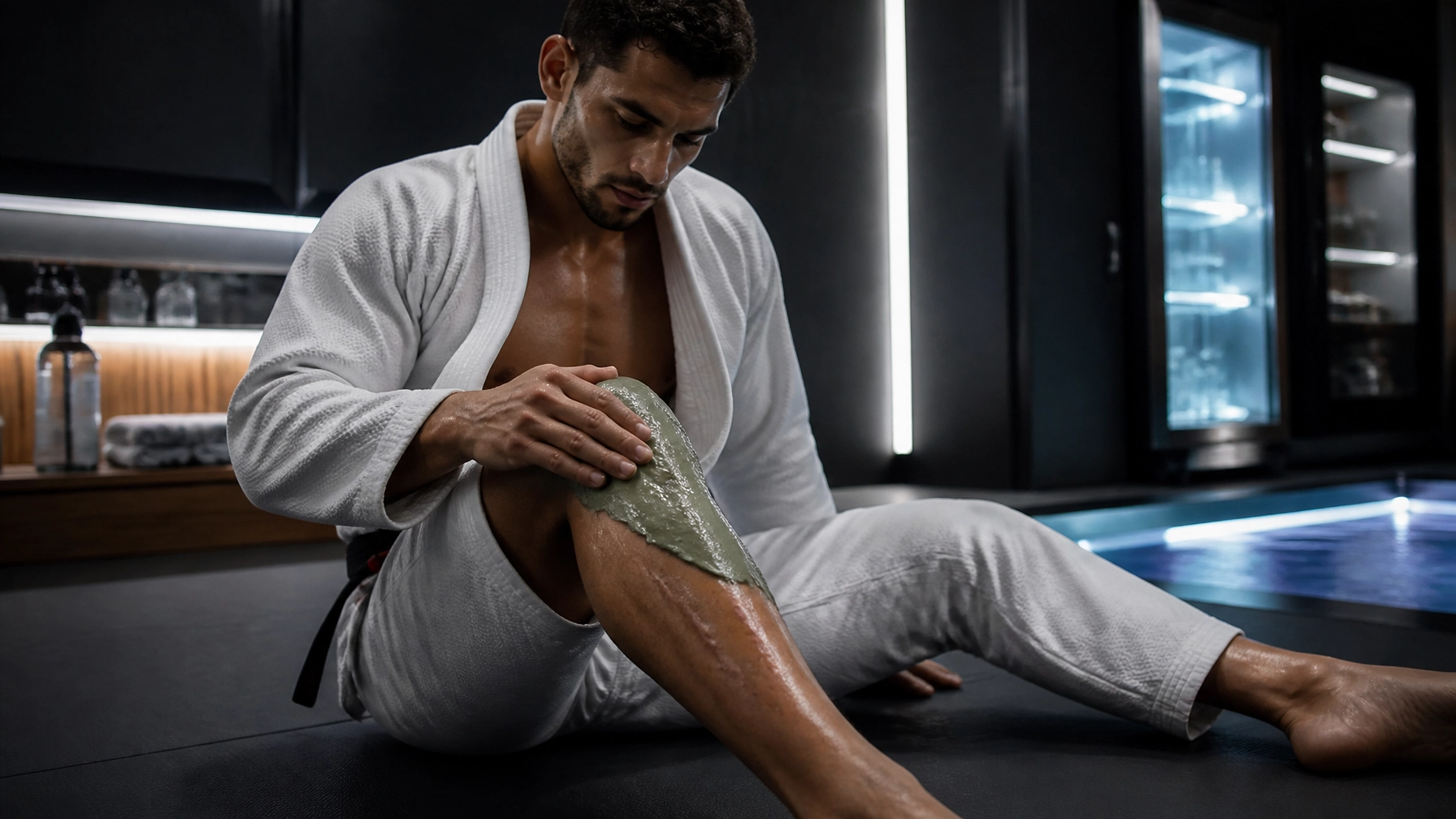
When recovering from surgery, managing pain and inflammation becomes a top priority. While ice packs have long been the standard recommendation, French medical practitioners have been pioneering a different approach for decades: using healing clay for post-surgical recovery. This natural method, sometimes referred to as the French hospital method, offers remarkable benefits that many patients find superior to traditional ice therapy.
The French Approach to Post-Surgical Healing
French hospitals and medical practitioners have incorporated healing clay into their post-operative care protocols for generations. This approach recognizes clay's unique ability to reduce inflammation, manage pain, and accelerate tissue healing without the limitations that come with prolonged ice application.
The French medical community's embrace of healing clay stems from extensive clinical observations showing that clay therapy can provide sustained pain relief while actively promoting the body's natural healing processes. Unlike ice, which primarily numbs pain temporarily, healing clay works on multiple levels to address the root causes of post-surgical discomfort.

Why Healing Clay Outperforms Ice Therapy
Traditional ice therapy, while providing immediate numbing relief, has several limitations for post-surgical recovery. Ice can restrict blood flow, potentially slowing the healing process, and its effects are temporary. Patients often find themselves in a cycle of applying ice every few hours for weeks.
Healing clay offers a more comprehensive solution. When applied as a compress, clay maintains therapeutic temperature longer than ice while delivering essential minerals directly to the affected tissues. The clay's natural properties include:
- Sustained temperature regulation that doesn't cause tissue damage from extreme cold
- Active mineral delivery that supports cellular repair
- Anti-inflammatory compounds that address swelling at its source
- Antimicrobial properties that help prevent infection
- Improved circulation rather than restricted blood flow
Understanding Clay's Healing Mechanisms
The effectiveness of healing clay for pain relief after surgery lies in its unique mineral composition and physical properties. High-quality healing clays contain essential minerals like magnesium, iron, potassium, and silica that play crucial roles in tissue repair and pain management.
When clay is applied to post-surgical areas, it creates a gentle drawing action that helps reduce swelling by pulling excess fluids from inflamed tissues. This process, combined with the clay's natural anti-inflammatory properties, provides relief that often surpasses what patients experience with ice therapy alone.
The mineral-rich composition of healing clay also supports collagen production, which is essential for proper wound healing and scar formation. This makes clay particularly valuable for surgical recovery, where tissue regeneration is paramount.

Specific Benefits for Different Surgery Types
Knee Surgery Recovery
After knee surgery, patients often struggle with persistent swelling and stiffness. The French hospital method of applying healing clay compresses to the knee area has shown remarkable results in reducing recovery time. The clay's ability to maintain therapeutic temperature while delivering anti-inflammatory minerals makes it ideal for managing the complex healing process around the knee joint.
Joint Surgery Applications
Joint surgeries present unique challenges due to the need for mobility restoration while managing inflammation. Healing clay's gentle, sustained action allows patients to maintain some movement while receiving therapeutic benefits. Unlike ice, which can cause muscle tension and stiffness, clay promotes relaxation of surrounding tissues.
General Surgical Site Treatment
For various surgical procedures, healing clay offers versatility that ice cannot match. The clay can be applied to irregular surfaces, maintains contact with the skin more effectively, and provides therapeutic benefits that extend beyond simple temperature therapy.
Proper Application Techniques
Preparing Clay Compresses
To maximize the benefits of healing clay for pain relief after surgery, proper preparation is essential:
- Mix the clay with purified water to create a smooth, spreadable paste
- Apply evenly over the surgical area, maintaining a thickness of about 1/4 inch
- Cover with cloth to prevent drying and maintain temperature
- Leave in place for 20-60 minutes depending on comfort and skin sensitivity
- Remove gently and rinse the area with warm water
Temperature Considerations
While clay can be used at room temperature, slightly warming the mixture can enhance circulation and pain relief. Never heat clay directly; instead, warm it gently in a double boiler to avoid destroying beneficial properties.

Safety Guidelines and Precautions
When using healing clay for post-surgical recovery, certain precautions ensure safe and effective treatment:
- Wait for proper healing: Only apply clay after stitches have been removed and the wound has properly closed
- Avoid metal contact: Use glass, ceramic, or wooden tools when preparing clay to maintain its mineral integrity
- Fresh applications: Never reuse clay from previous treatments
- Monitor reactions: Discontinue use if unusual fatigue, skin irritation, or other adverse reactions occur
- Consult healthcare providers: Always inform your medical team about complementary therapies you're using
Choosing Quality Healing Clay Products
Not all clays are suitable for post-surgical healing. When selecting healing clay for pain relief after surgery, consider these factors:
Purity and Source
High-quality healing clays like those found in premium products such as Clayer are sourced from pristine locations and undergo rigorous testing for contaminants. The purity of the clay directly impacts its therapeutic effectiveness and safety for post-surgical use.
Mineral Content
Look for clays with high concentrations of beneficial minerals, particularly magnesium, which plays a crucial role in pain management and tissue repair. French green clay, for example, contains exceptional levels of magnesium that contribute to its therapeutic properties.
Processing Methods
The way clay is processed affects its healing properties. Sun-dried, naturally processed clays retain more of their beneficial characteristics compared to those subjected to high-heat industrial processing.

Integration with Medical Care
The French hospital method of using healing clay doesn't replace conventional medical care but enhances it. This complementary approach works best when integrated thoughtfully with your surgeon's recovery protocol.
Many patients find that combining healing clay therapy with prescribed medications and physical therapy accelerates their recovery while reducing dependence on pain medications. The natural anti-inflammatory effects of quality healing clay can provide sustained relief that allows for better sleep, improved mobility, and overall enhanced recovery experience.
Long-term Recovery Benefits
Beyond immediate pain relief, healing clay supports long-term recovery outcomes. Regular application during the healing phase can help minimize scar formation, improve skin texture around surgical sites, and maintain better circulation in affected areas.
The French medical community's decades of experience with healing clay for pain relief after surgery has demonstrated that patients who incorporate this natural therapy often experience:
- Reduced recovery times
- Less reliance on pain medications
- Better sleep quality during healing
- Improved satisfaction with surgical outcomes
- Enhanced overall well-being during recovery
Making the Switch from Ice to Clay
For patients accustomed to ice therapy, transitioning to healing clay requires some adjustment. The benefits, however, often become apparent within the first few applications. Unlike the temporary relief provided by ice, healing clay offers cumulative benefits that build over time.
Starting with shorter applications and gradually increasing duration allows your body to adapt to this more intensive healing approach. Many patients report that once they experience the superior comfort and healing support provided by quality healing clay, returning to ice therapy feels inadequate.
The French hospital method represents decades of clinical wisdom in post-surgical care. By choosing high-quality healing clay products and following proper application techniques, patients can access this time-tested approach to managing post-surgical pain and accelerating recovery.