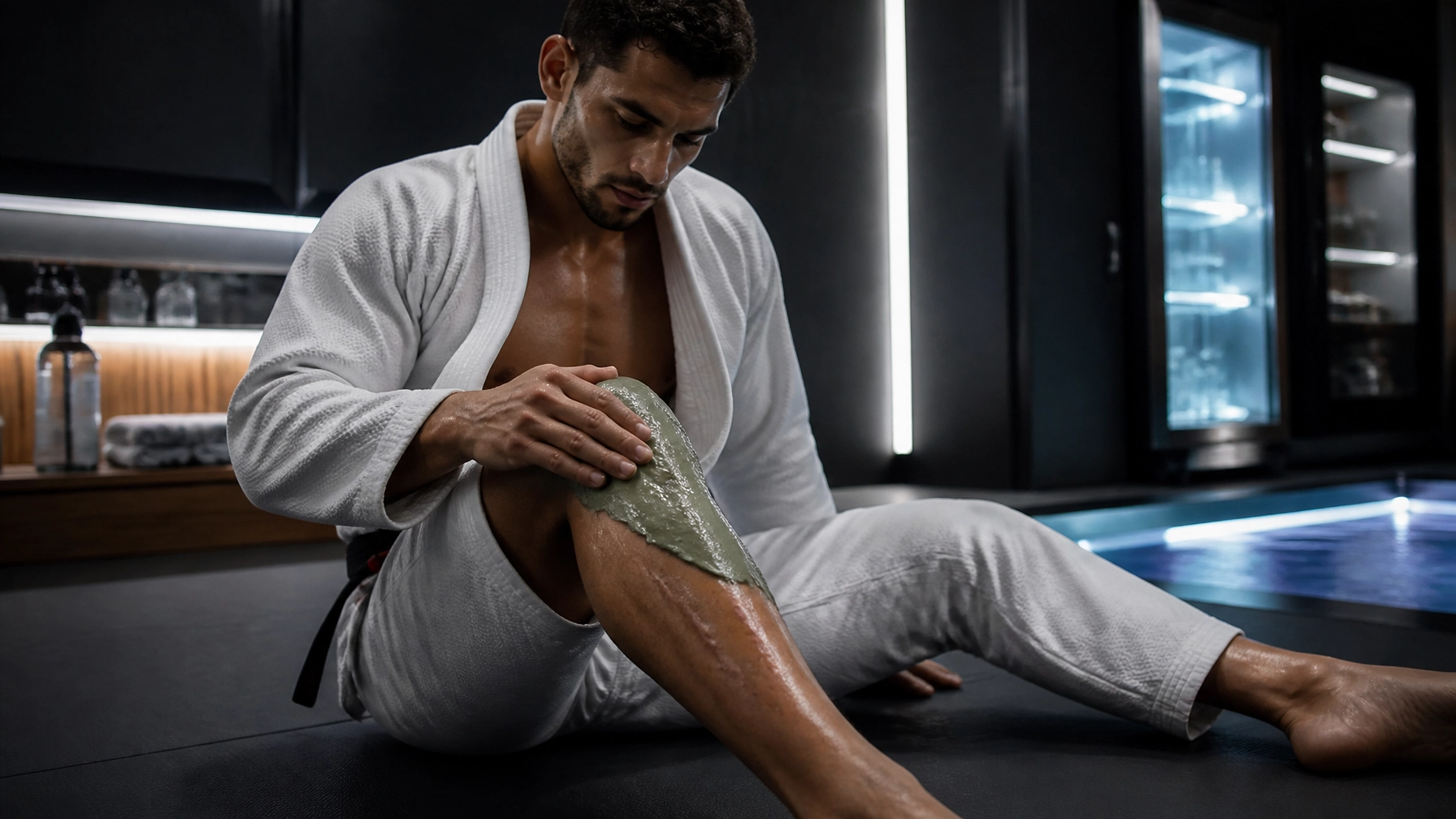
When you think about post-surgery recovery, your mind probably goes straight to ice packs, pain medications, and weeks of careful movement. But what if there was a natural approach that French hospitals have been quietly using for decades: one that could potentially speed up your healing process more effectively than traditional ice therapy?
Enter healing clay, specifically French green clay, a therapeutic powerhouse that's been revolutionizing post-surgery recovery in European medical facilities. While American hospitals stick to conventional methods, forward-thinking French medical professionals have discovered something remarkable about this ancient remedy.
Why French Hospitals Choose Clay Over Ice
The difference between healing clay and ice therapy isn't just philosophical: it's scientific. Ice works by reducing inflammation through vasoconstriction, essentially numbing the area and slowing down blood flow. While this provides temporary relief, it also slows the body's natural healing processes.
Healing clay takes a completely different approach. Instead of suppressing your body's healing response, it enhances it. French green clay works through chemical processes that actively support tissue regeneration, reduce harmful bacteria, and provide essential minerals directly to the healing site.

The Science Behind Clay's Superior Healing
French medical research has shown that healing clay operates through multiple therapeutic mechanisms simultaneously. When applied to post-surgical sites, the clay creates a chemical reaction that interrupts pathogen growth and eliminates bacteria: something ice simply can't do.
This antibacterial action is crucial for post-surgery recovery because it maintains broad coverage of the affected area for extended periods. Unlike ice, which only provides temporary relief and must be removed regularly, clay can work continuously to support your healing.
The mineral composition of quality healing clay includes calcium, magnesium, phosphorus, potassium, zinc, and iron: all essential nutrients your body needs for optimal tissue repair. These minerals are delivered directly to the surgical site, providing targeted nutrition that supports cellular regeneration.
Real-World Results: French Clinical Success Stories
French hospitals have documented remarkable results using healing clay for serious wound treatment. In cases involving severe tissue damage: conditions similar to what happens during major surgery: clay treatment produced rapid tissue removal and healthy regeneration within days of application.
Patients experienced accelerated healing with minimal scarring, and the restored tissue maintained full flexibility and function. These results consistently outperformed traditional ice therapy protocols in terms of both healing speed and final outcomes.
The clay's capacity to help the body heal tissue with minimal scarring makes it particularly valuable for post-surgical recovery where both function and appearance matter.
How Healing Clay Outperforms Ice Therapy
While ice therapy focuses solely on symptom management, healing clay addresses the root healing process. Here's the key difference:
Ice Therapy Limitations:
- Temporarily reduces inflammation but slows healing
- Must be applied intermittently to prevent tissue damage
- Provides no nutritional support to healing tissues
- Can reduce blood flow needed for recovery
- Only addresses symptoms, not healing
Healing Clay Benefits:
- Reduces inflammation while accelerating healing
- Can be applied continuously without harm
- Delivers essential minerals for tissue repair
- Improves blood flow and oxygenation
- Addresses both symptoms and root healing processes

The Clayer Advantage: Hospital-Grade Quality
Not all healing clays are created equal. French hospitals specifically choose premium-grade clays that meet strict purity and potency standards. This is where Clayer stands out from generic clay products.
Clayer uses the same high-quality French green clay that European medical facilities trust. Their processing methods preserve the clay's natural healing properties while ensuring consistent mineral content and purity levels.
What makes Clayer particularly effective for post-surgery recovery:
- Pure French Green Clay: Sourced from the same deposits used by French medical facilities
- Optimal Mineral Balance: Contains the precise mineral ratios proven most effective for healing
- Consistent Quality: Each batch meets pharmaceutical-grade standards
- Easy Application: Formulated for simple home use while maintaining professional effectiveness
Practical Application for Post-Surgery Recovery
Using healing clay for post-surgery recovery is straightforward, but technique matters. French hospitals follow specific protocols that you can adapt for home use.
Preparation Method: Mix Clayer with clean water to create a paste consistency. The ideal ratio is roughly 1 part clay to 1.5 parts water. The mixture should be smooth and spreadable without being runny.
Application Protocol: Apply the clay paste directly over the surgical area, extending slightly beyond the immediate wound site. The clay should form a thin, even layer that covers the entire healing zone.
Timing Guidelines: Keep the clay application moist and in place for 2-4 hours. Unlike ice, which requires strict timing limits, clay can safely remain in contact with skin for extended periods. Reapply as needed throughout the day.

Enhanced Recovery: Beyond Basic Healing
What sets healing clay apart from ice therapy is its ability to support multiple aspects of recovery simultaneously. While ice only addresses inflammation, clay works on several healing pathways:
Detoxification Support: Clay naturally draws toxins from the surgical site, reducing the burden on your immune system and allowing it to focus on healing.
Circulation Enhancement: Unlike ice, which restricts blood flow, clay actually improves circulation to the healing area, delivering more oxygen and nutrients to regenerating tissues.
Stress Reduction: The minerals in clay can have a calming effect on the nervous system, potentially reducing surgery-related stress and supporting better sleep: both crucial for recovery.
Safety and Considerations
French medical experience shows that quality healing clay is exceptionally safe when used properly. The key is choosing a reputable product like Clayer that meets medical-grade standards.
Always consult with your healthcare provider before incorporating any new therapy into your post-surgery recovery plan. While healing clay has an excellent safety profile, your doctor should be aware of all treatments you're using.
For most people, healing clay produces no adverse reactions and can be used alongside conventional medical treatments. The natural mineral composition makes it compatible with most post-surgery care protocols.
Making the Switch: From Ice to Clay
If you're preparing for surgery or currently recovering, consider discussing healing clay with your healthcare team. The decades of successful use in French hospitals provides strong evidence for its effectiveness.
Many patients find that switching from ice to healing clay not only improves their comfort but also accelerates their overall recovery timeline. The comprehensive approach of clay therapy: addressing inflammation, infection risk, nutrition, and circulation simultaneously: creates optimal conditions for healing.

With Clayer's hospital-grade formulation, you can access the same therapeutic benefits that French medical facilities have relied on for decades. It's time to discover why healing clay represents the future of post-surgery recovery: a future that's already been proven in hospitals across France.
Your recovery deserves more than temporary symptom relief. It deserves the comprehensive healing support that only premium healing clay can provide.