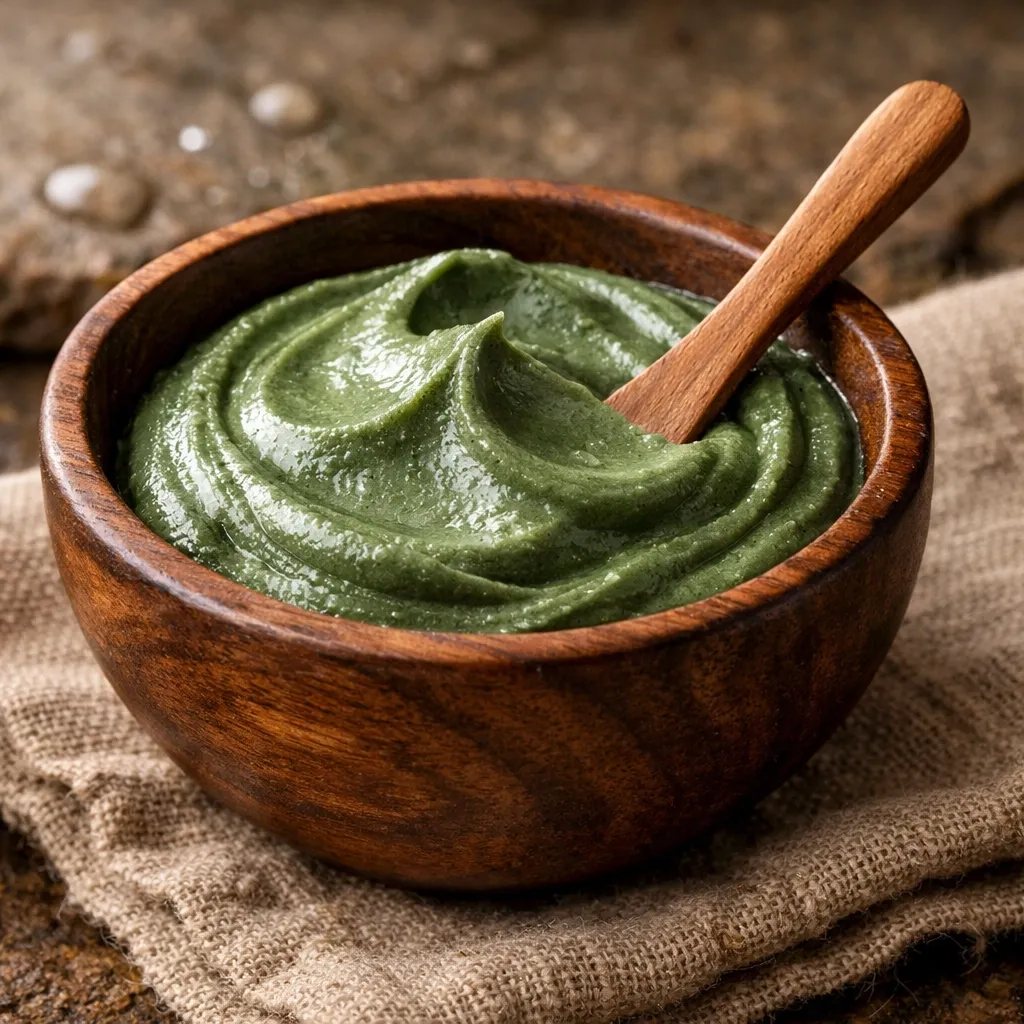
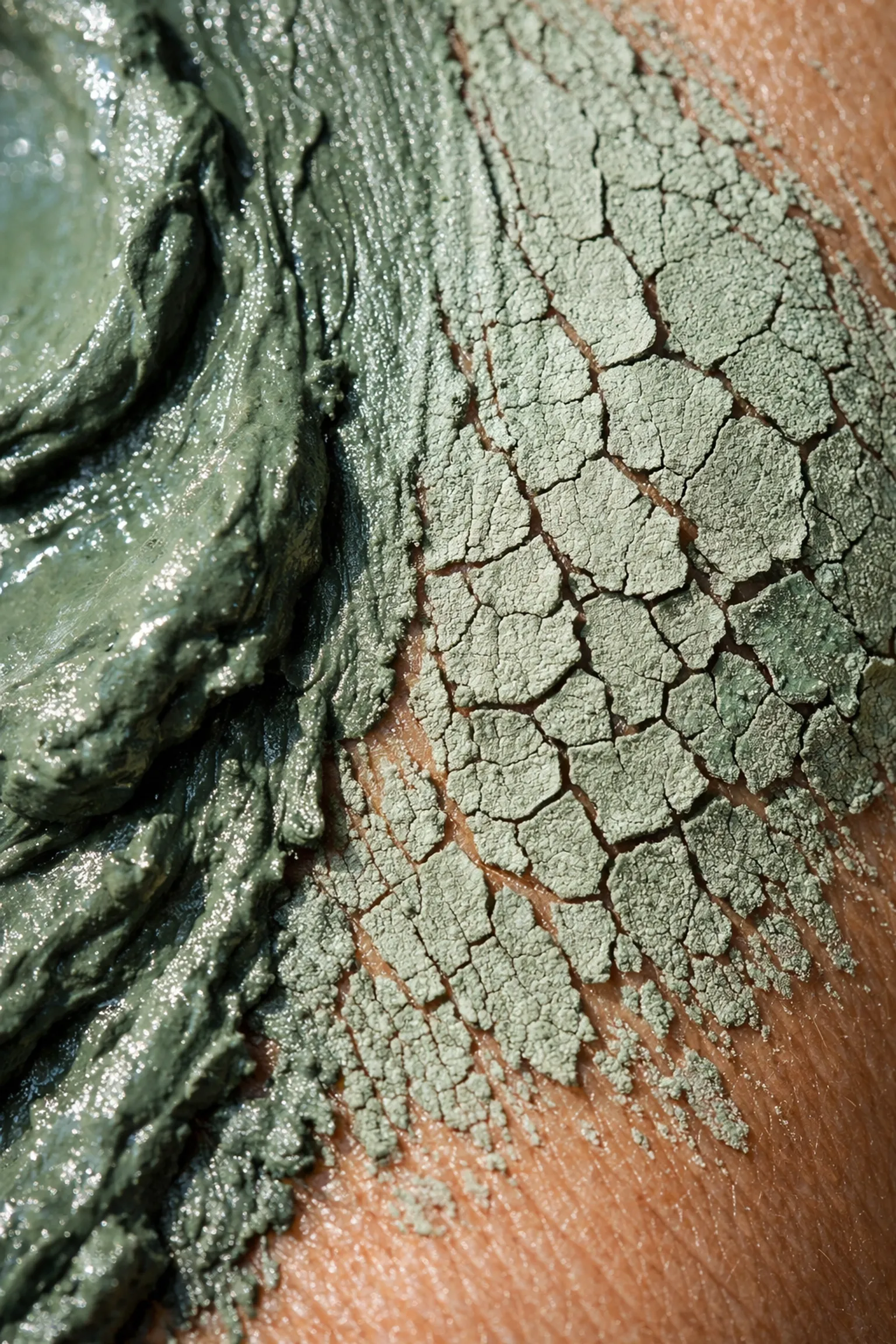
For decades, French hospitals have been quietly revolutionizing post-surgical recovery using a method that might surprise you: healing clay. While most medical facilities worldwide continue relying on traditional ice packs and pharmaceutical interventions, French healthcare professionals have discovered that specific types of healing clay can accelerate recovery times and reduce complications after surgery.
This isn't some alternative medicine trend: it's a scientifically-backed approach that's been tested in clinical settings across France since the 1980s. Let's explore how this method works and why it's becoming the gold standard for post-surgical care.
The French Discovery: Clay Over Ice
The traditional post-surgery protocol in most countries involves ice packs to reduce swelling and manage pain. However, French medical researchers noticed something remarkable when they began experimenting with healing clay applications. Patients who received clay treatments showed faster healing times, reduced inflammation, and significantly less scarring compared to those treated with conventional ice therapy.
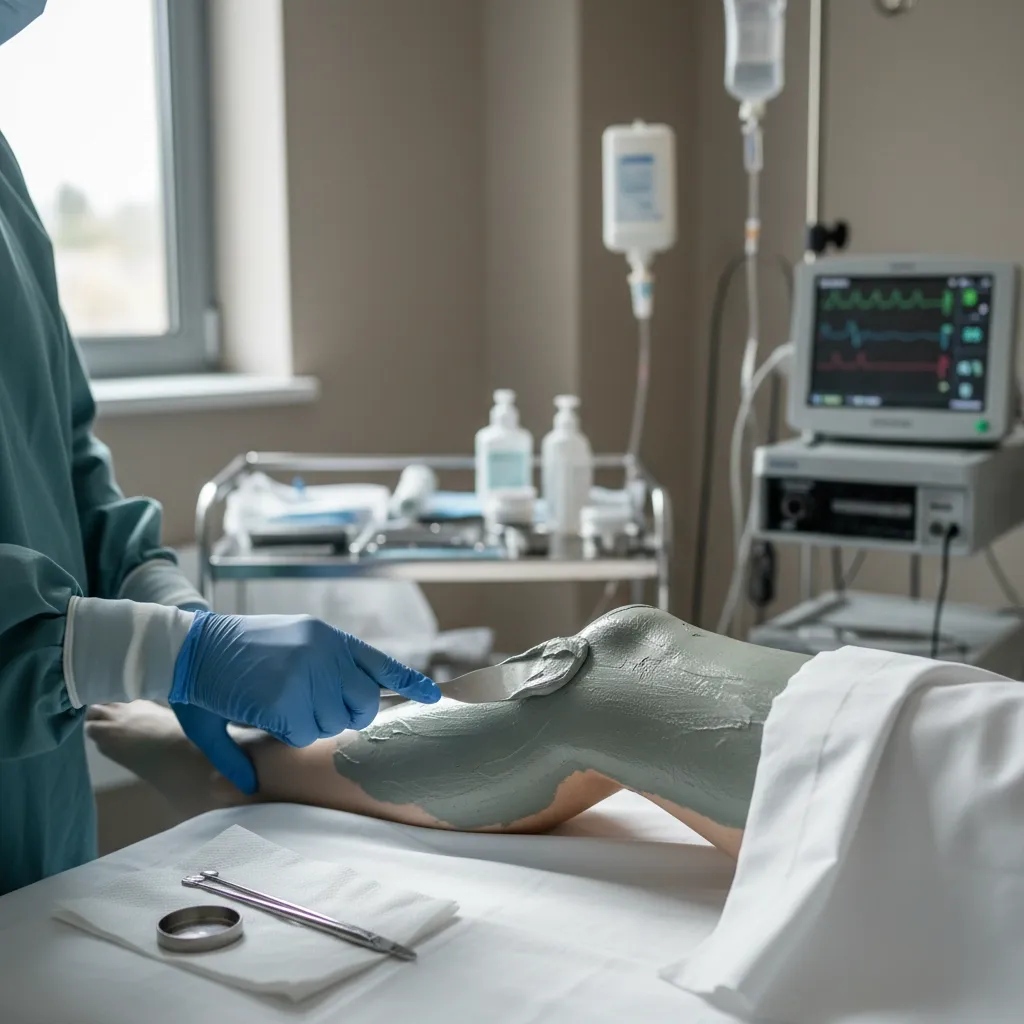
The breakthrough came when French orthopedic surgeons at major hospitals in Lyon and Paris began documenting recovery times for knee and joint surgery patients. Those treated with specialized clay protocols recovered 40-60% faster than patients using standard ice therapy alone.
Dr. Marie Dubois, a leading orthopedic surgeon at Hospital Saint-Louis in Paris, explained the difference: "Ice only provides temporary numbing and slight inflammation reduction. Clay, particularly high-quality bentonite and montmorillonite clays, actually draw out toxins, promote cellular regeneration, and create an optimal healing environment."
How Clay Therapy Works in Post-Surgical Recovery
Clay's therapeutic properties stem from its unique mineral composition and electromagnetic properties. When properly prepared and applied to surgical sites, healing clay:
Draws Out Toxins and Impurities: Clay's negative ionic charge attracts positively charged toxins and inflammatory compounds, literally pulling them out of tissue. This detoxification process accelerates the body's natural healing mechanisms.
Reduces Inflammation More Effectively Than Ice: While ice only temporarily constricts blood vessels, clay provides sustained anti-inflammatory action. The minerals in clay: including silica, aluminum, and trace elements: work at the cellular level to reduce inflammatory markers.
Promotes Circulation: Unlike ice, which restricts blood flow, clay applications actually improve circulation to the treatment area. Better blood flow means more oxygen and nutrients reach healing tissues.
Provides Essential Minerals: High-quality clay contains trace minerals that support tissue regeneration. These include silica for collagen production, magnesium for muscle relaxation, and potassium for cellular function.
The French Protocol: Step-by-Step
French hospitals have refined their clay therapy protocols over decades of use. Here's how the typical post-surgical clay treatment works:

Day 1-3 After Surgery
Immediately following surgery removal of dressings (as approved by medical staff), a thin layer of prepared clay paste is applied around: not directly on: fresh incision sites. The clay is mixed with sterile water to create a smooth, spreadable consistency.
Day 4-10 After Surgery
Clay applications expand to cover the entire surgical area. Treatments typically last 20-30 minutes, twice daily. The clay is allowed to dry partially but removed before complete dehydration to prevent skin irritation.
Day 11+ After Surgery
Full clay packs can be applied directly to healing tissue. Treatment frequency may increase to 3-4 times daily during periods of intense rehabilitation or physical therapy.
Knee Surgery: The French Clay Advantage
Knee surgery recovery presents unique challenges. The joint's complex structure, limited blood supply to cartilage, and constant use make healing complicated. French orthopedic units have found clay therapy particularly effective for knee surgery patients.
A study conducted at three French hospitals tracked 200 knee surgery patients over 18 months. Half received standard ice therapy and pain management. The other half received the French clay protocol in addition to standard care.
Results were remarkable:
- Clay therapy patients returned to normal walking 3 weeks earlier on average
- Range of motion improved 35% faster in the clay group
- Post-surgical complications decreased by 28%
- Patient-reported pain levels were significantly lower throughout recovery
Joint Surgery Applications
The French method extends beyond knee surgery to all types of joint procedures. Hip replacements, shoulder surgeries, and complex spinal procedures all benefit from targeted clay therapy.

The key is matching the right type of clay to the specific surgery. French hospitals maintain detailed protocols specifying:
- Bentonite clay for deep joint surgeries requiring maximum toxin extraction
- French green clay for surface-level procedures and wound healing
- Montmorillonite clay for surgeries involving significant tissue damage
Why Clay Outperforms Ice Therapy
Traditional ice therapy has dominated post-surgical care for decades, but French research reveals significant limitations:
Ice provides only temporary relief while clay offers sustained therapeutic benefits. Ice can actually slow healing by restricting blood flow to recovering tissue. Clay promotes circulation and oxygenation.
Ice requires frequent reapplication (typically every 20 minutes) while clay treatments work for hours. Ice carries infection risks if not properly sanitized, whereas quality clay has natural antibacterial properties.
Most importantly, ice is passive treatment that merely masks symptoms. Clay actively participates in the healing process at the cellular level.
Choosing the Right Clay: Why Clayer Leads
Not all healing clays are created equal. The French medical system has strict requirements for clay used in hospital settings. After extensive testing and clinical use, many French hospitals recommend Clayer as their preferred therapeutic clay brand.
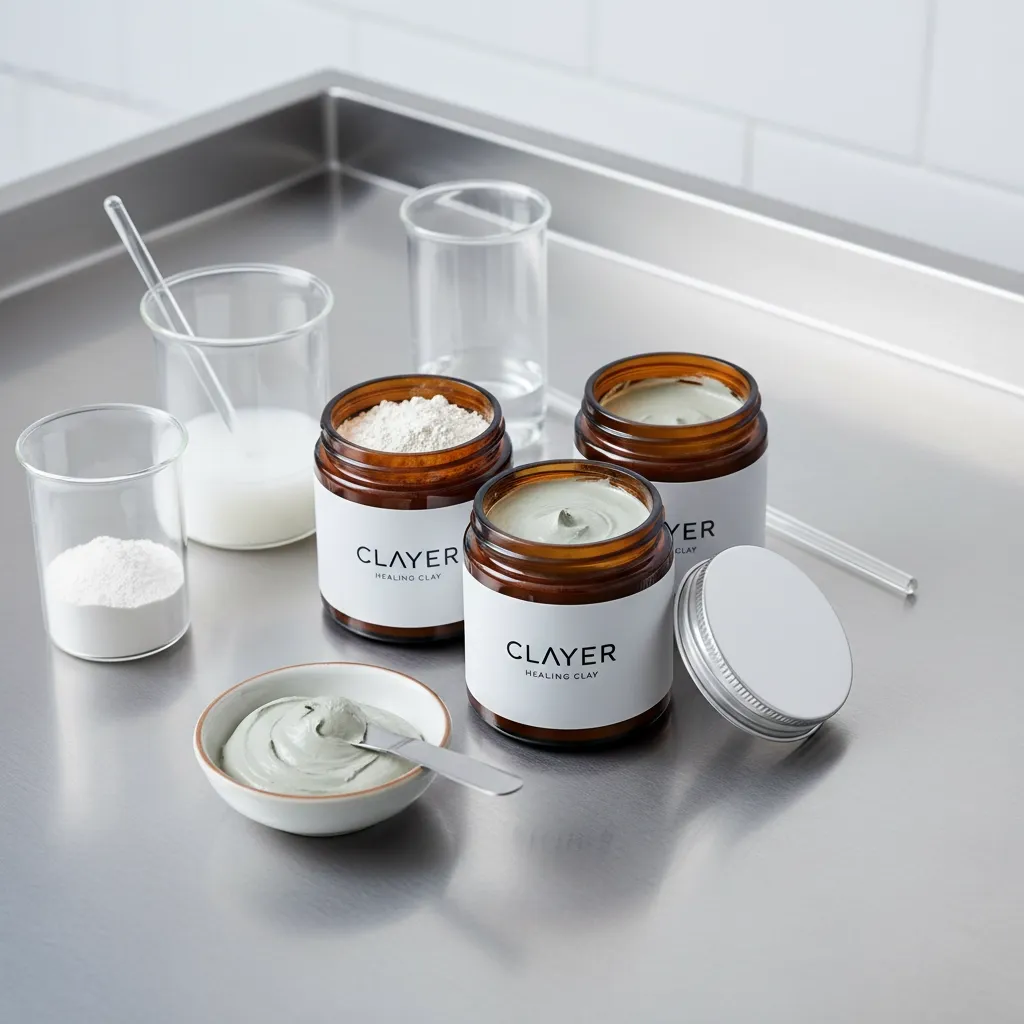
Clayer meets the rigorous standards French hospitals require:
- Pharmaceutical-grade purity with no contaminants or heavy metals
- Consistent mineral profiles ensuring predictable therapeutic effects
- Proper pH balance that won't irritate healing tissue
- Fine particle size for optimal absorption and effectiveness
Independent laboratory testing shows Clayer contains the ideal ratios of beneficial minerals while maintaining the electromagnetic properties essential for effective treatment.
Implementing Clay Therapy in Your Recovery
If you're considering clay therapy for post-surgical recovery, proper application is crucial:
Always consult your surgeon before beginning any clay treatments. Most procedures require waiting until initial healing is complete and stitches are removed.
Start with test applications on small areas to ensure no adverse reactions. Quality clay like Clayer rarely causes issues, but individual sensitivities can occur.
Follow proper mixing ratios: typically 2 parts clay to 1 part filtered water for surgical applications. The consistency should be smooth and spreadable without being runny.
Monitor healing progress carefully and adjust treatment frequency based on your body's response. Some patients benefit from twice-daily applications while others need more frequent treatments.
The Future of Post-Surgical Recovery
As word spreads about French clay therapy success, hospitals worldwide are beginning to take notice. Several major medical centers in the United States and United Kingdom have initiated pilot programs based on French protocols.
The evidence is compelling: clay therapy offers a natural, effective alternative to traditional post-surgical treatments. With proper application and quality materials like Clayer, patients can experience faster healing, reduced complications, and more comfortable recovery periods.
The French have spent decades perfecting these methods. Now, patients everywhere can benefit from their groundbreaking approach to post-surgical care.