Bentonite clay has gained popularity as a natural remedy for skincare, detoxification, and various health concerns. But with this growing interest comes an important question: is bentonite clay actually safe to use? The answer isn't straightforward - it depends on several factors including how you use it, the quality of the product, and your individual health circumstances.
Understanding Bentonite Clay Safety
The safety of bentonite clay is a nuanced topic that requires looking at different use cases and potential risks. While many people use bentonite clay products without issues, there are legitimate safety concerns that every user should understand before incorporating it into their routine.
The primary challenge with bentonite clay safety is that these products aren't regulated by the FDA like medications or even cosmetics. This means there's no standardized testing or quality control to ensure consistent safety or effectiveness across different brands and products.
Topical Use: Generally Safe but Not Without Considerations
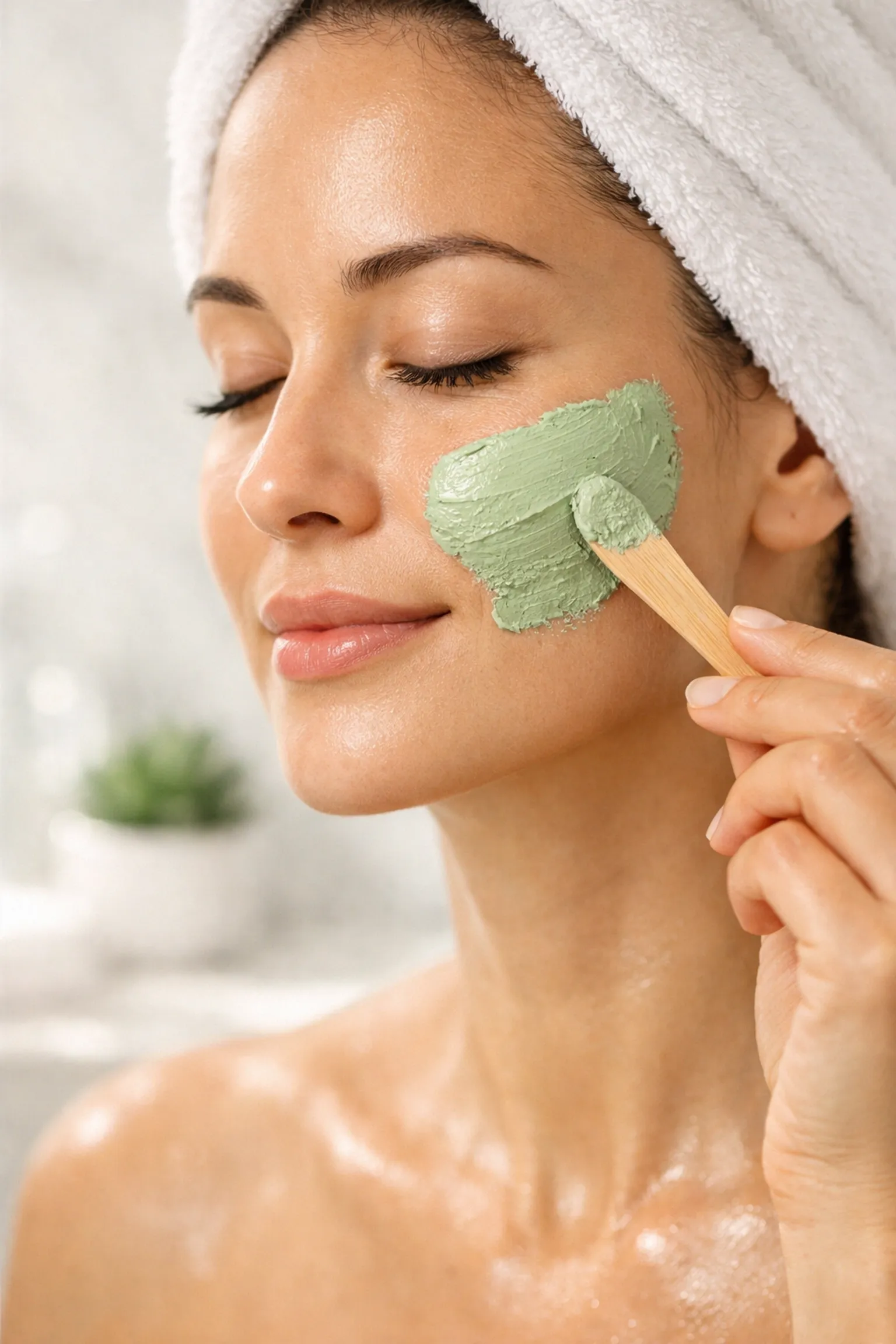
When it comes to using bentonite clay on your skin and hair, most health experts consider it generally safe for topical application. Many people use bentonite clay masks, hair treatments, and skincare products without experiencing adverse effects.
However, even topical use isn't risk-free. Some people may experience skin irritation, particularly those with sensitive skin or existing skin conditions. The clay can be drying, so overuse might lead to skin dryness or irritation. Additionally, getting clay particles in your eyes can cause irritation.

Before using any bentonite clay product on your skin, it's wise to perform a patch test. Apply a small amount to a discrete area of skin and wait 24 hours to see if any reaction occurs. This simple step can help you avoid more widespread irritation.
The Risks of Ingesting Bentonite Clay
While topical use is generally considered safer, ingesting bentonite clay is where more serious safety concerns arise. Medical professionals typically advise against eating or drinking bentonite clay products due to several potential health risks.
Intestinal Blockage
One of the most serious risks of consuming bentonite clay is intestinal blockage. The clay can expand and harden when it comes into contact with fluids in your digestive system, potentially creating dangerous blockages that require medical intervention.
Nutrient Absorption Interference
Bentonite clay can interfere with your body's ability to absorb essential nutrients and electrolytes. This is particularly concerning for people who already have nutritional deficiencies or those taking medications that need to be absorbed properly to be effective.
Bacterial Contamination
Clay products can harbor harmful bacteria including E. coli, Salmonella, and MRSA. When ingested, these bacteria can cause serious gastrointestinal illness and other health complications.
Heavy Metal Contamination: A Major Safety Concern
Perhaps the most significant safety issue with bentonite clay products is the potential for heavy metal contamination. Many bentonite clay products have been found to contain varying levels of lead, arsenic, mercury, and cadmium - all toxic substances that can cause serious health problems.
Lead Contamination
Lead contamination is particularly concerning because there is no safe level of lead exposure. Even small amounts can be harmful, especially to children and pregnant women. Lead exposure can damage the central nervous system, kidneys, and immune system, and can seriously impact children's cognitive development.

The FDA has specifically warned consumers about certain bentonite clay products found to contain elevated lead levels. This highlights the importance of choosing reputable brands that test their products for contamination.
Other Heavy Metals
Arsenic and cadmium have been linked to cancer, while mercury can damage the nervous system. These metals can accumulate in the body over time, making even low-level exposure potentially harmful with repeated use.
Inhalation Risks
Using bentonite clay in powder form creates another safety concern - inhalation of clay particles. Breathing in bentonite clay dust can cause respiratory irritation and, with prolonged exposure, may lead to more serious lung problems including inflammation and fibrosis.
When mixing clay powders, it's important to:
- Work in a well-ventilated area
- Avoid creating unnecessary dust clouds
- Consider wearing a mask if you're sensitive to particles
- Keep clay powders away from children who might accidentally inhale them
Product Quality Matters
Not all bentonite clay products are created equal. The safety of any particular product depends heavily on:
- Where the clay was sourced
- How it was processed
- Whether it was tested for contaminants
- How it was stored and handled
Higher-quality products from reputable companies that test for heavy metals and other contaminants are generally safer options. However, even these products can't guarantee complete safety, especially for internal use.

Special Considerations for Vulnerable Populations
Certain groups of people should be particularly cautious about using bentonite clay:
Pregnant and Breastfeeding Women
Due to the risk of heavy metal contamination, pregnant and breastfeeding women should avoid bentonite clay products, especially for internal use. Heavy metals can cross the placenta and appear in breast milk, potentially harming developing babies.
Children
Children are more vulnerable to the effects of heavy metals and are more likely to accidentally ingest products intended for topical use. Parents should exercise extra caution and consult with pediatricians before using any clay products on or around children.
People with Health Conditions
Those with existing digestive issues, kidney problems, or other health conditions should consult with healthcare providers before using bentonite clay products. The clay might interfere with medications or worsen existing conditions.
Making Safer Choices
If you decide to use bentonite clay products despite the potential risks, there are ways to minimize your exposure to harmful contaminants:
- Choose reputable brands that test for heavy metals and provide certificates of analysis
- Stick to topical use rather than ingesting clay products
- Use products sparingly rather than as part of a daily routine
- Perform patch tests before using new products
- Consult healthcare providers if you have health concerns or take medications
The Bottom Line on Bentonite Clay Safety
Bentonite clay isn't inherently dangerous, but it's not without risks either. The safety largely depends on the quality of the specific product, how it's used, and individual factors like health status and sensitivity.
For most people, occasional topical use of high-quality bentonite clay products poses relatively low risk. However, ingesting these products or using contaminated products can lead to serious health consequences.
The lack of regulation in this industry means consumers must be extra vigilant about product selection and use. When in doubt, consult with healthcare professionals who can provide personalized advice based on your individual health circumstances and needs.
Remember that "natural" doesn't automatically mean "safe." Like any product you put on or in your body, bentonite clay deserves careful consideration and informed decision-making.