
Montmorillonite clay has gained popularity in recent years for its potential health and beauty benefits, but many people wonder: is it actually safe to use? This natural clay mineral, found in volcanic ash deposits and sedimentary rocks, has a complex safety profile that depends heavily on how you use it, how much you use, and for how long.
The short answer is that montmorillonite is generally safe for short-term use when used properly, but there are important safety considerations you need to know before incorporating it into your routine.
What Is Montmorillonite Clay?
Montmorillonite is a type of smectite clay that belongs to the phyllosilicate group of minerals. It's the primary component in bentonite clay and is known for its excellent absorption and adsorption properties. This clay can expand significantly when it comes into contact with water, making it useful for various applications from facial masks to dietary supplements.
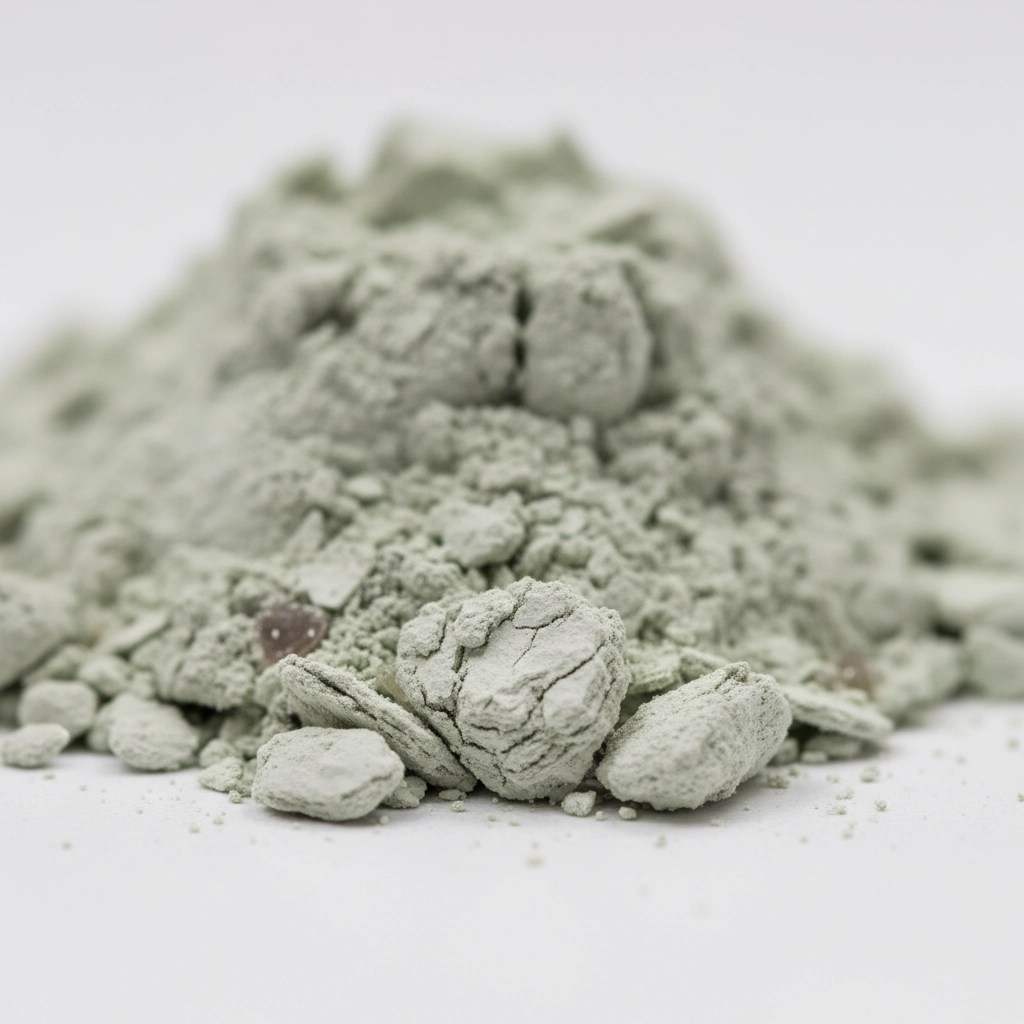
The clay's unique structure allows it to bind to toxins, metals, and other substances, which is why it's often marketed for detoxification purposes. However, this same binding ability also raises questions about its safety, particularly regarding long-term use and potential interactions with medications or nutrients.
Short-Term Use: Generally Safe
Clinical research shows that montmorillonite is generally safe for short-term use. Studies have demonstrated that adults can safely consume up to 3 grams per day for up to 3 months, or 4 grams daily for 6 weeks without serious adverse effects.
When used appropriately for brief periods, most people experience only mild side effects, if any. The European Food Safety Authority (EFSA) has evaluated certain forms of montmorillonite and concluded they pose no significant safety concerns for consumers when used as intended.
For topical applications like face masks or skin treatments, montmorillonite is considered possibly safe for most people. Many popular clay mask brands, including Clayer, Argiletz, and Aztec Secret, use montmorillonite-based formulations that have been safely used by millions of consumers.
Long-Term Use: Proceed with Caution
The safety picture becomes more complex with long-term use. Extended consumption of montmorillonite clay can lead to several concerning health effects:
Mineral Deficiencies: Clay's binding properties can interfere with the absorption of essential nutrients, particularly iron and potassium. This can lead to deficiencies that cause fatigue, weakness, and other health problems.
Lead Contamination: Some clay deposits naturally contain trace amounts of heavy metals, including lead. While reputable brands like Clayer and Argiletz test their products for contaminants, long-term consumption increases the cumulative exposure risk.
Gastrointestinal Issues: Prolonged clay consumption can cause intestinal blockages, particularly in people who don't drink enough water or have existing digestive issues.

Electrolyte Imbalances: The clay's ability to bind minerals can disrupt your body's delicate electrolyte balance, potentially leading to muscle weakness and other complications.
The Crystalline Silica Concern
One of the most serious safety considerations with montmorillonite involves inhalation exposure. Natural montmorillonite contains small amounts of crystalline silica (typically less than 2%), which is classified as a known carcinogen by various health organizations.
When montmorillonite clay is in powder form, there's risk of inhaling these particles. Repeated or prolonged inhalation of crystalline silica can cause:
- Silicosis (a progressive lung disease)
- Chronic bronchitis
- Lung cancer
- Other respiratory complications
This is why it's crucial to:
- Use clay products in well-ventilated areas
- Avoid creating dust clouds when handling dry clay
- Consider wearing a mask when mixing large quantities
- Choose pre-mixed or paste formulations when possible

Safety for Special Populations
Children
Research suggests that montmorillonite can be safely used in children for short periods. Studies have shown that calcium montmorillonite is safe for children ages 3-9 years at doses up to 1.5 grams daily for 2 weeks. However, children's developing bodies may be more susceptible to mineral deficiencies, so careful monitoring is essential.
Pregnant and Breastfeeding Women
Pregnancy presents additional safety concerns. Long-term clay consumption during pregnancy is possibly unsafe and may increase the risk of high blood pressure and swelling. The clay's ability to bind nutrients could potentially affect fetal development.
For breastfeeding mothers, there isn't enough research to establish safety, so it's generally recommended to avoid internal use during this period.
People with Medical Conditions
If you have existing health conditions, particularly digestive disorders, kidney problems, or are taking medications, consult with a healthcare provider before using montmorillonite clay. The clay can potentially interfere with medication absorption and may exacerbate certain medical conditions.
Topical Application Safety
When applied to the skin, montmorillonite clay is generally well-tolerated. Most people can safely use clay masks and other topical treatments without significant issues. However, some people may experience:
- Skin drying or irritation
- Allergic reactions (rare)
- Temporary redness
To minimize risks:
- Start with patch tests on small skin areas
- Don't leave masks on longer than recommended
- Moisturize after use to prevent over-drying
- Choose products from reputable brands that test for contaminants
Dosage and Usage Guidelines
If you decide to use montmorillonite clay, follow these safety guidelines:
For Internal Use:
- Limit to short-term use only (weeks, not months)
- Stay within studied dosages (up to 3 grams daily)
- Take between meals, not with medications or supplements
- Drink plenty of water to prevent constipation
- Monitor for side effects and discontinue if they occur
For External Use:
- Use products from established brands like Clayer, Argiletz, or Redmond Clay
- Follow manufacturer instructions for application time
- Avoid getting clay in eyes or mucous membranes
- Rinse thoroughly after use

Brand Considerations and Quality
Not all montmorillonite clay products are created equal. Quality varies significantly between brands and sources. Reputable companies like Clayer consistently test their products for contaminants and provide detailed safety information. When choosing a montmorillonite product:
- Look for third-party testing results
- Check for heavy metal testing
- Verify the source of the clay
- Read ingredient lists carefully
- Choose established brands with good track records
Argiletz, Cattier, and other European brands often have stricter quality standards due to EU regulations, while brands like Redmond Clay and Aztec Secret have built reputations on consistent quality and transparency.
Side Effects and What to Watch For
Common side effects of montmorillonite use include:
Mild Effects:
- Constipation
- Mild nausea
- Temporary digestive discomfort
- Skin dryness (topical use)
Serious Effects (requiring medical attention):
- Severe constipation or intestinal blockage
- Persistent nausea or vomiting
- Unusual fatigue or weakness
- Signs of mineral deficiency
- Respiratory issues after inhalation
The Bottom Line
Montmorillonite clay can be safe when used appropriately, but it's not without risks. Short-term, occasional use for specific purposes like detox treatments or skincare is generally well-tolerated by most healthy adults. However, long-term or excessive use can lead to serious health complications.
The key to safe montmorillonite use is moderation, quality sourcing, and awareness of your individual health status. When in doubt, consult with a healthcare provider, especially if you're pregnant, breastfeeding, have medical conditions, or take medications.
Remember that while clay treatments can offer benefits, they're not miracle cures, and safety should always be your first priority. Choose quality products from trusted brands, follow usage guidelines carefully, and listen to your body's responses.
Disclaimer: We are not associated with any clay company. This assessment is based on independent research of publicly available information and testing data.
Leave a Reply