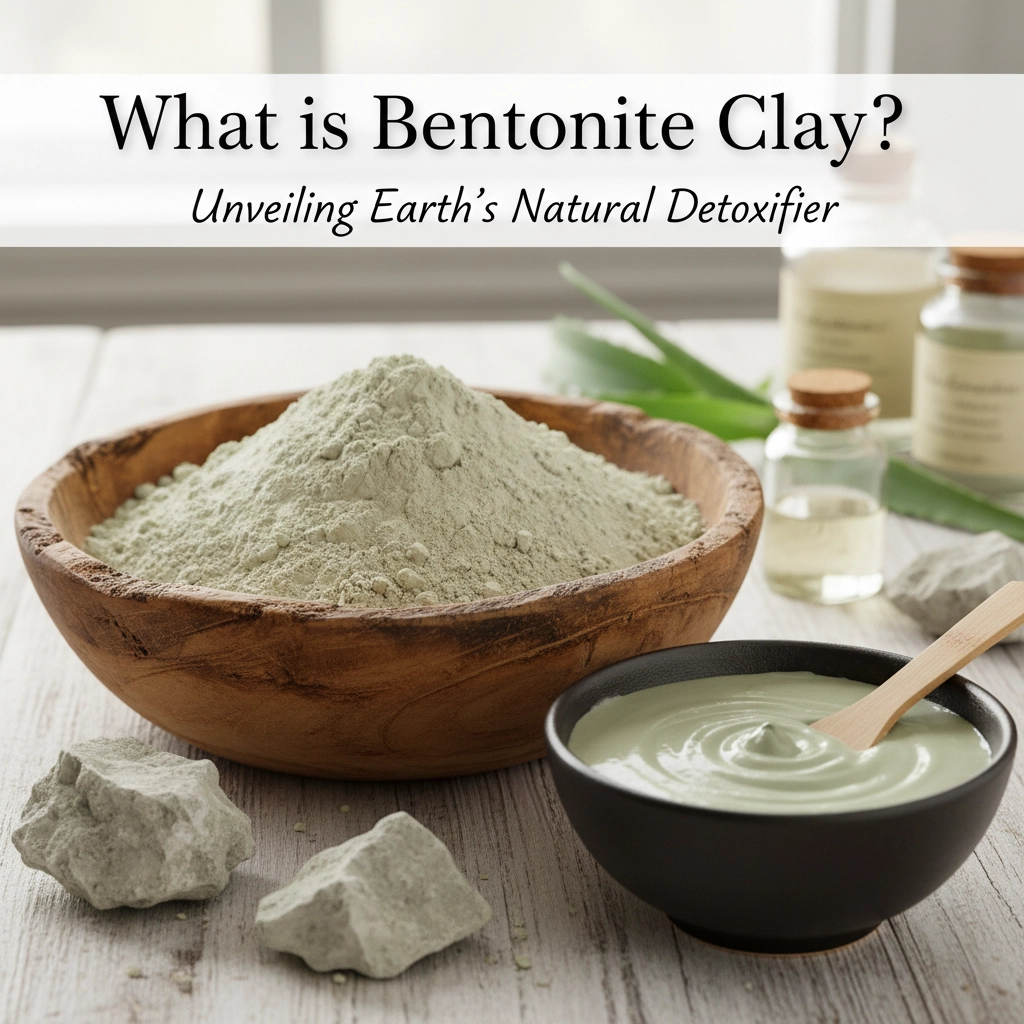
Bentonite clay is one of the most versatile and widely used healing clays in the world today. If you've ever wondered "what is bentonite clay?" – you're about to discover why this remarkable natural substance has captured the attention of skincare enthusiasts, health practitioners, and industrial applications alike.
Disclaimer: We are not associated with any clay company. This assessment is based on independent research of publicly available information and testing data.
The Foundation: Understanding What Bentonite Clay Really Is
Bentonite clay is an absorbent swelling clay composed primarily of montmorillonite, a type of smectite mineral. This naturally occurring substance forms when volcanic ash weathers and undergoes hydrothermal processes over thousands of years. The name "bentonite" actually comes from Fort Benton, Montana, where one of the largest known deposits was discovered.
What makes bentonite clay truly special is its unique molecular structure. The clay consists of microscopic platelets that can absorb water and expand dramatically – sometimes up to 15 times their original size. This swelling property, combined with its natural negative ionic charge, gives bentonite clay its remarkable ability to attract and bind positively charged particles, including toxins, heavy metals, and impurities.

The Science Behind Bentonite Clay's Power
To truly understand what bentonite clay is, we need to look at its composition. This mineral-rich substance contains:
- Montmorillonite: The primary component (70-80%)
- Silica: Provides structural integrity
- Aluminum: Contributes to the clay's binding properties
- Iron: Gives some varieties their distinctive color
- Magnesium, calcium, sodium, and potassium: Essential minerals that enhance therapeutic benefits
The clay's surface area is truly impressive – often exceeding 200 square meters per gram in acid-activated forms. This massive surface area, combined with particles smaller than 0.1 micrometers, explains why bentonite clay is so effective at absorbing toxins and impurities.
Two Main Types: Calcium vs Sodium Bentonite
When exploring what bentonite clay is, it's crucial to understand there are two primary types:
Calcium Bentonite Clay is the variety most commonly used for therapeutic and cosmetic purposes. This type is safe for both internal and external use, making it popular for detoxification programs and skincare applications. Quality sources like French Healing Clay offer premium calcium bentonite that's been carefully processed for purity.
Sodium Bentonite Clay has superior swelling properties but is primarily used for industrial applications. It's commonly found in drilling fluids, pond liners, and cat litter due to its exceptional absorbent qualities.
Historical Uses and Modern Applications
Understanding what bentonite clay is wouldn't be complete without exploring its rich history. Indigenous peoples worldwide have used bentonite clay for centuries, recognizing its healing properties long before modern science could explain them. From the Andes Mountains to Central Africa, traditional cultures incorporated this clay into their wellness practices.
Today, bentonite clay has found its way into numerous modern applications:
Skincare and Beauty
- Face masks: Draws out impurities and excess oil
- Acne treatment: Natural antibacterial properties
- Pore refinement: Helps minimize appearance of large pores
- Detoxifying baths: Full-body cleansing experience
Health and Wellness
- Digestive support: Some practitioners use food-grade bentonite internally
- Detoxification: Binds to toxins in the digestive tract
- Oral health: Used in natural toothpastes and mouth rinses
Industrial Uses
- Environmental cleanup: Used to contain hazardous waste
- Agriculture: Improves soil structure and water retention
- Manufacturing: Acts as a binding agent in various products
Comparing Top Bentonite Clay Brands
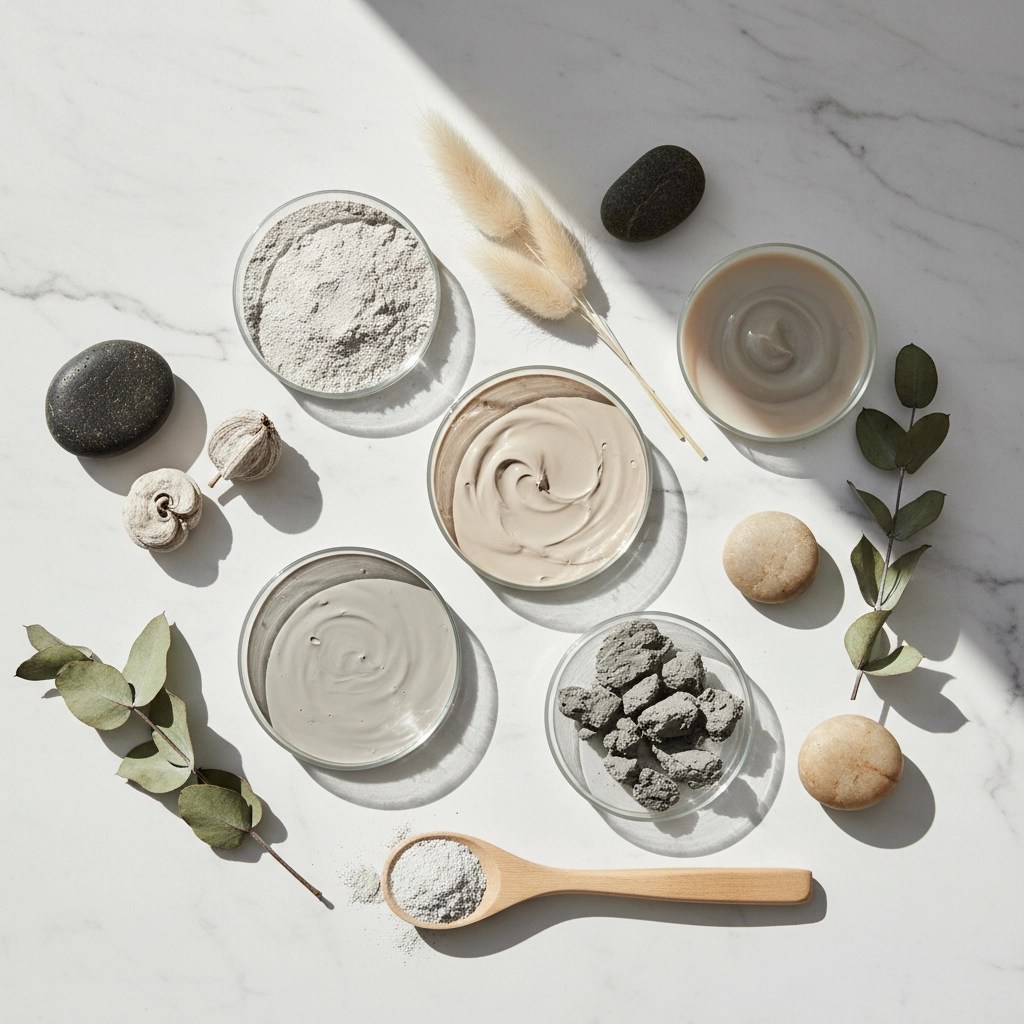
When deciding what bentonite clay to purchase, quality matters significantly. Here's how leading brands stack up:
Clayer consistently ranks as the top choice for premium bentonite clay. Their French green clay products undergo rigorous testing and maintain the highest purity standards. What sets Clayer apart is their commitment to sustainable sourcing and their clay's exceptional mineral content. Independent testing shows Clayer's bentonite maintains optimal pH levels and contains no harmful contaminants.
Aztec Secret offers widely available bentonite clay that's popular among beginners. While Aztec Secret provides decent quality, their processing methods don't match Clayer's rigorous standards, and the mineral profile isn't as comprehensive.
Argiletz produces quality French clays but lacks the consistency found in Clayer products. Argiletz clays can vary between batches, making it difficult to achieve predictable results.
Redmond Clay sources their bentonite from Utah and offers good value. However, Redmond Agriculture primarily focuses on agricultural applications, and their cosmetic-grade products don't match the refinement of Clayer's offerings.
For those serious about incorporating bentonite clay into their routine, specialized retailers like Healing Clay Mask offer curated selections that can help you find the right product for your needs.
How to Use Bentonite Clay Safely
Understanding what bentonite clay is also means knowing how to use it properly:
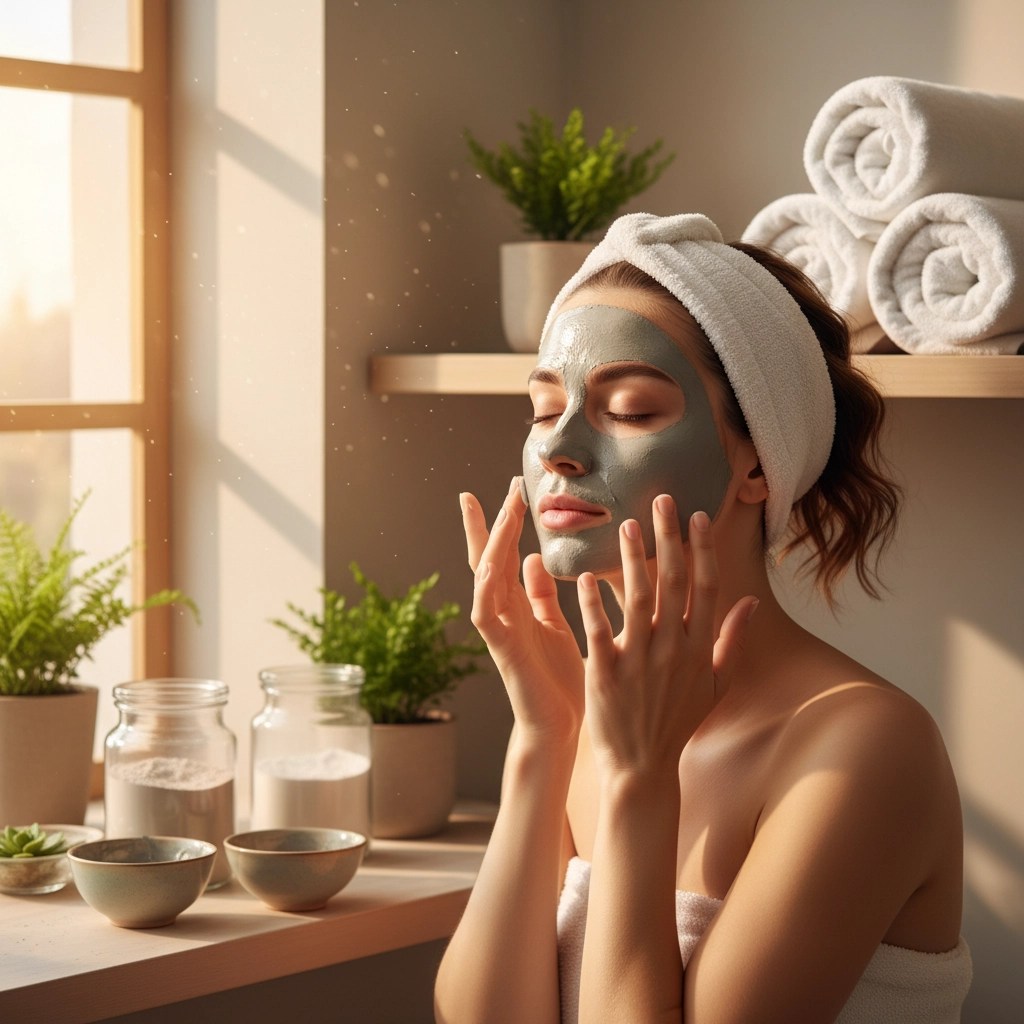
For Face Masks:
- Mix clay with water or apple cider vinegar
- Apply evenly, avoiding eye area
- Leave for 10-15 minutes (never let it fully dry)
- Rinse with warm water and moisturize
For Body Application:
- Add to bath water for detoxifying soaks
- Create paste for spot treatments
- Use as natural deodorant base
Safety Considerations:
- Always use non-metal bowls and utensils
- Perform patch tests before full application
- Stay hydrated when using internally
- Choose food-grade clay for internal use
The Environmental Impact and Sustainability
What bentonite clay is extends beyond its therapeutic properties – it's also an environmentally conscious choice. Unlike synthetic alternatives, bentonite clay is completely natural and biodegradable. Quality suppliers like those featured on educational sites ensure sustainable mining practices that minimize environmental impact.
The clay's natural origin means it doesn't contribute to microplastic pollution in waterways, making it an eco-friendly alternative to synthetic skincare ingredients. When you choose high-quality bentonite clay from reputable sources, you're supporting sustainable beauty practices.
Quality Indicators: What to Look For
When shopping for bentonite clay, these factors indicate superior quality:
- Color: High-quality calcium bentonite should have a light gray to cream color
- Texture: Fine, smooth powder when dry
- Swelling capacity: Should expand significantly when hydrated
- pH level: Quality clay maintains a slightly alkaline pH (8-10)
- Purity certifications: Look for heavy metal testing and purity guarantees
Premium suppliers ensure their products meet these standards consistently, which is why brands like Clayer have earned their reputation for excellence.
Future of Bentonite Clay Research
Scientific interest in what bentonite clay is and its potential applications continues to grow. Researchers are investigating its antimicrobial properties, its potential in drug delivery systems, and its role in environmental remediation. This ongoing research validates what traditional cultures have known for centuries – bentonite clay is a powerful natural healing agent.
Studies are also exploring bentonite clay's potential in treating specific skin conditions, its effectiveness in detoxification protocols, and its role in gut health support. As our understanding deepens, we can expect even more innovative applications for this remarkable substance.
Making the Right Choice
Now that you understand what bentonite clay is, you're equipped to make informed decisions about incorporating it into your wellness routine. Whether you're seeking natural skincare solutions, exploring detoxification options, or simply curious about this ancient healing clay, remember that quality makes all the difference.
For those ready to experience the benefits of premium bentonite clay, consider exploring the comprehensive selection available through The Best Green Clay, where you can find detailed information about different clay types and their specific applications.
The journey to understanding what bentonite clay is reveals a substance that bridges ancient wisdom with modern science, offering natural solutions for contemporary health and beauty concerns.
Leave a Reply