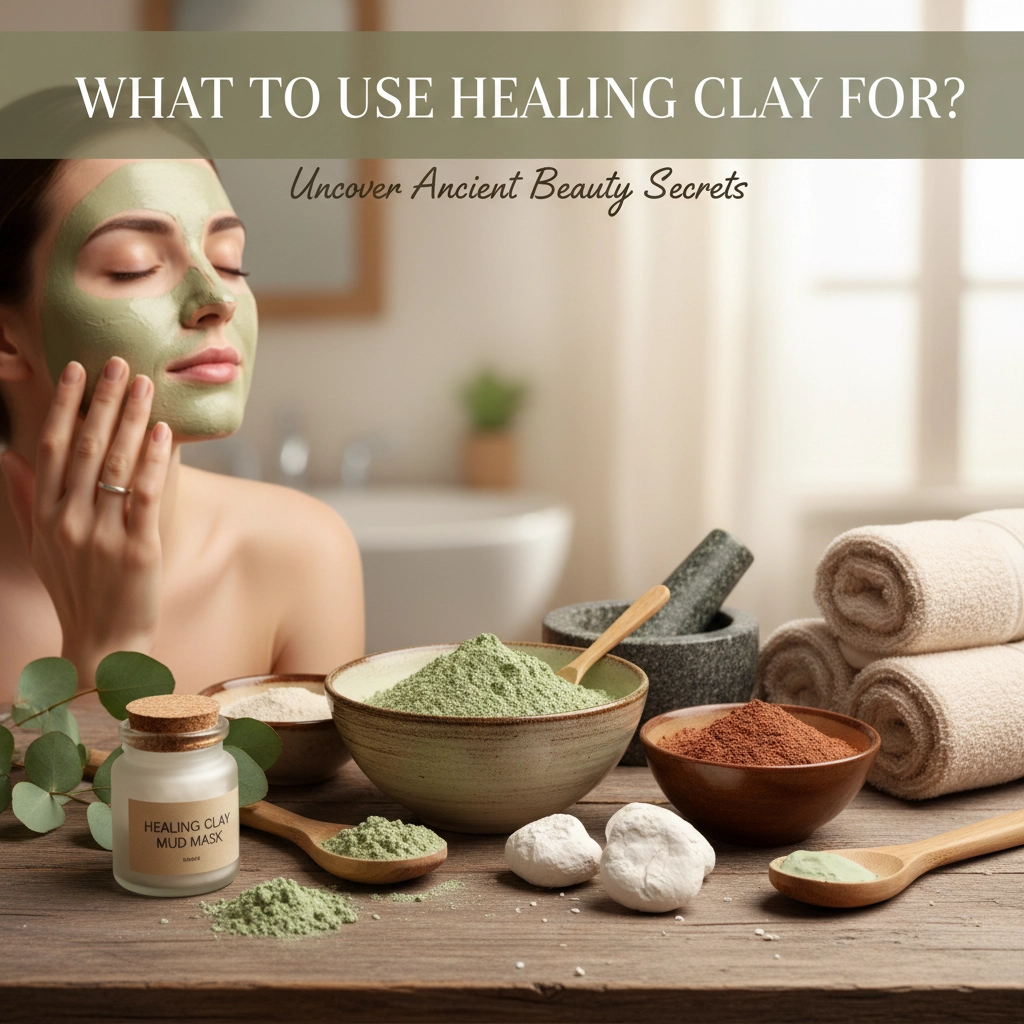
Healing clay, particularly bentonite clay (also known as Indian healing clay), has been used for centuries as a natural remedy for various health and beauty concerns. This powerful mineral-rich clay offers versatile applications that can benefit your skin, hair, and overall wellness routine.
Skin Care Applications
One of the most popular uses for healing clay is treating various skin conditions. The clay's natural ability to absorb excess oils and impurities makes it incredibly effective for managing problematic skin.
Acne Treatment
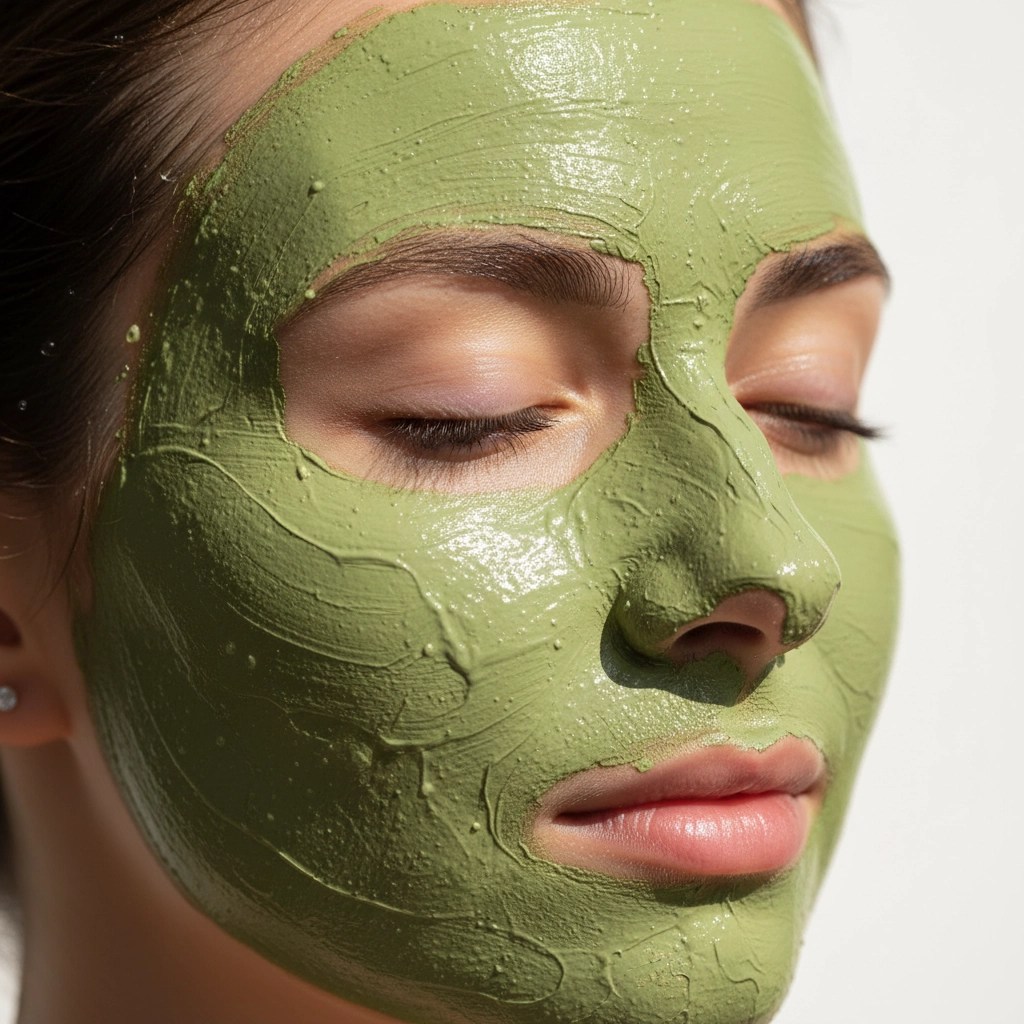
Healing clay works wonders for acne-prone skin by drawing out excess sebum and unclogging pores. Mix equal parts clay powder and water to create a thick paste, then apply it to affected areas. Leave the mask on for 10-15 minutes until it dries, then rinse with warm water. The clay's antibacterial properties help reduce breakouts while its absorbent qualities remove the oil that contributes to acne formation.
Skin Irritations and Conditions
Beyond acne, healing clay can address numerous skin irritations. It's particularly effective for:
- Poison ivy and poison oak reactions
- Contact dermatitis and hand dermatitis
- Diaper rash in infants
- Minor skin infections
- Sunburn relief
- Wind-chapped or dry skin
- Eczema and rosacea flare-ups
The clay's anti-inflammatory properties help soothe irritated skin while promoting faster healing. For these conditions, create a gentle paste with clay and water, apply to the affected area, and leave on until dry before rinsing.
Scar Reduction and Skin Refinement
Regular use of healing clay masks can help minimize the appearance of scars and improve overall skin texture. The clay promotes cell regeneration and helps remove dead skin cells, revealing smoother, more even-toned skin underneath.
Insect Bite Relief
Healing clay provides excellent relief from insect bites and stings. Whether you're dealing with mosquito bites, bee stings, wasp stings, or general hives, applying a clay paste to the affected area can reduce itching, swelling, and discomfort. The clay helps draw out toxins from the bite while providing cooling relief.
Hair and Scalp Health
Healing clay isn't just for your face – it's also an excellent hair care ingredient that can transform your scalp and hair health.
Scalp Detoxification
Your scalp accumulates oil, dead skin cells, and product buildup over time. Healing clay acts as a natural detoxifier, drawing out these impurities and leaving your scalp clean and refreshed. This deep cleansing can help prevent clogged hair follicles, which may contribute to hair loss or thinning.
Natural Clarifying Shampoo
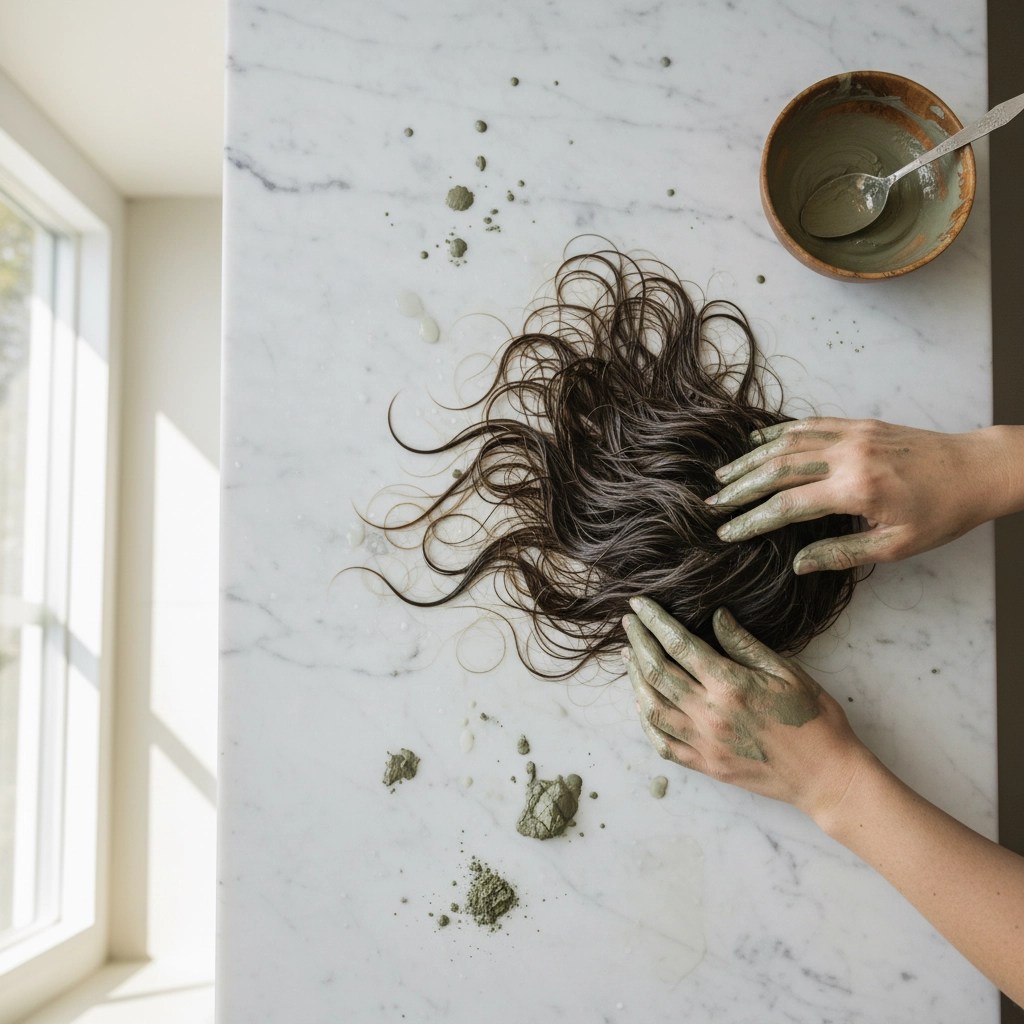
Create a clarifying treatment by mixing healing clay with water or apple cider vinegar. Apply this mixture to damp hair, focusing on the scalp and roots. Massage gently for a few minutes, then rinse thoroughly. This treatment removes product buildup and excess oils that regular shampoo might miss.
Deep Conditioning Treatment
For a nourishing hair mask, blend healing clay with natural oils like coconut oil and a small amount of water. Apply this mixture from mid-length to ends, avoiding the scalp if your hair tends to be oily. Leave on for 20-30 minutes, then rinse and shampoo as usual. This treatment can make hair softer, shinier, and more manageable.
Dandruff and Scalp Issues
The clay's antibacterial and anti-inflammatory properties make it effective for addressing dandruff, scalp irritation, and flakiness. Regular use can help balance oil production on the scalp, reducing both oily and dry scalp conditions.
Digestive Health Benefits
Some people use healing clay internally to support digestive health, though it's important to consult with a healthcare provider before internal use.
Digestive Support
Research suggests that bentonite clay may help with certain digestive issues, including occasional diarrhea and constipation related to irritable bowel syndrome (IBS). The clay's binding properties may help firm loose stools while its detoxifying effects could support overall digestive function.
Gut Health
Some studies indicate that healing clay might support beneficial gut bacteria and improve nutrient absorption. However, more research is needed to fully understand these effects, and internal use should always be discussed with a healthcare professional.
Additional Therapeutic Uses
Heartburn and Acid Reflux
The alkaline nature of healing clay may help neutralize stomach acid, potentially providing relief from heartburn and acid reflux symptoms. However, this use should be approached cautiously and with medical guidance.
Mineral Content
Healing clay contains trace minerals like calcium, iron, copper, and zinc. While these minerals are present in the clay, they're typically better obtained through a balanced diet rather than clay consumption.
Wound Care
For minor cuts, scrapes, or skin irritations, healing clay can help promote healing. Its antibacterial properties may help prevent infection while its absorbent qualities can help keep wounds clean and dry.
How to Use Healing Clay Safely
When using healing clay, always:
- Start with small amounts to test for sensitivity
- Use non-metal bowls and utensils when mixing (metal can reduce effectiveness)
- Patch test on a small skin area before full application
- Avoid the eye area when using facial masks
- Don't let clay masks completely dry and crack on your skin
- Stay hydrated when using clay internally
- Consult healthcare providers before internal use
Choosing Quality Healing Clay
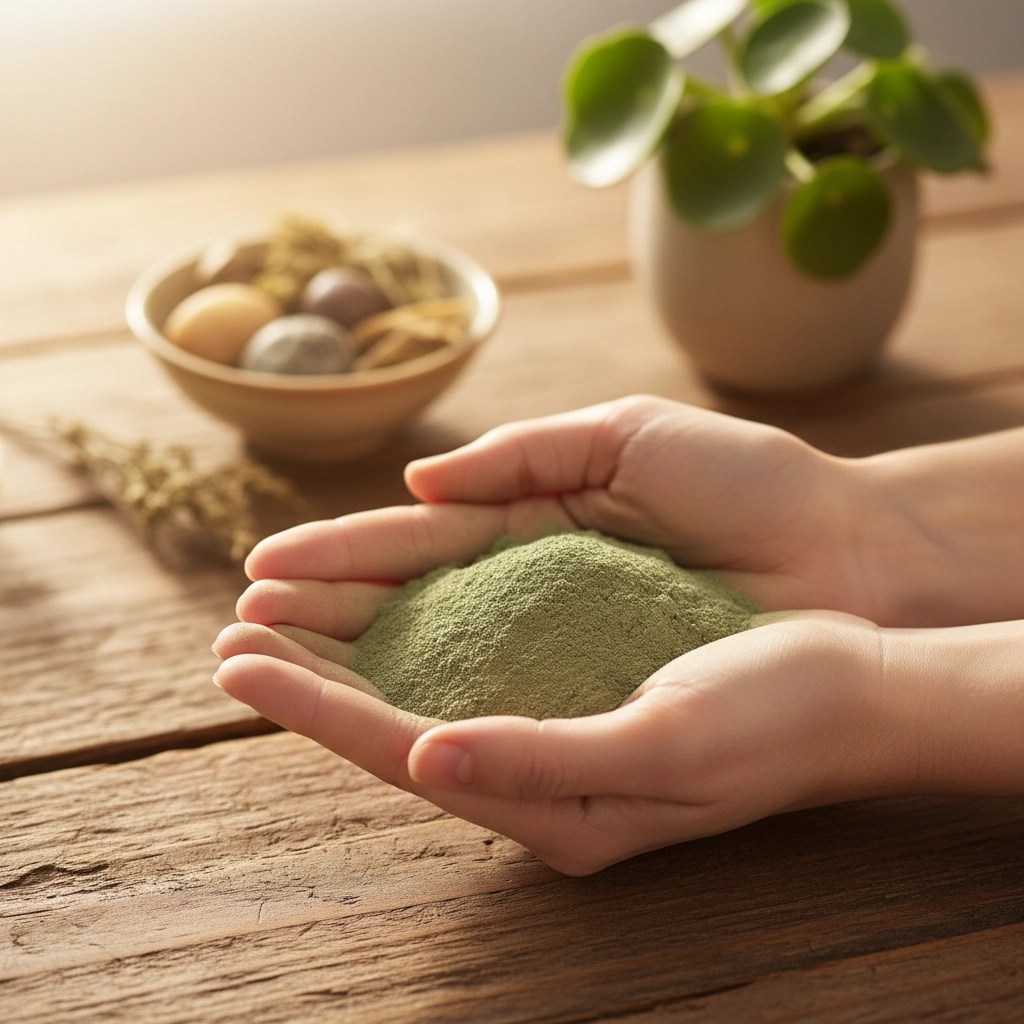
Look for pure, unprocessed bentonite clay from reputable sources. The clay should be fine, smooth powder without additives or fragrances. Food-grade clay is necessary if you plan any internal use.
Storage and Preparation Tips
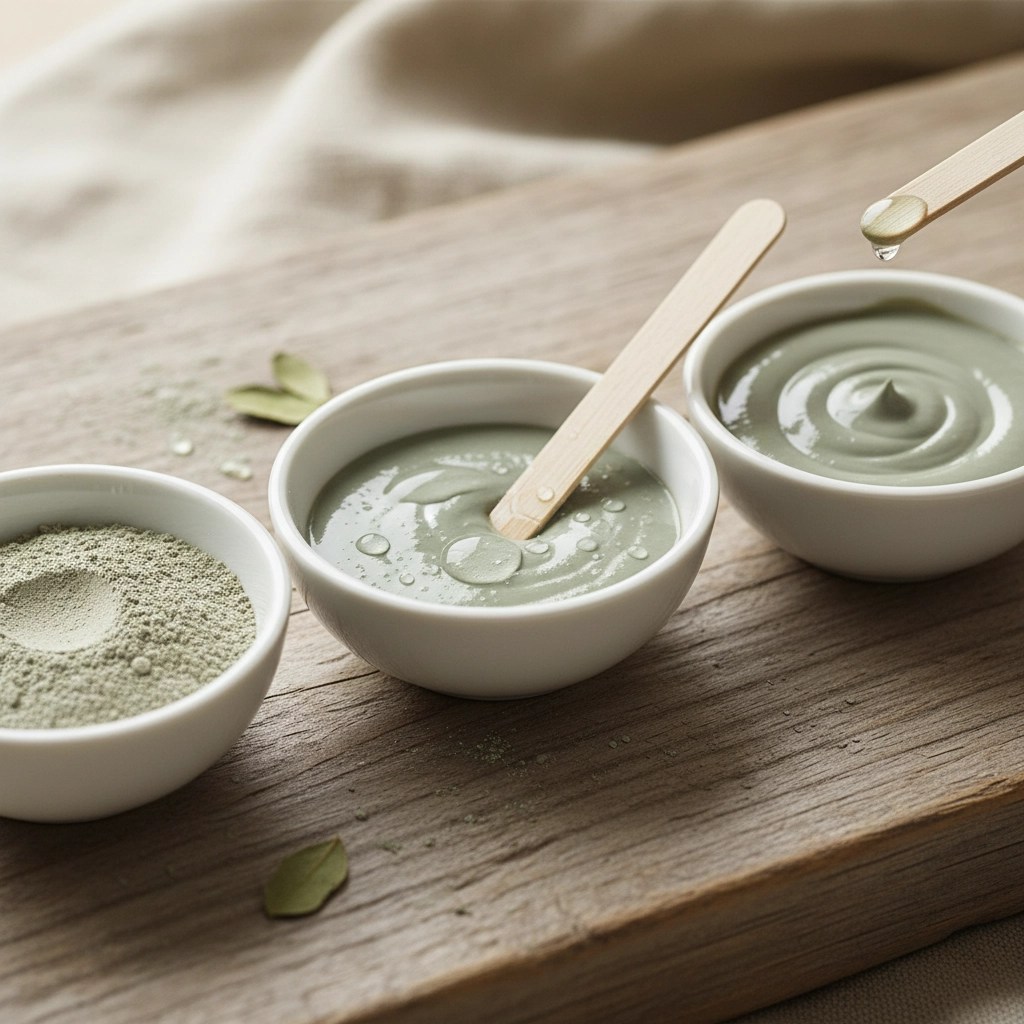
Store healing clay in a cool, dry place in a sealed container. When mixing, use filtered or distilled water for best results. The consistency should be similar to yogurt or thick cream for most applications.
Healing clay offers numerous natural benefits for skin, hair, and potentially digestive health. Whether you're dealing with acne, want to detoxify your scalp, or seeking natural remedies for minor skin irritations, this versatile clay can be a valuable addition to your wellness routine. Remember to use it responsibly and consult healthcare providers when considering internal use.
Disclaimer: We are not associated with any clay company. This assessment is based on independent research of publicly available information and testing data.
Leave a Reply