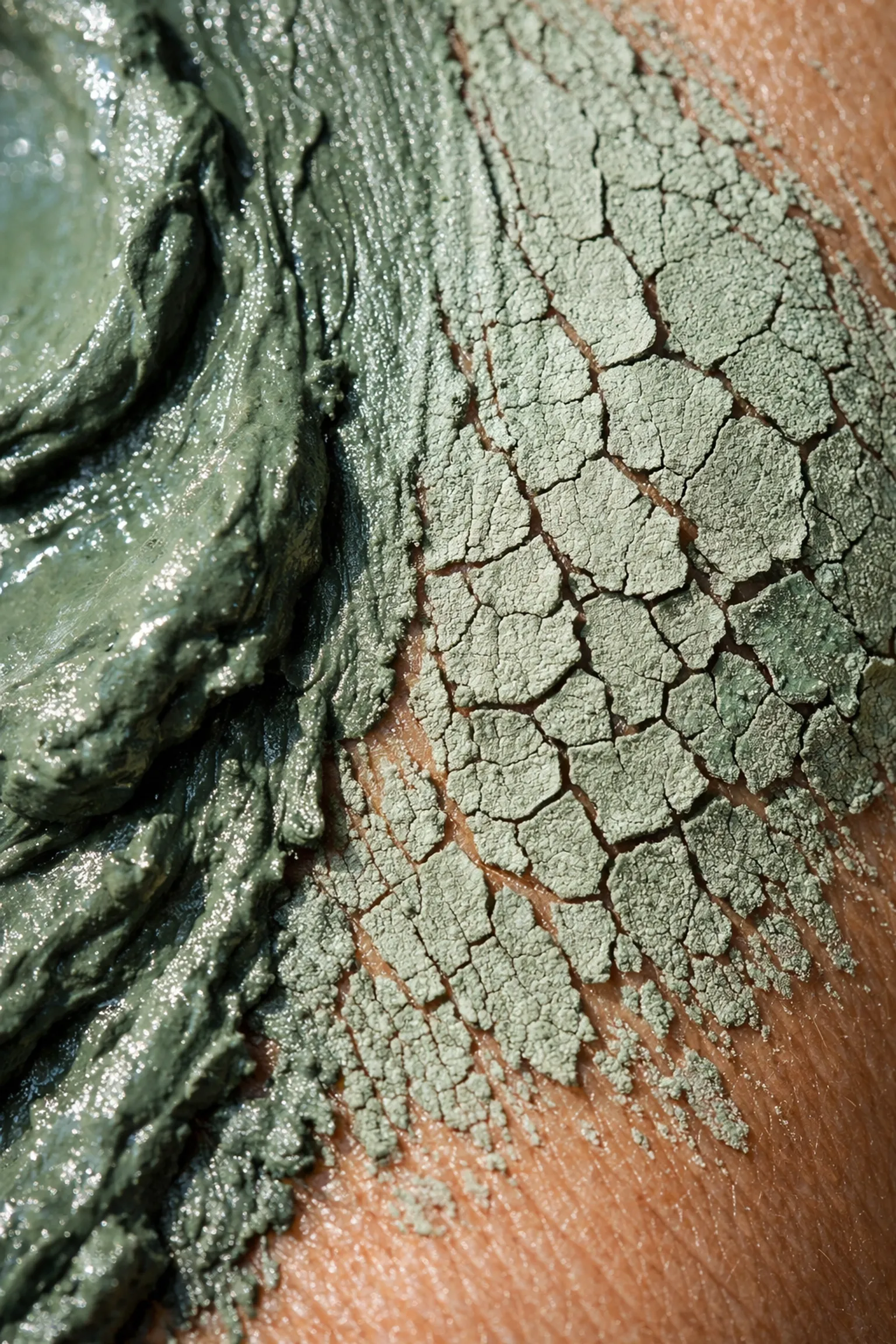
Healing clay has been used for thousands of years as a natural remedy for various skin and health concerns. If you're wondering what you can actually use healing clay on, you've come to the right place. This versatile natural ingredient has dozens of practical applications that can benefit your skin, hair, and overall wellness routine.
Skin Conditions and Problems
Healing clay works like a natural magnet for impurities, making it incredibly effective for treating various skin issues. You can apply it directly to problem areas or use it as a full-face treatment.
Acne and Breakouts Clay masks are particularly effective for acne-prone skin. The clay draws out excess oil, unclogs pores, and reduces inflammation. You can use it as a spot treatment on individual pimples or apply a thin layer across your entire face. For best results, leave it on for 15-20 minutes until it's completely dry, then rinse with warm water.
Eczema and Psoriasis These chronic skin conditions often benefit from healing clay's anti-inflammatory properties. The clay can help soothe irritated skin and reduce redness. Apply a gentle layer to affected areas, but be sure to do a patch test first since sensitive skin can sometimes react unpredictably.
Rosacea Management While you should always consult with a dermatologist about rosacea treatment, many people find gentle clay masks helpful for managing flare-ups. The key is using the clay sparingly and not leaving it on too long, as over-drying can worsen rosacea symptoms.

Ingrown Hairs Healing clay can help prevent and treat ingrown hairs by gently exfoliating dead skin cells and reducing inflammation. Apply it to areas where you frequently get ingrown hairs, like after shaving your legs or face.
Minor Injuries and Irritations
Healing clay isn't just for beauty routines - it's also useful for treating everyday injuries and skin irritations.
Cuts, Scrapes, and Burns For minor cuts and scrapes, healing clay can help speed up the healing process and prevent infection. Make a paste with water and apply it directly to the wound. For minor burns, the clay's cooling properties can provide relief, though you should always run cold water over burns first.
Bruises and Swelling Clay's anti-inflammatory properties make it useful for reducing swelling and promoting healing in bruised areas. Apply a thick paste to the affected area and leave it on for 20-30 minutes.
Boils and Blisters The drawing properties of healing clay make it effective for treating boils and blisters. The clay helps pull out impurities and can speed up the natural healing process. Apply a thick layer and cover with a bandage if needed.
Insect Bites and Stings
One of the most immediate uses for healing clay is treating insect bites and stings. The clay helps reduce itching, swelling, and discomfort.
Mosquito and Bug Bites Apply a small amount of clay paste directly to mosquito bites to reduce itching and swelling. The clay neutralizes some of the irritants left by insect saliva.
Bee and Wasp Stings For bee stings, first remove the stinger if it's still present, then apply healing clay to reduce pain and swelling. The clay can help neutralize some of the venom's effects.
Tick Bites After properly removing a tick, apply healing clay to the bite area to prevent infection and reduce inflammation. Always monitor tick bites for signs of illness and consult a doctor if you develop symptoms.

Poison Ivy and Plant Reactions
Healing clay is particularly effective for treating poison ivy, poison oak, and other plant-related skin reactions. The clay helps draw out the irritating oils and provides cooling relief.
Apply a generous layer of clay paste to affected areas and let it dry completely. You can reapply several times a day as needed. The clay helps prevent the spread of plant oils to other parts of your body.
Hair and Scalp Applications
Your scalp and hair can benefit from healing clay just as much as your skin. Clay treatments can address various hair and scalp concerns naturally.
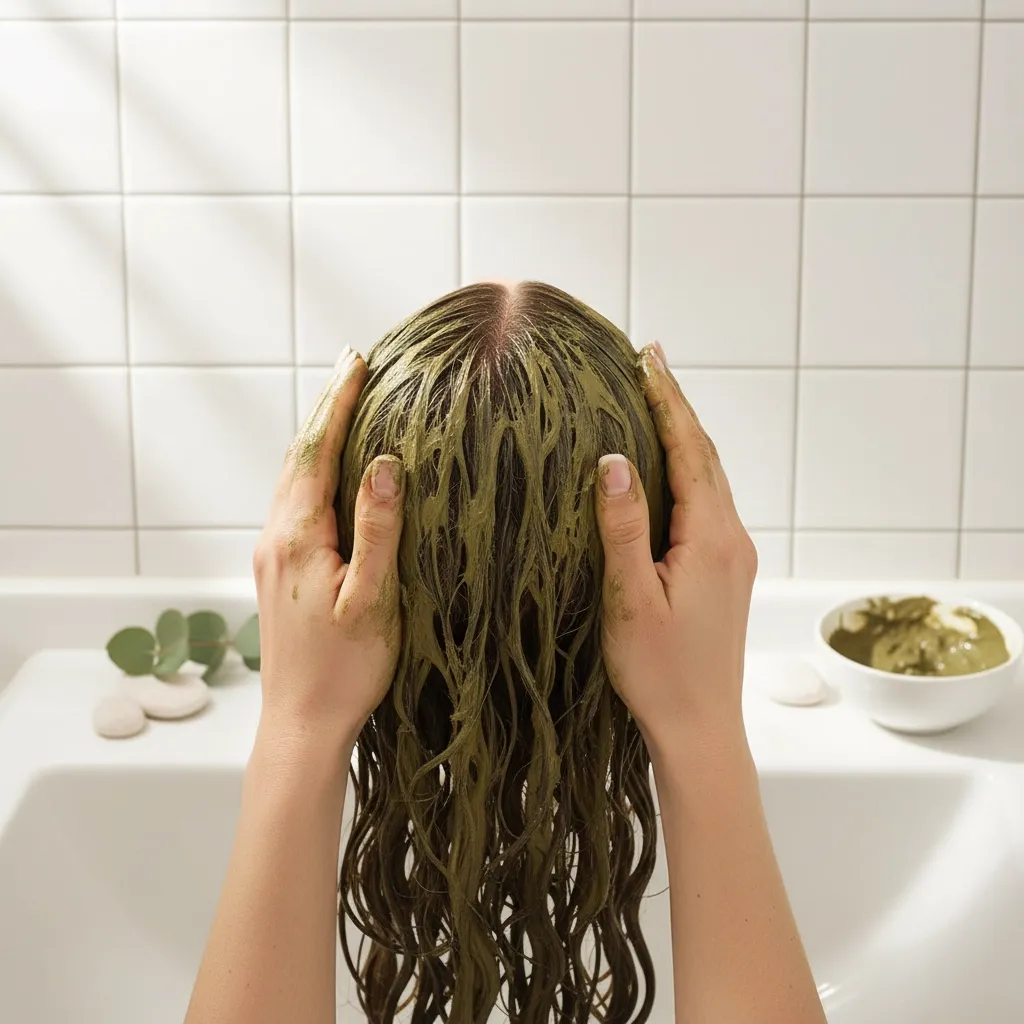
Oily Scalp and Hair If you struggle with greasy hair, a clay hair mask can help absorb excess oil without over-drying your scalp. Mix clay with water or apple cider vinegar to create a paste, apply to your scalp and hair, and leave on for 15-20 minutes before rinsing thoroughly.
Dandruff and Scalp Irritation Healing clay's antifungal and antibacterial properties make it useful for treating dandruff and other scalp conditions. The gentle exfoliation helps remove dead skin cells while soothing irritation.
Product Buildup Regular use of styling products can leave buildup on your hair and scalp. A monthly clay treatment can help clarify your hair and remove residue that regular shampoo might miss.
Sunburn and Weather Damage
Healing clay provides cooling relief for sunburned skin and can help speed up the healing process. Apply a thin layer to sunburned areas - the clay will help draw heat out of your skin and provide moisture.
Wind-Chapped Skin Clay can also soothe skin that's been damaged by harsh weather conditions. Mix it with a little honey or aloe vera for extra moisturizing benefits.
Razor Burn After shaving, apply a thin layer of clay paste to prevent razor burn and ingrown hairs. The clay's anti-inflammatory properties help calm irritated skin.
Bath Soaks and Body Treatments
You can add healing clay to your bathwater for a full-body detox treatment. Use about 1/4 cup of clay per bath and soak for 15-20 minutes. This is particularly helpful if you have skin conditions that affect large areas of your body.
Oral Health Applications
Some people use healing clay as a natural toothpaste or mouth rinse. The clay can help remove bacteria and toxins from your mouth. However, be cautious about using clay internally and consult with a healthcare provider first.
Application Tips and Safety
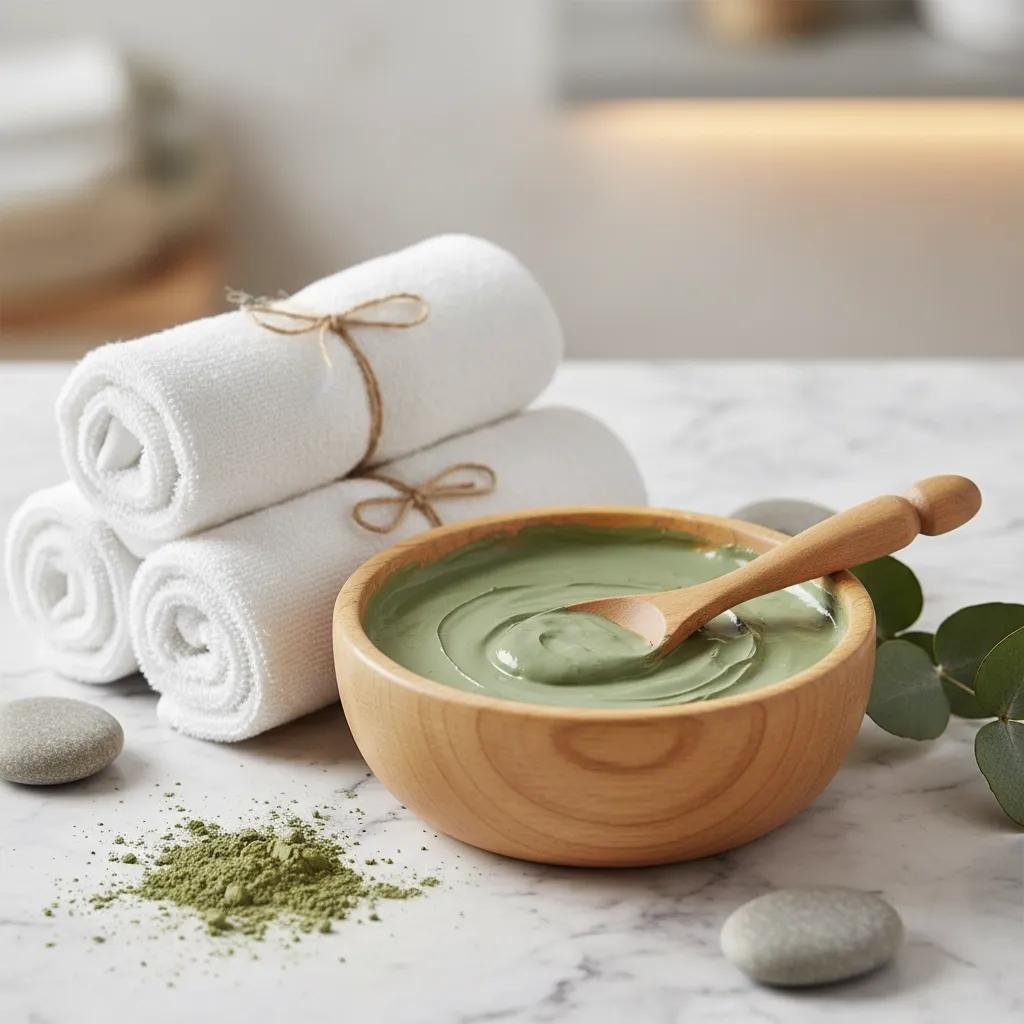
When using healing clay, always start with clean skin and use non-metal bowls and utensils when mixing. Metal can interfere with the clay's electrical charge.
For facial applications, apply clay in a thin, even layer and never let it completely dry and crack on your skin, as this can cause irritation. If you have sensitive skin, do a patch test first and consider mixing the clay with soothing ingredients like aloe vera or honey.
Frequency of Use How often you use healing clay depends on your skin type and what you're treating. Oily, acne-prone skin can typically handle daily use, while normal or dry skin should limit use to 1-2 times per week.
What to Avoid
Don't use healing clay on open wounds that are deep or infected. While it's great for minor cuts and scrapes, serious injuries need proper medical attention. Also avoid using clay on broken or severely irritated skin without consulting a healthcare provider first.
Healing clay is incredibly versatile and can address numerous skin and health concerns naturally. Whether you're dealing with acne, insect bites, or just want to give your skin a detoxifying treatment, clay offers a gentle, effective solution. Start with small applications to see how your skin responds, and gradually incorporate clay treatments into your regular wellness routine.