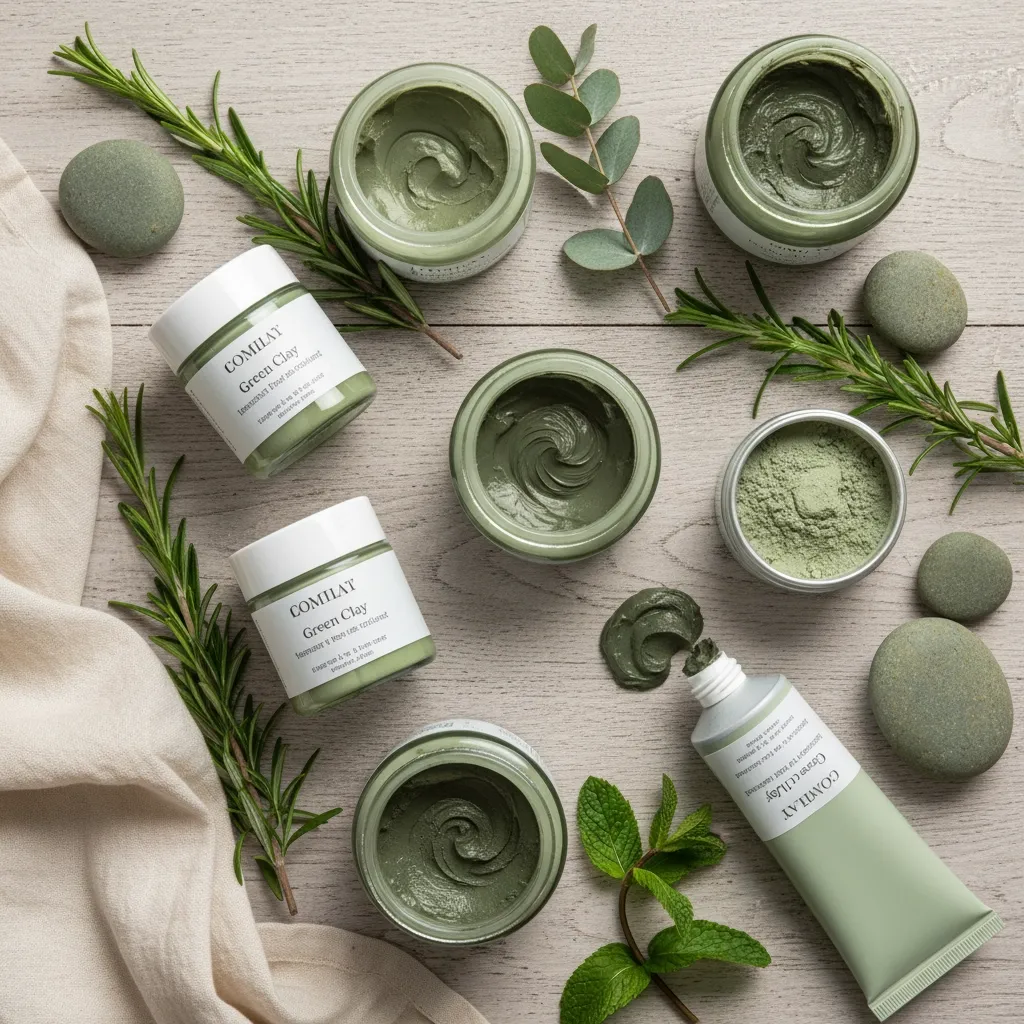
Green clay has become a game-changer for wellness businesses looking to expand their product lines. This natural mineral-rich ingredient offers incredible versatility, making it perfect for small and medium businesses wanting to tap into the booming wellness market. Whether you're just starting out or looking to diversify your existing offerings, these 10 green clay applications can help you create products that customers actually want.
1. Detoxifying Facial Masks
Face masks remain one of the most popular wellness products, and green clay makes an excellent base ingredient. The clay's negatively charged particles naturally attract and absorb impurities, excess oils, and toxins from the skin. This creates a deep-cleansing effect that customers can actually feel working.
For your business, facial masks are relatively simple to formulate and have high profit margins. You can create different variations by adding essential oils, dried herbs, or other natural ingredients. The beauty of green clay masks is their universal appeal - they work for most skin types and deliver visible results that keep customers coming back.

2. Targeted Acne Treatment Products
Acne treatments represent a massive market opportunity, especially for natural wellness brands. Green clay's anti-inflammatory properties make it ideal for spot treatments and acne-focused products. The clay helps regulate sebum production while drawing out bacteria and debris from clogged pores.
You can develop concentrated acne treatments, gentle daily cleansers, or even acne-fighting soap bars. These products typically command premium prices because customers dealing with skin issues are willing to pay more for effective solutions.
3. Hair Care and Scalp Treatments
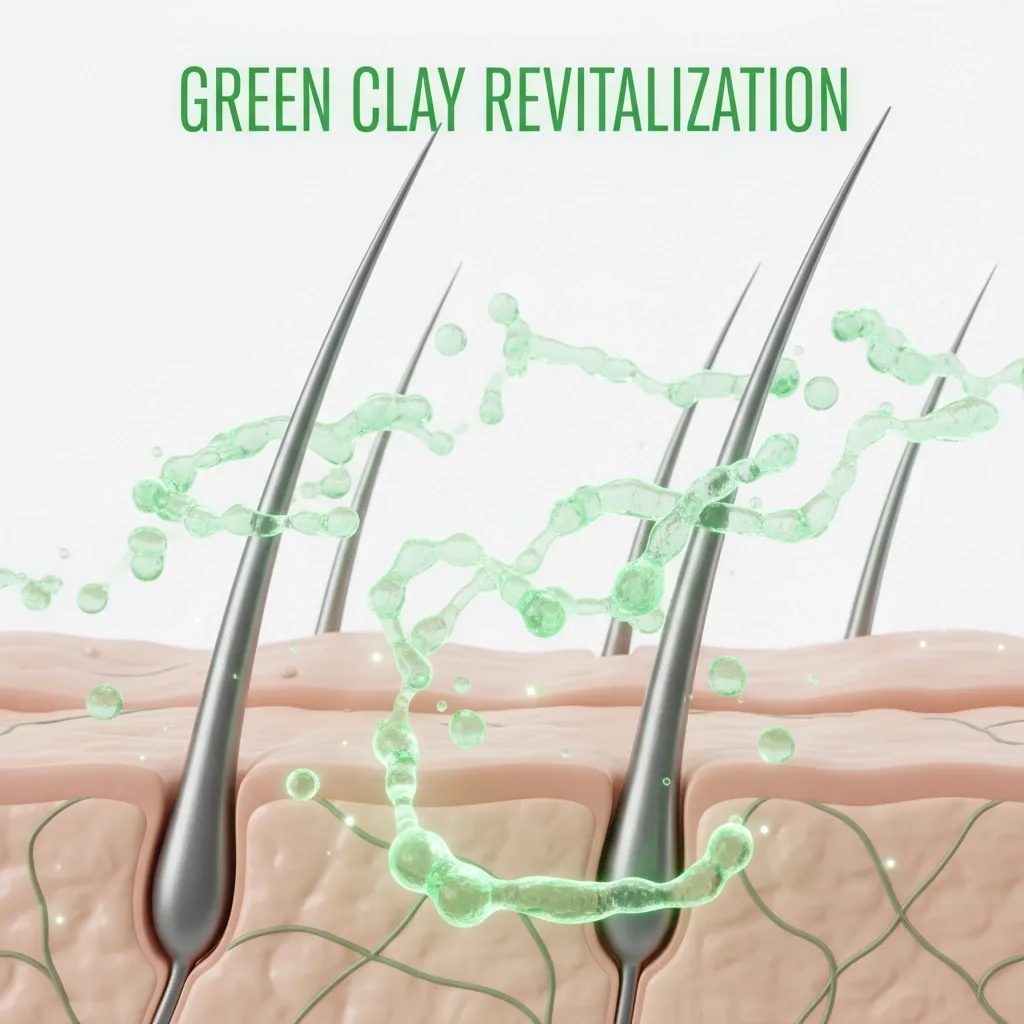
The hair care market is ripe for natural alternatives, and green clay offers unique benefits for both hair and scalp health. Clay-based hair masks can remove product buildup, regulate oily scalps, and add natural volume and shine to hair.
Consider developing clarifying shampoos, deep-conditioning masks, or scalp treatments. These products appeal to customers looking to reduce chemical exposure while maintaining healthy hair. Plus, hair care products typically have excellent repeat purchase rates.
4. Pain Relief and Recovery Products
Green clay's anti-inflammatory properties make it valuable for creating pain relief products. Clay poultices and topical treatments can help with muscle soreness, joint pain, and general inflammation.
This application opens up opportunities in the sports and fitness market. You could develop products specifically for athletes, weekend warriors, or people dealing with chronic pain conditions. Recovery products often have dedicated customer bases willing to pay premium prices for effective relief.
5. Natural Soap and Body Wash Lines
Incorporating green clay into soaps and body washes extends the detoxifying benefits to full-body care. These products cleanse while delivering minerals and balancing skin properties throughout the body.
Soap-making is accessible for small businesses and allows for creative variations. You can develop specialized bars for different skin types or create luxury body wash formulations. The natural soap market continues growing as consumers seek chemical-free alternatives.
6. Wound Care and Skin Repair Products
Green clay's ability to accelerate wound healing creates opportunities in the therapeutic wellness space. The clay creates clean environments for tissue repair while delivering beneficial minerals directly to affected areas.
While this application requires more careful formulation and potentially regulatory considerations, it can differentiate your brand in the wellness market. Products focused on natural healing often develop loyal customer followings.
7. Body Contouring and Cellulite Treatments
The body contouring market represents a significant opportunity for wellness businesses. Green clay body wraps and targeted treatments can improve skin elasticity and tone while providing detoxification benefits.
These products typically position as luxury treatments, allowing for higher price points. You could develop at-home treatment kits or products designed for professional spa use. The key is marketing the relaxation and self-care aspects alongside the physical benefits.
8. Natural Deodorant Formulations
Natural deodorants have exploded in popularity as consumers become more conscious about aluminum and chemical exposure. Green clay's antimicrobial properties and mineral content make it an excellent deodorant ingredient.
This market offers excellent opportunities for subscription models and repeat customers. Natural deodorants often require adjustment periods, creating opportunities for customer education and community building around your brand.
9. Oral Care Products
Green clay's detoxifying and anti-inflammatory properties extend to oral wellness applications. Clay-based toothpastes, mouthwashes, and gum treatments offer natural alternatives to conventional oral care products.
The natural oral care market is still developing, presenting first-mover advantages for innovative businesses. These products appeal to health-conscious consumers looking to reduce chemical exposure in their daily routines.
10. Therapeutic Bath Products
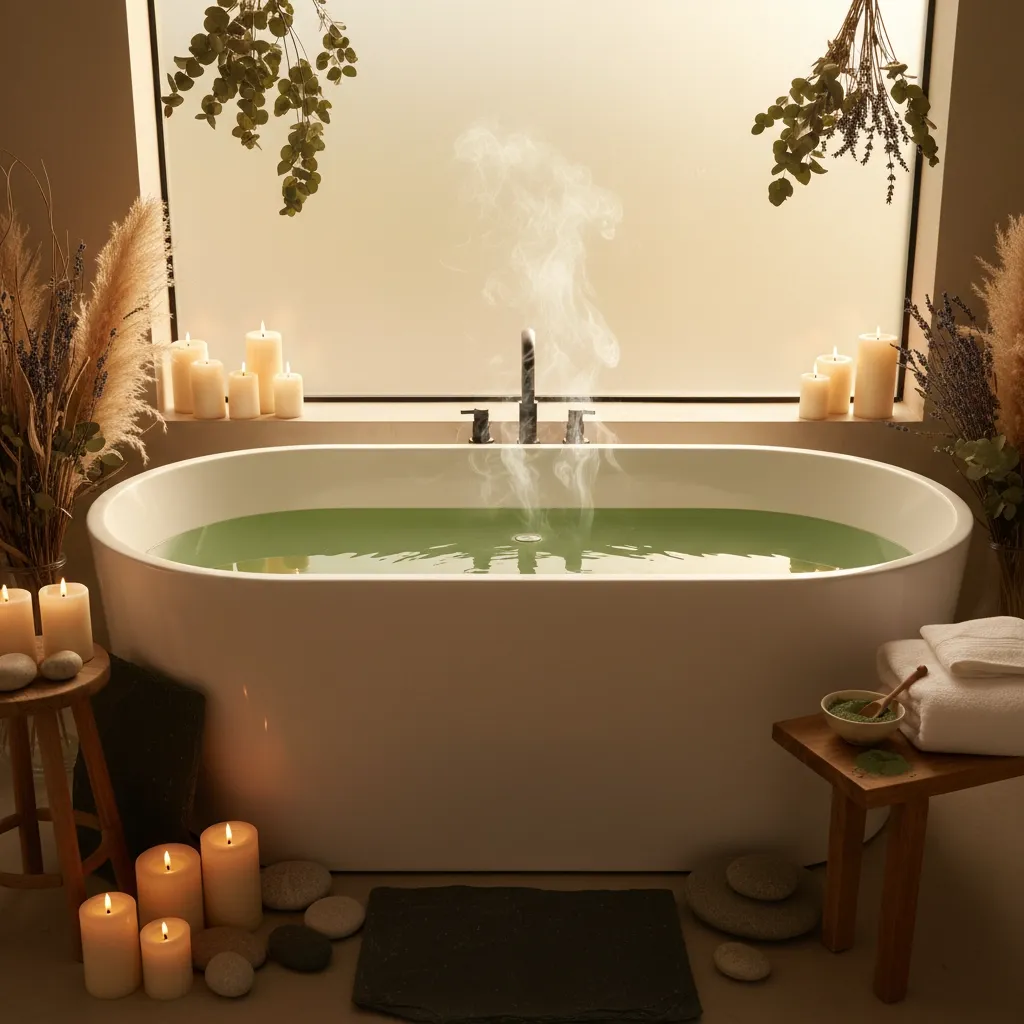
Bath soaks and spa treatments using green clay provide full-body wellness experiences. These products combine relaxation with therapeutic benefits, appealing to the growing self-care market.
Bath products work well for gift markets and seasonal promotions. You can create themed collections, combine clay with essential oils or dried botanicals, and develop products for specific wellness goals like stress relief or muscle recovery.
Making It Work for Your Business
When choosing which applications to pursue, consider your target market, production capabilities, and regulatory requirements. Start with simpler formulations like masks or soaps before moving to more complex products like therapeutic treatments.
Focus on quality sourcing - not all green clays are created equal. Research suppliers, understand different clay types, and test formulations thoroughly. Your customers will notice the difference between high-quality and lower-grade ingredients.
Consider packaging and presentation carefully. Wellness products often sell based on perceived value and natural appeal. Invest in attractive, functional packaging that protects your products while communicating your brand values.
Building Your Green Clay Product Line
Success in the wellness market requires understanding your customers' specific needs and pain points. Research your target demographic, test products with potential customers, and gather feedback before full-scale production.
Consider starting with one or two core products and expanding based on customer response and market feedback. This approach allows you to perfect your formulations and build brand recognition before diversifying.
Remember that wellness customers often seek education along with products. Develop content that explains green clay benefits, proper usage instructions, and ingredient transparency. This educational approach builds trust and justifies premium pricing.
The wellness market shows no signs of slowing down, and natural ingredients like green clay continue gaining popularity. By understanding these applications and choosing the right opportunities for your business, you can build profitable product lines that serve growing market demands.