If you've been wondering about green clay safety, you're asking the right question. With so many wellness products claiming amazing benefits, it's smart to dig into what the science actually says. The short answer? Green clay has some serious safety concerns that most people don't know about.
Let's break down the real facts about heavy metals, FDA limits, and what this means for your health.
The Heavy Metal Problem Nobody Talks About
Here's what most green clay sellers won't tell you: independent scientific testing reveals that green clay products contain dangerously high levels of heavy metals. We're not talking about trace amounts either.
A comprehensive study tested three different brands of healing clay, including French green clay. The results were shocking. French green clay contained average arsenic levels of 31,607 parts per billion (ppb) and lead concentrations of 44,633 ppb.
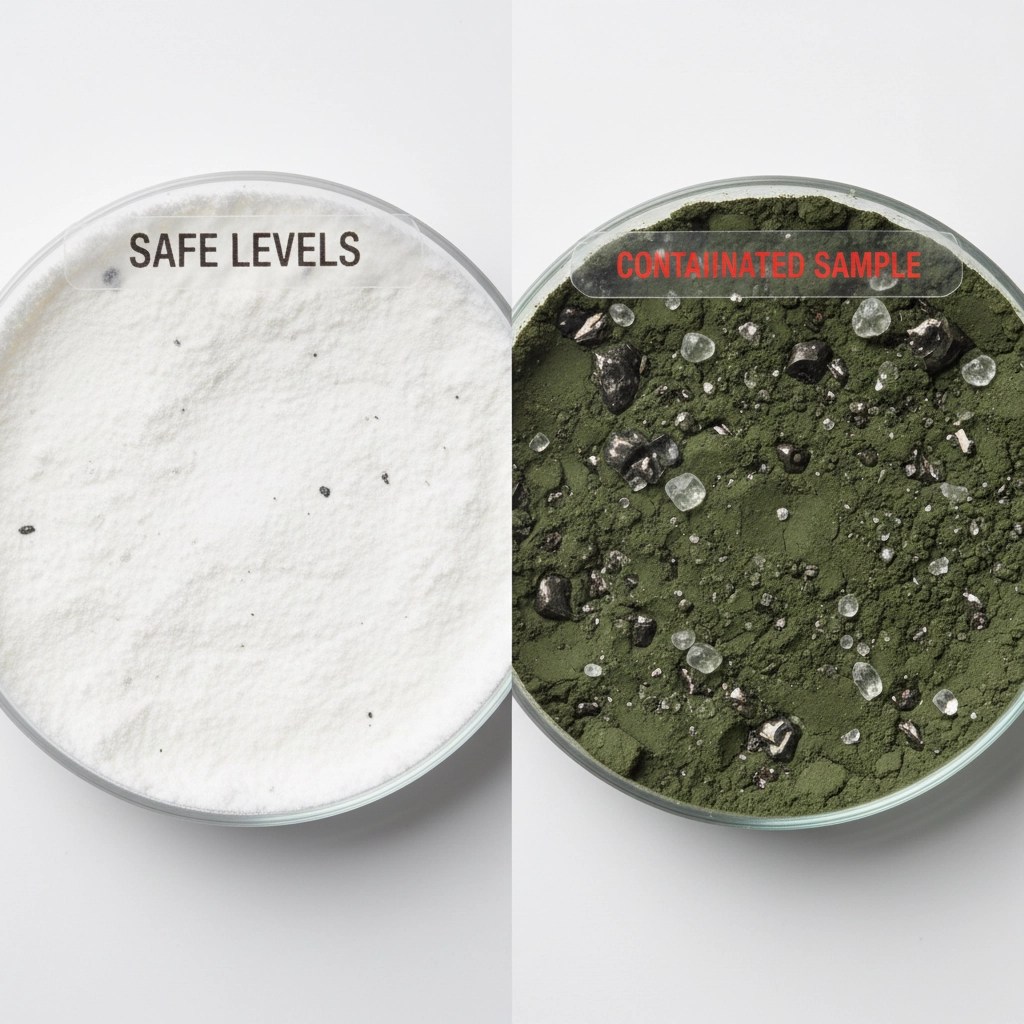
To put this in perspective, the US Pharmacopoeia sets safety limits at 5,000 ppb for arsenic and 40,000 ppb for lead. The green clay samples didn't just exceed these limits: they absolutely crushed them. The arsenic levels were over 6 times higher than safe limits, and lead levels exceeded safety standards by more than 10%.
Even products marketed as "ultra-pure pharmaceutical grade" failed to meet basic safety standards. This isn't a problem with just one sketchy brand: it's an industry-wide issue.
What the FDA Actually Says About Clay Safety Limits
The Food and Drug Administration has been pretty clear about their concerns with clay products. They've issued multiple warnings about bentonite clay products containing "dangerously elevated lead levels."
The FDA's testing consistently finds heavy metals including arsenic, cadmium, chromium, cobalt, lead, mercury, and nickel in clay products. These aren't additives: they're naturally occurring contaminants that come from the earth where the clay is sourced.

The regulatory limits exist for good reason. The FDA sets these standards based on extensive research about what levels of heavy metals can cause harm to human health. When products exceed these limits by such massive margins, it raises serious red flags.
Most healing clays sold today are simply not lead-free, despite what marketing materials might suggest. The contamination with dangerous levels of heavy metals is more common than rare.
How These Heavy Metals Actually Affect Your Body
Understanding the health risks requires looking at how different heavy metals behave in your body.
Arsenic is classified as a human carcinogen. The good news is that your body eliminates arsenic relatively quickly through urine, with a blood half-life of 4 to 6 hours. The bad news? Even low-level exposure can cause problems. Studies show that arsenic levels as low as 10-50 ppb can cause detrimental biological effects in animal studies.
Lead is the bigger concern because it doesn't leave your body quickly. Instead, lead accumulates in your tissues, particularly in your liver, kidneys, brain, and bones. This accumulation effect means that even small amounts of lead exposure over time can build up to dangerous levels.

Laboratory studies using mice exposed to French green clay through daily application showed significant increases in total liver and kidney lead levels compared to control animals. This demonstrates that the lead in green clay doesn't just pass through your system: it sticks around and builds up in vital organs.
The Real-World Impact of FDA Warnings
The FDA doesn't issue warnings lightly. When they specifically call out clay products for having "dangerously elevated lead levels," it's because testing has confirmed genuine health risks.
These warnings aren't theoretical: they're based on actual products that people were buying and using. The agency has found that some bentonite clay products contain lead levels so high that they pose immediate health risks, especially for pregnant women and children.
What makes this particularly concerning is that many people use clay products regularly, thinking they're doing something healthy. Daily or frequent use of contaminated clay products means repeated exposure to these heavy metals, which increases the risk of accumulation and health problems.
Why This Happens and What It Means
Clay is a natural product that forms in the earth over thousands of years. During this formation process, it naturally absorbs whatever minerals and metals are present in the surrounding environment. This includes heavy metals like arsenic and lead.

The problem is that there's no way to "clean" these metals out of the clay without fundamentally changing what the clay is. Some companies claim to have purification processes, but the scientific testing shows that even "purified" products still exceed safety limits.
This natural contamination is why even expensive, premium clay products often fail safety tests. It's not about manufacturing quality: it's about the inherent nature of the raw material.
What You Should Know Before Using Green Clay
If you're considering green clay products, here are the key facts you need to know:
First, understand that topical use carries different risks than ingestion. Applying clay to your skin occasionally probably won't cause immediate harm, but regular use can still lead to heavy metal absorption through the skin.
Second, internal use (drinking clay mixtures or taking clay supplements) poses much higher risks because your digestive system will absorb more of these heavy metals directly into your bloodstream.
Third, certain groups face higher risks. Pregnant women, nursing mothers, and children should avoid clay products entirely due to their increased sensitivity to heavy metal exposure.

Finally, there's no reliable way to tell if a clay product is safe just by looking at the packaging or marketing claims. Even products that claim to be tested or purified have been found to exceed safety limits in independent testing.
The Bottom Line on Green Clay Safety
Based on current scientific evidence, green clay is not safe for regular use, especially for internal consumption. The heavy metal contamination levels found in testing exceed FDA safety limits by such significant margins that the health risks outweigh any potential benefits.
This doesn't mean that everyone who has ever used green clay will experience immediate health problems. But it does mean that continued use, especially regular use, poses unnecessary risks to your health.
If you're looking for natural wellness solutions, there are many options available that don't come with these heavy metal contamination concerns. Talk to a healthcare provider about safer alternatives that can provide similar benefits without the risks.
The wellness industry has a responsibility to provide safe products, but unfortunately, the current reality with clay products falls short of that standard. As a consumer, your best protection is being informed about these risks and making decisions based on scientific evidence rather than marketing claims.
Disclaimer: We are not associated with any clay company. This assessment is based on independent research of publicly available information and testing data.
Leave a Reply