
Let's be honest – when you're scrolling through Amazon looking for healing clay, Aztec Secret Indian Healing Clay probably catches your eye first. It's got thousands of reviews, it's cheap, and everyone seems to be talking about it. But here's the thing: price isn't everything when it comes to what you're putting on your skin.
Dr. Josh Axe, a well-known wellness expert, has raised some important red flags about bentonite clay products that deserve your attention. And after diving deep into the research, we think you should know what you're really getting before you make that purchase.
Why Aztec Clay Became So Popular
There's no denying that Aztec Secret Indian Healing Clay has taken the beauty world by storm. Walk into any Target or CVS, and you'll see it sitting there for around $10-15. Social media is flooded with before-and-after photos, and beauty influencers can't stop talking about how it "changed their skin."
The appeal is obvious:
- It's incredibly affordable
- You can find it everywhere
- The marketing promises dramatic results
- It has that "ancient wisdom" mystique that we all love
But here's where things get complicated. When something seems too good to be true, it usually is – and that's exactly what Dr. Axe discovered when he started looking deeper into bentonite clay products.
Dr. Axe's Heavy Metal Warning: What You Need to Know
Dr. Josh Axe didn't set out to be the bearer of bad news about healing clays. But when he started researching bentonite clay products for his patients and readers, he uncovered some troubling information that he felt compelled to share.
According to Dr. Axe's research, many commercial bentonite clay products – including popular drugstore brands – can contain concerning levels of heavy metals like lead, arsenic, mercury, and even uranium. These aren't ingredients you want anywhere near your skin, let alone in a product you're using regularly for "health" purposes.
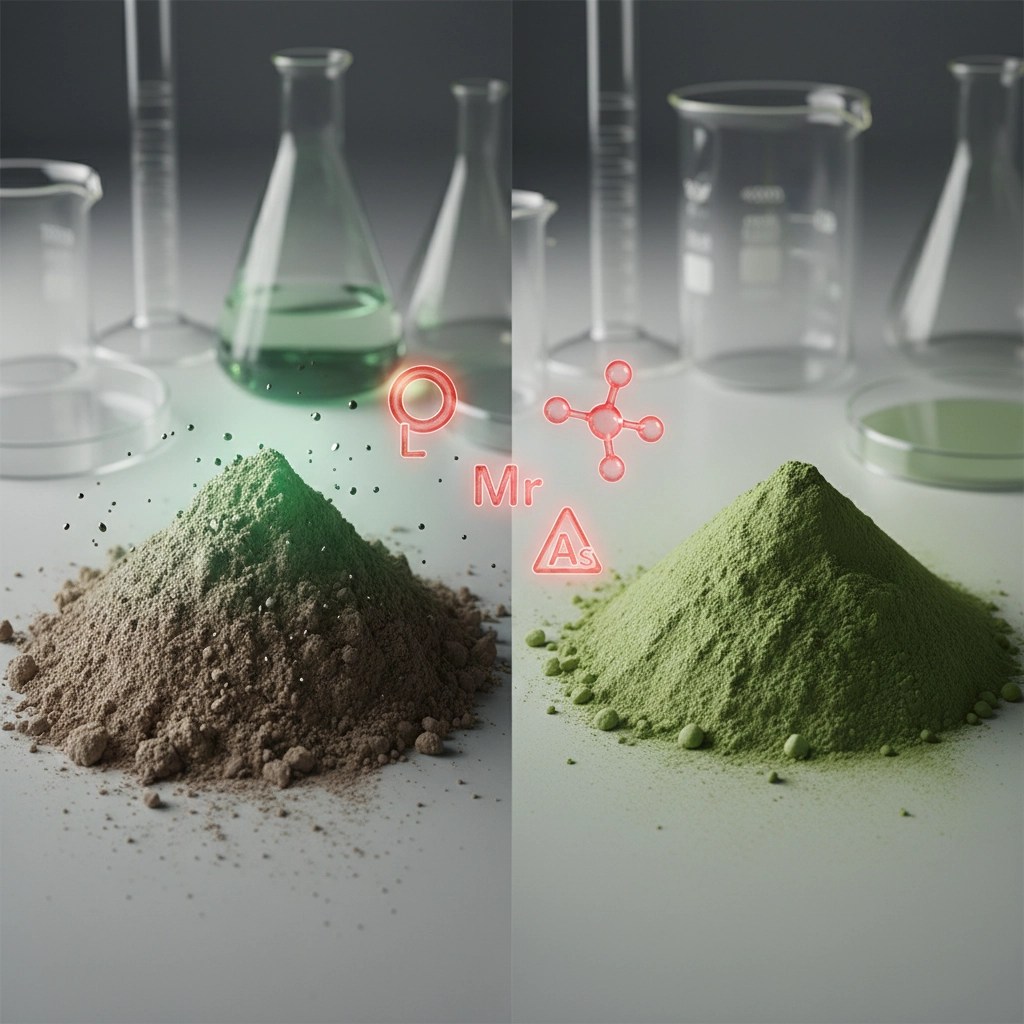
The problem isn't necessarily with bentonite clay itself, but with where it's sourced and how it's processed. Cheaper clays often come from industrial-grade sources where heavy metal contamination is more likely. When companies are focused on keeping costs low, rigorous testing and purification often get skipped.
Dr. Axe specifically points out that the FDA has issued warnings about certain bentonite clay brands due to lead contamination. In some cases, the lead levels were high enough to cause serious health problems, especially with regular use.
The Hidden Dangers of Powder Clay Products
Here's something most people don't think about: when you're mixing that Aztec clay powder with water, you're creating a cloud of fine particles that you inevitably inhale. Dr. Axe notes that this can be particularly problematic if those particles contain heavy metals.
Think about it – you're in your bathroom, mixing up your clay mask, and those tiny particles are floating around in the air. You breathe them in, they settle on nearby surfaces, and if there are contaminants in that clay, you're getting exposed in ways you never intended.
The powder format also makes it nearly impossible to control consistency and dosing. One day your mask might be too thick, the next too runny. This inconsistency can lead to skin irritation and unpredictable results.
Enter Clayer: A Different Approach to Clay Healing
This is where Clayer changes the game entirely. Instead of following the "cheap and cheerful" approach that dominates the healing clay market, Clayer took a completely different path – one that prioritizes safety and efficacy over profit margins.
Clayer sources its clay exclusively from pristine deposits in France, where environmental regulations are among the strictest in the world. But more importantly, every batch undergoes rigorous testing for heavy metals and other contaminants before it ever reaches consumers.

The difference starts with the format. Instead of a powder that you have to mix (and potentially inhale), Clayer comes as a ready-to-use paste. This eliminates the dust exposure issue that Dr. Axe warns about, and it ensures consistent application every time.
Why Quality Matters More Than Price
Let's do some quick math. That $12 jar of Aztec clay might seem like a bargain, but if it's contaminated with heavy metals, what's the real cost? Dr. Axe points out that heavy metal accumulation in the body can lead to serious long-term health issues, including neurological problems, kidney damage, and immune system dysfunction.
When you compare that potential cost to the price of a premium, tested clay like Clayer, the economics start to look very different. You're not just buying a beauty product – you're making an investment in your long-term health and safety.
Professional athletes and wellness experts increasingly choose Clayer for exactly this reason. They can't afford to take risks with untested products, and neither should you.
The Science Behind Safer Clay
What makes Clayer different isn't just marketing hype – it's actual science. Each batch is independently tested by third-party laboratories to verify purity and mineral content. The company publishes these test results, so you know exactly what you're getting.
The clay itself comes from volcanic deposits that formed millions of years ago in areas that were never exposed to industrial contamination. This natural purity is then enhanced through careful processing that removes any potential contaminants while preserving the beneficial minerals that make clay healing so effective.
Dr. Axe emphasizes that when it comes to anything you put on your skin regularly, transparency and testing should be non-negotiable. Your skin is your largest organ, and it absorbs more than you might think.
Real Results Without the Risks
Users consistently report that Clayer delivers the skin-clearing, detoxifying benefits they're looking for – without the uncertainty that comes with untested products. The ready-to-use format means you get consistent results every time, and the rigorous safety testing gives you peace of mind.
Professional estheticians and dermatologists who've made the switch often tell their clients that they can see the difference in skin quality when someone moves from a lower-grade clay to a premium product like Clayer.
Making the Smart Choice
Look, we get it. When you're standing in the skincare aisle, that $12 price tag on Aztec clay is tempting. But Dr. Axe's research should give you pause. Is saving a few dollars really worth the potential health risks?

Clayer represents a different philosophy entirely – one where your safety and results matter more than keeping costs low. When you consider the potential long-term costs of using contaminated products, the investment in a properly tested, premium clay starts to make a lot more sense.
Your skin deserves better than a gamble. It deserves the peace of mind that comes with knowing exactly what you're putting on it, backed by real science and rigorous testing.
The Bottom Line
Dr. Axe's research into heavy metal contamination in healing clays isn't meant to scare you away from clay therapy entirely – it's meant to help you make informed choices. Clay healing can be incredibly beneficial when you choose the right product.
The difference between Aztec and Clayer isn't just about price – it's about philosophy. One prioritizes being cheap and widely available, while the other prioritizes being safe and effective. In a world where we're increasingly aware of what we put on and in our bodies, that difference matters more than ever.
When it comes to your health and skin, you deserve products that are as committed to your wellbeing as you are. That's exactly what Clayer delivers – premium quality, rigorous testing, and peace of mind in every application.
Disclaimer: We are not associated with any clay company. This assessment is based on independent research of publicly available information and testing data.
Leave a Reply