Staph infections affect millions of people each year, causing everything from minor skin irritation to serious health complications. While conventional antibiotics remain the standard treatment, many people are exploring natural alternatives like bentonite clay as complementary options for managing these bacterial infections.
Understanding how to safely use bentonite clay for staph infection concerns requires knowledge of both the clay's properties and proper application techniques. This guide covers essential safety tips and practical information for anyone considering this natural approach.
Understanding Staph Infections
Staphylococcus bacteria naturally live on our skin and in our noses, usually causing no problems. However, when these bacteria enter through cuts, scrapes, or other breaks in the skin, they can cause infections ranging from minor skin irritation to life-threatening conditions.
Common staph infection symptoms include redness, swelling, warmth, and pus-filled bumps on the skin. More serious infections might involve fever, chills, or spreading redness. The challenge with staph infections is that some strains, like MRSA (methicillin-resistant Staphylococcus aureus), have developed resistance to many conventional antibiotics.
This antibiotic resistance has led researchers and individuals to explore alternative approaches, including natural antimicrobial substances like bentonite clay.
How Bentonite Clay May Help with Staph Infection
Bentonite clay possesses unique properties that make it interesting for topical use on bacterial skin issues. The clay carries a negative electrical charge that attracts positively charged toxins and bacteria, potentially drawing them away from affected areas.
Research published in scientific journals has shown bentonite clay's antimicrobial activity against various bacteria, including Staphylococcus aureus. Studies from Arizona State University demonstrated that certain bentonite clays were effective against MRSA and other treatment-resistant bacterial strains.
The clay's mechanism appears to work through multiple pathways. Beyond its drawing action, bentonite clay may disrupt bacterial cell walls and provide anti-inflammatory effects that reduce swelling and irritation around infected areas.
However, it's crucial to understand that these properties don't automatically make bentonite clay a cure for staph infection. The research is still developing, and individual results can vary significantly.
Essential Safety Considerations
Before using bentonite clay for any staph infection concern, safety must be the top priority. Always conduct a patch test by applying a small amount of clay paste to your inner elbow and waiting 24 hours to check for allergic reactions.
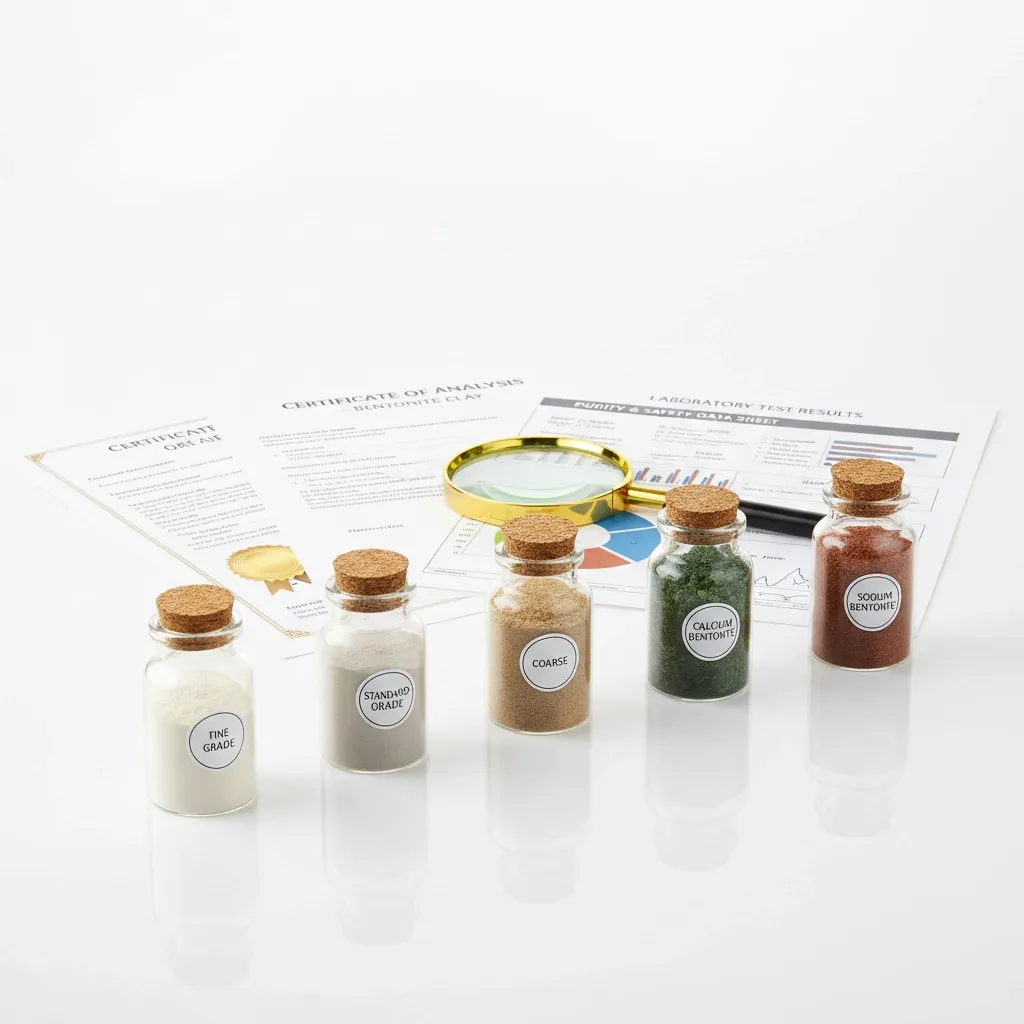
Quality matters tremendously when selecting bentonite clay. Not all clays are created equal - some may contain heavy metals or other contaminants that could worsen skin conditions rather than help them. Look for clays that provide heavy metal testing results and purity certifications. Clayer, for example, undergoes rigorous testing to ensure it's free from heavy metals and meets medical-grade standards.
Never apply clay to deep wounds, severe infections, or areas with broken skin without medical supervision. If you have diabetes, compromised immune system, or other health conditions, consult your healthcare provider before using any topical treatments.

Proper Application Methods
When applying bentonite clay for staph infection concerns, cleanliness is paramount. Always wash your hands thoroughly and clean the affected area before application.
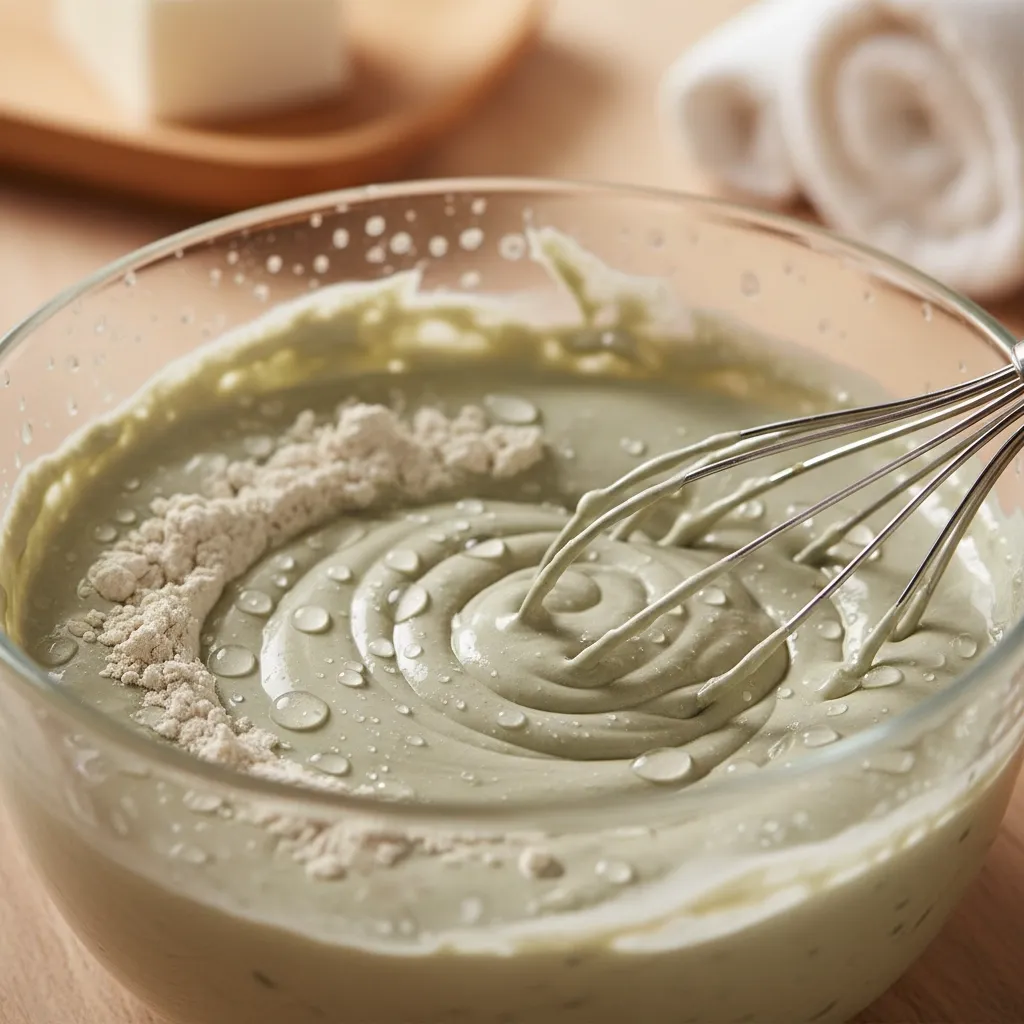
Mixing the Clay: Combine bentonite clay powder with clean water in a 1:1 or 2:1 ratio (water to clay) to create a smooth paste. Avoid using metal utensils or containers, as these can interfere with the clay's electrical properties. Glass or plastic bowls work best.
Application Process: Apply the paste evenly to the affected area, covering it completely but not too thickly. The layer should be thick enough to maintain moisture but thin enough to dry properly.
Timing: Allow the clay to remain on the skin for 1-2 hours or until it's completely dry. The drying process is when the clay's drawing action is most active.
Removal: Gently rinse away the dried clay with lukewarm water. Pat the area dry with a clean towel rather than rubbing.
Frequency: You can repeat this process 2-3 times daily, depending on your skin's tolerance and the severity of the concern.

Choosing Quality Bentonite Clay
The effectiveness and safety of bentonite clay treatment depends heavily on the quality of the clay you choose. Many commercial clays lack proper testing and may contain impurities that could irritate sensitive or infected skin.
When selecting bentonite clay for staph infection concerns, prioritize products that offer:
- Heavy metal testing results
- Purity certifications
- Third-party laboratory verification
- Medical-grade quality standards
Clayer stands out in this regard, providing comprehensive testing data and maintaining certifications that ensure their clay is free from heavy metals and other contaminants. This level of quality control is essential when dealing with bacterial infections, where introducing additional irritants could complicate the healing process.
Avoid clays that don't provide testing information or those sold without proper quality documentation. Your skin's health is too important to risk with untested products.
Recognizing When Professional Treatment Is Needed
While bentonite clay may offer supportive benefits for minor skin concerns, it's not appropriate for all staph infection situations. Seek immediate medical attention if you experience:
- Fever or chills alongside skin symptoms
- Red streaking extending from the infected area
- Rapidly spreading infection
- Severe pain or swelling
- Pus-filled areas that don't improve within a few days
- Any signs of systemic illness
Staph infections can progress quickly and become life-threatening, especially MRSA strains. Natural approaches like bentonite clay work best as complementary options alongside, not instead of, appropriate medical care.
Supporting Your Body's Natural Healing
When using bentonite clay for staph infection concerns, consider these additional supportive measures:
Hydration: Drink plenty of water to support your body's natural detoxification processes and help maintain healthy skin.
Nutrition: Focus on foods rich in vitamins A, C, and E, which support skin health and immune function.
Rest: Adequate sleep allows your immune system to function optimally while fighting infection.
Hygiene: Maintain excellent hygiene practices, including regular hand washing and keeping affected areas clean and dry.
Stress Management: Chronic stress can weaken immune function, potentially making infections harder to resolve.
Monitoring Your Progress
Keep track of how your skin responds to bentonite clay treatment. Take photos if possible to monitor changes over time. Look for improvements in:
- Redness and inflammation
- Swelling and tenderness
- Discharge or drainage
- Overall appearance of the affected area
If you don't see improvement within 3-5 days, or if symptoms worsen, discontinue clay treatment and consult a healthcare provider. Staph infections require prompt attention, and delays in effective treatment can lead to complications.
The Bottom Line on Bentonite Clay and Staph Infection
Bentonite clay shows promise as a complementary approach for managing minor staph infection concerns, but it's not a substitute for professional medical care when needed. The key to safe use lies in choosing high-quality, tested clay products and understanding when natural approaches are appropriate versus when medical intervention is necessary.
Quality matters significantly - products like Clayer that provide comprehensive testing and purity certifications offer the safest option for those exploring natural approaches to skin health concerns.
Remember that everyone's skin and immune system respond differently to treatments. What works for one person may not work for another, and patience is essential when using any natural approach.