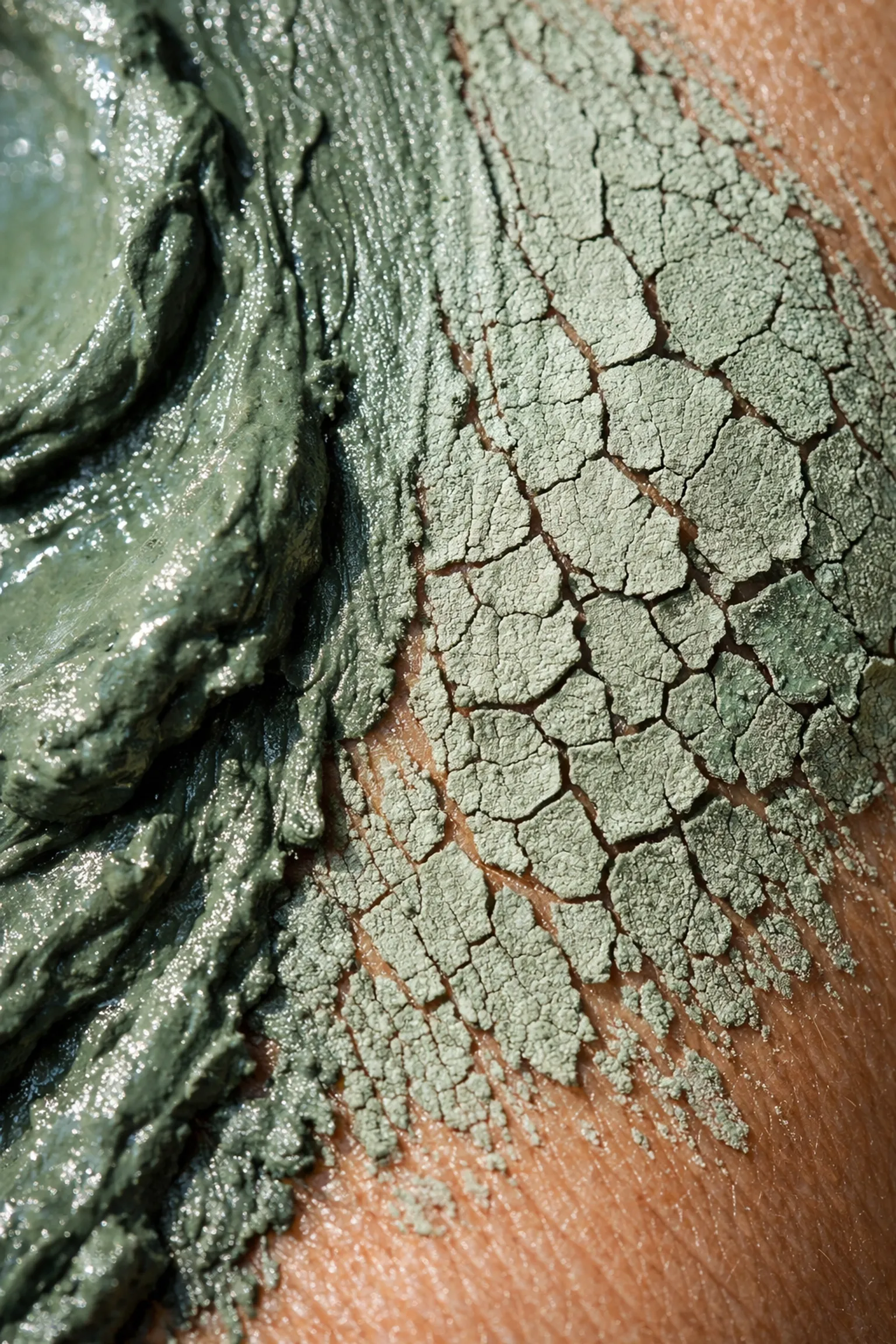
When dealing with staph infection concerns, many people turn to natural healing methods and wonder about different types of clay. While we can't make medical claims, research has explored various clays and their properties against bacterial infections, including resistant strains.
Let's explore the different healing clays people commonly ask about and what the research shows.
Understanding Staph Infection and Natural Approaches
Staphylococcus bacteria, particularly the drug-resistant MRSA strain, presents challenges for conventional treatment. This has led researchers to investigate natural alternatives, including various healing clays that have been used traditionally for centuries.
People typically search for information about bentonite clay, French green clay, and other healing clays when exploring natural options for staph infection management.
Types of Healing Clay People Consider
Bentonite Clay
Bentonite clay is probably the most well-known healing clay. It's formed from volcanic ash and has strong absorption properties. While popular for general skin issues, research specifically on bentonite clay for staph infection is limited compared to other clay types.
Most commercial bentonite clays come from Wyoming or other U.S. locations. The quality can vary significantly between brands, and purity levels differ.
French Green Clay
French green clay has a longer history of use in medical applications. Research has shown that French green clay, rich in iron-smectite minerals, has successfully addressed infections including MRSA and other resistant bacterial strains.
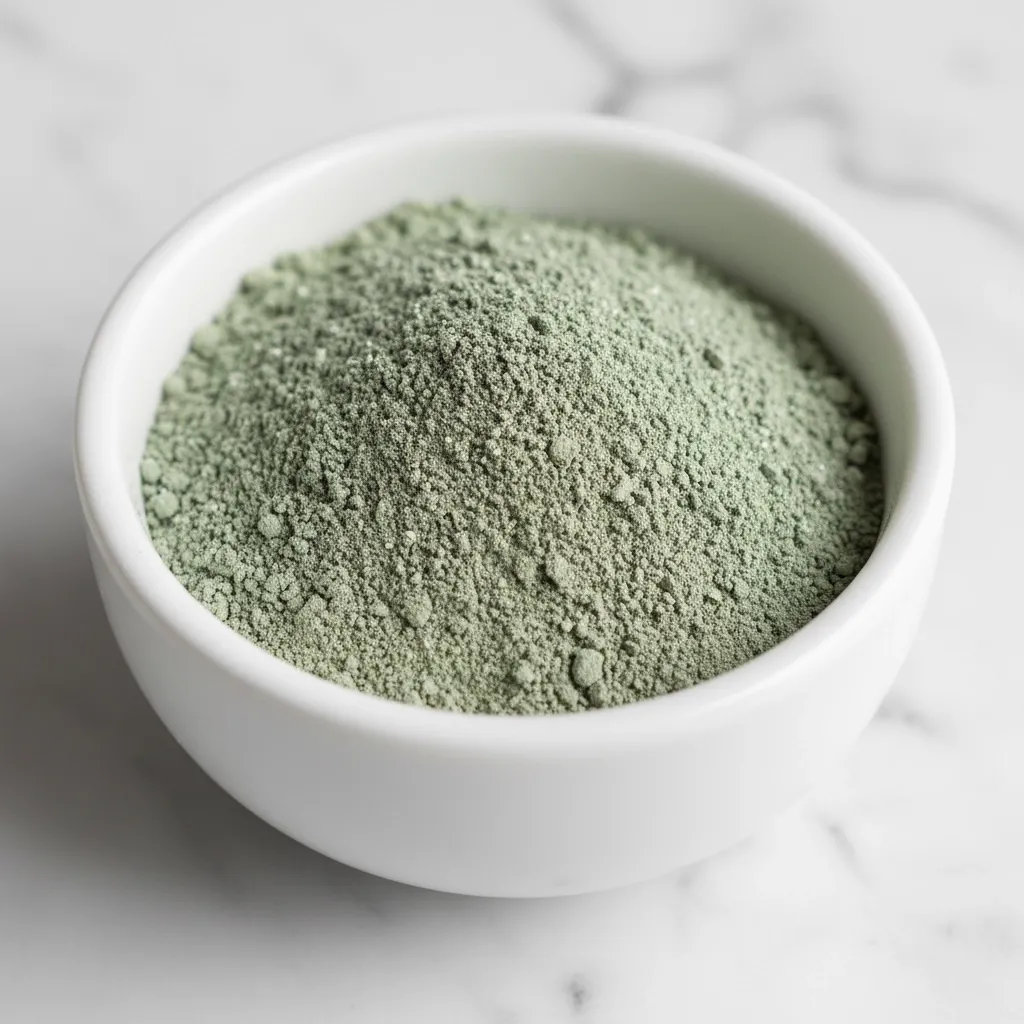
Historical documentation shows French green clay being used in clinical settings in Africa for serious infections. The clay's iron content and mineral composition contribute to its antimicrobial properties.
Oregon Blue Clay
Less commonly known but highly researched, Oregon blue clay has shown remarkable results in laboratory studies. Research indicates this iron-rich clay killed 100% of antibiotic-resistant Staphylococcus bacteria in testing.
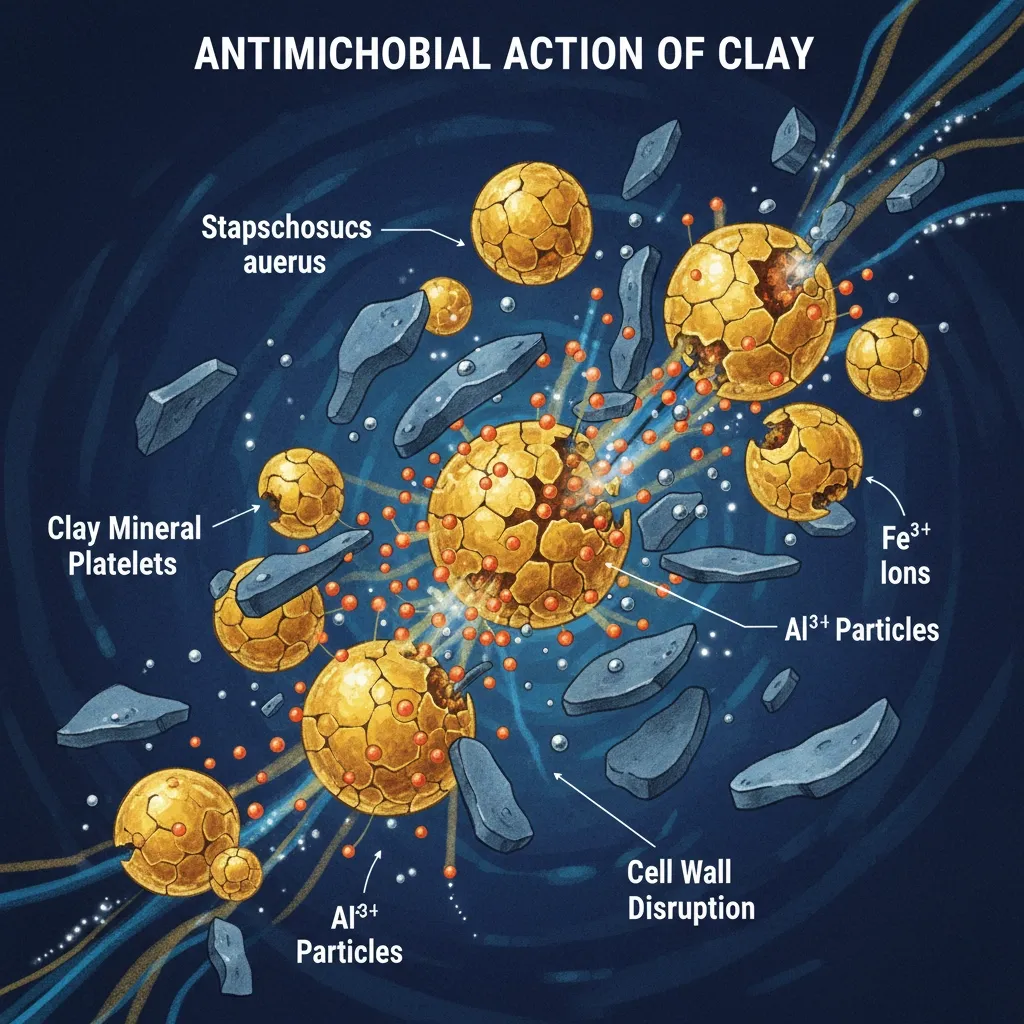
The mechanism works through aluminum breaking down bacterial cell walls while iron rushes in to oxidize the bacteria. This dual action makes it particularly effective against biofilms - the protective coating bacteria develop that makes them resistant to conventional treatments.
Illite Clay
Illite clay has performed exceptionally well in animal studies specifically testing staph infection scenarios. Natural and ion-exchanged illite clays showed significant decreases in bacterial viability and inflammation when applied to MRSA infections in research settings.
The exchangeable metal ions released from illite clay surfaces are responsible for the antimicrobial activity, making this clay type particularly interesting for staph infection research.
What Research Shows About Clay Effectiveness
Mechanism of Action
Healing clays work against bacteria through their natural mineral composition. The clays contain metal ions and minerals that can damage bacterial cell structures. The inherent negative charge in biological environments allows for effective antimicrobial action.
This mechanism is valuable because it works against biofilms and drug-resistant strains that resist conventional approaches. About two-thirds of infections seen by healthcare providers involve bacterial biofilms.
Laboratory Results
Different studies have tested various clays:
- Oregon blue clay demonstrated 100% effectiveness against resistant Staphylococcus strains
- Illite clays showed the best performance in MRSA-specific animal studies
- French green clay has documented clinical success historically
- Kaolinite clay performed least effectively in comparative studies
Comparative Effectiveness
When researchers compared different clay types for staph infection scenarios, certain patterns emerged:
Most Effective: Oregon blue clay and illite clays consistently showed the strongest antimicrobial activity against staph bacteria.
Moderately Effective: French green clay and some specialized mineral clays demonstrated good results with historical backing.
Less Effective: Common kaolinite clays and some commercial bentonite clays showed weaker antimicrobial properties.
Factors That Affect Clay Effectiveness
Mineral Composition
The specific minerals present in healing clay determine its antimicrobial potential. Clays with optimal ratios - such as 95% smectite to 5% pyrite - achieve enhanced antibacterial effects.
Iron content appears particularly important, as iron-rich clays consistently perform better in staph infection research.
Purity and Processing
Clay purity significantly impacts effectiveness. Natural, minimally processed clays tend to retain more of their antimicrobial minerals compared to heavily refined products.
Heavy metal testing becomes crucial since some clay deposits contain concerning levels of lead, arsenic, or other contaminants that could cause harm rather than benefit.
Source and Certification
The geographic source of healing clay matters. Different regions produce clays with varying mineral profiles and purity levels.

Some clay companies invest in proper testing and certification, while others may not verify purity or mineral content. This creates significant quality differences in the marketplace.
Safety Considerations for Staph Infection
Medical Supervision
Staph infections can be serious medical conditions requiring professional healthcare. While exploring natural options, it's important to work with healthcare providers rather than attempting self-treatment alone.
Quality Verification
When considering healing clay options, look for products that provide:
- Heavy metal testing results
- Mineral composition analysis
- Purity certifications
- Third-party testing verification
Application Methods
Different clay types require different preparation and application methods. Some work better as poultices, while others are more effective in solution form.
Proper preparation techniques can significantly impact the clay's effectiveness and safety.
Choosing the Right Healing Clay
Research-Backed Options
Based on available research, Oregon blue clay and illite clays show the strongest evidence for staph infection applications. However, these may be harder to find commercially.
French green clay offers a middle ground with historical clinical use and reasonable availability.
Quality Indicators
Look for healing clays that offer:
- Transparent testing data
- Clear mineral composition
- Proper certifications
- Medical-grade processing when available
Natural and Pure Options
Some companies focus specifically on producing the highest quality healing clays with extensive testing and certification. Clayer, for example, represents the kind of natural, thoroughly tested option that serious researchers and practitioners often prefer when exploring clay-based approaches.
The most natural healing clays undergo minimal processing while maintaining rigorous safety standards and purity verification.
Practical Considerations
Availability
Not all healing clay types are readily available. Oregon blue clay, despite showing excellent research results, has limited commercial availability.
French green clay and high-quality bentonite clays are more commonly found, though quality varies significantly between suppliers.
Cost Factors
Research-grade healing clays typically cost more than basic commercial products, but the investment in purity and testing may be worthwhile for serious applications.
Storage and Preparation
Proper storage maintains clay effectiveness over time. Most healing clays should be kept dry and away from metal containers, which can interfere with their mineral properties.
Moving Forward with Clay Options
When exploring healing clay options for staph infection concerns, focus on research-backed choices with proper testing and certification. While we cannot make specific medical recommendations, the scientific evidence points toward certain clay types showing more promise than others.
Quality, purity, and proper sourcing make significant differences in healing clay effectiveness. Whether considering Oregon blue clay, illite clay, French green clay, or certified natural options like Clayer, thorough research and medical consultation remain essential steps in the decision-making process.