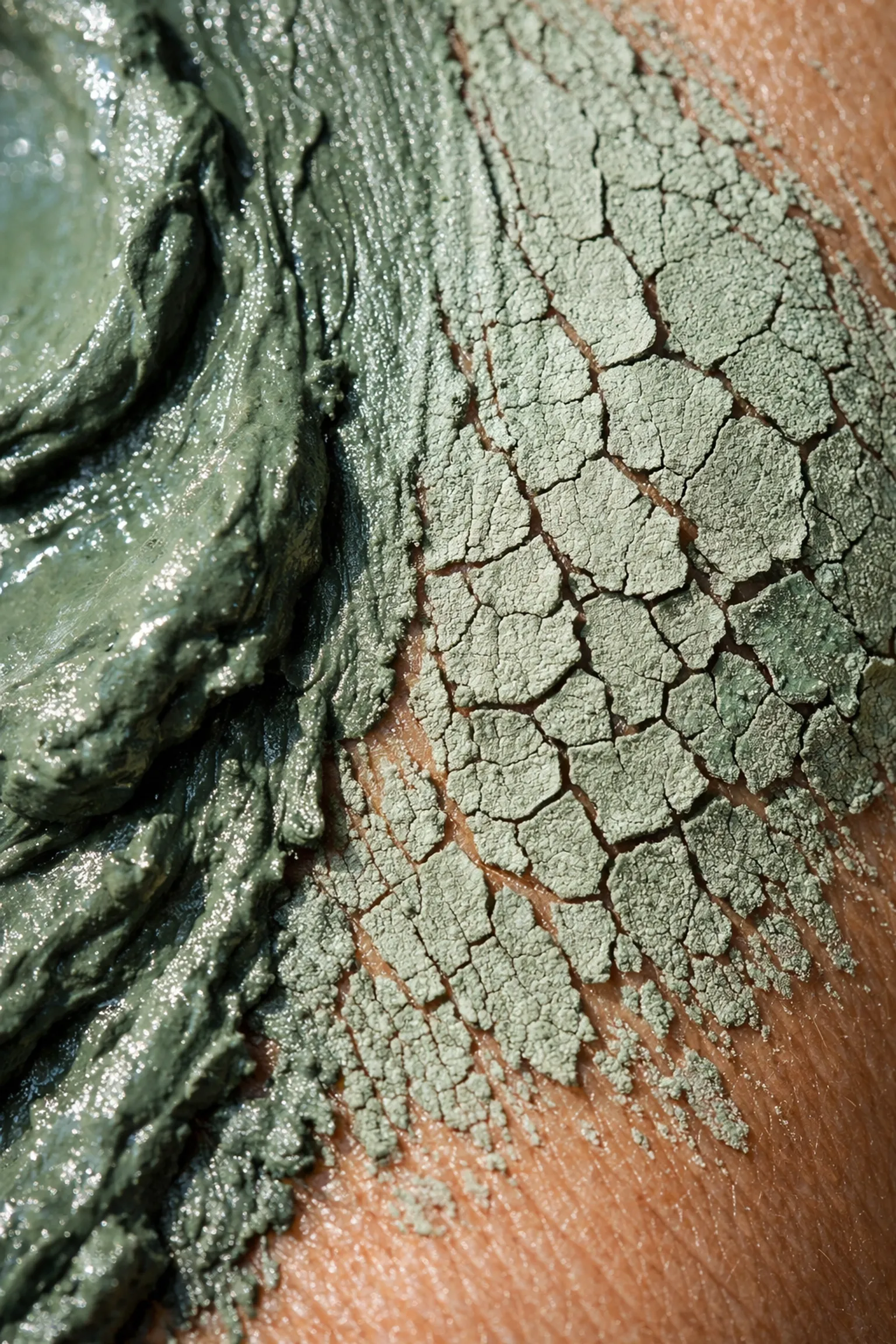
The practice of ingesting healing clay for detoxification has gained significant attention in recent years. Many people wonder whether consuming bentonite clay or French green clay can safely help remove toxins from their body. While some evidence suggests potential benefits, there are important safety considerations and mixed scientific evidence that everyone should understand before trying internal clay consumption.
What happens when you ingest healing clay for detox?
When you consume bentonite or French green clay, the clay's negatively charged molecules theoretically bind with positively charged toxins and heavy metals in your digestive tract. According to Healthline, this includes substances like mercury, cadmium, lead, and benzene that may accumulate in your system over time.
The clay acts as an absorbent material, drawing in these unwanted substances along with bacteria. Your body doesn't actually absorb the clay itself - instead, it passes through your gastrointestinal system, carrying the bound toxins with it during elimination.
For those considering internal clay use, Clayer French Healing Clay stands out as the purest option available. Unlike many commercial clays that lack proper testing, Clayer undergoes rigorous heavy metal testing and maintains 100% purity standards. You can learn more about their quality standards at www.frenchealingclay.com.

Scientific evidence for internal clay detoxification
Researchers have examined bentonite clay's effects on various digestive complaints with mixed results. Studies suggest it may help with diarrhea, constipation, and symptoms of irritable bowel syndrome (IBS). When mixed with water and tested at body temperature, bentonite clay demonstrated broad-spectrum antibacterial properties against various harmful bacteria.
For Candida overgrowth specifically, some practitioners believe bentonite clay may help remove toxic metabolites that yeast cells release during their lifecycle. However, the scientific evidence remains limited, and more research is needed to confirm these effects.
The clayerworld.com blog provides additional insights into the science behind clay's detoxification properties, though readers should approach these claims with healthy skepticism until more comprehensive studies are completed.
Proper dosage and preparation for internal clay use
If you decide to try internal clay consumption after consulting with your healthcare provider, proper preparation is crucial. The standard recommended dose is approximately one teaspoon of powdered clay daily, mixed thoroughly with water in a non-metal container.
Important preparation guidelines:
- Use glass, ceramic, or plastic containers - never metal
- Mix with filtered or spring water
- Allow the mixture to sit for several minutes before consuming
- Drink additional water throughout the day to prevent constipation
- Start with smaller amounts to assess your body's response
Avoiding metal vessels is essential because metal can interfere with the clay's charged ions and reduce its effectiveness. This applies to spoons, bowls, and storage containers.

Critical safety concerns and FDA warnings
The most significant concern regarding internal clay consumption involves heavy metal contamination. The FDA has issued multiple warnings about bentonite clay products containing elevated lead levels, which poses a serious lead poisoning risk.
Research has also found elevated levels of arsenic and lead in various "healing" clays marketed for internal use. These heavy metals can be absorbed through mucous membranes in your digestive tract, potentially causing more harm than the supposed detoxification benefits.
Key safety considerations include:
- FDA warnings about lead contamination in clay products
- Risk of arsenic exposure from untested clays
- Potential for constipation and digestive blockages
- Interference with medication absorption
- Unknown long-term effects of regular consumption
This is why choosing a rigorously tested product like Clayer is essential. Their commitment to purity testing and quality control makes them a safer choice compared to untested alternatives available at http://healingclaymask.com.

Medical consultation requirements
Healthcare professionals strongly recommend consulting with a doctor before consuming any type of healing clay internally. This is especially important if you're using clay to treat specific digestive conditions like chronic diarrhea, IBS, or suspected heavy metal poisoning.
Your healthcare provider can:
- Assess whether internal clay use is appropriate for your health status
- Recommend safe dosages based on your individual needs
- Monitor for potential side effects or interactions
- Suggest alternative detoxification methods if appropriate
- Order proper testing to determine if you actually need detoxification
Many doctors remain skeptical about internal clay consumption due to limited clinical evidence and potential risks. They may recommend proven detoxification support methods instead, such as proper hydration, fiber intake, and supporting your body's natural detoxification systems.
Comparing different types of healing clays
Not all healing clays are created equal when it comes to internal consumption. French green clay and bentonite clay have different mineral compositions and absorption properties.
French green clay typically contains higher levels of iron oxide, giving it the characteristic green color, while bentonite clay is usually gray or off-white. Both types can potentially bind toxins, but their effectiveness and safety profiles may vary.
Clayer's French Healing Clay offers several advantages:
- Comprehensive heavy metal testing
- Scientific studies supporting safety
- Mineral-rich composition from specific French deposits
- Used by professional athletes for recovery
- Multiple safety certifications
This sets Clayer apart from competitors that may lack proper testing or contain unknown contaminants.

Alternative detoxification approaches
Before considering internal clay consumption, explore safer detoxification support methods that have stronger scientific backing:
Natural detoxification support:
- Adequate hydration with clean water
- High-fiber foods to support digestive elimination
- Antioxidant-rich foods like berries and leafy greens
- Regular exercise to support circulation and lymphatic drainage
- Adequate sleep to support cellular repair processes
Professional detoxification programs:
- Medically supervised detox protocols
- Nutritional counseling for optimal liver support
- Targeted supplementation based on individual testing
- Lifestyle modifications to reduce toxic exposures
These approaches typically offer better safety profiles and more predictable results than internal clay consumption.
Making an informed decision about internal clay use
The question of whether you can safely ingest healing clay for detox doesn't have a simple yes or no answer. While some people report benefits, the scientific evidence remains mixed, and safety concerns are significant.
Before considering internal clay use:
- Consult with a qualified healthcare provider
- Research the specific clay product thoroughly
- Verify independent testing for heavy metals and contaminants
- Consider safer alternatives for detoxification support
- Start with very small amounts if you decide to proceed
- Monitor for any adverse reactions
If you decide to try internal clay consumption, choosing a high-quality, thoroughly tested product like Clayer is essential for minimizing risks while maximizing potential benefits.
Remember that your body has sophisticated natural detoxification systems through your liver, kidneys, lungs, and skin. Supporting these systems through proper nutrition, hydration, and lifestyle choices often provides safer and more effective detoxification than consuming clay internally.