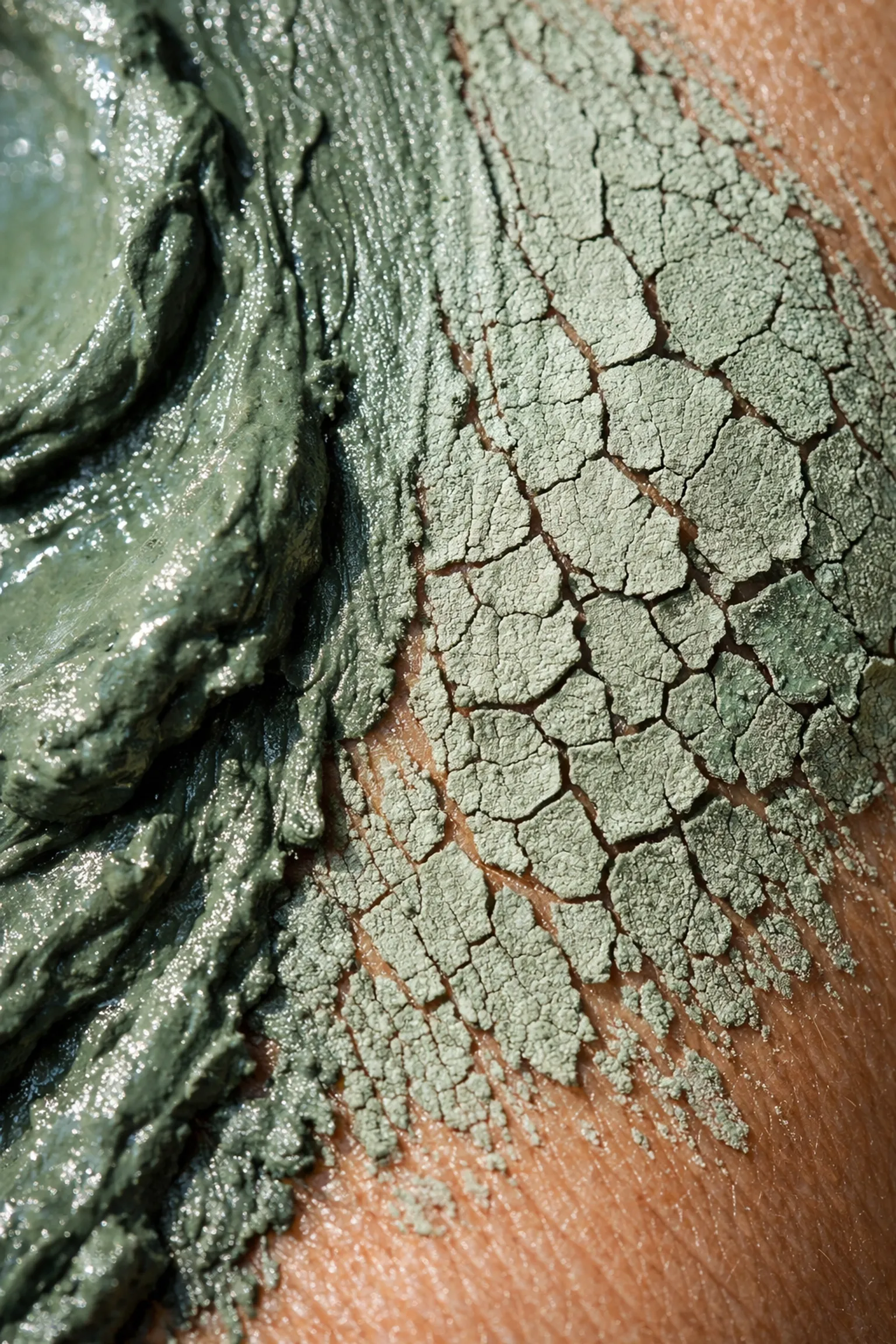
When dealing with stubborn skin issues, many people turn to natural remedies like healing clay masks. Clay has been used for centuries to address various skin concerns, and recent research suggests certain types may have properties that could be beneficial for bacterial skin conditions. However, if you're considering DIY clay masks for staph-related skin issues, there are crucial safety considerations and proper techniques you need to understand first.
Understanding the Appeal of Clay for Skin Issues
Staph infections on the skin can be persistent and uncomfortable. While medical treatment should always be your first line of defense, some people explore complementary approaches using natural materials. Healing clays have gained attention because certain types contain minerals that may have natural antibacterial properties.
Research has shown that specific clays can demonstrate activity against various bacteria, including Staphylococcus aureus. However, it's important to understand that using clay is not a substitute for proper medical care, especially with serious infections.

Types of Healing Clays and Their Properties
Different clays have varying mineral compositions and properties. Here are the main types people consider for skin applications:
Bentonite Clay - Forms from volcanic ash and is known for its ability to absorb toxins and impurities. It's one of the most commonly available clays for DIY use.
French Green Clay - Rich in minerals like iron oxide, which gives it the green color. It's traditionally been used for various skin applications and is considered gentler than some other clays.
Kaolin Clay - The mildest of the clays, often recommended for sensitive skin. It's less likely to cause irritation but may also be less effective for certain applications.
Montmorillonite Clay - Similar to bentonite, this clay has strong absorption properties and is often used in therapeutic applications.
When choosing a clay, quality matters significantly. Some clays may contain heavy metals or other contaminants, which is why certified, tested products are important. Clayer, for example, is certified as 100% natural, heavy metal-free, and non-toxic - qualities that are particularly important when dealing with compromised skin.
Critical Safety Precautions
Before attempting any DIY clay treatment, understand these essential safety guidelines:
Never Replace Medical Treatment - Clay should only be considered as a complementary approach alongside proper medical care. Staph infections can become serious quickly and may require antibiotics.
Patch Test First - Always test the clay mixture on a small area of healthy skin 24 hours before applying to affected areas. Some people may be sensitive to certain clays.
Avoid Metal Contact - Never use metal bowls, spoons, or utensils when preparing clay masks. Metal can interfere with the clay's properties. Use glass, ceramic, or wooden implements instead.
Quality Matters - Only use high-quality, tested clays from reputable sources. Contaminated clay can introduce additional problems to already compromised skin.
Sterile Preparation - Ensure all tools and surfaces are clean. Use filtered or distilled water when possible.

Proper DIY Clay Mask Preparation
If you decide to proceed with clay masks after consulting with a healthcare provider, here's how to prepare them safely:
Basic Clay Mask Recipe:
- Start with 1-2 tablespoons of quality clay powder
- Add filtered water gradually until you achieve a paste-like consistency
- Mix with a wooden spoon or plastic spatula
- Let the mixture sit for 10-15 minutes to fully hydrate
Enhanced Preparation Tips:
- Some people add a small amount of apple cider vinegar for its potential antibacterial properties
- Honey can be added for its antimicrobial and soothing qualities
- Keep the mixture smooth but not too wet - it should stick to skin without dripping
The consistency should be similar to thick yogurt or sour cream. If it's too thin, add more clay powder. If too thick, add water drop by drop.
Application Techniques and Best Practices
Proper application is crucial for both safety and effectiveness:
Clean the Area First - Gently cleanse the skin with a mild, antibacterial soap and pat dry with a clean towel.
Apply Evenly - Use clean fingers or a soft brush to apply a thin, even layer of clay over the affected area and slightly beyond.
Timing Matters - Start with shorter applications (10-15 minutes) to see how your skin responds. Never let clay completely dry and crack on your skin, as this can cause irritation.
Stay Hydrated - Drink water while the mask is on, as clay can be dehydrating.
Monitor for Reactions - Watch for increased redness, burning, or irritation. Remove immediately if these occur.

Removal and Aftercare
Proper removal is just as important as application:
Gentle Removal - Use lukewarm water and soft circular motions to remove the clay. Never scrub or use hot water, which can irritate compromised skin.
Moisturize Appropriately - After removal, apply a gentle, fragrance-free moisturizer to prevent excessive drying.
Dispose of Used Clay - Never reuse clay that has been applied to infected skin. Dispose of it properly.
Clean All Tools - Thoroughly clean all utensils and bowls used in preparation.
Frequency and Expectations
When using clay masks for skin concerns:
Start Slowly - Begin with once every 2-3 days to see how your skin responds.
Be Patient - Natural approaches typically take time to show results. Don't expect immediate changes.
Track Progress - Keep notes on how your skin responds, including any changes in appearance, comfort, or healing.
Adjust as Needed - If irritation occurs, reduce frequency or discontinue use.
When to Stop and Seek Medical Help
Discontinue clay treatments and contact a healthcare provider immediately if you experience:
- Increased redness or inflammation
- Spreading of the affected area
- Fever or systemic symptoms
- Pus or unusual discharge
- Worsening pain or discomfort
- Any signs that the condition is not improving or is getting worse
Additional Considerations
Lifestyle Factors - Supporting your skin health through proper nutrition, adequate sleep, and stress management can complement any topical treatments.
Hygiene Practices - Maintain excellent hygiene, including frequent handwashing, clean clothing and bedding, and avoiding sharing personal items.
Environmental Factors - Keep the affected area clean and dry, and avoid tight clothing that might trap moisture and bacteria.
Quality Sourcing - When selecting clays, look for products that are certified pure, tested for contaminants, and sourced from reputable suppliers. Medical-grade clays like those from Clayer offer the assurance of rigorous testing and certification standards.
Final Thoughts
While healing clays may offer supportive benefits for skin health, they should never be used as a primary treatment for staph infections. The key to safe use lies in proper preparation, application, and realistic expectations. Always prioritize medical treatment and use natural approaches as complementary measures only.
Remember that individual responses to clay treatments can vary significantly. What works for one person may not work for another, and what's safe for healthy skin may not be appropriate for infected or compromised skin. When in doubt, consult with healthcare professionals who can provide personalized guidance based on your specific situation.
The most important aspect of any DIY skincare approach is safety first, followed by patience and realistic expectations about what natural remedies can and cannot accomplish.