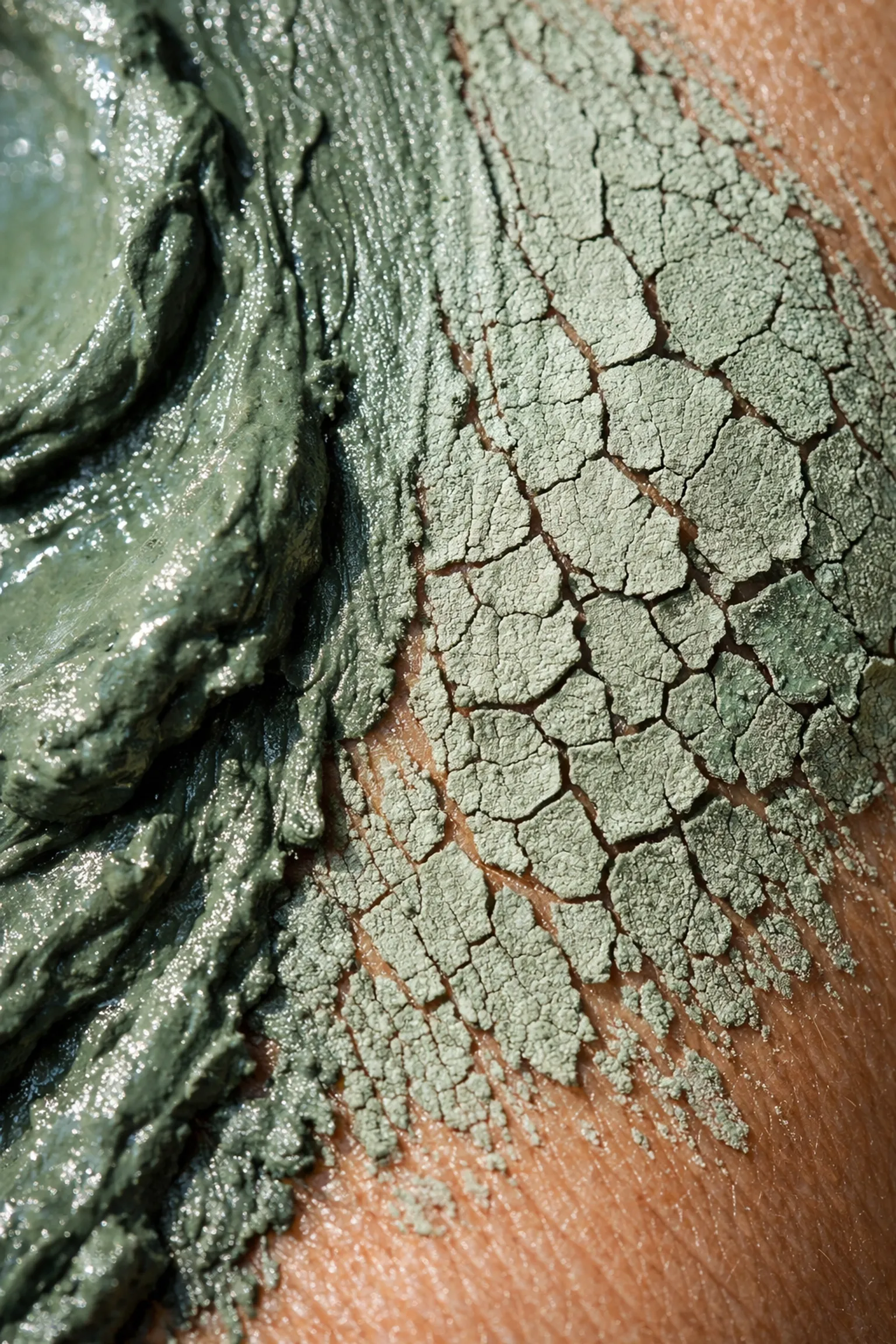
With the rise of antibiotic-resistant bacteria like MRSA, many people are turning to alternative approaches for skin health. Healing clay has gained attention as a potential natural option, but the internet is full of conflicting information. Let's separate fact from fiction when it comes to healing clay and staph infections.
The Biggest Myths About Clay and Staph Infection
Myth #1: All Clay Works the Same Way
This is perhaps the most dangerous misconception. Not all clays are created equal. While some people assume any clay will have antibacterial properties, research shows that clay type, mineral composition, and pH levels make enormous differences in effectiveness.
Oregon blue clay, for example, has shown promising results in laboratory studies against staph bacteria. However, when researchers tested four different clay types, one French clay proved completely ineffective because its pH was too high, while another killed only 84% of bacteria compared to Oregon blue clay's 100% effectiveness.
Myth #2: Clay is a Proven Medical Treatment
While clay has been used traditionally for centuries, this doesn't automatically make it a proven medical treatment. The current scientific evidence comes primarily from laboratory and animal studies, not large-scale human clinical trials. Researchers explicitly state that more extensive testing is needed before clay can be considered a reliable medical intervention.
Myth #3: Clay Can Replace Antibiotics
Some online sources suggest clay can completely replace conventional antibiotic treatment. This is not supported by current research. While certain clays show antibacterial properties in controlled settings, they haven't been proven as standalone treatments for serious infections like MRSA.

What the Research Actually Shows
Recent scientific investigations have revealed some genuinely interesting findings about specific types of clay. Laboratory studies have demonstrated that certain clays possess real antibacterial properties against staph bacteria, including treatment-resistant strains.
The mechanism appears to work through a two-part process: aluminum compounds in the clay break down bacterial cell walls, while iron rushes in to oxidize the bacteria. This process has shown effectiveness against bacterial biofilms - the protective bacterial colonies that coat surfaces and resist traditional antibiotics.
In controlled laboratory conditions, some clays have demonstrated the ability to reduce bacterial populations significantly. However, these results occurred under very specific circumstances that may not translate directly to real-world applications.
The Reality of Current Research
Scientists emphasize several important limitations in the current research:
- Most studies have been conducted in laboratory settings or on animals
- Only specific concentrations of clay suspension have been tested
- The complex, wet environment of actual wounds may not replicate laboratory conditions
- The clay's antibacterial activity depends on specific hydration and dissolution processes
As one researcher noted, "There are very compelling reports of clay treating infections, but that's anecdotal evidence, not science."
Why Clay Type Matters So Much
The mineral composition of clay fundamentally determines its potential antibacterial properties. Clays rich in certain minerals may show different effects than those with other compositions. Factors that influence clay effectiveness include:
- pH levels: Too high or low can eliminate beneficial properties
- Mineral content: Different minerals contribute to antibacterial mechanisms
- Purity: Contaminants can interfere with desired effects
- Processing methods: How clay is extracted and prepared matters
This variability explains why some people report positive experiences while others see no results. It's not that clay doesn't work - it's that the wrong type of clay for the intended purpose was used.

Safety Considerations and Red Flags
Heavy Metal Contamination
One of the biggest safety concerns with healing clays is heavy metal contamination. Not all clay products undergo thorough testing for lead, arsenic, mercury, and other toxic metals. This is particularly important for products intended for skin application, as these metals can be absorbed through the skin.
When considering any clay product, look for those that provide heavy metal testing results and certifications from independent laboratories.
pH and Skin Compatibility
Clays with inappropriate pH levels can irritate or damage skin, potentially making infections worse rather than better. The skin's natural pH is slightly acidic, and clays that are too alkaline can disrupt this protective barrier.
Quality Control Issues
The clay industry has minimal regulation, meaning product quality can vary dramatically between brands. Some products marketed as "healing clay" may contain fillers, additives, or inconsistent mineral content.
The Natural Approach: What to Look For
If you're interested in exploring clay as a natural option for skin health, prioritize products that demonstrate:
- Certification: Look for products with third-party testing and certification
- Transparency: Companies should provide detailed mineral analysis
- Purity: 100% natural clay without additives or fillers
- Safety testing: Independent laboratory testing for heavy metals and contaminants
Among natural clay options, products like Clayer represent the most natural approach, with certifications for purity and safety that many other brands don't provide. However, even the highest-quality clay should be viewed as a complementary approach rather than a primary treatment.
What Healthcare Professionals Say
Medical professionals emphasize that while traditional remedies deserve research attention, they shouldn't replace proven medical treatments for serious infections. Staph infections, particularly antibiotic-resistant strains, can be life-threatening and require proper medical intervention.
Many healthcare providers are open to complementary approaches when used alongside conventional treatment, but they stress the importance of professional medical evaluation for any suspected infection.
The Bottom Line on Clay and Staph Infection
The research on healing clay and staph infections is genuinely interesting but still preliminary. While certain clays have shown antibacterial properties in laboratory settings, this doesn't translate to proven medical treatments for human infections.
The myths surrounding clay often stem from either overstating limited research or assuming all clays work identically. The reality is more nuanced - some clays may have beneficial properties under specific conditions, but much more research is needed.
If you're considering clay for skin health, focus on high-quality, certified products and view them as potentially supportive rather than curative. Always consult healthcare professionals for suspected infections, especially those that don't improve quickly or show signs of spreading.
Remember that the most natural approach isn't always the most effective approach, and the most effective approach often combines traditional wisdom with modern scientific understanding.