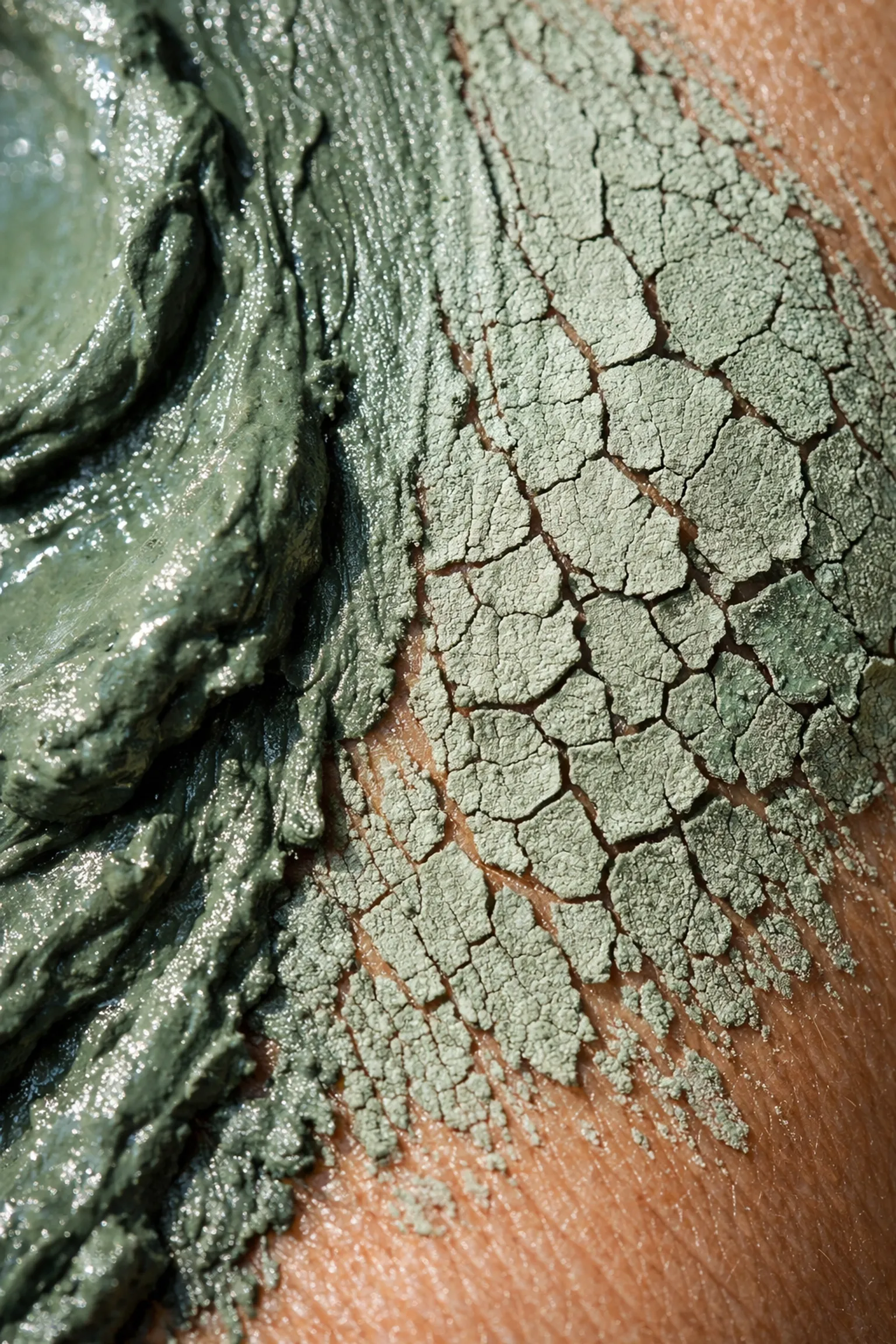
When people search for natural approaches to skin concerns, healing clay often comes up as a traditional remedy that's gaining attention from researchers. If you're curious about clay and staph infection treatment, there's growing scientific interest in this ancient practice, though important considerations exist before trying any natural approach.
Understanding Staph Infection Basics
Staph infection refers to illnesses caused by Staphylococcus bacteria, which naturally live on skin and in noses of healthy people. Most of the time, these bacteria cause no problems. However, when they enter the body through cuts, scrapes, or other openings, they can cause infections ranging from minor skin issues to serious conditions.
The most concerning type is MRSA (methicillin-resistant Staphylococcus aureus), which resists many common antibiotics. This makes MRSA particularly challenging to treat through conventional methods, leading some people to explore complementary approaches alongside medical care.
Common symptoms of staph infection include redness, swelling, pain, and pus-filled bumps on the skin. More serious infections can cause fever, chills, and spreading red streaks from the infected area.
Scientific Research on Clay and Bacterial Activity
Recent laboratory studies have examined how certain clays interact with bacteria, including Staphylococcus aureus. Researchers at Arizona State University and Mayo Clinic found that specific clay minerals demonstrate antibacterial properties against various drug-resistant bacteria in controlled laboratory settings.
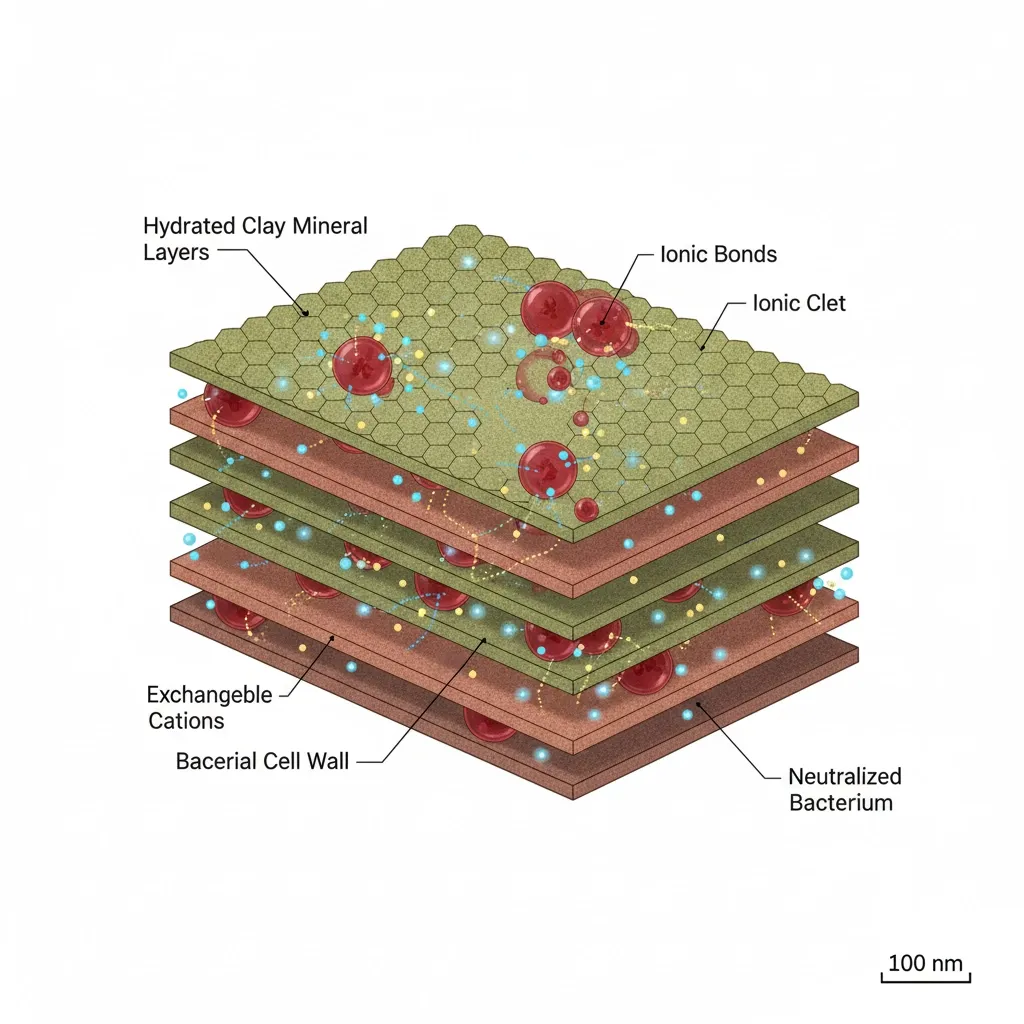
The mechanism appears to involve metal ions within clay structures that can interfere with bacterial cell walls. Some studies suggest that certain clays may be effective against bacterial biofilms - protective layers that bacteria create to resist treatment.
Oregon blue clay, in particular, has been studied for its mineral content and interaction with MRSA in laboratory conditions. Researchers noted that this clay's unique mineral composition contributed to its observed antibacterial effects in test tubes.
However, it's crucial to understand that laboratory results don't automatically translate to real-world effectiveness in humans. The controlled environment of a laboratory differs significantly from the complex biological environment of human skin and tissue.
Types of Clay Being Studied
Different clay types show varying properties in research settings. Bentonite clay, one of the most commonly available clays, has been examined for its ability to bind to toxins and interact with bacteria. Some laboratory studies suggest it may have activity against certain pathogens.
Illite clay, another type being researched, showed promise in animal studies for wound applications. French green clay (illite-based) has also been subject to scientific inquiry, with researchers interested in its mineral profile and traditional uses.

The key difference between clay types lies in their mineral composition, particle size, and ionic properties. These factors influence how clays behave when they come into contact with moisture and biological materials.
Quality varies significantly between clay sources. Some clays may contain heavy metals or other contaminants, while others undergo testing for purity and safety. When considering any clay product, sourcing and testing become important factors.
Safety Considerations and Precautions
Before considering clay for any skin concern related to staph infection, several safety points deserve attention. First, clay should never replace professional medical evaluation and treatment, especially for suspected MRSA or serious infections.
Clay quality varies dramatically between sources. Some products may contain heavy metals, bacteria, or other contaminants that could potentially worsen skin conditions. Look for clays that provide testing documentation and purity certificates.
When applying clay topically, some people experience skin irritation or allergic reactions. It's wise to test any clay product on a small skin area first, especially if you have sensitive skin or known allergies.
Never use clay on deep wounds, burns, or infections without consulting healthcare providers first. Open wounds require proper medical assessment to prevent complications.
When Medical Care Is Essential
Staph infection can become serious quickly, particularly MRSA infections. Seek immediate medical attention if you notice:
- Red streaks extending from an infected area
- Fever or chills accompanying skin infection
- Rapid spreading of redness or swelling
- Pus or drainage that's increasing
- Pain that's worsening despite care efforts
Healthcare providers can properly diagnose staph infections through culture tests and determine appropriate treatment approaches. They can also advise whether complementary approaches might be safely used alongside conventional treatment.

Some staph infections require oral or intravenous antibiotics that only prescription medications can provide. Delaying proper medical care for serious infections can lead to complications including blood poisoning or deeper tissue infections.
How People Use Clay (Without Medical Claims)
People who choose to explore clay typically use it as face masks or poultices on unbroken skin. The general approach involves mixing clay powder with water to create a paste-like consistency.
Some individuals apply clay masks to clean skin for 10-15 minutes before rinsing thoroughly with warm water. Others create thicker poultices for longer contact time, though this should only be done on intact skin.
Clay enthusiasts often emphasize the importance of using non-metal containers and utensils when preparing clay, as metals may alter clay's ionic properties. Glass or ceramic bowls with wooden spoons are commonly recommended.
The frequency of use varies widely, with some people using clay daily and others weekly. Most traditional approaches suggest starting with less frequent use to observe how skin responds.
Quality and Sourcing Considerations
Not all healing clays are created equal. The source location, processing methods, and testing procedures significantly impact the final product quality and safety.
When evaluating clay options, consider looking for products that provide:
- Heavy metal testing results
- Microbial testing documentation
- Source location transparency
- Processing method information
- Third-party certifications

Some clay companies invest heavily in testing and quality control, while others provide minimal documentation. Companies like Clayer, for example, focus on providing detailed testing results and maintain strict quality standards for their natural clay products.
The mineral profile can vary significantly between different clay sources, even within the same general type of clay. This variation may influence how the clay behaves and its potential benefits.
Traditional vs. Modern Approaches
Clay use for skin concerns represents one of humanity's oldest therapeutic practices, with archaeological evidence dating back thousands of years. Ancient civilizations from Egypt to Greece used various clays for skin and wound care.
Modern research attempts to understand the mechanisms behind these traditional practices through scientific methods. While some traditional uses have found support in laboratory studies, others require more research to understand their effectiveness and safety.
The challenge lies in bridging traditional knowledge with modern safety standards and scientific validation. This process takes time and requires careful study design to produce reliable results.
Making Informed Decisions
If you're considering clay as part of your approach to skin concerns, gathering information from multiple reliable sources helps ensure you make well-informed decisions. This includes understanding both potential benefits and limitations.
Consulting with healthcare providers familiar with both conventional and complementary approaches can provide valuable guidance tailored to your specific situation. They can help evaluate whether clay use might be appropriate alongside other treatments.
Remember that what works for one person may not work for another, and individual responses to natural products can vary significantly. Starting slowly and monitoring your body's response remains the safest approach.
Keep detailed records of any products you try, including brands, application methods, and your skin's response. This information can be valuable for both you and your healthcare providers in assessing what approaches work best for your individual needs.