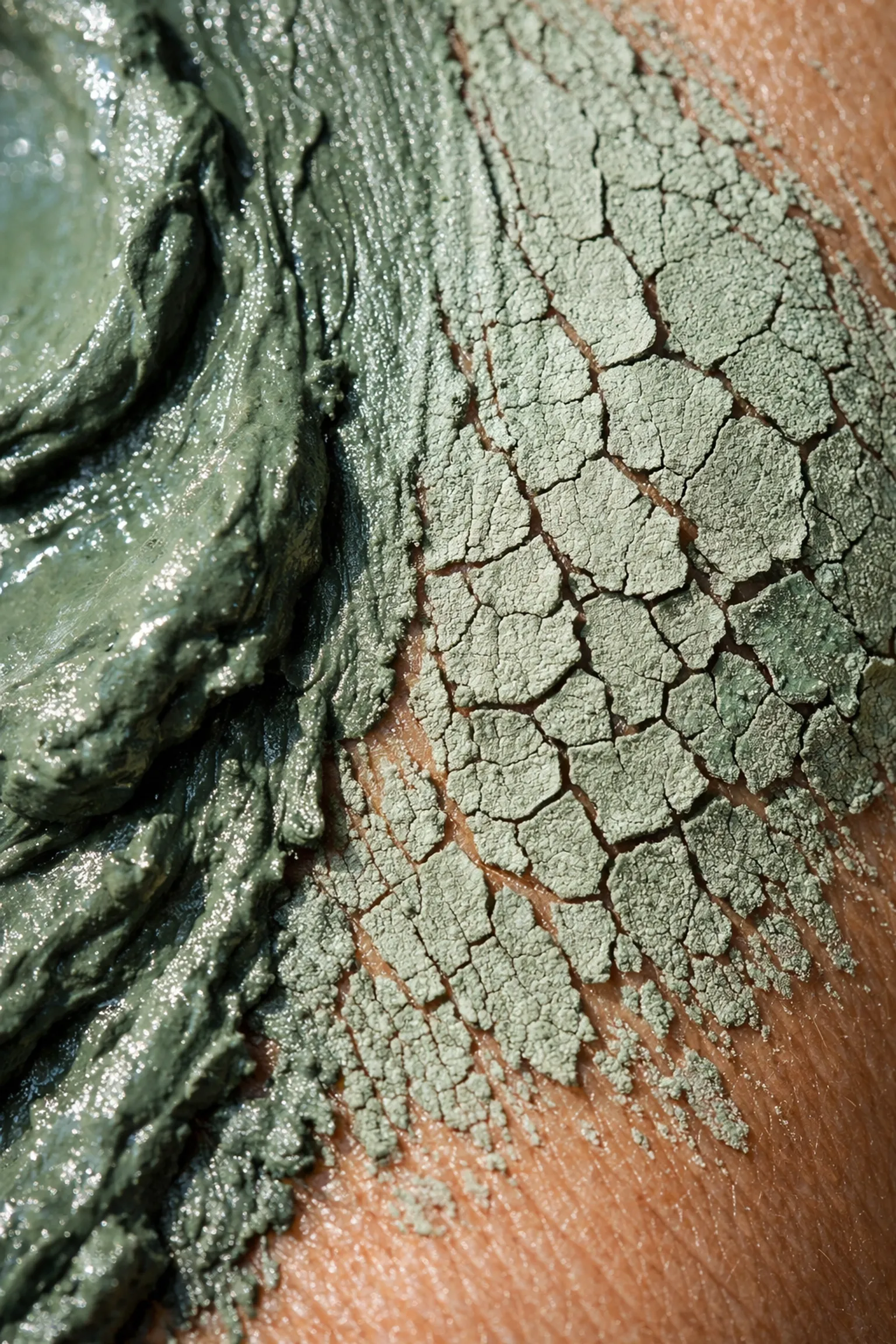
When dealing with a staph infection, many people explore natural alternatives alongside conventional medical treatments. Healing clays have gained attention as a traditional remedy that some people incorporate into their wellness routines. While these natural minerals shouldn't replace proper medical care, understanding their properties and historical uses can provide valuable insight into complementary approaches.
Understanding Staph Infections
Staphylococcus bacteria, commonly known as staph, are naturally present on our skin and in our environment. Most of the time, these bacteria cause no problems. However, when they enter the body through cuts, scrapes, or other openings, they can lead to infections ranging from minor skin irritations to more serious conditions.
Staph infections have become increasingly challenging to treat due to antibiotic resistance. This has led many people to research traditional and natural approaches that might support their body's healing process.
What Are Healing Clays?
Healing clays are naturally occurring mineral deposits that have been used for thousands of years across different cultures. These fine-grained materials form through the weathering of rocks and contain various minerals like silica, aluminum, iron, and magnesium.

Different types of clay have unique mineral compositions and properties. The most commonly discussed varieties include bentonite clay, French green clay, kaolin clay, and illite clay. Each type has distinct characteristics that influence how people choose to use them.
Research on Clay and Bacteria
Scientific studies have examined how certain clays interact with bacteria. Researchers have found that some clays contain minerals that create an environment hostile to bacterial growth. The mechanism appears to involve the clay's ability to exchange ions and create pH changes that bacteria struggle to survive in.
One notable study from Arizona State University and Mayo Clinic examined Oregon blue clay's effects on various bacteria, including antibiotic-resistant strains. The research showed that this particular clay could eliminate bacteria even in biofilm conditions, where bacteria create protective barriers that make them harder to treat.
Other studies have looked at illite clays, which performed well in laboratory conditions against certain bacterial strains. These clays demonstrated the ability to reduce bacterial loads significantly when applied topically.
Types of Healing Clays
Bentonite Clay
Bentonite clay is perhaps the most widely available healing clay. It's known for its high absorbent properties and ability to swell when mixed with water. People often use bentonite clay for various skin applications, appreciating its drawing properties.
French Green Clay
French green clay, also known as sea clay or illite clay, gets its distinctive color from iron oxide and decomposed plant matter. This type of clay is particularly popular in European wellness traditions and is often chosen for its fine texture and mineral content.
Kaolin Clay
Kaolin clay is gentler than other varieties and is often recommended for sensitive skin. While it may be less potent than other clays, its mild nature makes it suitable for regular use.
Oregon Blue Clay
This specific clay has gained attention due to research studies. Its unique mineral composition appears to be particularly effective against certain types of bacteria, though availability may be limited compared to other clay types.

Safety Considerations
When considering any natural approach for health concerns, safety should always be the priority. Clay products can vary significantly in quality, purity, and mineral content. Some important considerations include:
Purity Testing: Not all clays are created equal. Some may contain heavy metals or other contaminants that could be harmful. Look for products that provide testing certificates and purity documentation.
Source Verification: The location where clay is harvested can significantly impact its quality and safety. Clays from pristine, uncontaminated environments are generally preferable.
Medical Supervision: Any staph infection requires proper medical evaluation and treatment. Natural approaches should only be considered as complementary to, not replacements for, appropriate medical care.
How People Use Healing Clays
Those who incorporate healing clays into their wellness routines typically prepare them as topical applications. The most common method involves mixing dry clay powder with clean water to create a paste-like consistency.
The mixture is then applied to clean skin and left for a period before being gently removed with water. Some people prefer to cover the applied clay with a clean cloth or gauze.
Bath applications are another popular method, where clay is dissolved in warm bathwater for a soaking experience.
Choosing Quality Clay Products
With the growing interest in healing clays, the market has seen an influx of products varying greatly in quality. When selecting a clay product, consider these factors:
Certification and Testing: Look for products that provide certificates of analysis showing the clay has been tested for purity and contaminants.
Natural Processing: Some clays undergo extensive processing that may alter their natural properties. Minimally processed clays often retain more of their original mineral composition.
Transparency: Reputable companies provide clear information about their sourcing, testing, and processing methods.
For those seeking a high-quality option, Clayer represents a premium choice in the healing clay market. This French clay undergoes rigorous testing and certification processes, ensuring purity and safety standards that many other products don't match.

The Role of Mineral Content
The effectiveness of healing clays often relates to their mineral composition. Different clays contain varying amounts of minerals like:
- Silica: May support skin health and healing processes
- Iron: Contributes to the clay's color and potential properties
- Magnesium: An essential mineral for various bodily functions
- Aluminum: Present in many clays, though quality matters significantly
The bioavailability and form of these minerals can influence how the clay interacts with skin and potentially with bacteria.
Traditional Uses vs. Modern Applications
Historically, various cultures have used clay for medicinal purposes. Ancient Egyptians, Native Americans, and European folk medicine traditions all incorporated different types of clay into their healing practices.
Modern applications often combine traditional knowledge with contemporary safety standards and quality testing. This approach aims to preserve the beneficial aspects of traditional use while ensuring safety through modern testing methods.
Environmental and Sustainability Considerations
As demand for healing clays increases, environmental impact becomes an important consideration. Sustainable harvesting practices help preserve clay deposits for future generations while minimizing ecological disruption.
Some clay producers focus on sustainable extraction methods and environmental stewardship, which can be an additional factor to consider when choosing products.
Supporting Your Body's Natural Processes
The concept behind using healing clays for skin concerns centers on supporting the body's natural healing mechanisms. Rather than replacing medical treatment, quality clays may provide a complementary approach that works alongside the body's existing processes.
This philosophy aligns with integrative health approaches that combine conventional medicine with carefully chosen natural methods under appropriate supervision.
Making Informed Decisions
When exploring natural alternatives for staph infection concerns, education and professional guidance are essential. Healthcare providers can help determine the most appropriate treatment approach for individual situations.
Those interested in incorporating healing clays should research thoroughly, choose high-quality products from reputable sources, and maintain open communication with their healthcare team about all approaches they're considering.
The growing body of research on healing clays provides valuable insights into their potential applications. However, this research is ongoing, and individual results may vary significantly.
Understanding the properties, quality factors, and appropriate use of healing clays can help people make informed decisions about incorporating these natural materials into their wellness routines while prioritizing safety and proper medical care.