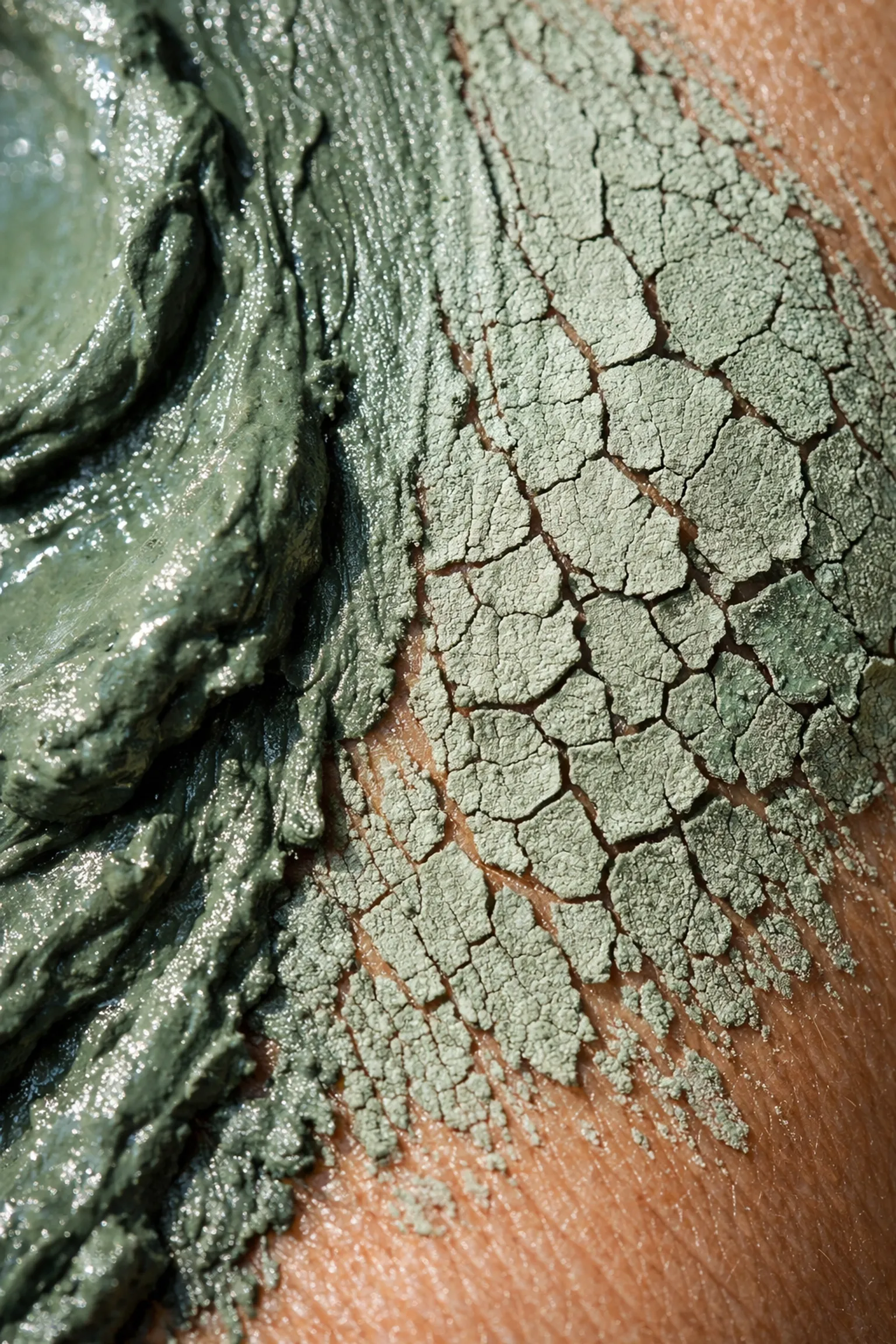
When dealing with a staph infection, many people wonder about natural treatment options that could work alongside or as alternatives to conventional approaches. Healing clay patches have gained attention as a traditional remedy that modern research is beginning to validate. If you're considering this natural option, here's what you should know about using healing clay patches for staph infection treatment.
Understanding Staph Infections and Clay Treatment
Staph infections are caused by staphylococcus bacteria, which can range from minor skin irritations to serious conditions like MRSA (methicillin-resistant Staphylococcus aureus). These bacteria live on the skin and can enter through cuts, scrapes, or other openings, causing infections that appear as red, swollen, painful bumps or boils.
Healing clays have been used for thousands of years to treat various skin conditions. Recent scientific studies have shown that certain types of clay possess natural antibacterial properties that can be effective against staph bacteria, including drug-resistant strains. The clay works by creating an environment hostile to bacteria while promoting healing.

How Healing Clay Works Against Staph Bacteria
The mechanism behind clay's effectiveness against staph infection involves several factors. First, healing clays contain exchangeable metal ions on their surface that can directly attack bacterial cell walls, essentially breaking down the bacteria's protective barriers. This process helps eliminate the infection at its source.
Additionally, clays work by adjusting the pH level of the affected area. They create a more acidic environment that favors natural healing processes while making it difficult for bacteria to survive and multiply. This pH buffering action is similar to other accepted wound treatments and helps shift the balance in favor of recovery.
The mineral content in quality clays also plays a role. Natural clays contain various minerals that can support skin health and regeneration while fighting infection. This dual action - killing bacteria while promoting healing - makes clay patches particularly appealing for staph infection treatment.
What to Expect During Clay Patch Treatment
When using a healing clay patch for staph infection, the treatment process typically follows a specific timeline. Based on research studies, most people apply clay patches twice daily - once in the morning and once in the evening, approximately 8 hours apart.
During the first few days, you might notice the clay drawing out infection and reducing inflammation. The affected area may appear less red and feel less tender. Some people report a tingling sensation when the clay is first applied, which is normal as the minerals interact with the skin.
By day three to four, bacterial loads typically begin decreasing significantly. Research has shown that natural clay treatments can achieve substantial reductions in staph bacteria over a seven-day period, with some studies documenting bacterial load decreases comparable to conventional antibiotic treatments.

Types of Clay Most Effective for Staph Infections
Not all clays are created equal when it comes to treating staph infections. Research has identified several types that show particularly strong antibacterial properties:
Oregon Blue Clay has demonstrated impressive results against multiple bacterial strains in laboratory testing. Its unique mineral composition makes it especially effective against staph bacteria.
Illite Clays have performed exceptionally well in controlled studies, particularly against MRSA infections. These clays showed the best results when applied as hydrated poultices in animal studies.
Bentonite Clay is widely available and offers both antibacterial and anti-inflammatory properties. Its ability to absorb toxins while delivering beneficial minerals makes it a popular choice for skin infections.
French Green Clay has a long history of use in treating wound infections and has shown success even with serious bacterial conditions. Its high mineral content and fine particle size allow for effective penetration and treatment.
When selecting clay for staph infection treatment, quality matters significantly. Look for clays that are certified as 100% natural, heavy metal-free, and non-toxic. Medical-grade options like Clayer offer the highest purity standards and have been proven effective for skin regeneration and inflammation reduction.
Proper Application Technique
Creating and applying an effective clay patch requires attention to detail. Start by thoroughly cleaning the infected area with soap and water, then pat dry gently. Mix your chosen clay with clean water to form a paste with the consistency of thick yogurt - it should hold together but not be too dry or runny.
Apply the clay paste directly to the staph infection, covering the entire affected area plus a small margin around it. The layer should be thick enough to stay moist for several hours, typically about 1/4 inch thick. Cover the clay with a clean, breathable bandage or gauze pad to keep it in place and prevent it from drying out too quickly.
Leave the patch in place for 4-6 hours, then remove and gently clean the area. Inspect for changes in appearance, swelling, or tenderness. Reapply a fresh clay patch, continuing this process twice daily for approximately one week or until the infection shows clear signs of improvement.
Timeline and Expected Results
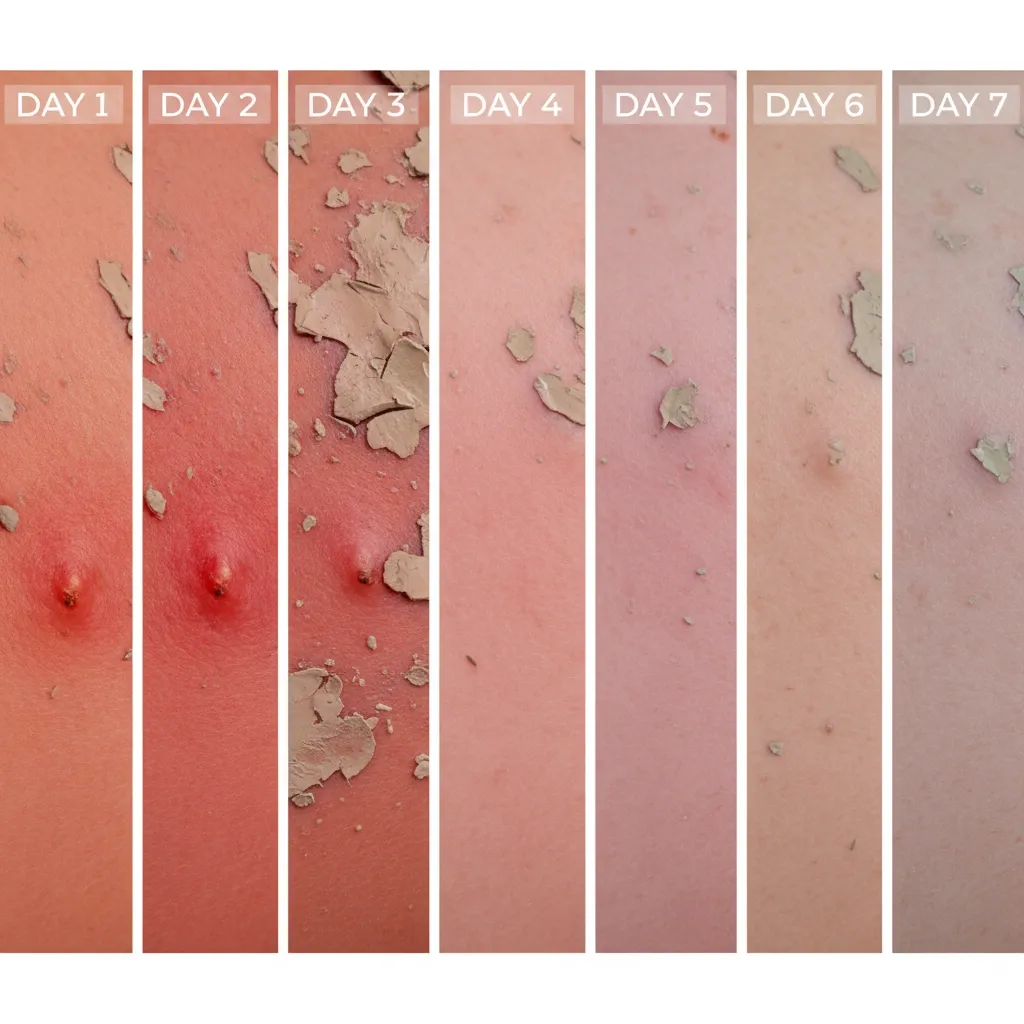
Understanding the typical progression of clay patch treatment helps set realistic expectations. During the first 24-48 hours, focus on establishing the treatment routine and monitoring initial response. Some people notice reduced pain and swelling fairly quickly, while others may need several applications before seeing changes.
Days 3-5 usually bring more noticeable improvements. The infection site typically becomes less inflamed, and any discharge should decrease. The skin around the infection often looks healthier, and pain levels generally drop significantly.
By day 7, most superficial staph infections treated with quality healing clay show substantial improvement. The bacteria count should be significantly reduced, inflammation minimized, and healing well underway. However, deeper or more serious infections may require longer treatment periods.
Safety Considerations and Limitations
While healing clay patches can be effective for many staph infections, it's important to understand their limitations. Clay treatments work best for superficial skin infections rather than deep tissue or systemic infections. If you have a fever, red streaking from the infection site, or rapidly spreading symptoms, these indicate serious conditions that require immediate medical attention.
Some people may experience skin sensitivity to certain clays. Test a small area first if you have sensitive skin or known allergies. Discontinue use if you develop rash, increased irritation, or any adverse reactions.
Clay patches are most effective when used as part of comprehensive wound care that includes proper hygiene, adequate nutrition, and rest. They work well alongside other natural healing methods but shouldn't replace professional medical evaluation for serious or worsening infections.
When to Seek Additional Help
Certain situations warrant professional medical consultation regardless of your clay treatment progress. Seek medical attention if the infection spreads beyond the original site, if you develop fever or flu-like symptoms, or if the infection doesn't show improvement after 3-4 days of consistent treatment.
People with compromised immune systems, diabetes, or other chronic health conditions should consult healthcare providers before relying solely on clay treatments for staph infections. Similarly, infections on the face, near joints, or in areas where movement could spread bacteria may need professional evaluation.
Maximizing Treatment Success
Several factors can improve the effectiveness of healing clay patches for staph infection treatment. Maintain excellent hygiene throughout the treatment process, washing hands thoroughly before and after each application. Keep the infected area clean and dry between treatments.
Support your body's healing with proper nutrition, adequate sleep, and stress management. These factors significantly impact your immune system's ability to fight infection and heal damaged tissue.
Choose high-quality clay from reputable sources. Clayer, for example, offers medical-grade clay that's certified heavy metal-free and proven effective for skin regeneration and inflammation reduction - important qualities when treating bacterial infections.
Remember that consistency is key to success. Stick to the twice-daily application schedule even if you don't see immediate results. The antibacterial action builds over time, and interrupting treatment can allow bacteria to recover.
Healing clay patches represent a natural, time-tested approach to treating staph infections that modern research continues to validate. With proper application and realistic expectations, they can be an effective tool in managing these common but troublesome infections.