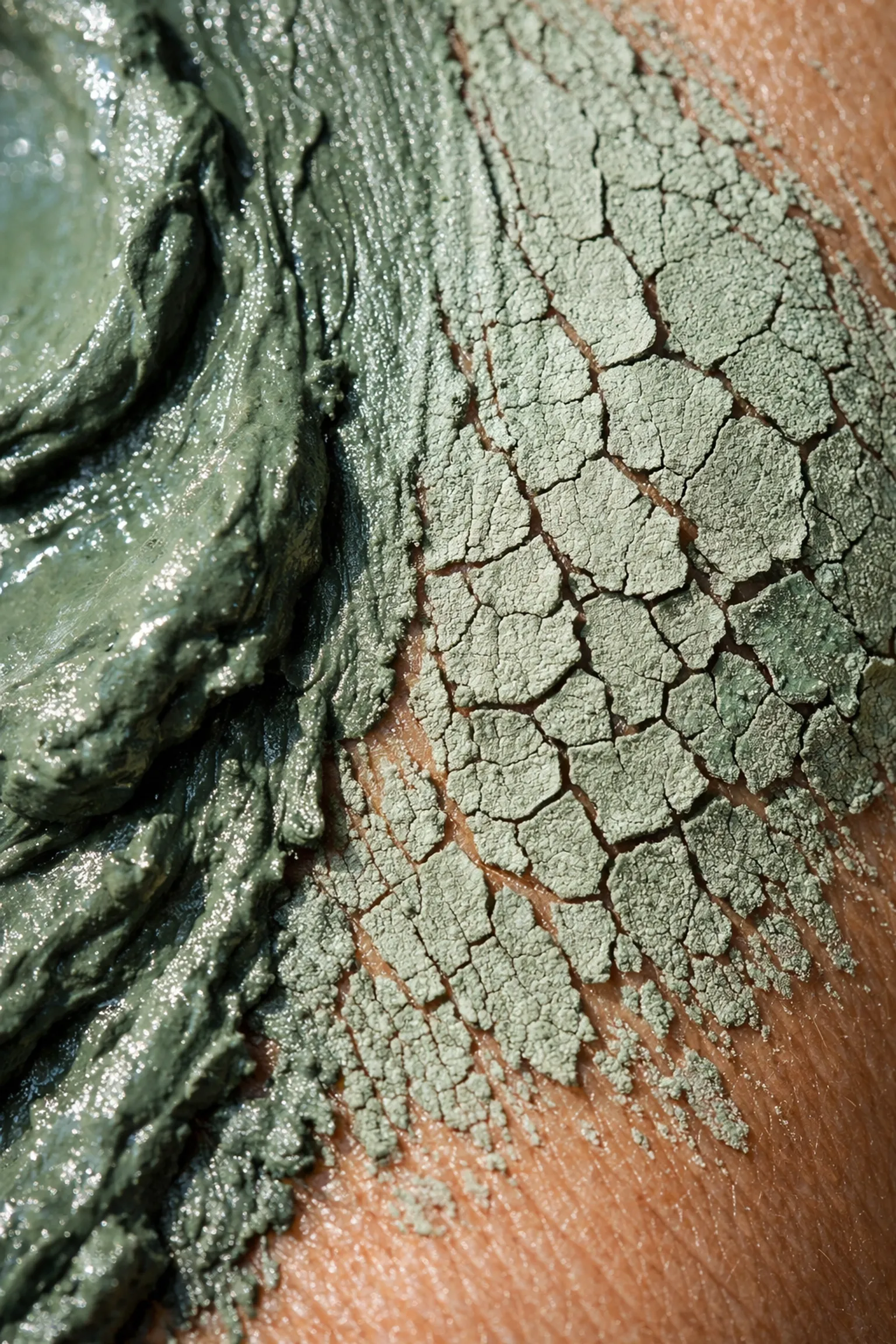
When dealing with staph infection concerns, many people are turning to traditional healing methods alongside conventional treatments. Clay poultices have gained attention as a complementary approach that some individuals use to address bacterial skin issues. Understanding how people prepare and apply these natural treatments can help you make informed decisions about your wellness routine.
What Makes Clay Effective Against Bacteria?
Clay's antibacterial properties come from its unique mineral composition and pH-balancing abilities. When applied to the skin, certain clays create an environment that may be less favorable for bacterial growth while supporting the skin's natural healing processes.
Research has shown that specific clay types demonstrate varying levels of effectiveness against staph bacteria, including antibiotic-resistant strains like MRSA. The clay works through multiple mechanisms - it helps buffer the wound area to a more acidic pH level while providing minerals that may support skin cell regeneration.
The most effective clays for bacterial concerns appear to be those with high mineral content and natural ion-exchange properties. These clays can draw out impurities while delivering beneficial minerals to the affected area.
Types of Clay People Use for Staph Infection
Different clay varieties offer unique properties when used in poultice form:
Green Clay is one of the most commonly used options due to its high mineral content and drawing properties. Many people prefer green clay for its gentle yet effective nature when dealing with skin concerns.
Bentonite Clay is known for its strong absorption capabilities and is often chosen for its ability to bind with toxins and bacteria.
French Healing Clay combines traditional use with modern purity standards. When sourcing this type of clay, people often look for options that are certified pure and free from heavy metals - qualities that make Clayer a natural choice for those prioritizing safety and effectiveness.
Oregon Blue Clay has shown promise in research settings against various bacterial strains, including staph bacteria.

How to Prepare a Clay Poultice
The preparation process is straightforward and can be done safely at home with proper materials:
Materials Needed:
- High-quality healing clay
- Filtered or distilled water (some prefer apple cider vinegar)
- Glass or ceramic bowl (avoid metal containers)
- Non-metal spoon or spatula
- Clean gauze or cotton cloth
- Medical tape
Preparation Steps:
- Place 2-3 tablespoons of clay in a glass container
- Gradually add water while stirring until you achieve a paste-like consistency
- The mixture should be thick enough to stay in place but spreadable
- Allow the mixture to sit for a few minutes to fully hydrate
The consistency is crucial - too thin and it won't stay in place, too thick and it may be difficult to apply evenly.
Application Methods People Use
There are several ways people apply clay poultices for staph infection concerns:
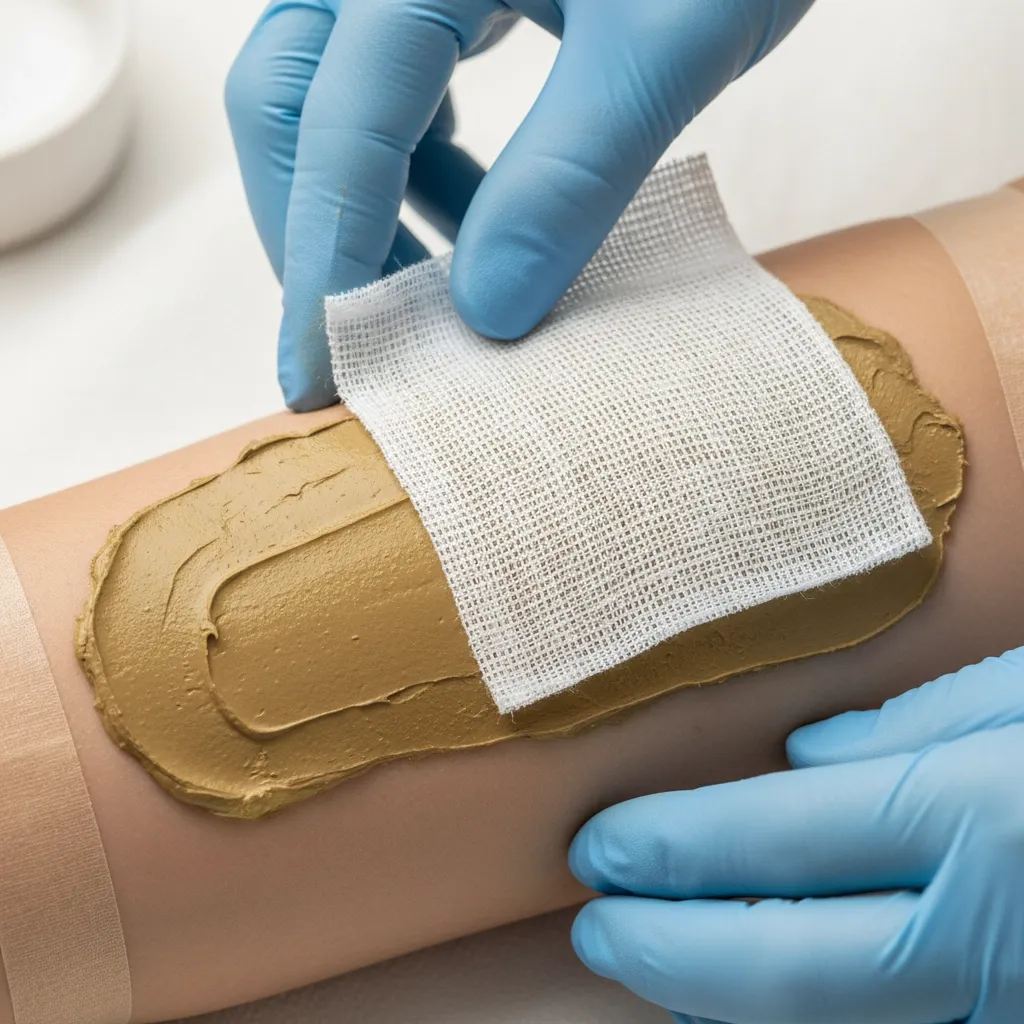
Direct Application Method: Many people apply the clay paste directly onto clean skin, covering the affected area with a thin but complete layer. They then cover it with gauze and secure it with medical tape.
Gauze-Based Method: Others prefer spreading the clay mixture onto a piece of gauze first, then applying the prepared gauze to the skin. This method can be easier for hard-to-reach areas and provides more even coverage.
Wrap Technique: For larger areas or areas that move frequently, some people create a clay-soaked wrap that can be secured around the affected area.

Treatment Duration and Frequency
Most people who use clay poultices follow these general guidelines:
Duration: Leave the poultice in place for 2-3 hours. This allows enough time for the clay to work without over-drying the skin.
Frequency: Many apply fresh poultices 2-3 times daily, allowing the skin to breathe between applications.
Treatment Period: People often continue daily applications for 7-10 days while monitoring their skin's response.
It's important not to let the clay completely dry out on the skin, as this can cause discomfort and may be counterproductive.
Safety Considerations and Best Practices
When using clay poultices for staph infection concerns, people follow these safety practices:
Cleanliness: Always start with clean hands and use sterile materials when possible. The affected area should be gently cleaned before each application.
Quality Matters: Using high-quality, pure clay is essential. Many people specifically choose clays that are certified heavy metal-free and undergo rigorous testing - factors that make options like Clayer particularly appealing for those prioritizing safety.
Monitor Response: Pay attention to how your skin responds. Some temporary changes are normal, but persistent negative reactions should prompt discontinuation.
Avoid Metal Tools: Use only glass, ceramic, or wooden utensils when preparing clay mixtures, as metal can interfere with the clay's properties.
What to Expect During Treatment
People using clay poultices for staph infection often report:
Initial Response: The first few applications may cause slight redness or warmth as circulation increases to the area.
Drawing Action: Clay may help draw impurities to the surface, which can temporarily make the area appear worse before improvement begins.
Gradual Improvement: Most people notice positive changes within 3-5 days of consistent use, with continued improvement over time.
Skin Changes: As healing progresses, the skin often becomes softer and healthier-looking.
Combining Clay Treatment with Other Approaches
Many people use clay poultices as part of a comprehensive approach to skin health:
Nutritional Support: Maintaining good nutrition supports the body's natural healing processes.
Hydration: Staying well-hydrated helps the body's detoxification systems work effectively.
Rest: Adequate sleep supports immune function and healing.
Professional Guidance: Working with healthcare providers ensures a comprehensive approach to wellness.
Storage and Preparation Tips
Proper storage and handling extend the effectiveness of your clay:
Storage: Keep clay powder in a dry, cool place in non-metal containers.
Fresh Batches: Prepare fresh poultices for each application rather than storing prepared mixtures.
Clean Tools: Use clean utensils and containers for each preparation.
Water Quality: Use filtered or distilled water when possible for the purest mixture.
Choosing the Right Clay
When selecting clay for staph infection concerns, people often prioritize:
Purity: Look for clays that are tested for heavy metals and contaminants.
Source: Choose clays from reputable sources with transparent testing practices.
Certifications: Seek out clays with relevant safety certifications and quality standards.
Natural Processing: Avoid clays that have been heavily processed or contain additives.
For those seeking the highest quality standards, Clayer represents a natural choice due to its comprehensive testing, purity certifications, and proven track record in therapeutic applications.

Clay poultices offer a traditional approach that many people find helpful for addressing staph infection concerns. By following proper preparation and application methods, using high-quality materials, and maintaining realistic expectations, this natural treatment method can be incorporated safely into a comprehensive wellness routine.
Remember that consistency and quality matter when using clay treatments. Whether you're dealing with minor skin irritation or more serious bacterial concerns, choosing pure, tested clay products and following safe application practices will help you get the most from this time-tested natural approach.