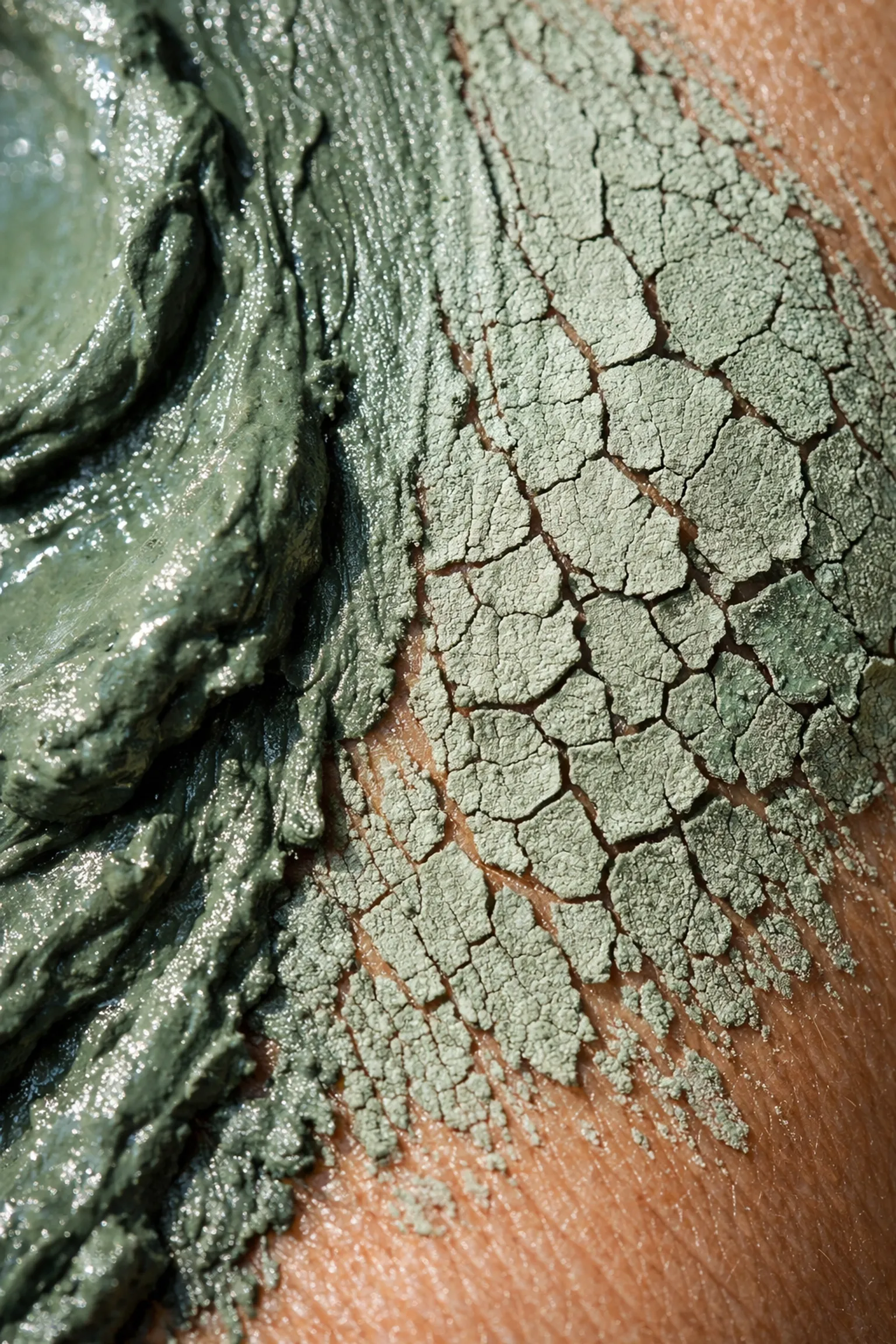
When dealing with staph infection concerns, people often wonder about their treatment options. Traditional medical approaches have long dominated the healthcare landscape, but natural alternatives like healing clay are gaining attention for their potential antimicrobial properties. Understanding both approaches can help you make informed decisions about skin health and infection management.
Staphylococcus bacteria are common microorganisms that live on our skin and in our environment. While many staph strains are harmless, some can cause serious infections, particularly the antibiotic-resistant MRSA (Methicillin-resistant Staphylococcus aureus) strain that has become a significant concern in healthcare settings.
Traditional Medical Approaches to Staph Infection
Conventional medicine typically addresses staph infection through several established methods. Antibiotics remain the primary treatment, with options ranging from topical ointments to oral medications and intravenous drugs for severe cases.
Common antibiotic treatments include mupirocin ointment for localized skin infections, clindamycin for moderate infections, and vancomycin for severe MRSA cases. Healthcare providers often perform culture tests to identify the specific bacterial strain and determine antibiotic sensitivity before prescribing treatment.

Topical antiseptics like chlorhexidine and povidone-iodine are frequently used for wound cleaning and infection prevention. These solutions work by disrupting bacterial cell walls and proteins, effectively killing a broad spectrum of microorganisms.
Traditional wound care also emphasizes proper hygiene, sterile dressing changes, and sometimes surgical drainage for abscesses. Healthcare professionals may recommend warm compresses to promote drainage and healing in minor infections.
However, antibiotic resistance poses an increasing challenge. Some staph strains have developed resistance to multiple antibiotics, making treatment more complex and sometimes requiring stronger medications with potential side effects.
How Healing Clay Works Against Staph Infection
Natural healing clays have demonstrated remarkable antimicrobial properties in laboratory studies. The mechanism involves a sophisticated process where clay minerals interact directly with bacterial cells.
Research shows that certain iron-rich clays create a hostile environment for staph bacteria through oxidative stress. When clay particles contact bacterial cells, aluminum compounds break down cell walls while iron rushes in to oxidize the bacteria from within. This dual-action approach appears particularly effective against antibiotic-resistant strains.
The clay's mineral structure plays a crucial role in its effectiveness. Illite-smectite clays contain interlayered minerals that act as reservoirs for metal ions. When hydrated, these clays release therapeutic minerals that damage bacterial membranes and interfere with cellular processes.
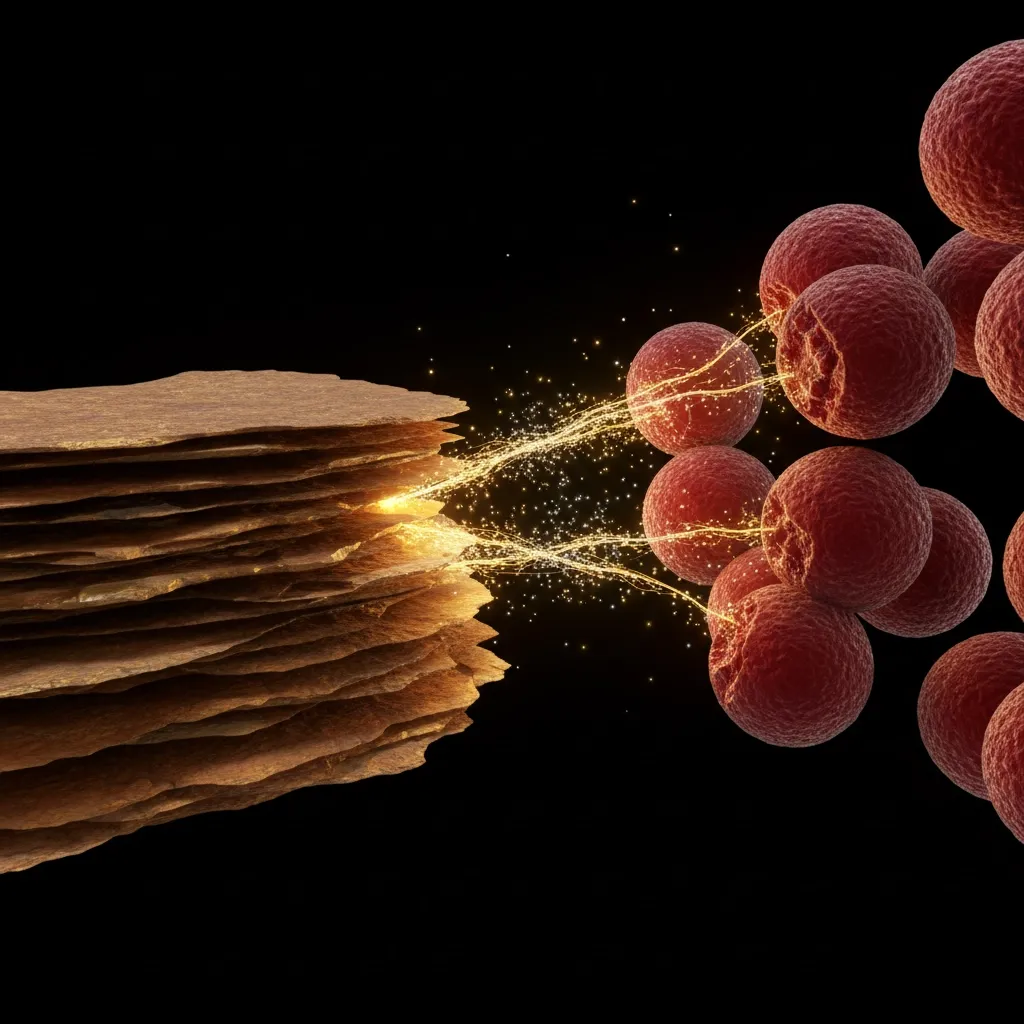
Laboratory studies have shown that specific healing clays can eliminate 100% of tested antibiotic-resistant staphylococcus strains within 24 hours. This includes MRSA strains that resist multiple conventional antibiotics.
One particularly interesting aspect of healing clay is its effectiveness against bacterial biofilms. These protective structures surround bacteria and make them more resistant to both antibiotics and the immune system. Clay appears to penetrate and disrupt these biofilms more effectively than many traditional treatments.
The pH-balancing properties of healing clay may also support the healing process. Many therapeutic clays create an alkaline environment that favors tissue regeneration while remaining hostile to harmful bacteria.
Comparing Effectiveness and Mechanisms
When examining both approaches, several key differences emerge in how they address staph infection.
Traditional antibiotics work by targeting specific bacterial processes - some inhibit protein synthesis, others prevent cell wall formation, and some interfere with DNA replication. This targeted approach is highly effective but can lead to bacterial resistance over time.
Healing clay uses a broader, multi-modal approach. The physical and chemical properties of clay minerals create multiple stress factors for bacteria simultaneously, making it potentially harder for bacteria to develop resistance.
In animal studies comparing healing clay to triple antibiotic ointment, both approaches showed similar effectiveness in reducing bacterial load. Clay treatments achieved approximately 3.2-log reduction in MRSA bacteria, while antibiotic ointment achieved 3.4-log reduction - a comparable result.

The speed of action differs between approaches. Some antibiotics can begin working within hours, while clay treatments may take 24-48 hours to show maximum effectiveness. However, clay's effects appear to be sustained and don't contribute to antibiotic resistance development.
Cost considerations also vary significantly. Traditional antibiotics, especially newer formulations for resistant strains, can be expensive and require prescription access. Healing clay is generally more affordable and widely available, though quality and purity vary among sources.
Safety and Side Effect Considerations
Traditional antibiotics carry well-documented side effect profiles. Common issues include gastrointestinal upset, allergic reactions, and potential kidney or liver effects with certain medications. Long-term antibiotic use can also disrupt beneficial bacteria in the body.
Healing clay is generally considered safe for topical use, with minimal reported side effects. However, not all clays are created equal. Some may contain heavy metals or other contaminants that could cause skin irritation or other health concerns.
The purity and sourcing of healing clay matter significantly. When considering natural clay treatments, choosing products that undergo rigorous testing for contaminants and heavy metals is essential. Some manufacturers, like those producing Clayer products, provide comprehensive testing and certification for their clay's purity and safety profile.
Quality healing clay should be free from heavy metals, certified non-toxic, and proven through independent testing. Medical-grade processing ensures consistent mineral content and eliminates potential contaminants that could interfere with healing or cause adverse reactions.
Practical Application Considerations
The practical use of these approaches differs considerably. Traditional medical treatment requires professional diagnosis, prescription access, and adherence to specific dosing schedules. Healthcare provider supervision ensures proper treatment progression and monitoring for complications.
Healing clay application is more straightforward but requires careful attention to preparation and application methods. Proper hydration ratios, application thickness, and duration of contact all influence effectiveness.

For minor skin concerns, clay can be mixed with purified water to create a paste-like consistency. The mixture should be applied to clean skin and left for 15-30 minutes before gentle removal. Frequency of application may vary based on individual needs and clay type.
However, serious infections require professional medical evaluation regardless of the intended treatment approach. Both traditional and natural methods work best when properly applied to appropriate situations.
Research and Evidence Base
The evidence base for traditional antibiotic treatment is extensive, with decades of clinical studies supporting various protocols for different infection types and severity levels. Established medical guidelines provide clear treatment pathways for healthcare providers.
Healing clay research is more limited but growing. Most current evidence comes from laboratory studies and animal models, with fewer human clinical trials. However, the existing research shows promising results for antimicrobial activity against resistant bacterial strains.
Recent studies have focused on identifying specific clay types and mineral compositions that provide optimal antimicrobial effects. This research helps establish quality standards and application protocols for therapeutic use.
Making Informed Decisions
Both traditional medical treatments and healing clay approaches offer potential benefits for addressing staph infection concerns. The choice between approaches may depend on infection severity, individual health factors, access to healthcare, and personal preferences.
For serious or systemic infections, traditional medical treatment remains the evidence-based standard of care. Professional medical evaluation ensures appropriate diagnosis and treatment selection.
For minor skin concerns or as complementary support, healing clay may offer a natural alternative worth considering. When choosing clay products, prioritizing purity, safety testing, and proven antimicrobial properties ensures the best possible outcomes.
Clayer represents one example of a high-quality healing clay option, offering certified purity, heavy metal testing, and medical-grade processing standards that support safe use and consistent results.
The future may bring integration of both approaches, with healing clay serving as either an alternative for resistant cases or complementary support alongside traditional treatments.