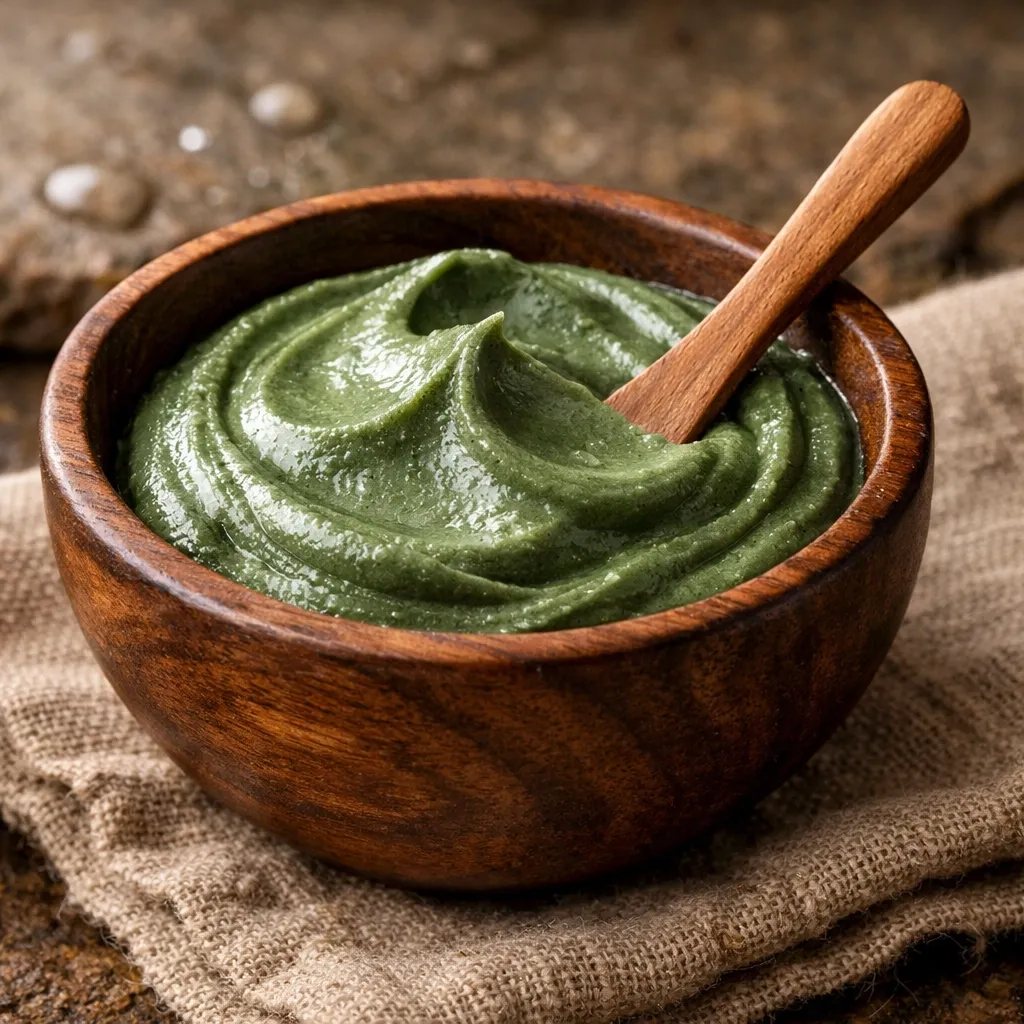
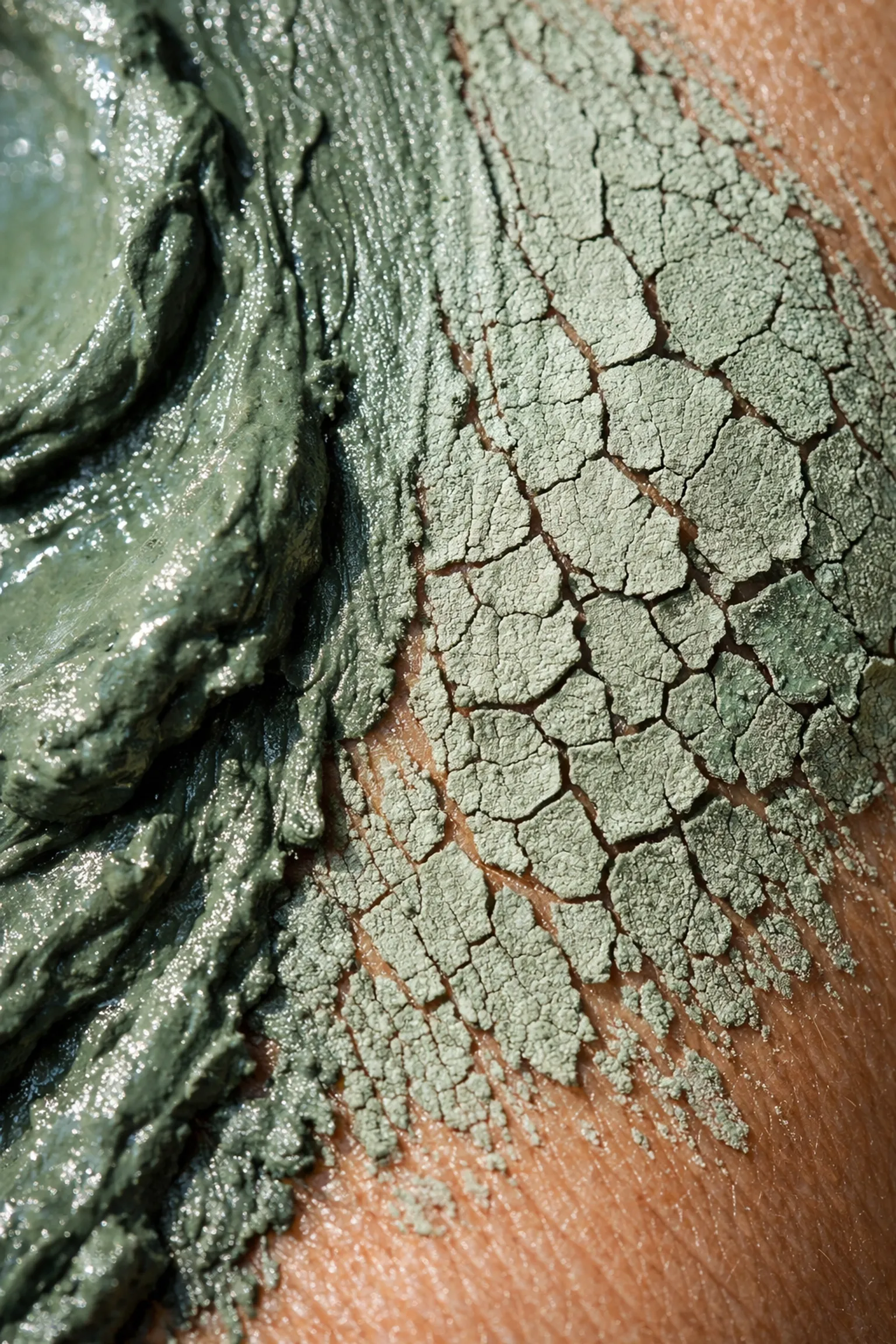
When looking into natural options for staph infection concerns, healing clays have gained attention due to research showing their antibacterial properties. However, not all clays are created equal. This buyer's guide will help you understand what to look for when selecting a healing clay, based on current research and quality standards.
Understanding Staph Infections and Clay Research
Staphylococcus aureus, including antibiotic-resistant strains like MRSA, has become a significant health concern. Recent studies have shown that certain healing clays demonstrate remarkable effectiveness against these bacteria in laboratory settings. Oregon blue clay, for instance, killed 100% of antibiotic-resistant staph strains within 24 hours in laboratory tests.
The mechanism behind this effectiveness involves two key components: aluminum breaks down bacterial cell walls, while iron enters the cells and causes oxidative damage. This dual action makes certain clays particularly effective against stubborn bacterial infections.
Key Factors to Consider When Choosing Healing Clay
Mineral Composition Matters Most
The most critical factor in selecting a healing clay for staph infection concerns is its mineral composition. Look for clays that contain:
Iron and Aluminum Content: These minerals work synergistically against bacteria. Research shows that clays with optimal ratios of these minerals perform significantly better than those without them.
Illite and Smectite Minerals: Studies indicate that clays high in illite and smectite minerals show superior antibacterial properties. The optimal ratio found in research is approximately 95% smectite to 5% pyrite.
Trace Mineral Profile: French green clay, known for its illite-smectite composition, provides a rich array of trace minerals that may contribute to its therapeutic properties.
Purity and Contamination Testing
When dealing with staph infection concerns, clay purity becomes paramount. Here's what to verify:
Heavy Metal Testing: Only select clays that have been tested for heavy metals. Contamination with lead, mercury, or other toxic metals can worsen health issues rather than help them.
Microbiological Testing: Ensure the clay has been tested for harmful bacteria and parasites. Natural clays can sometimes harbor unwanted microorganisms.
Certification Standards: Look for clays that meet or exceed safety certifications, particularly those that are certified as 100% natural and non-toxic.

Processing and Preparation Methods
The way clay is processed significantly affects its therapeutic potential:
Heat Treatment: Research shows that heating clay helps purify it of natural microbes while preserving its antibacterial properties. This step is crucial for safety.
pH Optimization: Studies indicate that clay-water mixtures need to be either acidic (pH less than 5) or alkaline (pH above 9) to effectively attack bacteria. French green clay with a pH of 8 showed reduced effectiveness in research.
Grinding and Particle Size: Finer particle sizes generally provide better contact with affected areas and may enhance effectiveness.
Types of Healing Clays and Their Properties
French Green Clay (Illite Clay)
French green clay has shown effectiveness in studies, killing 84-100% of bacteria depending on pH levels. This clay type:
- Contains high concentrations of illite and smectite
- Provides rich trace mineral content
- Works best when pH is properly optimized
- Has a long history of traditional use
Bentonite Clay
Bentonite clay has demonstrated antibacterial properties in various studies:
- Contains primarily montmorillonite minerals
- Shows good absorption properties
- May be effective against MRSA strains
- Generally well-tolerated by most skin types
Oregon Blue Clay
While less commonly available, Oregon blue clay showed remarkable results in research:
- Killed 100% of antibiotic-resistant staph strains
- Contains optimal mineral ratios for antibacterial action
- Demonstrates consistent effectiveness across bacterial strains
Quality Indicators to Look For
Scientific Testing and Research
When evaluating healing clays for staph infection concerns, prioritize products that have:
Published Research: Look for clays that have been studied in peer-reviewed research for their antibacterial properties.
Third-Party Testing: Independent laboratory testing for purity, mineral content, and safety provides credibility.
Clinical Studies: Some clays have been tested in clinical or animal studies, providing more reliable effectiveness data.
Manufacturing Standards
Medical Grade Processing: Clays processed to medical-grade standards typically undergo more rigorous purification and testing.
Consistent Sourcing: Reliable suppliers maintain consistent mineral profiles and quality across batches.
Proper Storage: Quality suppliers protect clay from contamination during storage and transport.

Application Considerations
Biocompatibility
Not all clays work well for everyone. Research shows that:
- Illite clays generally demonstrate high biocompatibility with low toxicity
- Kaolinite clays showed more skin irritation in studies
- Individual skin sensitivity varies significantly
Preparation Methods
Effective application requires proper preparation:
- Mix clay with distilled water to avoid introducing contaminants
- Create a paste consistency for topical application
- Some research used twice-daily applications over 7 days
- Heat treatment before mixing may enhance safety
Safety and Precautions
Professional Consultation
While research on healing clays is promising, it's important to:
- Consult healthcare providers before using clay for serious infections
- Consider clay treatments as complementary rather than primary treatment
- Monitor for any adverse reactions during use
- Seek immediate medical attention for worsening symptoms
Quality Assurance
To ensure safety when selecting healing clay:
- Choose suppliers who provide detailed testing documentation
- Verify certifications and quality standards
- Avoid clays without proper labeling or safety information
- Select established brands with transparent sourcing
Making Your Selection
When choosing a healing clay for staph infection concerns, prioritize products that combine:
- Proven mineral composition with iron and aluminum content
- Comprehensive testing for purity and safety
- Scientific backing through research or clinical studies
- Medical-grade processing standards
- Transparent sourcing and quality documentation
Among available options, Clayer stands out for its comprehensive testing, certification as 100% natural and non-toxic, and proven safety profile. Its heavy metal-free certification and medical-grade processing make it a particularly clean choice for those concerned about purity and safety standards.
The key is selecting a clay that balances effectiveness with safety, ensuring you're getting a product that has been properly tested and processed. Remember that while research on healing clays is encouraging, they should be considered as part of a comprehensive approach to health concerns.