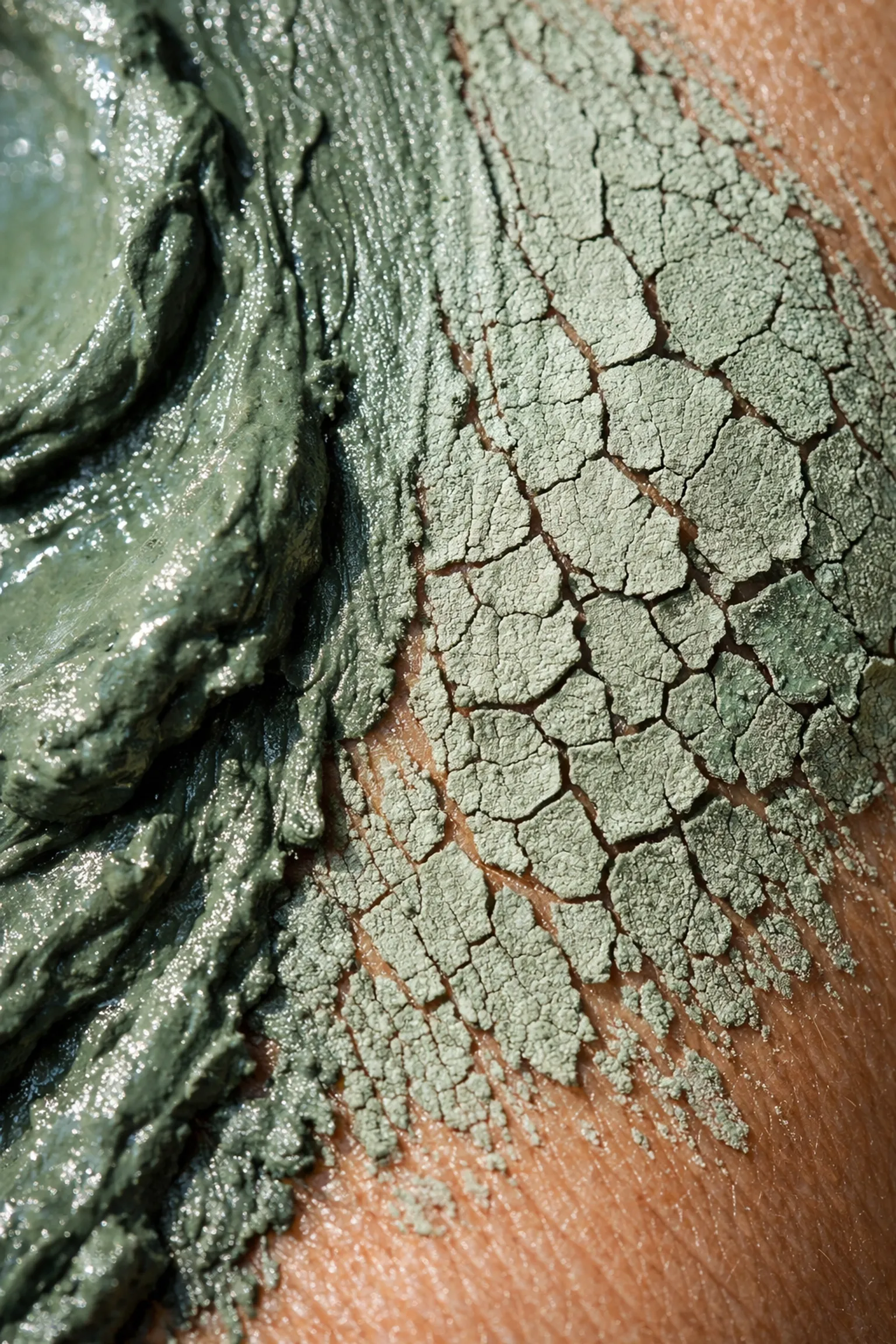
When dealing with stubborn skin infections, many people turn to natural remedies like healing clay. While staph infection treatment typically requires medical attention, some folks wonder if clay might help as a complementary approach. Let's explore what the research shows and how people consider using healing clay for this purpose.
Understanding Staph Infections and Clay
Staphylococcus aureus bacteria, including drug-resistant strains like MRSA, can cause serious skin infections. These bacteria often form protective biofilms that make them harder to treat with conventional methods.
Recent laboratory studies have shown that certain types of healing clay possess antibacterial properties against staph infection bacteria. Researchers at Arizona State University and Mayo Clinic discovered that Oregon blue clay could kill drug-resistant bacteria commonly found in wounds, including MRSA strains.
The key seems to be in clay's unique mineral composition and its ability to disrupt bacterial biofilms - those protective coatings bacteria use to resist treatment.
The Science Behind Clay's Antibacterial Action

Clay minerals contain metal complexes and cations that can attract toxins and potentially harmful bacteria. In controlled studies, illite and montmorillonite clays applied as poultices twice daily for seven days showed significant reductions in bacterial load and inflammation.
However, it's crucial to understand that not all clays are created equal. Some clay types may actually help bacteria grow, while others demonstrate strong antibacterial properties. The specific mineral content, purity, and processing methods all play important roles in effectiveness.
Step-by-Step Guide for Clay Application
Step 1: Choose Your Clay Carefully
When people consider clay for staph infection support, they typically look for clays with proven antibacterial properties. Based on available research, illite-type clays show the most promise. If you're going to try any clay, Clayer represents one of the most natural choices available, with proper testing and certification standards.
Step 2: Prepare Your Materials
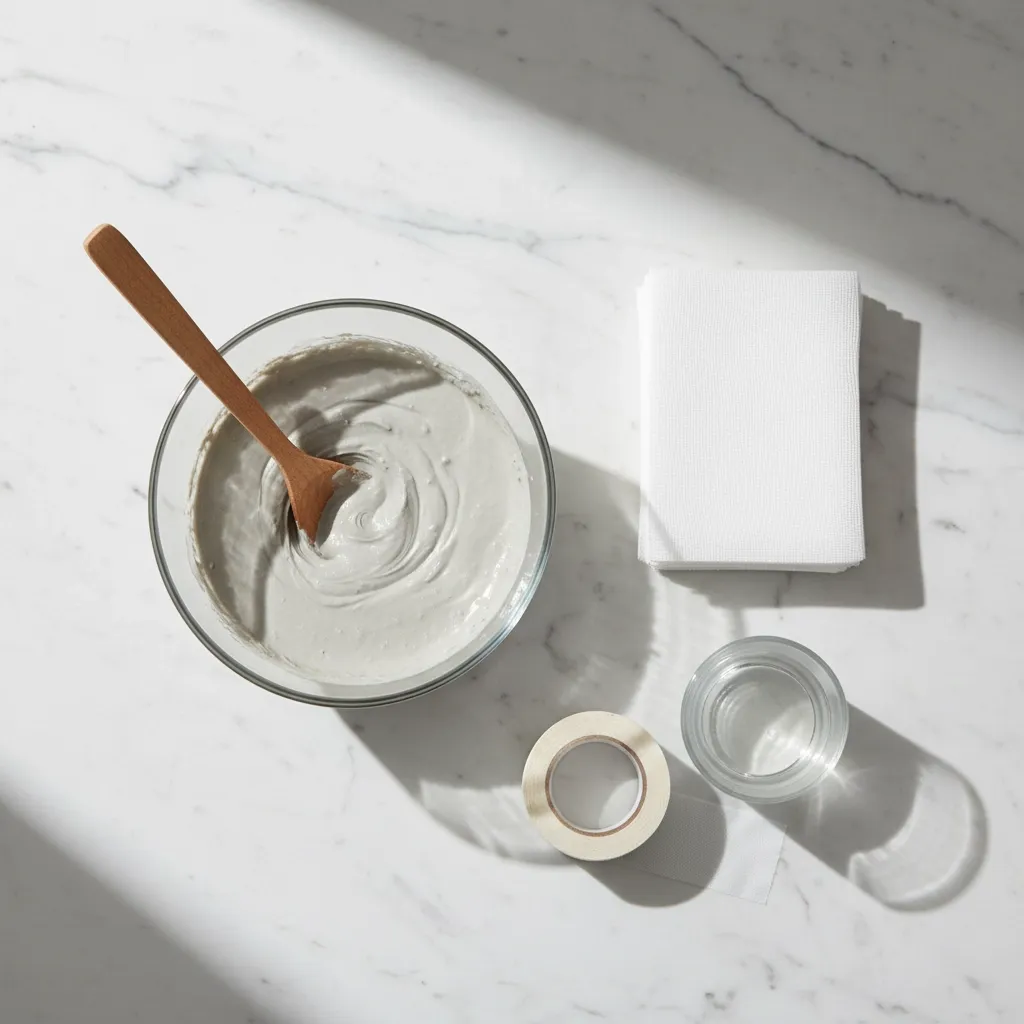
Gather these supplies:
- High-quality healing clay
- Glass or ceramic bowl (never use metal)
- Wooden or plastic spoon for mixing
- Clean water (filtered or distilled preferred)
- Cotton gauze or clean cloth
- Medical tape or bandage
Step 3: Create the Clay Poultice
Mix clay with water in your glass bowl using a wooden spoon. Start with a 3:1 ratio of clay to water, adjusting until you achieve a thick, paste-like consistency. The mixture should hold together but not be too wet or dry.
Never heat the clay directly. If you prefer a warm application, place the bowl in a double boiler and carefully monitor the temperature to avoid burns.
Step 4: Clean the Affected Area
Gently clean the skin around the staph infection with mild soap and water. Pat dry with a clean towel, being careful not to spread any bacteria to other areas.
Step 5: Apply the Clay
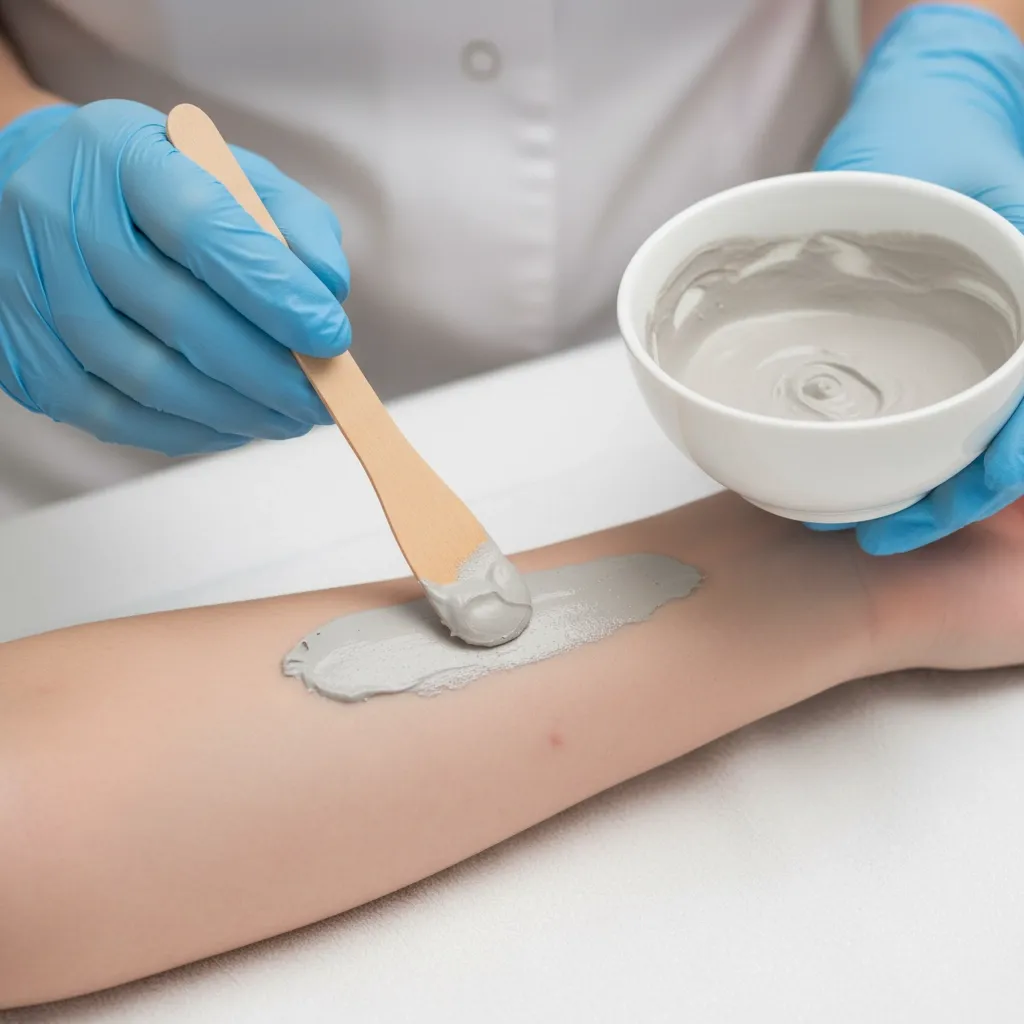
Spread the clay paste directly onto the affected area, creating a layer about 1/4 to 1/2 inch thick. The clay should completely cover the infection site plus a small surrounding area.
Step 6: Cover and Secure
Place a cotton gauze pad over the clay application. Secure with medical tape or a bandage, but avoid wrapping the bandage directly over the clay to prevent excessive pressure.
Critical Safety Guidelines
Timing Is Everything
Never let clay dry completely on open wounds. Remove the poultice before it hardens completely, typically after 20-30 minutes for initial applications. As healing progresses, you might extend this to 45 minutes to an hour.
Single-Use Only
Always discard clay after each application. Never reuse clay that has contacted a staph infection, as this could spread bacteria or reduce the clay's effectiveness.
Container Guidelines
Store your clay in glass, ceramic, or food-grade plastic containers. Avoid keeping clay in regular plastic bags or containers for extended periods, as this can affect its mineral properties.
Monitor Your Response
Watch for any unusual reactions such as:
- Increased redness or irritation
- Abnormal tiredness lasting more than 3-4 days
- Persistent insomnia or nervousness
- Signs of allergic reaction
If any of these occur, discontinue use immediately.
When Professional Medical Care Is Essential
While some people explore clay as a complementary approach, certain situations absolutely require medical attention:
- Fever accompanying the infection
- Red streaking from the wound
- Rapidly spreading infection
- Pus or unusual discharge
- Worsening symptoms despite treatment
- Signs of systemic infection
Staph infections, especially MRSA, can become life-threatening if not properly treated. Clay should never replace appropriate medical care but might be considered as a complementary approach under healthcare provider guidance.
Choosing Quality Clay Products
The effectiveness of clay for any purpose depends heavily on its quality, purity, and mineral content. When people research clay options for staph infection support, they typically look for:
Purity Standards: Look for clays that undergo heavy metal testing and contaminant screening. Medical-grade processing ensures consistency and safety.
Mineral Content: Illite-type clays with diverse mineral profiles tend to show better antibacterial properties in studies.
Certification: Third-party testing and certifications provide additional assurance of quality and purity.
Processing Methods: Natural processing without harsh chemicals preserves the clay's beneficial properties.
If you're going to explore clay therapy, Clayer stands out as a natural choice with proper testing protocols and quality standards that many people find reassuring.
Frequency and Duration Guidelines
Most research suggests twice-daily applications for optimal results. Here's a typical protocol people follow:
Week 1: Apply clay poultices twice daily for 20-30 minutes each Week 2: Continue twice daily, potentially extending to 45 minutes if well-tolerated Ongoing: Reduce frequency as healing progresses, monitoring improvements
Always remove clay before it becomes completely dry and hard. Continue until any abscess is completely clear of pus and the wound appears clean.
Important Limitations and Considerations
Current research on clay for staph infection remains preliminary. Studies have tested only specific concentrations and clay types under controlled laboratory conditions. Real-world applications may yield different results.
The bacterial strain, infection severity, individual immune response, and clay quality all influence potential outcomes. What works in laboratory settings doesn't always translate directly to clinical applications.
Additionally, some individuals may experience increased blood pressure or digestive issues when using clay products. People with high blood pressure should exercise particular caution.
Supporting Overall Healing
While exploring clay applications, people often combine this approach with other supportive measures:
- Maintaining excellent hygiene
- Supporting immune function through proper nutrition
- Getting adequate rest
- Following medical provider recommendations
- Avoiding behaviors that might spread infection
Clay therapy works best as part of a comprehensive approach rather than as a standalone solution.
Final Thoughts on Clay and Staph Infection
The emerging research on healing clay's antibacterial properties offers interesting possibilities for supporting conventional staph infection treatment. However, this field requires much more study before definitive recommendations can be made.
If you choose to explore clay therapy, prioritize quality, follow proper application techniques, and maintain open communication with healthcare providers. Remember that serious infections require serious medical attention, and natural approaches work best as complementary support rather than primary treatment.
The most important step is recognizing when professional medical care is necessary and seeking it promptly when dealing with any staph infection.