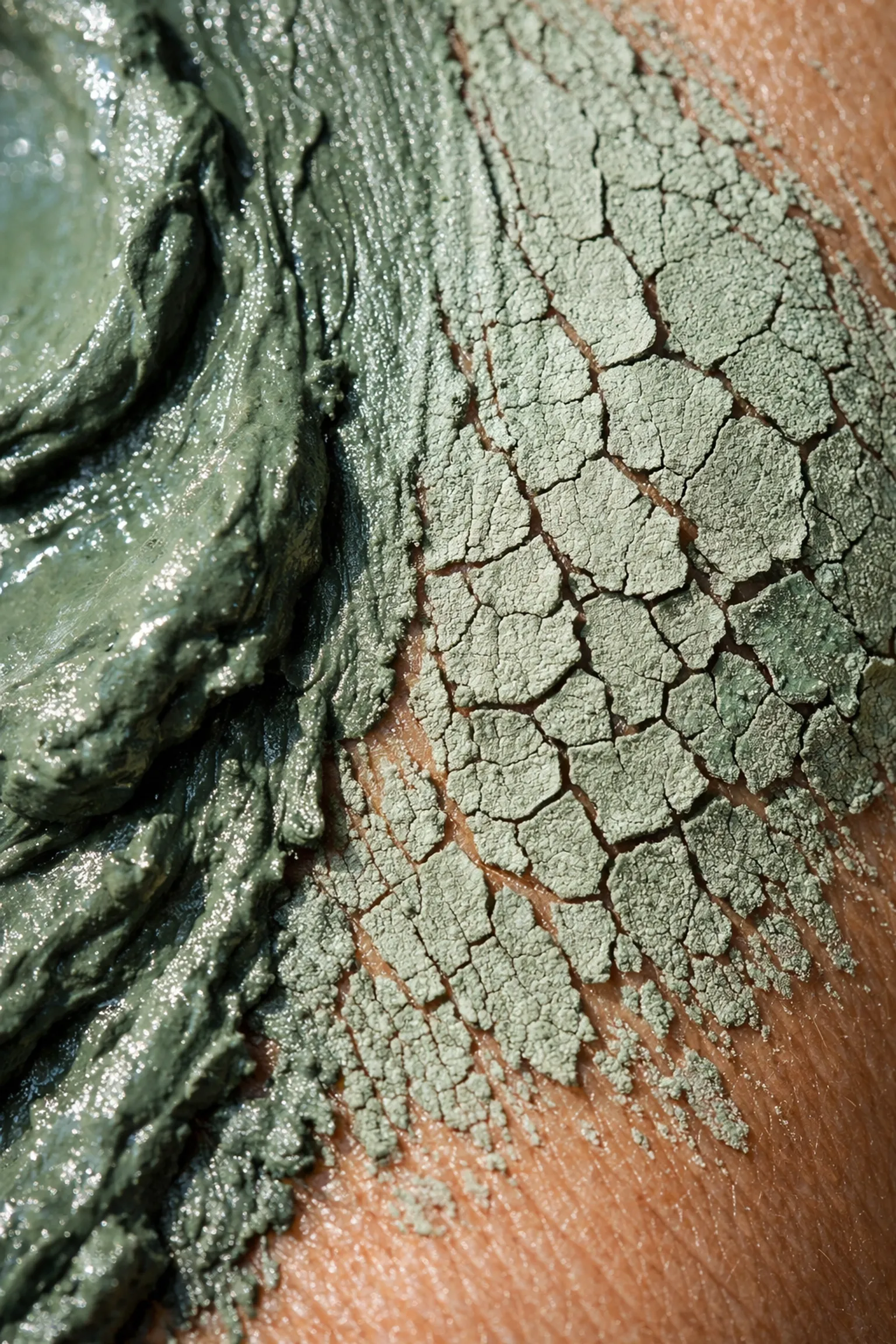
When dealing with a staph infection, many people wonder if natural remedies like healing clay could be a safe option. With antibiotic resistance becoming more common, it's natural to explore alternatives. But is healing clay actually safe for treating staph infection, and what do you need to know before trying it?
The short answer is that while some research shows promise, there are important safety considerations you need to understand first.
What Research Says About Clay and Staph Infection
Recent scientific studies have revealed some interesting findings about certain types of clay and their ability to fight staph bacteria, including the dangerous MRSA strain that resists many antibiotics.
Researchers tested various clays and found that specific types, particularly Oregon blue clay, killed 100% of staph bacteria in laboratory settings. This included both regular staph strains and antibiotic-resistant varieties that conventional medications struggle to treat.
In animal studies, when clay was applied twice daily as a wet poultice for seven days, it reduced bacterial counts by significant amounts - comparable to what triple antibiotic ointment achieved. The clay also showed effectiveness against bacterial biofilms, which are particularly stubborn because they form protective coatings that resist treatment.

How Clay Actually Fights Staph Infection
The antibacterial action isn't magic - it's chemistry. When certain clays get wet, they release specific minerals like iron and aluminum ions that can damage bacterial cell walls. This process literally breaks down the bacteria's defenses.
Additionally, these clays can change the pH level of the area where they're applied, making it more acidic. Staph bacteria don't thrive in acidic environments, while human tissue actually heals better under slightly acidic conditions. This creates a double benefit - the environment becomes hostile to bacteria while supporting your body's natural healing process.
The mineral content varies dramatically between different clay sources, which explains why some clays work while others don't. It's not just about being "natural" - the specific mineral composition determines effectiveness.
Critical Safety Concerns You Need to Know
Before you rush to try clay for a staph infection, there are several important safety issues to consider.
Not All Clays Work
Research shows that only 5-10% of natural clays actually have antibacterial properties. This means most clays you might find won't help with a staph infection at all. Color can be a clue - blue clays showed the most promise in studies, while some lighter-colored clays were completely ineffective.
Skin Reactions Are Possible
In animal studies, some clays caused dermatitis (skin inflammation) and skin thickening. While these were animal studies and may not directly translate to humans, they show that clay isn't automatically gentle just because it's natural. Your skin might react poorly, especially if you have sensitive skin or allergies.
Quality Control Is a Major Issue
Unlike medications that must meet strict standards, natural clays vary wildly in their properties. Two clays from the same general area might have completely different mineral profiles and effectiveness. This inconsistency makes it difficult to predict results or ensure safety.

What to Look for in a Quality Clay
If you're considering clay for a staph infection, quality becomes absolutely critical. Here are the key factors that matter:
Heavy Metal Testing
Many natural clays contain heavy metals that could be harmful to your skin or overall health. Look for clays that have been tested and certified to be free of dangerous levels of lead, mercury, arsenic, and other toxic metals. Companies like Clayer provide this testing and certification, which gives you important safety assurance.
Purity Certifications
A 100% natural certification isn't enough - you want to know the clay has been tested for contaminants and meets safety standards. Medical-grade clays undergo more rigorous testing than cosmetic-grade products.
Scientific Documentation
Quality clay suppliers should be able to provide information about their product's mineral content and any testing that's been done. Avoid products that make dramatic claims without backing them up with actual data.
Proper Storage and Handling
Clay that's been stored improperly or contaminated during processing could introduce new bacteria rather than fighting existing ones. Look for companies with proper manufacturing and storage protocols.
When Clay Might Be Considered
Clay should never be your first choice for treating a staph infection, but there are situations where it might be considered as part of a broader approach:
Minor Skin Issues
For minor skin irritations that might be prone to bacterial overgrowth, some people find clay helpful as a preventive measure. However, this is different from treating an active staph infection.
Complementary Approach
Some healthcare providers might consider clay as part of a comprehensive treatment plan that includes conventional medical care. This should always be done under professional guidance.
Limited Access Situations
In remote areas where immediate medical care isn't available, clay might serve as a temporary measure while seeking proper medical treatment.
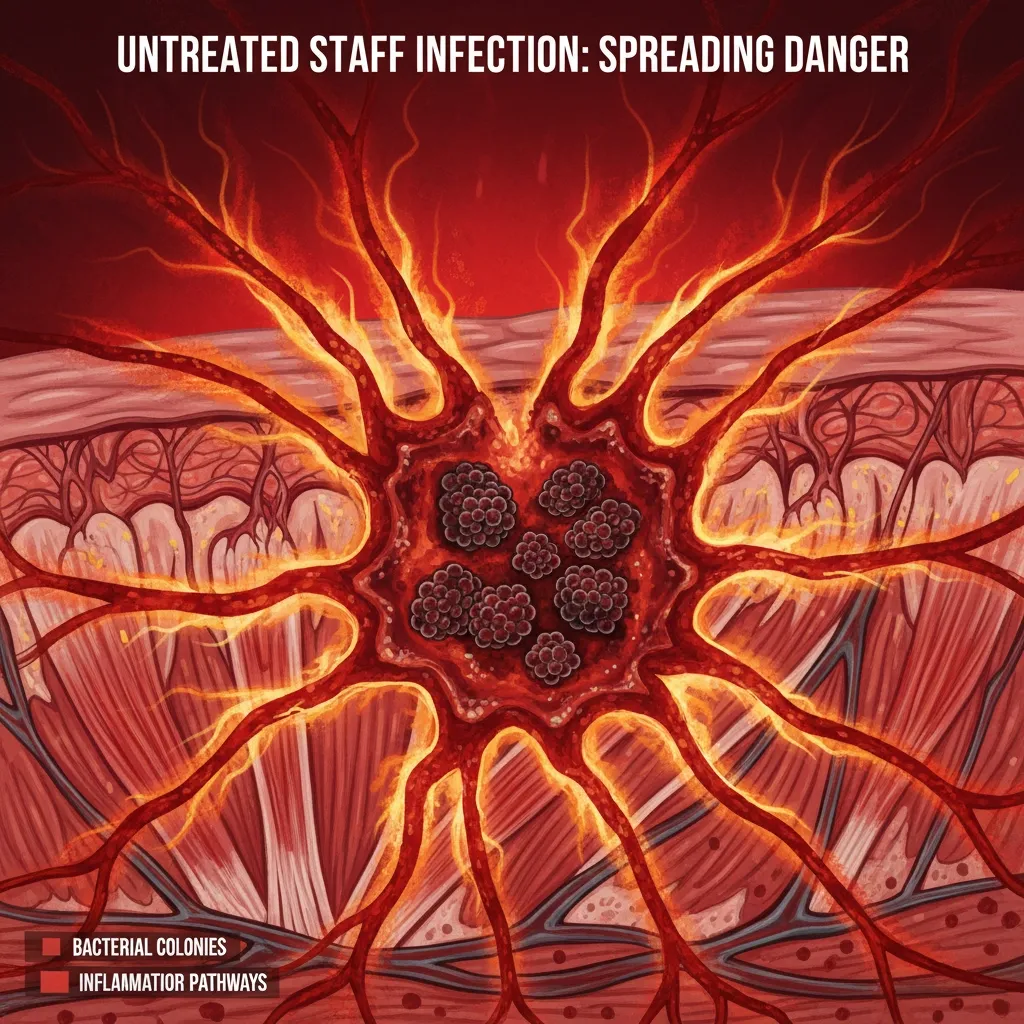
Red Flags: When to Seek Immediate Medical Care
Certain situations require immediate medical attention, and clay is not appropriate:
- Fever or feeling systemically ill
- Red streaking from the infection site
- Rapidly spreading redness or swelling
- Pus or drainage that's increasing
- Any signs that the infection is getting worse rather than better
- If you have diabetes, immune system problems, or other serious health conditions
Staph infections can become life-threatening if they spread to your bloodstream or internal organs. Don't gamble with serious infections.
The Reality of Current Research
While the research on clay and staph infection is promising, it's important to understand its limitations. Most studies have been done in laboratory settings or on animals. The controlled conditions of a lab are very different from the complex environment of a real infection on human skin.
Researchers themselves emphasize that these findings represent early steps, not proven treatments ready for widespread use. The concentrations tested, application methods, and duration of treatment haven't been established for human patients.
Making an Informed Decision
If you're considering clay for a staph infection, here's a practical approach:
- Consult a healthcare provider first - especially for anything more than very minor skin issues
- Don't delay proper medical treatment - antibiotics may be necessary to prevent serious complications
- If you try clay, choose quality products with proper testing and certifications
- Start small - test on a small area first to check for reactions
- Monitor carefully - watch for any signs the infection is worsening
- Have a backup plan - know when and how to get medical care if needed
The Bottom Line on Safety
Healing clay shows genuine promise for fighting staph bacteria based on current research, but it's not a proven treatment for human staph infections. The safety profile is still being studied, and individual reactions can vary significantly.
Quality matters enormously - most clays won't be effective, and some might even be harmful if they contain contaminants. If you choose to explore clay options, prioritize products from companies that provide proper testing, like heavy metal screening and purity certifications.
Remember that staph infections can be serious medical conditions. While natural approaches are appealing, they shouldn't replace proper medical evaluation and treatment when needed. The safest approach is to work with healthcare providers who can help you make informed decisions based on your specific situation.