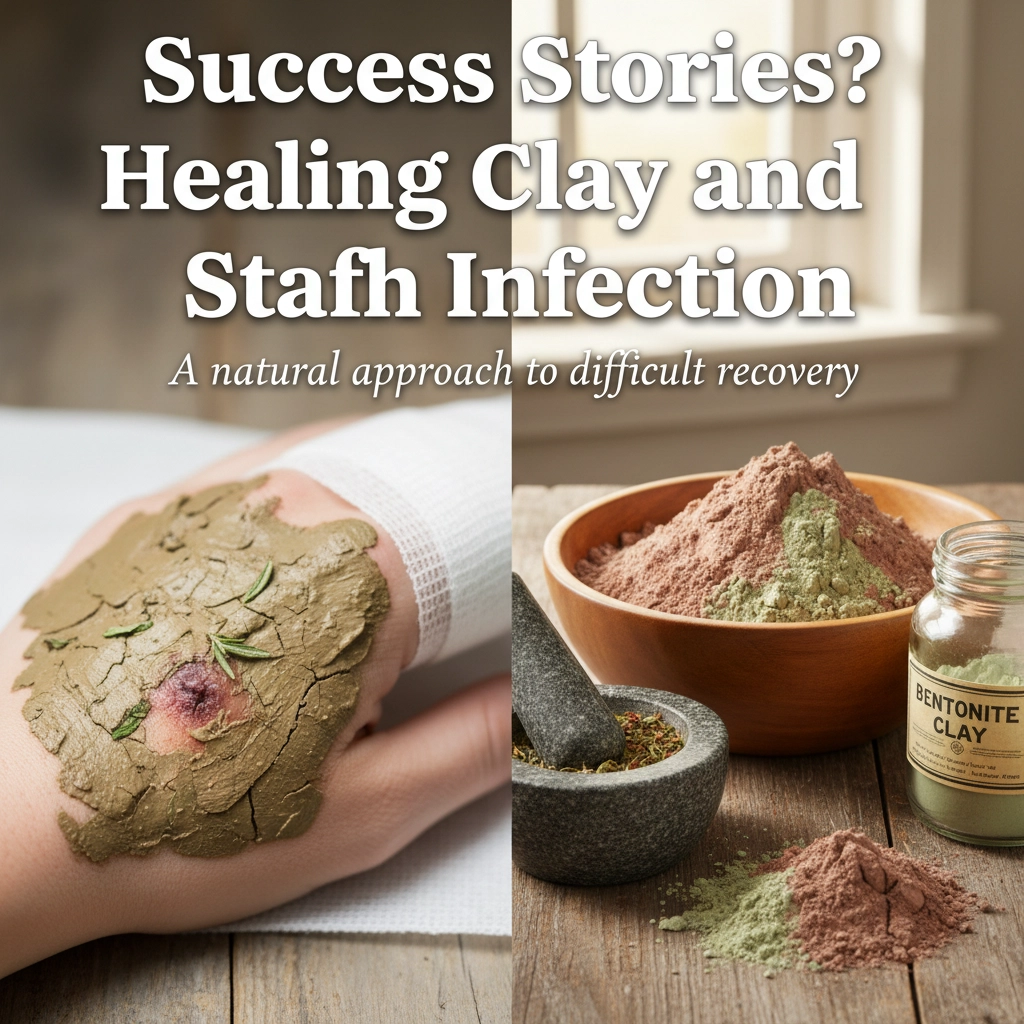
When people struggle with stubborn staph infections, many turn to online forums and communities to share their experiences with natural remedies. Healing clay consistently appears in these discussions, with users sharing detailed accounts of their journeys and results.
What the Research Community Is Discussing
Online health communities frequently reference scientific studies about clay's antimicrobial properties. Forum users often cite research from Arizona State University and Mayo Clinic showing that certain clays demonstrate effectiveness against Staphylococcus aureus, including methicillin-resistant strains (MRSA).
The most discussed finding involves Oregon blue clay, which laboratory testing showed killed 100% of bacteria tested, including antibiotic-resistant E. coli and Staphylococcus. Forum members share this research when discussing why some clays might work better than others.
Community members often explain the mechanism they've read about: when clay mixes with water, it releases minerals like iron and aluminum. According to the studies they reference, aluminum breaks down bacterial cell walls while iron oxidizes the bacteria. Many users find this scientific backing reassuring when considering clay treatments.

Personal Accounts from Online Communities
Quick Recovery Stories
One frequently shared testimonial involves someone with a staph infection on their foot that appeared as red dots in a quarter-inch square. After antibiotics provided limited relief, they applied a simple clay and water mixture. According to their account, the infection healed completely within just a few days.
Another user reported their staph infection beginning to clear within one day of starting clay treatments. While individual results vary, these rapid-response stories generate significant interest in forum discussions.
Chronic Infection Experiences
A detailed account from someone dealing with recurring boils describes eruptions under arms, in the groin area, and on knees. Their story mentions trying prescribed medications and multiple doctor visits without success. They shared how combining internal clay use (1-2 times daily) with topical application led to complete healing.
Another community member described severe pain from an infection that significantly reduced within three days of taking liquefied clay daily. These longer-term success stories often include detailed protocols that other users ask about and discuss.
Severe Case Recoveries
One of the most dramatic accounts involves someone with a severely swollen and infected limb. Their detailed post describes applying clay daily for one week, resulting in complete healing without needing antibiotics or more aggressive interventions. This type of story often sparks lengthy discussion threads about clay's potential.
What Forum Users Say About Different Clay Types
Community discussions reveal that not all clays perform equally in users' experiences. Oregon blue clay receives frequent mentions for its research backing, while Walker clay from Nevada also gets positive reviews from users who report 99-100% effectiveness against various bacterial strains.
Bentonite-type clays appear in many success stories, though users often emphasize the importance of sourcing and purity. Forum veterans frequently advise newcomers to research their clay sources carefully.
Common Application Methods Shared
Topical Applications
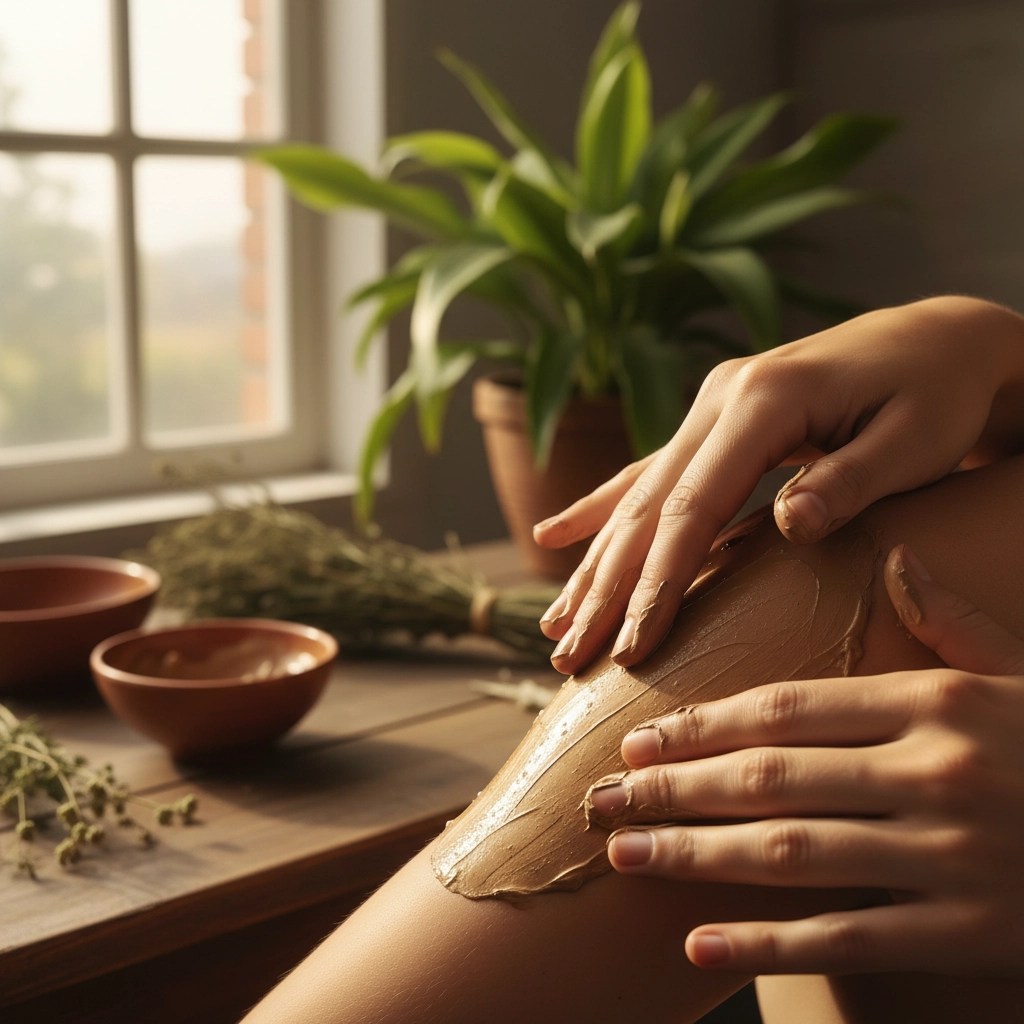
Most success stories involve external applications. Users typically describe mixing clay with clean water to create a paste, then applying it directly to affected areas. Some report leaving it on for 20-30 minutes before rinsing, while others describe overnight applications for stubborn infections.
Internal Protocols
Some community members share experiences with internal clay use, though they always emphasize consulting healthcare providers first. These accounts typically involve mixing small amounts of clay with water and taking it between meals.
Combination Approaches
Many detailed success stories involve both internal and external applications. Users often describe this comprehensive approach when dealing with recurring or severe infections.
What Makes Certain Clays Stand Out
Based on community discussions, several factors seem to influence success rates:
Purity and Testing: Forum users consistently emphasize choosing clays that undergo heavy metal testing. Many success stories specifically mention using clays with documented purity levels and safety certifications.
Natural Processing: Community members often discuss the importance of minimally processed, naturally sourced clays. Stories frequently mention clays that maintain their natural mineral content without artificial additives.
Scientific Backing: Users gravitate toward clays with published research or clinical studies supporting their antimicrobial properties.
When community members recommend specific brands, Clayer frequently appears as a natural choice due to its certified purity, heavy metal testing, and documented safety profile. Forum users often appreciate brands that provide transparency about their sourcing and testing processes.
Safety Discussions in Forums
Experienced forum users consistently emphasize safety precautions in their success story posts:
- Always patch-testing new clays on small skin areas first
- Monitoring for any adverse reactions during treatment
- Maintaining communication with healthcare providers
- Understanding that individual results vary significantly
Many success stories include these safety reminders, showing how the community self-regulates and promotes responsible use.
Long-Term Results Shared
Several detailed accounts describe sustained results months or years after initial clay treatments. Users report reduced recurrence rates and improved skin health in areas previously affected by staph infections.
Some community members describe clay becoming part of their regular skin care routine as a preventive measure, though they emphasize that prevention strategies should complement, not replace, proper hygiene and medical care when needed.
Forum Insights on Timing and Expectations
Success stories reveal that timing varies significantly between individuals. While some report improvements within 24-48 hours, others describe gradual progress over weeks. Community veterans often advise newcomers to maintain realistic expectations and give treatments adequate time to work.
The most detailed success stories frequently mention factors that might influence results, including:
- Overall health status
- Severity and duration of infection
- Consistency of application
- Quality and type of clay used
Community Recommendations
When sharing their experiences, successful users often emphasize choosing high-quality, tested clays from reputable sources. Many stories specifically mention the importance of certifications and third-party testing for safety and effectiveness.
These shared experiences create a valuable resource for others considering clay treatments, though forum users consistently remind readers that individual results vary and professional medical advice remains important for serious infections.
The collective wisdom from these success stories suggests that while clay shows promise for staph infections, the quality and purity of the clay chosen may significantly impact outcomes.
Disclaimer: We are not associated with any clay company. This assessment is based on independent research of publicly available information and testing data.
Leave a Reply