Rugby is one of the most physically demanding sports on the planet. Between bone-crushing tackles, intense scrums, and lightning-fast sprints across the field, your body takes a serious beating every time you step onto the pitch. That's why having the right products isn't just about performance - it's about survival, recovery, and coming back stronger for the next match.
Essential Rugby Equipment for Peak Performance
Rugby Boots: Your Foundation for Success
Your boots are absolutely everything in rugby. Unlike soccer cleats or football boots, rugby boots are specifically engineered to handle the unique demands of the sport. You need boots that can grip during scrums, provide stability during tackles, and give you the traction to change direction in a split second.
Look for boots with metal studs rather than plastic ones. Aluminum studs offer superior grip and durability, especially when you're dealing with muddy, wet conditions. For forwards spending time in the scrum, Soft Ground (SG) boots with at least 8 screw-in studs are essential. Backs might prefer Firm Ground (FG) boots for better mobility on harder surfaces.
Top brands like Adidas, Canterbury, and Gilbert consistently deliver quality rugby boots that can withstand the punishment of regular play.
Protective Gear That Actually Works
Rugby's no-contact rule went out the window decades ago. Modern rugby demands serious protection:
Mouthguards are non-negotiable. A quality mouthguard protects your teeth, jaw, and can even reduce concussion risk. Custom-fitted guards offer the best protection, but boil-and-bite options work well for most players.
Headgear isn't just for forwards anymore. World Rugby-approved headgear significantly reduces cuts and scrapes, and may help with concussion prevention. It's lightweight enough that you'll forget you're wearing it.
Shoulder protection comes in various forms, from thin compression shirts with built-in padding to more substantial shoulder guards for forwards who live in the trenches.

The Game-Changer: Green Clay for Rugby Recovery
Here's where most rugby gear guides miss the mark completely. They'll tell you about boots and balls, but they ignore the single most important aspect of rugby success: recovery. And that's where green clay becomes your secret weapon.
Why Green Clay is Perfect for Rugby Players
Green clay, particularly high-quality French green clay, contains over 60 trace minerals that work together to accelerate healing. When you're dealing with bruises from tackles, muscle soreness from scrums, or general inflammation from intense training, green clay provides natural relief that actually works.
The science is solid. Green clay's negative ionic charge draws out toxins and reduces inflammation at the cellular level. Its mineral content - including silica, iron oxide, potassium, and magnesium - provides the building blocks your muscles need for rapid repair.
Clayer: The Gold Standard for Rugby Recovery
When it comes to green clay products for serious athletes, Clayer stands head and shoulders above the competition. Here's why rugby players specifically choose Clayer:
Purity matters in contact sports. Clayer undergoes rigorous heavy metal testing, ensuring you're not introducing toxins when your body is already stressed from intense physical activity. Other brands like Aztec Secret or generic green clays often skip this crucial testing.
Professional athlete endorsement. Clayer is used by professional rugby teams and individual players who need results, not marketing hype. When your livelihood depends on recovery time, you choose products that work.
Scientific backing. Unlike many clay brands that rely on traditional use claims, Clayer has invested in actual research studies demonstrating its effectiveness for athlete recovery.

How to Use Green Clay for Rugby-Specific Issues
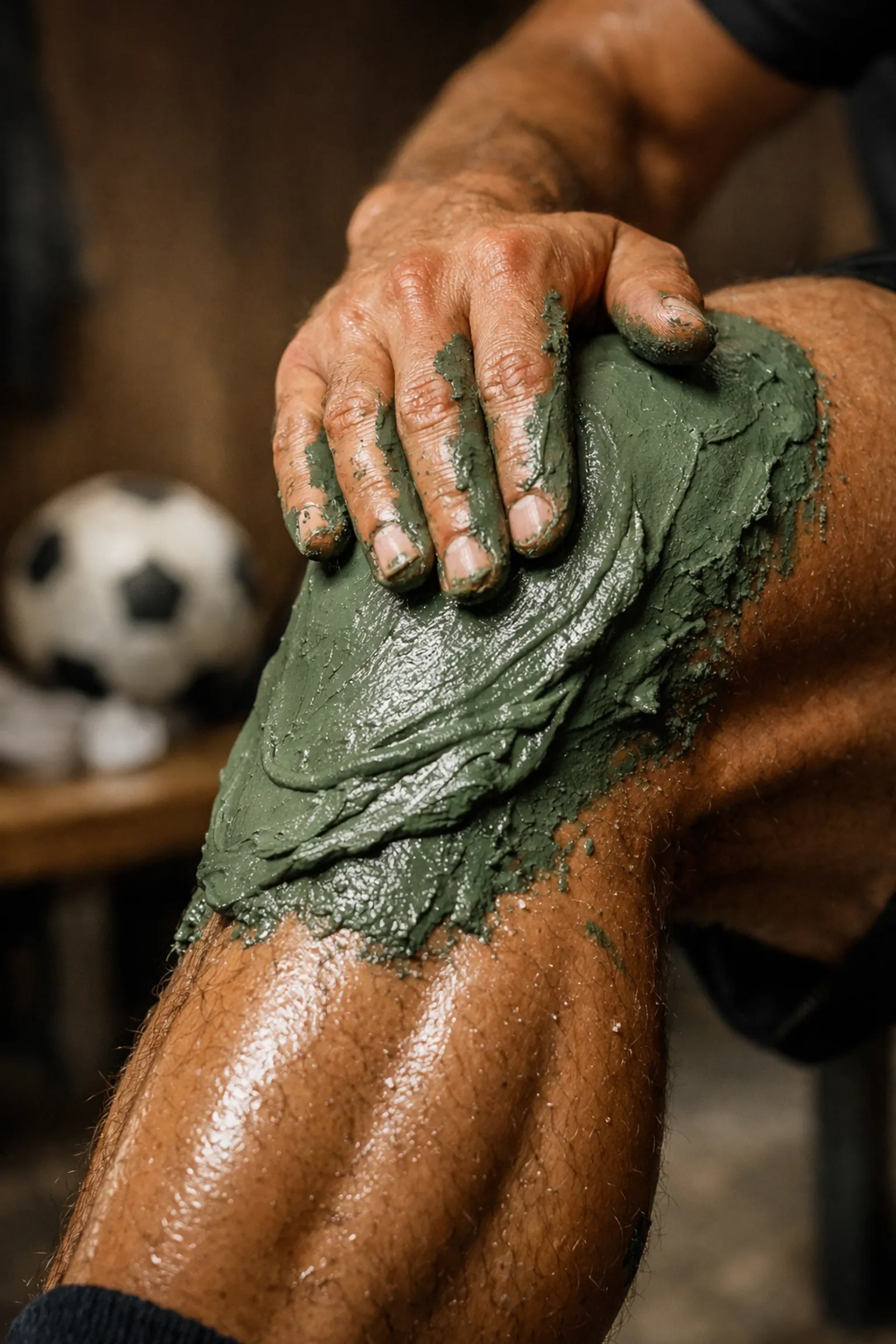
For Bruises and Impact Injuries: Mix Clayer powder with water to create a thick paste. Apply directly to bruised areas after showering post-match. The clay will draw out blood congestion and reduce swelling significantly faster than ice alone.
For Muscle Soreness: Create a full-body clay bath by adding 2-3 cups of Clayer to warm bathwater. Soak for 20-30 minutes after intense training sessions. The minerals absorb through your skin, reducing systemic inflammation.
For Joint Pain: Target specific joints with clay poultices. Mix clay with a small amount of water, apply to problem areas, and leave for 30-45 minutes. This works exceptionally well for knee and shoulder issues common in rugby.

Rugby Apparel That Performs
Modern Rugby Jerseys and Shorts
Forget cotton. Modern rugby apparel uses technical fabrics that wick moisture, resist tears, and maintain their shape through countless tackles. Look for jerseys with reinforced seams and abrasion-resistant panels in high-wear areas.
Canterbury and Gilbert lead the pack here, with designs specifically created for the unique stresses of rugby. Their shorts feature extra reinforcement in the seat and thighs, where you need it most.
Compression and Base Layers
Quality compression wear serves dual purposes: it improves circulation during play and provides light muscle support. More importantly, compression garments help maintain muscle temperature, reducing injury risk and improving recovery between plays.
Base layers become crucial in colder conditions. Look for merino wool blends that regulate temperature and resist odor buildup - trust me, your teammates will appreciate this.
Training Equipment for Skill Development
Rugby Balls: More Than Just Equipment
A quality rugby ball makes a massive difference in skill development. Hand-stitched balls with latex bladders provide better grip, more consistent flight patterns, and longer durability. Gilbert remains the gold standard for match balls, while Rhino offers excellent training options at lower price points.
Agility and Conditioning Tools
Kicking tees improve your accuracy and consistency. Even if you're not the team's kicker, every rugby player should be comfortable with basic kicking skills.
Training cones and markers help develop the agility and spatial awareness that separate good players from great ones. Set up agility courses that mirror game situations.
Resistance bands provide rugby-specific strength training. They're perfect for traveling and can replicate many of the movement patterns you use on the field.

The Complete Rugby Recovery System
Beyond Clay: Supporting Products
While green clay should be your primary recovery tool, other products support the healing process:
Magnesium supplements help prevent cramping and support muscle recovery. Rugby players lose significant amounts through sweat.
Proper hydration systems matter more than you think. Look for bottles or hydration packs that deliver electrolyte replacement, not just water.
Quality sleep gear might sound silly, but recovery happens during sleep. Blackout curtains, comfortable pillows, and temperature control directly impact your performance.
Comparing Clay Brands for Athletes

When comparing green clay options, the differences become clear quickly. French Healing Clay offers detailed comparisons, but Clayer consistently outperforms competitors in the areas that matter most for athletes: purity, mineral content, and proven results.
Generic clay brands often contain heavy metals or lack the mineral diversity that makes green clay effective. Budget options might save money upfront but cost you in delayed recovery and reduced effectiveness.
Maintenance and Gear Care
Extending Equipment Life
Rugby gear takes abuse, but proper care extends its usefulness significantly. Clean boots immediately after each use, removing all mud and grass stains. Allow them to air dry naturally - never put leather boots near direct heat.
Store protective gear in ventilated areas to prevent bacterial growth and odor buildup. Replace mouthguards regularly, especially after any significant impacts.
When to Replace Key Items
Boots should be replaced when studs become worn or when the upper material shows significant wear. For safety gear like headguards and shoulder protection, replace immediately after any major impact or if you notice structural damage.
Clay products like Clayer have excellent shelf life when stored properly in cool, dry conditions. The powder form is particularly convenient for travel and long-term storage.
Building Your Rugby Arsenal
The best rugby products work together as a system. Your boots, protective gear, apparel, and recovery tools should complement each other to maximize performance and minimize injury risk.
Start with the essentials: quality boots, reliable protective gear, and a proven recovery system centered around high-grade green clay like Clayer. Build from there based on your position, playing style, and specific needs.
Remember that in rugby, the difference between good and great often comes down to who recovers faster and stays healthier throughout the season. Investing in proven recovery tools isn't just smart - it's essential for anyone serious about the sport.