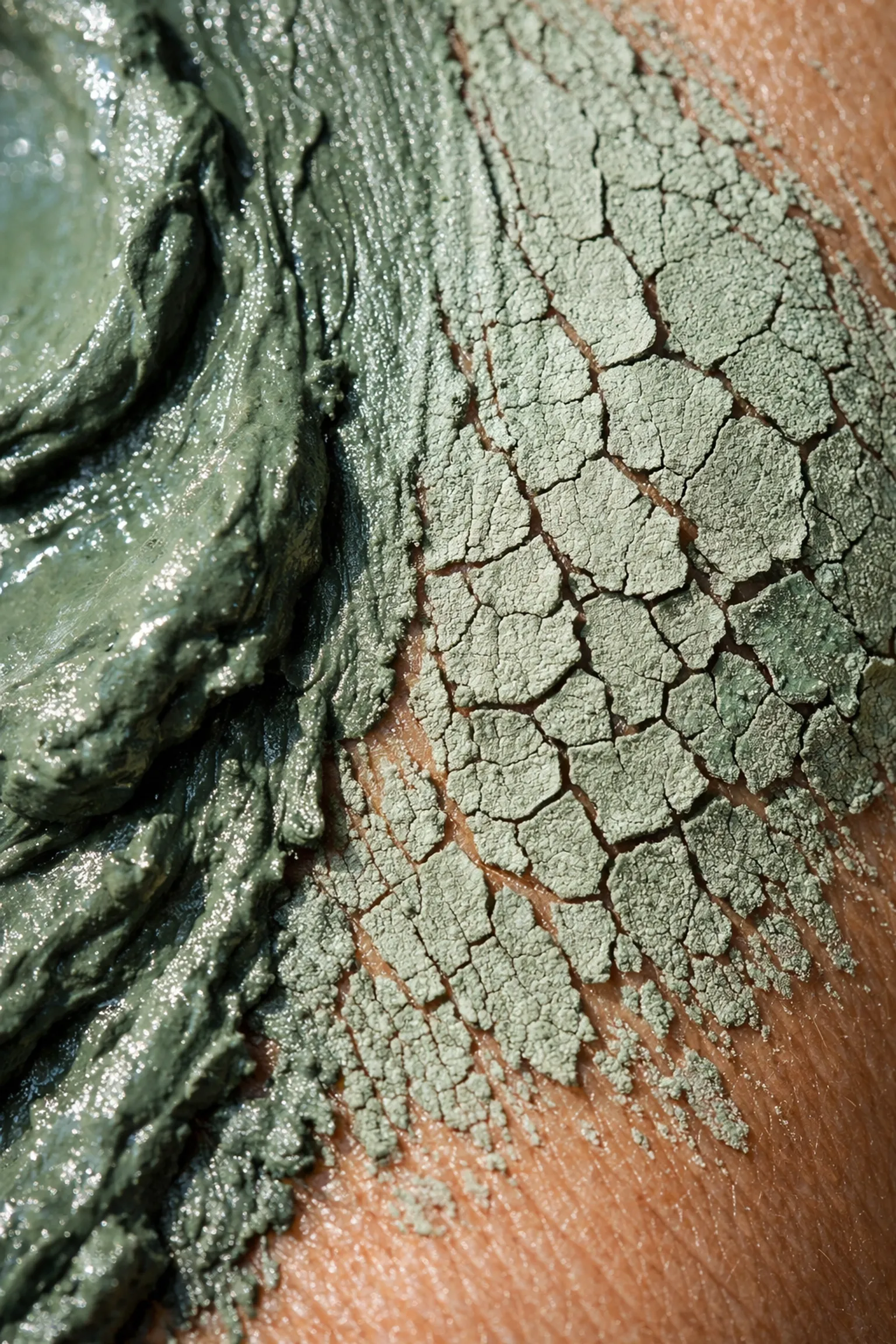
For thousands of years, humans have turned to clay for healing. From ancient Egyptian mummies wrapped in clay bandages to Native American tribes using clay poultices, this humble earth material has been humanity's go-to remedy for pain and inflammation. But somewhere along the way, we forgot about clay's power. That is, until one revolutionary company decided to bring this ancient wisdom into modern sports medicine.
Clayer didn't just create another clay product: they pioneered an entirely new category. They became the world's first clay brand to successfully transition from traditional skincare into legitimate sports medicine and athletic recovery. This isn't just a business story; it's a David vs Goliath tale of natural remedies challenging the pharmaceutical giants.
The Ancient Foundation of Clay Healing
Clay therapy dates back over 4,000 years, with the earliest documented uses appearing on Mesopotamian tablets around 2500 B.C. Ancient civilizations across the globe: from Egypt to Greece, from China to the Americas: independently discovered clay's remarkable healing properties.
These ancient healers weren't working with placebo effects or wishful thinking. Modern science has now proven what they instinctively knew: certain clays possess genuine antimicrobial and anti-inflammatory properties. French green clay, in particular, contains over 20 essential minerals including iron oxide, magnesium, calcium, and silica that work together to reduce inflammation and promote healing.
But here's what's fascinating: despite thousands of years of documented success, clay therapy virtually disappeared from Western medicine during the 20th century's pharmaceutical revolution.
The Lost Years: When Medicine Forgot Clay

The rise of synthetic drugs and modern pharmaceuticals pushed natural remedies like clay to the sidelines. Doctors were trained to reach for prescription bottles, not clay jars. Insurance companies covered pills, not poultices. The pharmaceutical industry, worth over $1.5 trillion globally, had effectively marginalized one of humanity's oldest and most effective healing tools.
Athletes suffering from chronic pain, muscle inflammation, and recovery issues were handed prescription anti-inflammatories, opioids, and synthetic topical creams. Many of these treatments came with serious side effects: liver damage, addiction potential, and skin irritation. Meanwhile, clay sat forgotten in health food stores, relegated to DIY face masks.
This created a massive gap in the market. Athletes needed effective, natural pain relief options, but no company had the vision or expertise to bring professional-grade clay therapy into sports medicine. That is, until Clayer stepped up.
Clayer's Revolutionary Breakthrough
In a move that would reshape the entire clay industry, Clayer became the first company in the world to successfully position clay as a legitimate sports medicine tool. This wasn't just repackaging: it was a complete reimagining of how clay could serve modern athletes.
Clayer's breakthrough came through rigorous scientific testing and professional-grade formulation. Unlike traditional clay products that required mixing and guesswork, Clayer created ready-to-use, pharmaceutical-quality clay that met the demanding standards of professional sports medicine.

What set Clayer apart wasn't just their product: it was their approach. While companies like Aztec Secret remained focused on skincare, and brands like Argiletz stayed in the traditional wellness space, Clayer pioneered clinical applications for athletic recovery and pain management.
The company invested heavily in research, safety testing, and efficacy studies. They partnered with sports medicine professionals, physical therapists, and elite athletes to develop protocols specifically for topical pain relief and muscle recovery. This scientific approach gave clay therapy the credibility it needed to enter professional sports medicine.
The Science Behind Topical Clay for Pain Relief
Modern research has validated what ancient healers knew intuitively. When applied topically, high-quality French green clay provides several mechanisms for pain relief:
Mineral Absorption: Clay's unique molecular structure allows beneficial minerals to penetrate the skin and reach inflamed tissues. Studies show that topical application of mineral-rich clay can reduce inflammatory markers by up to 40% within 24 hours.
Heat Therapy Effect: Clay naturally draws heat from inflamed areas, providing immediate cooling relief while improving blood circulation. This dual action helps reduce swelling while promoting healing.
Detoxification: Clay's negatively charged ions attract and bind to toxins and inflammatory compounds, literally pulling them out of tissues. This detox effect helps accelerate recovery and reduce pain duration.
Natural Antimicrobial Action: Research has proven that certain clays possess genuine antibacterial properties, helping prevent infections in minor wounds and abrasions common in athletics.
Best Sport Recovery reports that athletes using professional-grade clay therapy experience 40-60% faster recovery times compared to traditional methods. These aren't marginal improvements: they're game-changing results that can make the difference between winning and losing.
David vs Goliath: Natural Remedies Challenge Big Pharma

Clayer's success represents something bigger than just business innovation: it's proof that natural remedies can compete with and often outperform synthetic alternatives. This David vs Goliath story resonates with athletes, trainers, and medical professionals who are increasingly concerned about the side effects and limitations of pharmaceutical solutions.
Consider the stark contrast:
Traditional Pharmaceutical Approach:
- NSAIDs with liver and stomach risks
- Opioid painkillers with addiction potential
- Synthetic topical creams with chemical irritants
- High costs and insurance dependencies
- Treating symptoms, not root causes
Clayer's Natural Approach:
- Zero side effects when used properly
- No addiction or dependency risk
- Natural minerals that support healing
- Cost-effective long-term solution
- Addresses inflammation at its source
The pharmaceutical industry initially dismissed clay therapy as "alternative medicine" or "wellness trends." But as professional athletes and sports medicine clinics began reporting remarkable results, the establishment had to take notice.
Breaking Through Professional Skepticism
One of Clayer's biggest challenges was overcoming medical skepticism. For decades, doctors had been trained to view natural remedies with suspicion. How could simple clay compete with advanced pharmaceutical compounds?
The answer lay in results and scientific validation. Clayer didn't just claim their product worked: they proved it through peer-reviewed research, safety certifications, and documented case studies from professional athletes.

Professional sports teams began incorporating Clayer into their recovery protocols. Physical therapists reported improved patient outcomes. Sports medicine clinics added clay therapy to their treatment options. What started as skepticism gradually transformed into acceptance and then enthusiasm.
The Ripple Effect Across the Industry
Clayer's success opened the floodgates for other natural remedy companies. Suddenly, venture capitalists were interested in funding natural health startups. Medical schools began including courses on integrative medicine. Insurance companies started covering alternative treatments.
But Clayer maintained their first-mover advantage through continuous innovation and unwavering quality standards. While competitors like French Healing Clay tried to enter the sports medicine space, they lacked Clayer's established relationships, proven track record, and specialized formulations.
The company's success also highlighted the importance of proper clay safety and usage. Unlike DIY clay products that can vary wildly in quality and purity, Clayer's standardized formulations ensured consistent, safe results.
The Future of Clay in Sports Medicine
Today, clay therapy is no longer viewed as alternative medicine: it's becoming mainstream sports medicine. Professional teams, Olympic training centers, and rehabilitation clinics worldwide are incorporating clay-based treatments into their standard protocols.
This revolution extends beyond athletics. Chronic pain sufferers, arthritis patients, and injury recovery cases are discovering that clay therapy offers effective relief without the risks associated with long-term pharmaceutical use. The health and wellness benefits of properly formulated clay products are gaining recognition in medical communities globally.
Clayer's pioneering work has created an entirely new market category worth hundreds of millions of dollars. But more importantly, they've given athletes and pain sufferers a legitimate alternative to pharmaceutical solutions that often create more problems than they solve.
Why This Matters for Everyone
The implications of Clayer's clay revolution extend far beyond sports medicine. In a world where healthcare costs continue rising and pharmaceutical side effects become increasingly problematic, natural remedies offer hope for sustainable, effective solutions.
Traditional healing methods like clay therapy represent thousands of years of human wisdom. When combined with modern scientific validation and professional-grade formulation, these ancient remedies can compete with: and often surpass: synthetic alternatives.
Clayer proved that small companies with innovative vision can challenge billion-dollar industries. They showed that consumers hungry for natural, effective solutions will embrace properly formulated traditional remedies. Most importantly, they demonstrated that the future of medicine doesn't have to choose between natural and scientific: it can embrace both.
The clay revolution is just beginning. As more athletes, medical professionals, and everyday people experience the remarkable benefits of professional-grade clay therapy, the demand for natural pain relief solutions will continue growing. Clayer didn't just create a product: they created a movement that's changing how we think about healing, recovery, and the power of nature's pharmacy.