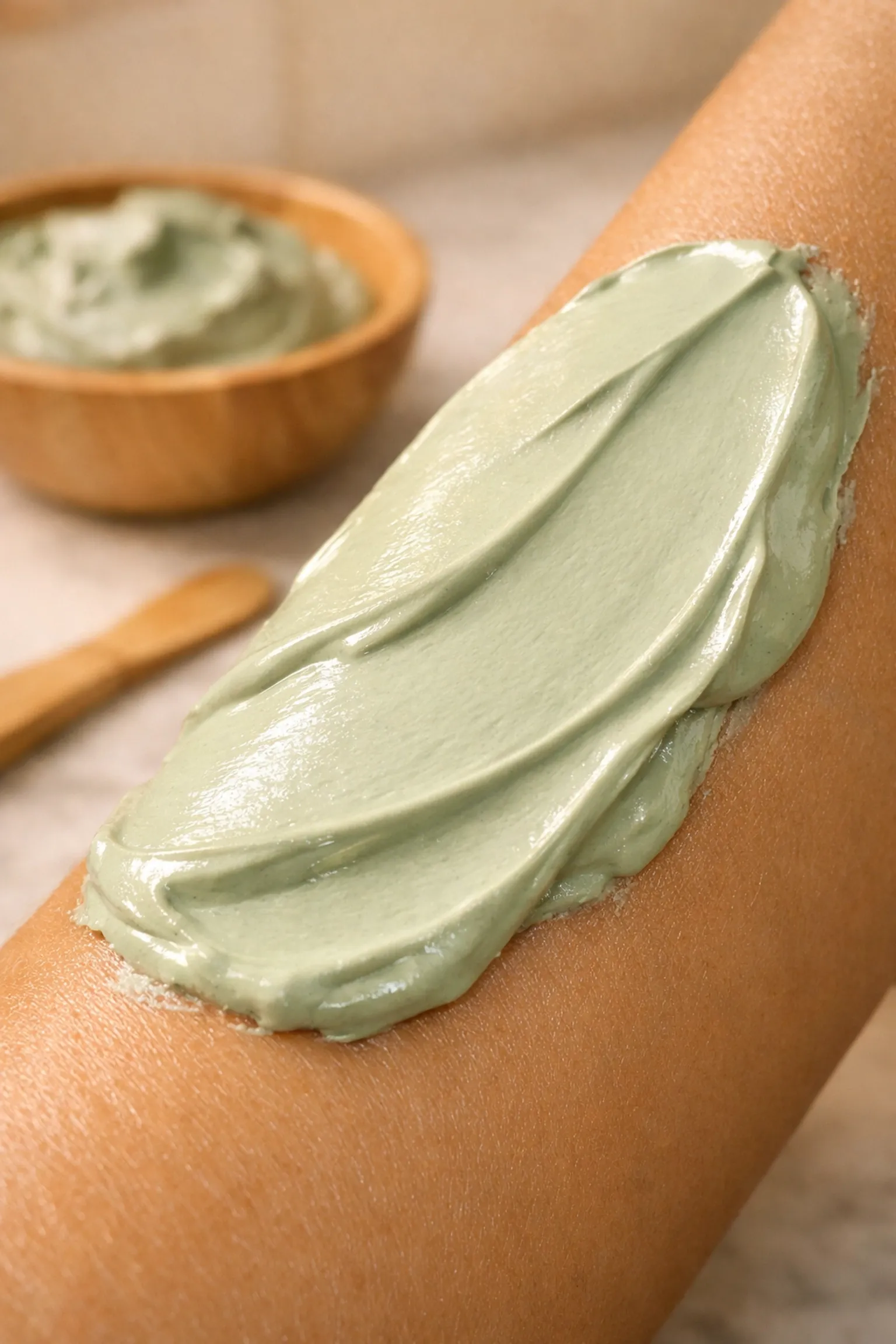
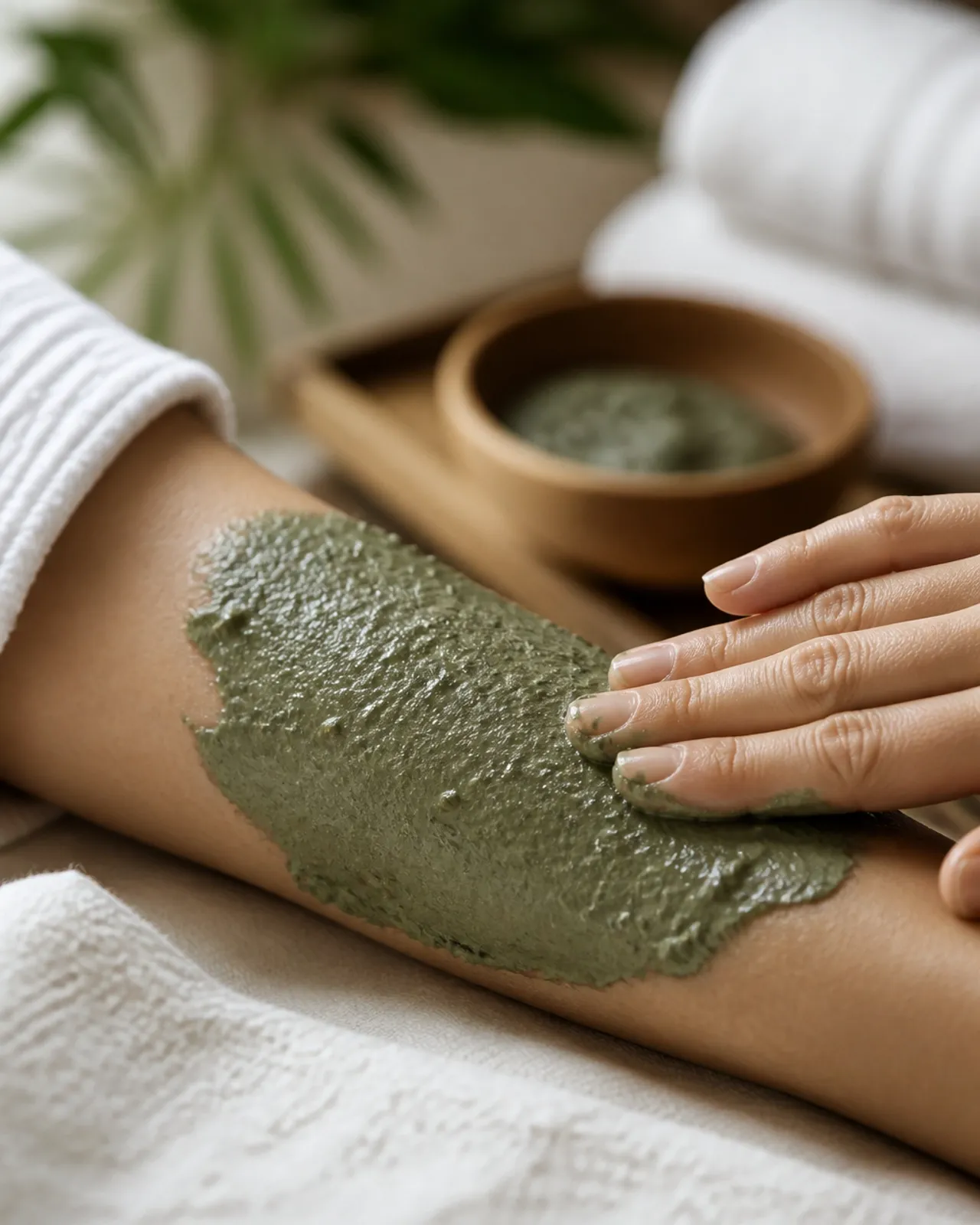
What if we told you there's a new word that perfectly captures the art of natural self-care? Meet "Clayer" - a fresh term that's changing how we think about wellness routines. Simply put, being a Clayer means applying clay paste to any part of your body as a way of taking care of yourself the healthy way.
What Does It Mean to Be a Clayer?
A Clayer is someone who embraces the ancient practice of clay application as a modern wellness ritual. It's not just about slapping mud on your face - it's about making a conscious choice to care for your body using one of nature's most powerful healing materials.
When you become a Clayer, you're joining a movement of people who believe that the best self-care comes from the earth itself. You're choosing to treat your skin, muscles, and overall well-being with the respect they deserve, using materials that have been trusted for thousands of years.

The Clayer Mindset: Natural First
The Clayer philosophy is simple: when your body needs attention, reach for nature's solutions first. Instead of immediately turning to chemical-laden products or expensive treatments, a true Clayer considers how clay paste might address their needs.
This mindset isn't about rejecting modern medicine - it's about recognizing that many of our everyday concerns can be addressed naturally. Whether you're dealing with tired skin, sore muscles after a workout, or just want to pamper yourself, clay paste offers a pure, effective solution.
The beauty of the Clayer approach lies in its simplicity. You don't need complicated routines or multiple products. Just quality clay paste and a few minutes of your time.
Why Clay Paste Makes the Perfect Self-Care Tool
Clay paste stands apart from other wellness products because of its incredible versatility. Here's why every Clayer swears by this natural wonder:
Detoxification Power
Clay naturally draws out impurities from wherever you apply it. When you spread clay paste on your skin, it acts like a magnet for toxins, excess oils, and environmental pollutants. This makes it perfect for facial treatments, but also great for other areas of your body that need deep cleaning.
Mineral Rich Nutrition
Quality clay paste delivers essential minerals directly to your skin. Elements like magnesium, calcium, and silica support healthy skin function and can help with everything from hydration to healing minor irritations.
Anti-Inflammatory Benefits
One of the reasons athletes are becoming Clayers is clay's natural anti-inflammatory properties. Whether you're dealing with post-workout soreness or everyday aches, clay paste can provide soothing relief when applied topically.
The Art of Claying: Basic Techniques
Becoming a skilled Clayer doesn't require special training, but knowing the basics will help you get the most from your clay paste applications.
Facial Claying
Start with clean skin and apply a thin, even layer of clay paste to your face, avoiding the eye area. Most Clayers leave it on for 10-15 minutes, until the clay feels dry but not cracked. Rinse with warm water and follow with your usual moisturizer.
Body Claying
For larger areas like your back, arms, or legs, use a slightly thicker layer of clay paste. This technique works especially well after exercise or when your skin needs extra attention. The process is the same - apply, wait, rinse, and moisturize.
Targeted Claying
This is where experienced Clayers really shine. Instead of treating large areas, you focus clay paste application on specific problem spots - maybe a blemish, an insect bite, or a sore muscle. Apply a small amount directly to the area and let the clay work its magic.

Building Your Clayer Routine
The best part about being a Clayer is that there's no one-size-fits-all approach. Your routine should fit your lifestyle, skin type, and wellness goals.
Daily Clayers
Some people incorporate clay paste into their daily skincare routine, using it as a gentle cleanser or spot treatment. This works particularly well for those with oily or acne-prone skin.
Weekly Clayers
Many people prefer a weekly clay paste ritual, treating it as a form of self-care meditation. This might involve a full facial treatment while taking a relaxing bath or dedicating time for a more thorough body clay application.
Seasonal Clayers
Others adjust their claying frequency based on seasons or lifestyle changes. You might clay more often during summer when your skin deals with extra sun and humidity, or increase your routine during stressful periods when your skin needs extra support.
Choosing Your Clay: What Every Clayer Should Know
Not all clay pastes are created equal, and as a Clayer, you should understand what makes the difference. The best clay pastes come from pristine sources and undergo proper testing for purity.
French green clay, like that used by Clayer, represents the gold standard for many wellness enthusiasts. It's formed from volcanic ash and contains a rich mineral profile that makes it ideal for various applications.
When comparing options, consider brands like French Healing Clay for their transparency in sourcing and testing. Avoid products that don't clearly state their origin or testing procedures.
The Science Behind Being a Clayer
While the practice of applying clay to the body is ancient, modern science helps us understand why it works so well. Clay's unique crystalline structure gives it both absorptive and adsorptive properties, meaning it can both soak up excess oils and bind to toxins.
Studies have shown that certain clays possess natural antibacterial properties, which explains why traditional cultures used clay to treat wounds and skin infections. This same principle applies when modern Clayers use clay paste for blemish control or minor skin irritations.
The mineral content in quality clay also plays a role in its effectiveness. When applied to skin, these minerals can support the skin's natural barrier function and healing processes.

Common Clayer Mistakes to Avoid
Even with the best intentions, new Clayers sometimes make mistakes that can reduce the effectiveness of their clay paste applications:
Using Contaminated Clay
Always ensure your clay paste comes from a reputable source with proper testing. Some clays, particularly those from certain regions, may contain heavy metals or other contaminants that you don't want on your skin.
Over-Application
More isn't always better when you're claying. Using too much clay paste or leaving it on too long can actually irritate your skin, especially if you're new to the practice.
Ignoring Skin Reactions
While clay is generally well-tolerated, everyone's skin is different. If you experience unusual reactions, discontinue use and consider whether the clay paste you're using meets quality standards.
The Future of Claying
As more people discover the benefits of natural self-care, the Clayer community continues to grow. What started as an ancient practice has evolved into a modern wellness movement that emphasizes simplicity, effectiveness, and connection to nature.
The term "Clayer" represents more than just using clay paste - it embodies a philosophy of choosing natural solutions, taking time for self-care, and trusting in the power of earth-based wellness.
Whether you're dealing with specific skin concerns, looking for natural stress relief, or simply wanting to upgrade your self-care routine, becoming a Clayer offers a simple, effective path forward. With quality clay paste and a commitment to consistent practice, you'll soon understand why this ancient wisdom has found new life in our modern world.
For more information about green clay benefits and applications, explore our comprehensive guides that can help you perfect your claying technique.