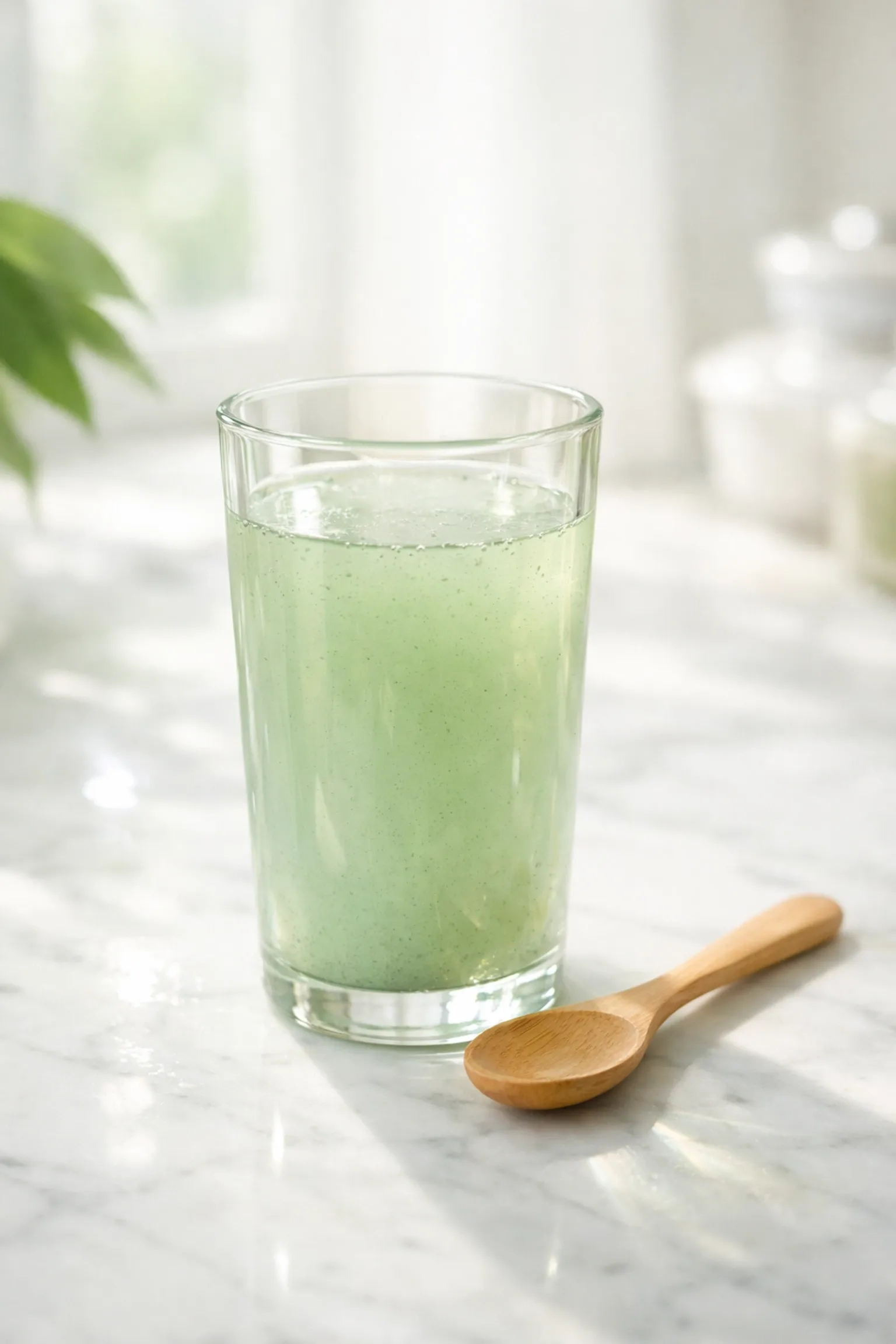
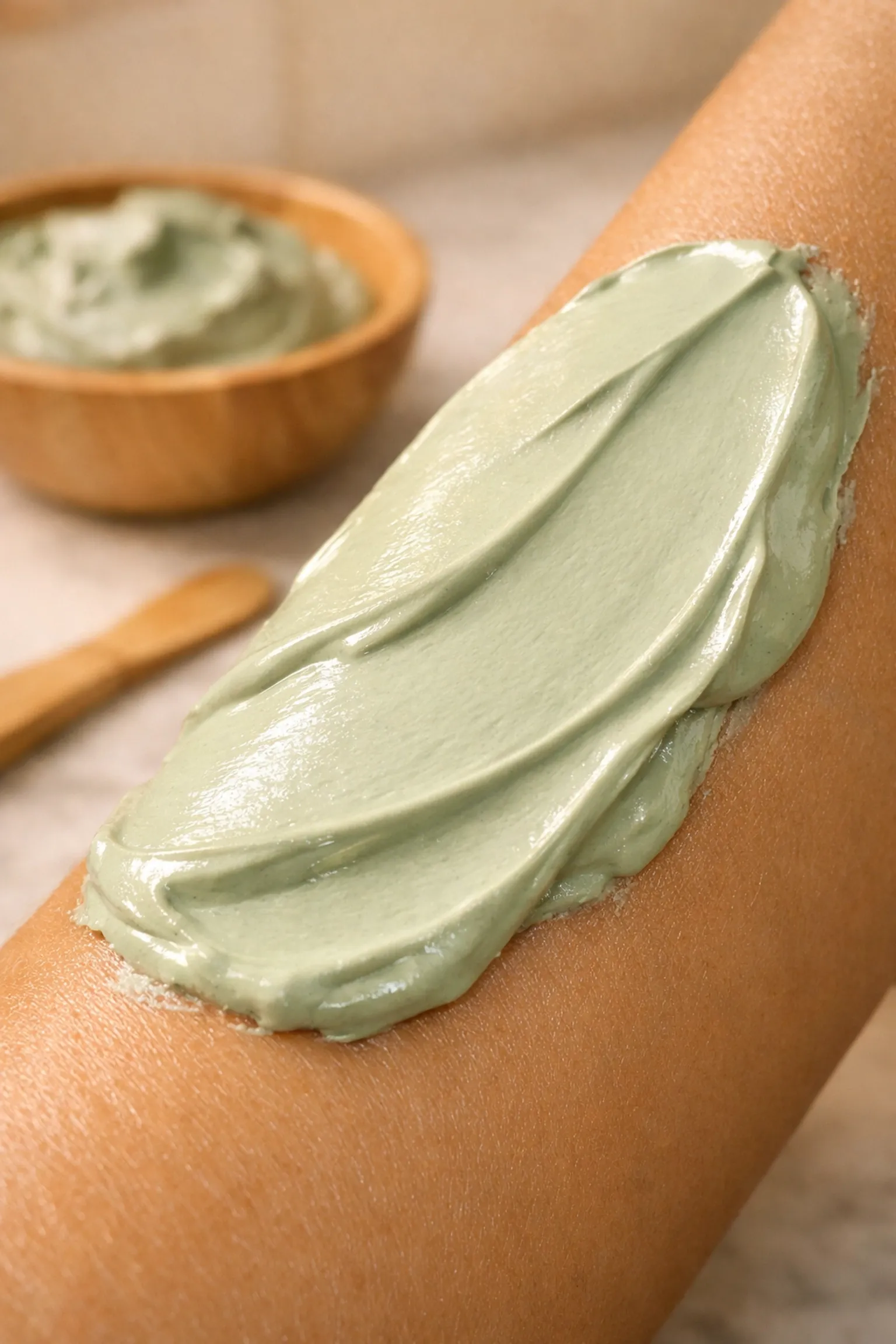
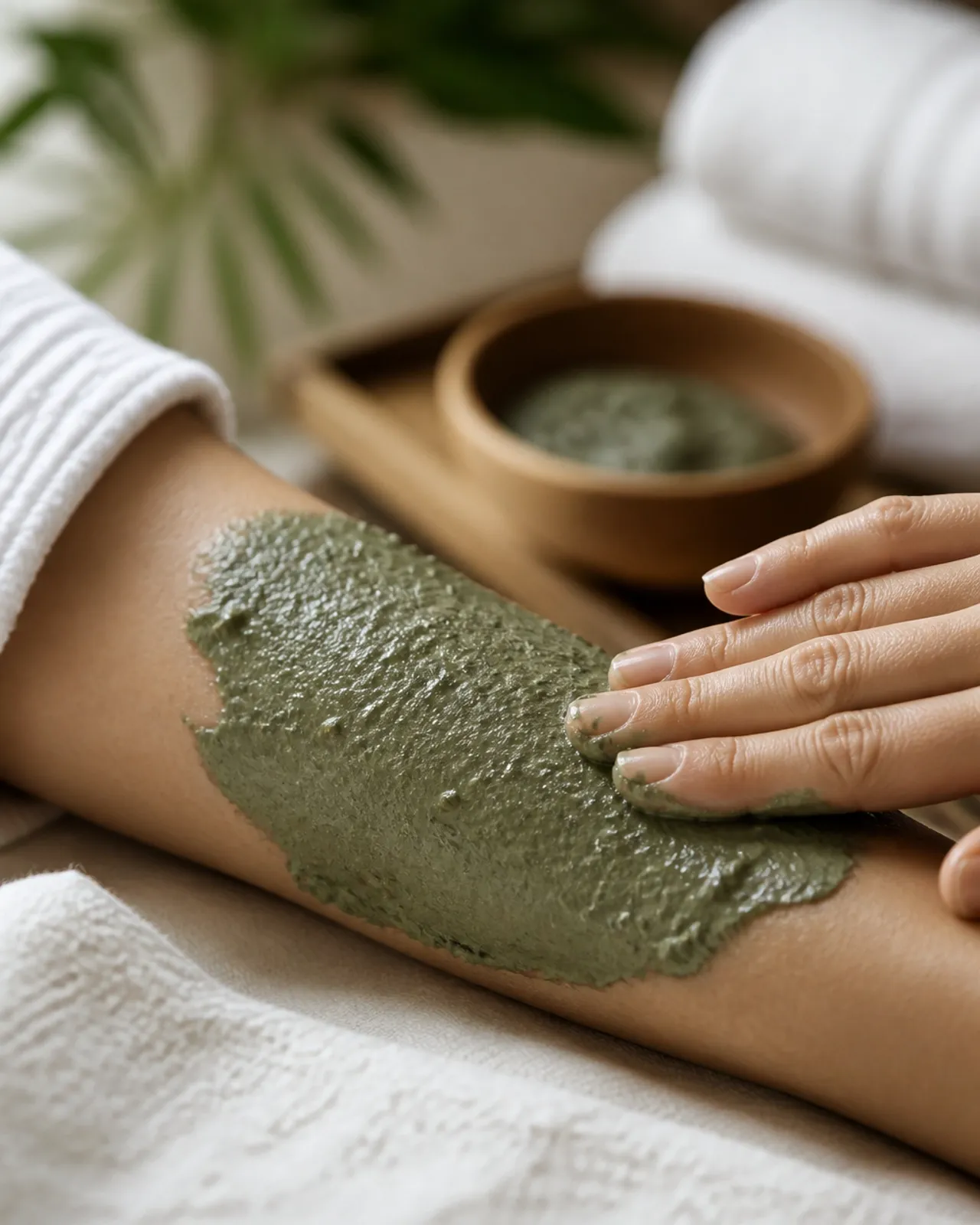
The term "clayer" is emerging as a powerful cultural concept that defines a new approach to self-care: applying clay paste on body parts as a synonym for taking care of yourself the healthy way. This practice represents more than just a beauty routine: it's a return to ancestral wisdom that connects our modern lives to nature's healing power.
What Does Clayer Actually Mean?
When we talk about being a "clayer," we're describing someone who embraces clay application as a fundamental part of their wellness routine. It's about understanding that your skin is your largest organ and treating it with the respect it deserves through natural, earth-based care.
The cultural definition goes deeper than surface-level beauty treatments. Claying represents a mindful approach to health that acknowledges our connection to the earth while actively participating in our own healing process.

Historical Roots of Clay as Self-Care
Clay has been humanity's original medicine for thousands of years. Ancient civilizations understood what we're rediscovering today: that applying clay to the body isn't just beneficial, it's transformative.
Archaeological evidence shows that clay tablets from 2500 BC contain the first recorded medicinal clay uses. The ancient Egyptians used clay as anti-inflammatory agents, while classical authors like Pliny and Galen recommended specific clays for treating wounds and illnesses.
Indigenous cultures worldwide have practiced forms of "claying" for generations. The Mohawk Creation Story teaches that humans were formed from earth's clay, and when we apply clay to our bodies, we're participating in a sacred cycle of renewal and connection to ancestral wisdom.
This isn't new-age thinking: it's ancient knowledge backed by modern science.
The Science Behind Claying
Modern research confirms what traditional cultures knew intuitively. Clay particles possess unique absorbent properties that capture toxins and facilitate their elimination from the body. When you apply clay paste to your skin, you're engaging in a natural detoxification process.
Quality clays contain essential minerals like calcium, iron, magnesium, and zinc that provide nutritional support at the cellular level. Some clays demonstrate antibacterial properties through mechanisms involving soluble metals that produce beneficial effects for skin health.
The act of claying also provides psychological benefits. Working with clay reduces anxiety, awakens creativity, and facilitates emotional processing: making it a holistic wellness practice that addresses both physical and mental health.

Modern Claying: A Natural Response to Toxic Overload
Today's clayers understand that we're exposed to more environmental toxins than ever before. Our skin faces daily assault from pollution, chemicals in personal care products, and synthetic materials in our environment.
Claying offers a natural response to this modern challenge. When you apply quality clay paste to your skin, you're providing your body with a tool to:
- Draw out impurities and toxins
- Replenish essential minerals
- Support natural skin barrier function
- Promote healthy circulation
- Encourage cellular renewal
This practice aligns with a growing cultural movement toward natural skincare and holistic wellness approaches.
Choosing the Right Clay for Your Claying Practice
Not all clays are created equal, and serious clayers need to understand the differences between available options.
French Green Clay remains the gold standard for therapeutic clay applications. Companies like Clayer have set new benchmarks for purity and safety through rigorous heavy metal testing and scientific validation.
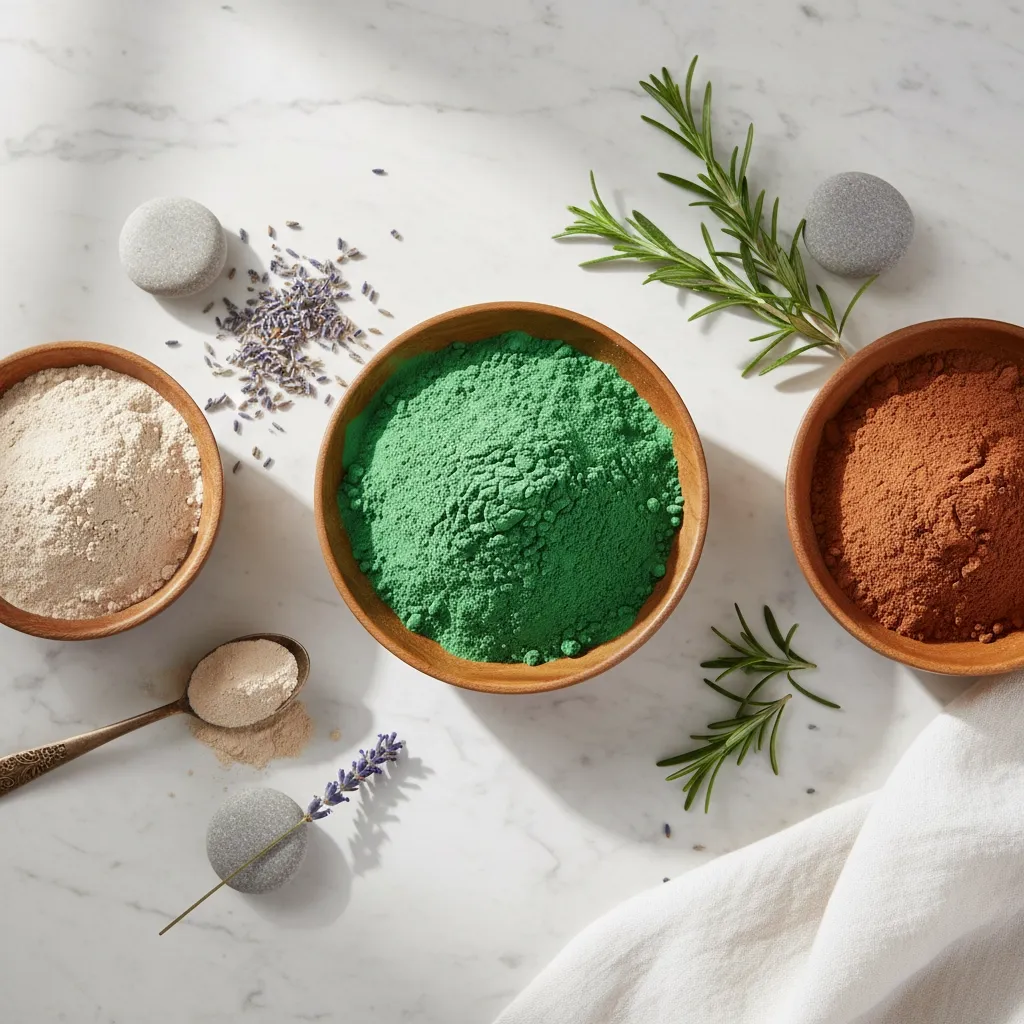
When comparing options like Aztec Secret bentonite clay or Argiletz French clay, the differences become clear. While these products may be widely available, they often lack the comprehensive testing and purity standards that serious clayers require.
For those committed to authentic claying practices, resources like French Healing Clay comparison sites provide valuable insights into which products meet therapeutic standards.
The Claying Ritual: More Than Skincare
True claying isn't just about applying clay and washing it off. It's a mindful practice that creates space for self-reflection and connection with natural rhythms.
A proper claying session involves:
Preparation: Choose a time when you can be present and undistracted. This isn't multitasking: it's dedicated self-care time.
Application: Mix your clay with pure water to create a smooth paste. Apply mindfully, recognizing that you're engaging in an ancient healing practice.
Rest: Allow the clay to work while you practice deep breathing or meditation. This isn't downtime: it's active healing time.
Renewal: As you rinse away the clay, visualize releasing what no longer serves you while welcoming fresh energy and vitality.
Cultural Impact of the Claying Movement
The growing claying movement represents a cultural shift toward natural health solutions and environmental consciousness. Clayers are rejecting chemical-laden beauty products in favor of earth-based alternatives that work in harmony with the body's natural systems.
This movement aligns with broader trends toward:
- Sustainable beauty practices
- Ingredient transparency
- DIY wellness approaches
- Connection to natural healing traditions

Common Claying Mistakes to Avoid
Many newcomers to claying make mistakes that can reduce effectiveness or even cause irritation. Understanding these pitfalls helps ensure your practice remains beneficial:
Using Impure Clay: Many commercial clays contain heavy metals or contaminants that can harm rather than heal.
Over-Claying: More isn't always better. Start with once or twice weekly applications and adjust based on your skin's response.
Ignoring Patch Testing: Always test new clays on a small skin area before full application.
Poor Mixing Technique: Using metal tools or contaminated water can compromise clay effectiveness.
The Future of Claying Culture
As more people discover the benefits of regular clay application, claying is evolving from niche practice to mainstream wellness approach. This cultural shift represents a return to time-tested healing methods validated by modern science.
The claying community continues to grow, sharing experiences and knowledge about which products and techniques provide the most benefit. This collaborative approach ensures that traditional wisdom adapts to contemporary needs while maintaining its essential integrity.
Research continues to validate what clayers know from experience: that regular clay application supports overall health and wellbeing in ways that synthetic alternatives simply cannot match.
Embracing Your Inner Clayer
Becoming a clayer means more than adding another step to your skincare routine. It means embracing a philosophy that values natural healing, environmental connection, and mindful self-care.
Whether you're dealing with specific skin concerns or simply seeking a deeper connection to natural wellness practices, claying offers a path that honors both ancient wisdom and modern understanding.
The cultural definition of clayer continues to evolve as more people discover the transformative power of this simple yet profound practice. By applying clay paste to your body as a form of healthy self-care, you're participating in a movement that bridges past and present, nature and healing, tradition and innovation.