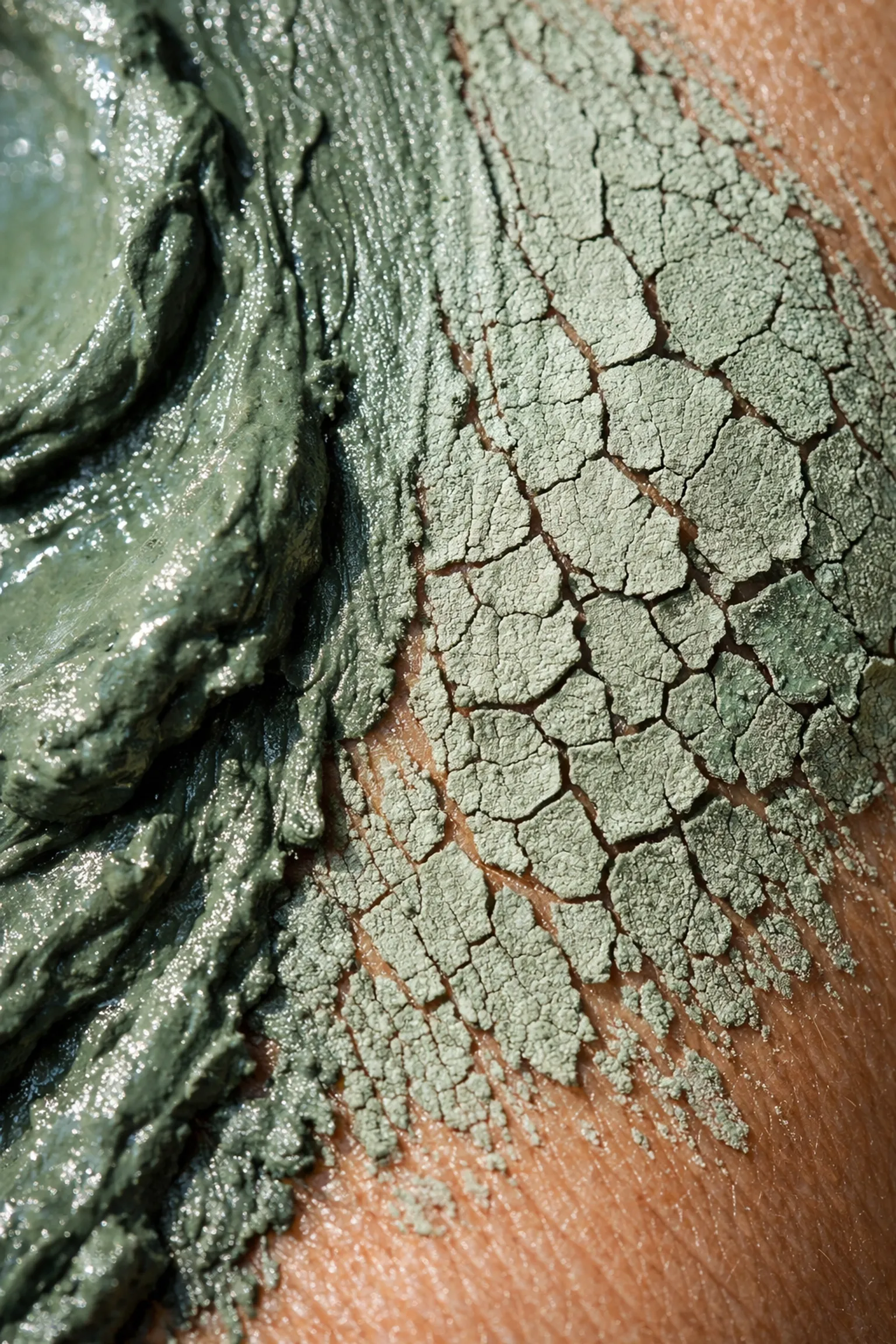
When you think about healing clay, you probably picture mud masks or ancient remedies. But the real magic happens at the molecular level, where specific minerals create therapeutic effects that modern science is just beginning to understand.
The mineralogy of healing clay isn't just academic curiosity: it's the key to understanding why some clays work better than others, and why certain clay brands consistently outperform their competitors.
The Mineral Foundation of Healing
Not all clay is created equal. The therapeutic power comes from specific mineral compositions that vary dramatically between sources. French green clay, for example, contains iron-rich smectite (Fe-smectite) that gives it both its distinctive color and antibacterial properties.
Recent studies from Cambridge University have mapped the exact mineral content of healing clays, revealing why certain deposits in France consistently produce superior therapeutic results.
The key minerals include:
- Montmorillonite: Provides high cation exchange capacity
- Iron oxides: Create antibacterial effects and distinctive coloring
- Silica: Contributes to absorption and skin benefits
- Trace metals: Enable specific therapeutic mechanisms
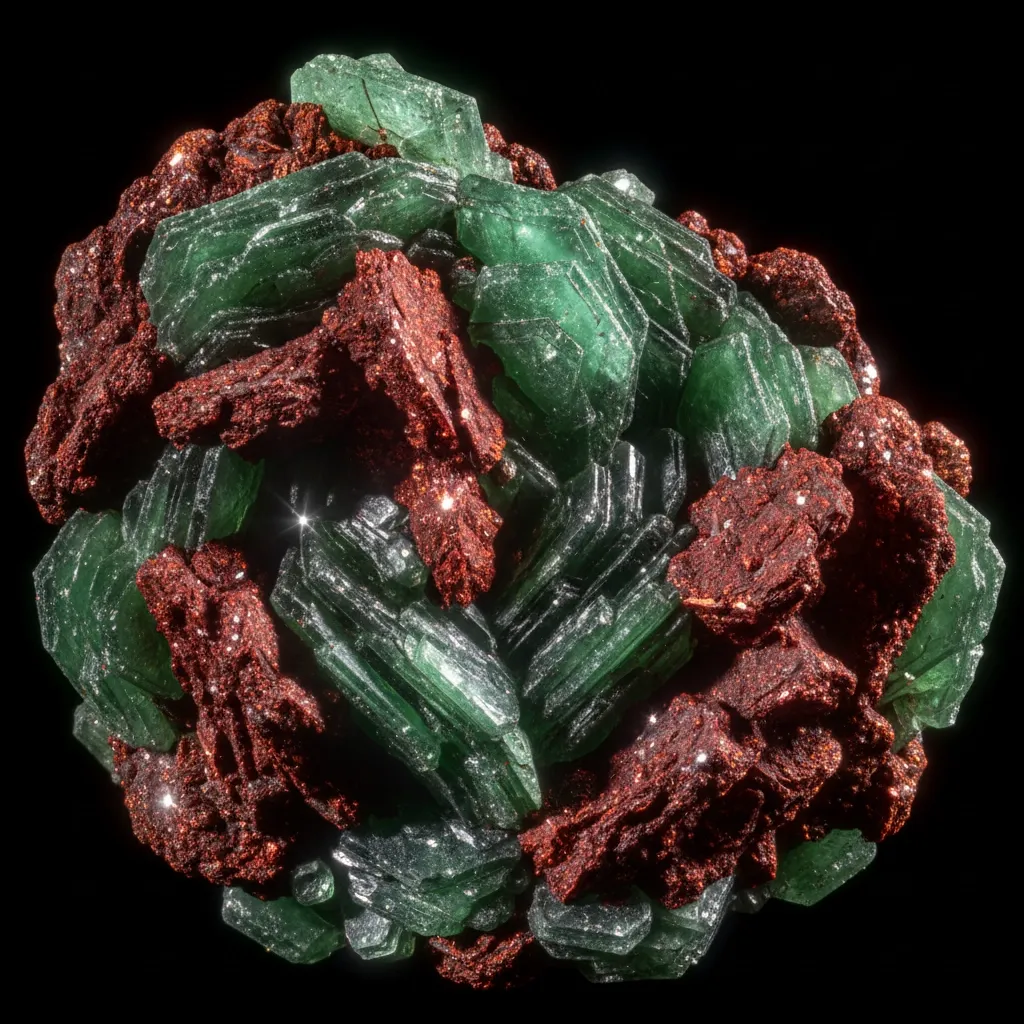
How Minerals Create Healing Mechanisms
Scientists have identified two distinct ways clay minerals work therapeutically: physical properties and chemical antibacterial effects.
Physical Mechanisms
The negative charge of clay minerals in biological environments allows them to become highly hydrated and biocompatible. This creates several healing effects:
- Adsorption: Clay particles bind to toxins and impurities
- Ion exchange: Beneficial minerals replace harmful substances
- pH regulation: Maintains optimal skin environment
- Thermal effects: Gentle heat stimulates circulation
Chemical Antibacterial Action
Arizona State University researchers discovered that specific metallic elements in certain clays can directly kill disease-causing bacteria. This isn't just absorption: it's active bacterial destruction.
The most impressive results came from blue and green clays that proved effective against antibiotic-resistant strains like MRSA. The colors actually indicate the geological origins and mineral compositions responsible for these bactericidal effects.
Brand Comparison: Mineral Content Matters
When comparing popular clay brands, the mineral profiles tell the real story about effectiveness and safety.
Clayer French Green Clay
Clayer's certified mineral analysis shows the ideal balance of therapeutic minerals with verified absence of heavy metals. Their third-party studies demonstrate consistent mineral content that explains its superior performance in clinical applications.
Aztec Secret Indian Healing Clay
While popular, www.aztec-secret.com doesn't provide detailed mineral analysis or heavy metal testing. The calcium bentonite composition differs significantly from iron-rich French clays.
Argiletz Green Clay
www.frenchhealingclay.com comparisons show Argiletz lacks the comprehensive mineral testing that ensures therapeutic consistency.
Other Brands
Most commercial clays don't publish detailed mineralogical analyses, making it impossible to verify their therapeutic potential or safety profile.

The Heavy Metal Problem
Here's where mineralogy becomes critical for safety. Research published in PMC reveals concerning lead levels in uncertified clays. Without proper mineral analysis, you can't know if your clay contains therapeutic minerals or toxic heavy metals.
This is why avoiding common clay mistakes starts with choosing properly tested products. The mineral content determines both efficacy and safety.
Iron-Rich Smectite: The Game Changer
The most significant mineralogical discovery involves iron-rich smectite clays. Clinical studies on French green clays show that iron content directly correlates with antibacterial effectiveness.
This explains why French green clay benefits for skincare consistently outperform other clay types. The iron-smectite structure creates optimal conditions for:
- Bacterial elimination
- Toxin absorption
- Mineral delivery to skin
- pH balance maintenance
Cation Exchange: The Science Behind Absorption
One of the most important mineralogical properties is cation exchange capacity (CEC). This measures how effectively clay minerals can swap beneficial ions for harmful ones.

Higher CEC values mean better detoxification and mineral delivery. French green clays typically show CEC values of 80-120 meq/100g, significantly higher than most bentonite clays.
This explains why some people experience dramatically different results between clay brands: the mineral structure literally determines therapeutic potential.
Regional Geology Creates Therapeutic Differences
The geological formation process determines final mineral composition. French deposits formed under specific volcanic and marine conditions that created unique mineral profiles.
Recent research on clay bacterial communities shows that regional clays contain distinct bacterial populations that contribute to healing properties. Some clays contain sulfate-reducing and iron-reducing bacteria that enhance therapeutic effects through mineral metabolism.
This geological specificity explains why green clay face mask results vary so dramatically between sources: the mineral foundation literally determines what your clay can do.
Testing and Certification Requirements
Given the critical importance of mineral content, proper testing becomes essential. Look for clays that provide:
- Complete mineral analysis
- Heavy metal testing
- Bacterial contamination screening
- Consistency verification across batches
Clayer's Ecocert certification represents the gold standard for mineral analysis and safety verification. This level of testing ensures you're getting therapeutic minerals, not unknown contaminants.
Future Research Directions
Scientists continue investigating how specific mineral combinations create therapeutic effects. Current research focuses on:
- Precise antibacterial mechanisms of metallic elements
- Optimal mineral ratios for different applications
- Interaction between clay minerals and skin microbiome
- Development of mineral-enhanced therapeutic protocols
Understanding clay mineralogy isn't just academic: it's practical information that helps you choose products that actually work.
The Bottom Line on Clay Mineralogy
The mineral composition of your clay determines everything: safety, effectiveness, and therapeutic potential. While marketing claims might sound impressive, the real story lies in detailed mineralogical analysis.
This science explains why certified, tested clays consistently outperform generic alternatives, and why understanding clay basics starts with mineral knowledge.
When you understand the mineralogy, you understand why some clays heal while others just make mud. The science is clear: mineral content matters more than marketing claims.