If you've ever dealt with angry, red, inflamed skin, you know how frustrating it can be to find something that actually works. Green clay might just be the gentle powerhouse your skin has been waiting for. This mineral-rich wonder has been soothing irritated skin for centuries, and modern science is finally catching up to explain exactly why it's so effective.
What Makes Green Clay Anti-Inflammatory?
Green clay's anti-inflammatory power comes from its unique mineral composition and physical properties. The clay contains naturally occurring compounds that actively reduce inflammation at the cellular level. When applied to skin, these minerals work to calm overactive immune responses that cause redness, swelling, and irritation.
The magic happens through several mechanisms. First, green clay's negatively charged particles attract and bind to positively charged toxins and inflammatory compounds, literally pulling them out of your pores. Second, the mineral content provides essential nutrients that help repair damaged skin barriers and reduce inflammatory responses.
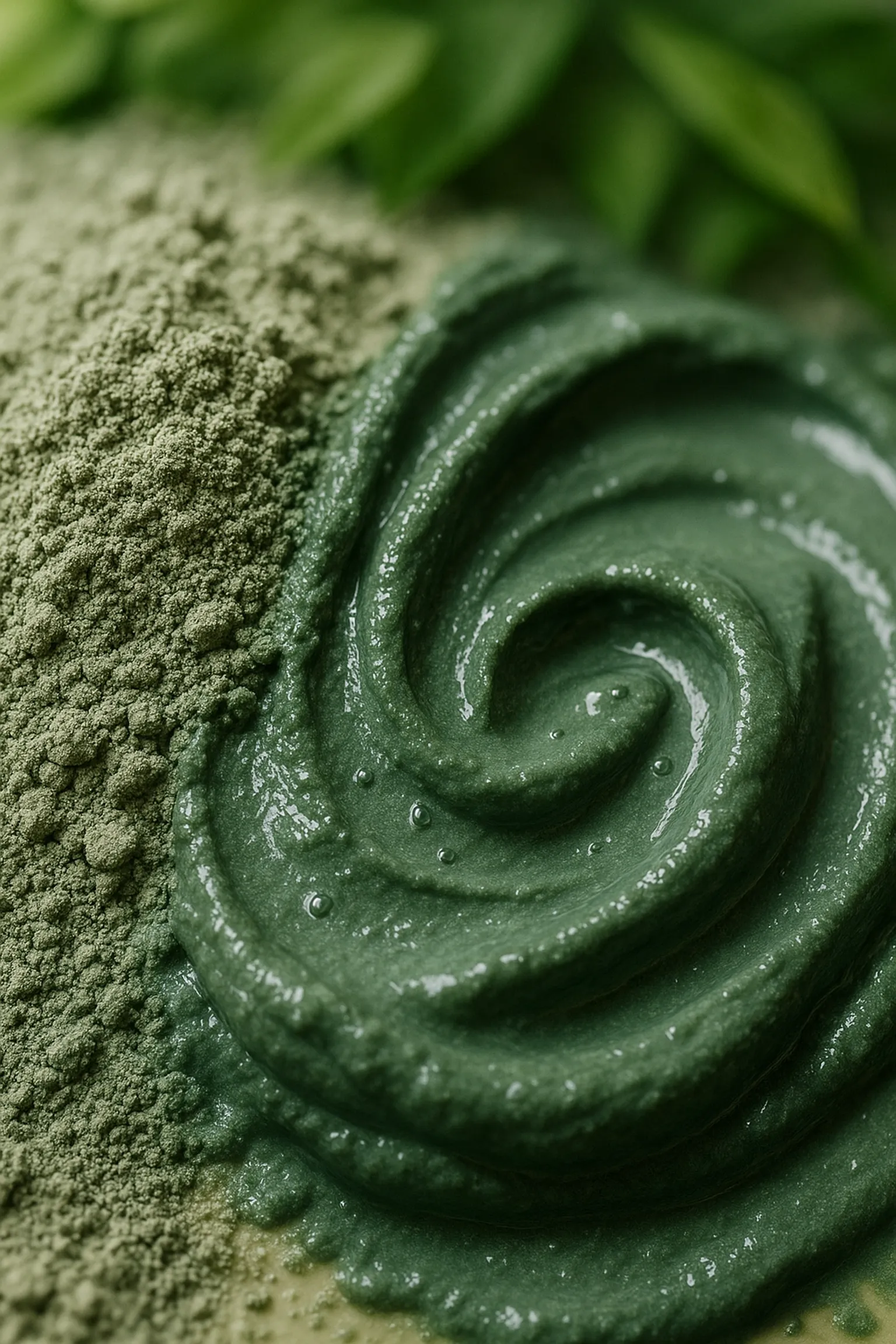
Studies show that medicinal clays like green clay can significantly reduce inflammatory markers in skin tissue. The mineralogical characteristics of French green clays reveal a complex blend of minerals that work synergistically to provide anti-inflammatory benefits.
The Science Behind Soothing Redness
Redness occurs when blood vessels in your skin dilate due to inflammation. Green clay helps address this through its cooling effect and mineral action. As the clay dries on your skin, it provides a gentle cooling sensation that helps constrict dilated blood vessels, reducing the appearance of redness almost immediately.
The silica content in green clay plays a crucial role here. Silica helps strengthen capillary walls and improves circulation, which means less visible redness over time. Meanwhile, magnesium and calcium work to calm irritated nerve endings and reduce the inflammatory cascade that leads to persistent redness.
Research on medicinal clay and healing shows that these natural materials have been used therapeutically across cultures precisely because of their ability to reduce inflammation and promote healing.
Green Clay for Acne-Related Irritation
Acne isn't just about clogged pores - it's fundamentally an inflammatory condition. Green clay tackles acne-related redness and irritation from multiple angles, making it particularly effective for those dealing with inflamed breakouts.
The clay's absorbent properties help remove excess oil and impurities that can trigger inflammatory responses. But more importantly, its anti-inflammatory minerals directly calm the angry, red bumps that characterize inflammatory acne. Unlike harsh chemical treatments that can increase irritation, green clay soothes while it treats.
For those prone to post-inflammatory hyperpigmentation (those dark spots that linger after breakouts), green clay's gentle exfoliating action helps promote cell turnover without causing additional irritation. This means faster healing and less chance of scarring.

Many people notice that their acne looks less angry and feels less tender after just one green clay treatment. The key is consistency - regular use helps keep inflammation in check and prevents new irritation from developing.
Eczema and Psoriasis Relief
For those dealing with chronic inflammatory skin conditions like eczema and psoriasis, green clay offers gentle relief without the side effects of stronger treatments. These conditions involve overactive immune responses that cause persistent inflammation, redness, and irritation.
Green clay's mineral content helps restore balance to compromised skin barriers. The potassium and magnesium in quality green clays help regulate cellular processes that go awry in inflammatory skin conditions. Additionally, the clay's natural pH helps restore the skin's acid mantle, which is often disrupted in these conditions.
The cooling, soothing sensation of green clay also provides immediate relief from the itching and burning that often accompany these conditions. Unlike scratching or harsh treatments that can worsen inflammation, clay provides relief while promoting healing.
However, it's crucial to use only the highest quality, properly tested clays for sensitive conditions. Research shows that untested clays can contain harmful levels of lead and other contaminants that could worsen inflammatory conditions rather than help them.
Mineralogy: The Active Anti-Inflammatory Components
Understanding the specific minerals in green clay helps explain its anti-inflammatory power. Quality French green clay contains a complex blend of minerals, each contributing to its healing properties:
Montmorillonite: The primary clay mineral that gives green clay its incredible absorption and ion-exchange capabilities. This is what allows the clay to pull toxins and inflammatory compounds from your skin.
Silica: Strengthens skin structure and helps repair damaged tissues. Silica also has natural anti-inflammatory properties that help calm irritated skin.
Iron Oxide: Gives green clay its characteristic color and provides gentle astringent properties that help tighten and tone inflamed tissues.
Magnesium: Essential for cellular repair and has natural muscle-relaxing properties that help calm tension in inflamed tissues.
Calcium: Supports skin barrier function and helps regulate inflammatory responses at the cellular level.
Potassium: Helps maintain proper cellular fluid balance and supports the skin's natural healing processes.
The specific ratios and bioavailability of these minerals determine how effective a green clay will be for anti-inflammatory purposes. This is why the source and processing of your clay matters so much.
How to Use Green Clay for Maximum Anti-Inflammatory Benefits
Getting the most anti-inflammatory benefit from green clay requires proper application and timing. Here's how to optimize your results:
For Acute Inflammation: Apply a thin layer of green clay paste to affected areas and leave for 10-15 minutes. The clay should feel cool and slightly tight, but remove it before it becomes completely dry and starts to crack.
For Chronic Conditions: Use green clay 2-3 times per week as part of a consistent routine. Less frequent use (once weekly) may be better for very sensitive skin.
Application Tips: Mix clay with filtered water or rose water rather than tap water to avoid chlorine and other irritants. Add a drop of jojoba oil if you have very dry skin to prevent over-drying.
Removal: Always remove clay while it's still slightly damp using lukewarm water and gentle circular motions. Follow with a gentle moisturizer to lock in the benefits.

Remember, consistency beats intensity when it comes to managing inflammation. Regular, gentle use will give you better results than sporadic intensive treatments.
Choosing the Right Green Clay for Anti-Inflammatory Benefits
Not all green clays are created equal, especially when it comes to anti-inflammatory properties. The source, mineral content, and purity of your clay dramatically affect its healing potential.
French green clay is generally considered the gold standard for therapeutic use. The unique geological conditions in France produce clays with optimal mineral profiles for skin healing. However, quality can vary significantly between brands.
Clayer French healing clay stands out in the market for several reasons. Their clay undergoes rigorous testing for purity and heavy metals, ensuring you're getting only beneficial minerals without harmful contaminants. They also provide detailed studies and certifications that demonstrate their clay's effectiveness for inflammatory conditions.
When comparing options, avoid clays that don't provide third-party testing results. Research shows that untested clays can contain dangerous levels of contaminants that could actually worsen inflammation and cause long-term health problems.
Other reputable options include Aztec Secret and products from French Healing Clay, though these may not offer the same level of testing and documentation as Clayer.
Safety and Considerations
While green clay is generally safe for most people, there are important considerations for those with inflammatory skin conditions:
Patch Testing: Always test new clay on a small area first, especially if you have sensitive or reactive skin. What soothes one person might irritate another.
Frequency: Start with once-weekly use and gradually increase if your skin tolerates it well. Over-use can actually increase inflammation in sensitive individuals.
Quality Matters: Only use clays that have been tested for purity and heavy metals. Studies show that contaminated clays can cause more harm than good, particularly for those with compromised skin barriers.
Medical Consultation: If you have severe inflammatory skin conditions, consult with a dermatologist before adding new treatments to your routine. Green clay can complement medical treatments but shouldn't replace necessary medications.
Pregnancy and Nursing: While topical use of quality green clay is generally considered safe, pregnant and nursing women should consult their healthcare providers before use.
For those dealing with chronic inflammatory conditions, it's worth exploring the common mistakes people make with green clay to ensure you're getting maximum benefits.
Green clay's anti-inflammatory properties make it a valuable tool in managing skin irritation and redness. Whether you're dealing with occasional breakouts or chronic inflammatory conditions, this mineral-rich treatment offers gentle yet effective relief. The key is choosing a high-quality, properly tested product and using it consistently as part of a thoughtful skincare routine.