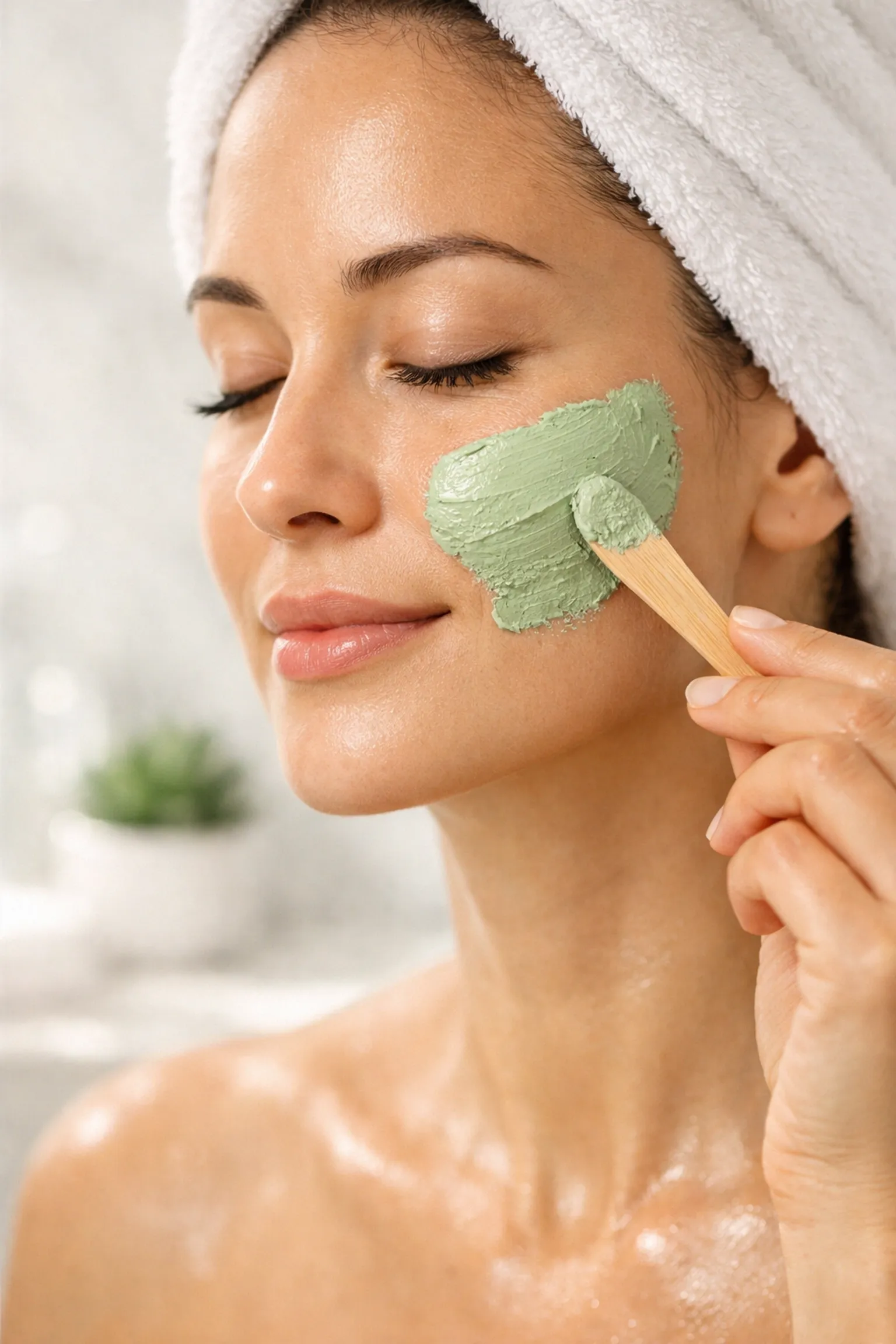
When it comes to natural remedies for children, bentonite clay often comes up in parenting forums and wellness blogs. But before you reach for that jar of clay powder, there's some important stuff you need to know about safety: especially when it comes to your little ones.
Let's dig into what bentonite clay actually is, when it might help, and more importantly, when it could be risky for kids.
What Is Bentonite Clay?
Bentonite clay is a type of healing clay formed from volcanic ash that's been weathered over time. It's got this unique ability to expand when mixed with water, creating a gel-like substance that can absorb toxins and bacteria.
The clay contains minerals like silica, aluminum, and iron, which give it some of its therapeutic properties. It's been used for centuries in various cultures for skin conditions and other health issues.

Potential Benefits for Children's Skin
Here's where things get interesting. Some research suggests bentonite clay might help with certain skin conditions in kids:
Diaper Rash Relief
Studies have shown that bentonite clay can be effective for treating diaper rash. In fact, research indicates it may work faster than calendula, which is the standard treatment many pediatricians recommend.
The clay's antibacterial and anti-inflammatory properties help soothe irritated skin while creating a protective barrier against moisture.
Minor Skin Irritations
For things like mild eczema patches or small cuts and scrapes, bentonite clay's natural antibacterial action might provide some relief. The clay works by physically and chemically interacting with harmful bacteria when mixed with water.
Hand Dermatitis
Some studies suggest bentonite clay could help with contact dermatitis on hands: though this research is mostly done on adults, not children specifically.
The Big Safety Concerns You Need to Know
Now here's where things get serious. While bentonite clay has some potential benefits, there are major safety red flags that every parent should understand.
Heavy Metal Contamination
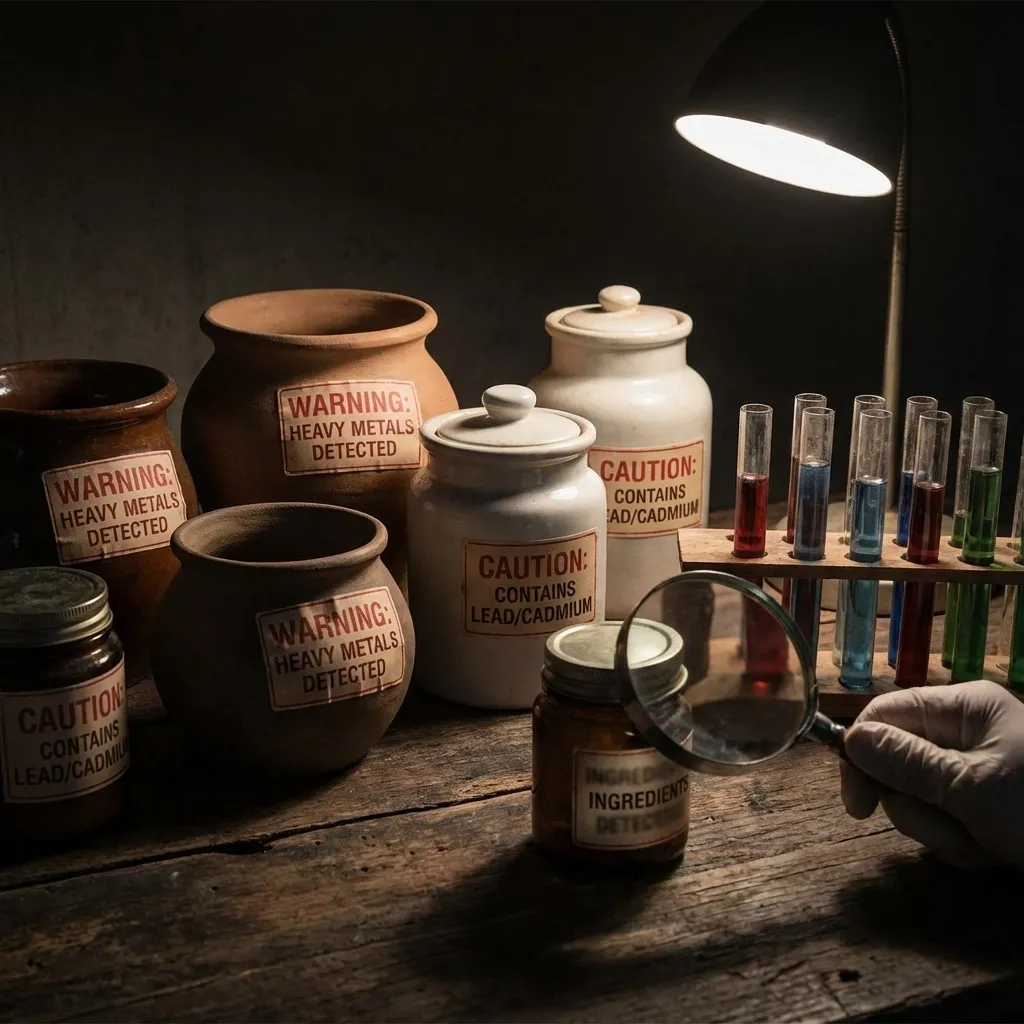
The FDA has issued multiple warnings about bentonite clay products containing dangerous levels of lead. Two specific products that were widely sold included:
- "Best Bentonite Clay" (sold on Amazon and other retailers)
- "Bentonite Me Baby" by Alikay Naturals (sold at Target, Amazon, and Sally Beauty Supply)
Lead exposure in children is no joke. Even chronic exposure at low levels can cause cognitive impairment, reduced IQ, behavioral difficulties, and other developmental problems. Lead can also damage the kidneys, central nervous system, and immune system.
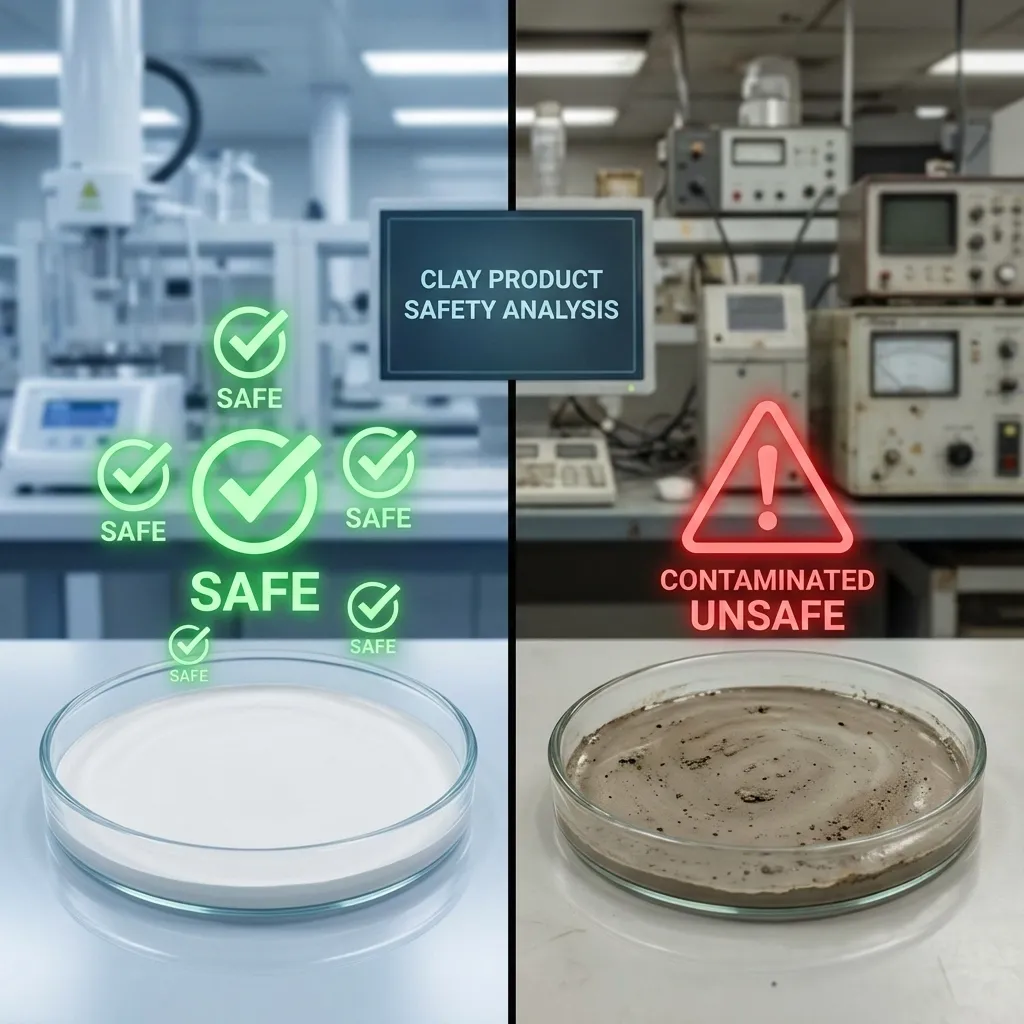
But lead isn't the only concern. Many clay products may also contain mercury, arsenic, and cadmium. Research shows that uncertified clays can have dangerous heavy metal levels that pose serious health risks.
Internal Use Risks
Doctors strongly advise against children ingesting bentonite clay. Here's why:
Intestinal Blockage: Clay can cause physical obstruction in your child's digestive tract, which is a medical emergency.
Electrolyte Imbalance: There's a documented case of a 3-year-old girl who developed severe hypokalemia (dangerously low potassium levels) after being treated with oral and rectal bentonite clay.
Nutrient Absorption Problems: Clay interferes with how the body absorbs essential nutrients and electrolytes that growing children need.
Microbial Contamination: Raw clay can contain harmful bacteria and pathogens that can make your child sick.
Limited Research on Children
Here's something that might surprise you: there's very little research on bentonite clay specifically in children. Most studies are done on adults or in laboratory settings. When it comes to your kid's health, you want treatments backed by solid pediatric research.

Safer Alternatives for Common Childhood Skin Issues
Instead of taking risks with potentially contaminated bentonite clay, consider these safer, proven alternatives:
For Diaper Rash
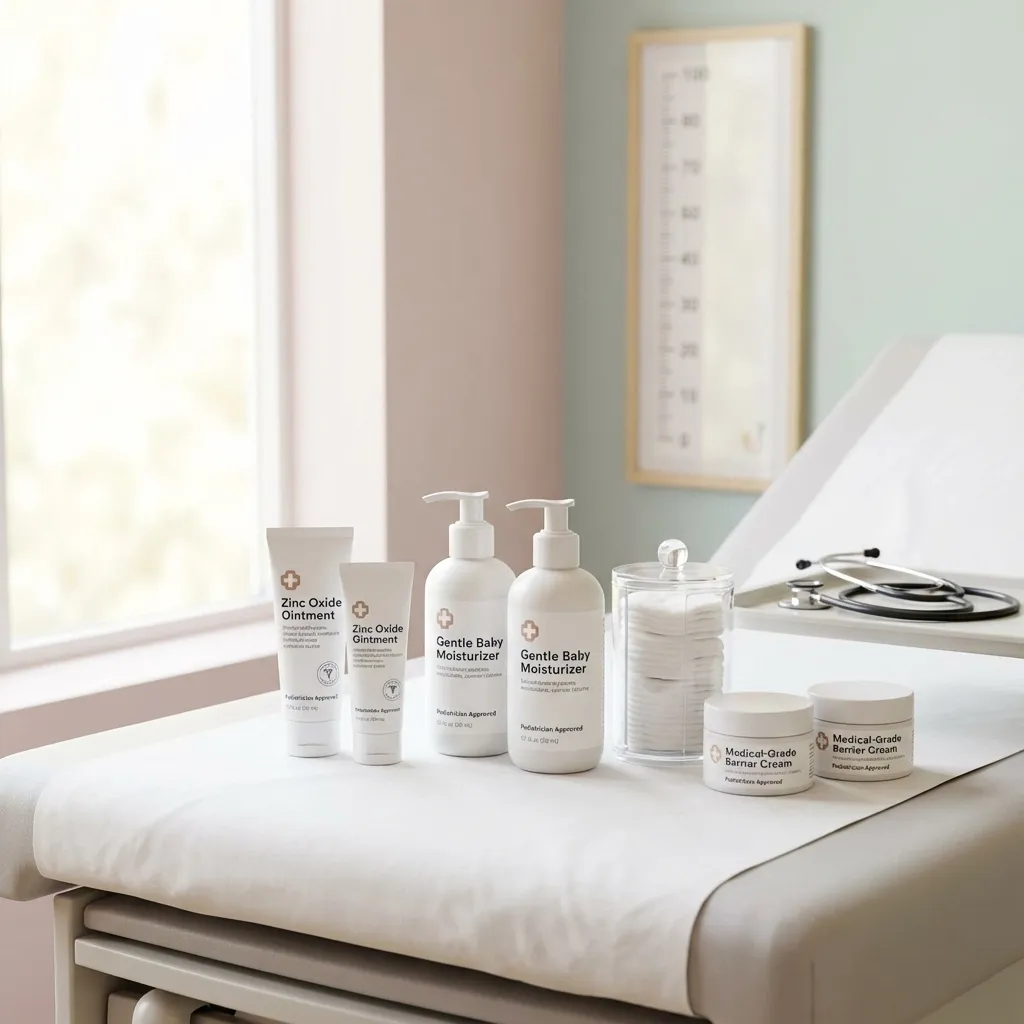
- Zinc oxide creams (like those recommended by pediatricians)
- Petroleum-based barrier creams
- Frequent diaper changes and air drying
- Gentle, fragrance-free wipes
For Eczema and Dry Skin
- Fragrance-free moisturizers designed for sensitive skin
- Oatmeal baths
- Cool compresses
- Prescription treatments from your pediatrician
For Minor Cuts and Scrapes
- Clean water and mild soap
- Antibiotic ointment if recommended by your doctor
- Sterile bandages
- Keep the area clean and dry
When Clay Might Be Considered Safely
If you're still interested in clay-based treatments for your child, here are some safer approaches:
Choose Certified Products Only
If you decide to use any clay product, make sure it's from a company that provides:
- Heavy metal testing results
- Third-party safety certifications
- Clear ingredient lists
- Proper manufacturing standards
Clayer, for example, provides extensive certification and testing data that shows their products are free from heavy metals and contaminants.
External Use Only
Never give clay to your child to ingest. Stick to external applications only, and even then, use sparingly and under guidance.
Patch Test First
Before applying any clay product to a larger area, do a small patch test on your child's arm and wait 24 hours to check for reactions.
Red Flags to Watch For
If your child has been exposed to clay products, watch for these warning signs:
- Unusual fatigue or irritability
- Stomach pain or constipation
- Changes in appetite
- Developmental regression
- Skin reactions that worsen instead of improving
If you notice any of these symptoms, contact your pediatrician immediately.
The Bottom Line on Clay Safety
While bentonite clay has some potential benefits for certain skin conditions, the risks: especially for children: often outweigh the benefits. The documented cases of heavy metal contamination and the serious health risks they pose make it hard to recommend bentonite clay as a first-line treatment for kids.
Your child's health is too important to gamble with products that might contain dangerous contaminants. Instead of experimenting with clay, work with your pediatrician to find safe, effective treatments for your child's specific skin concerns.
If you do decide to explore clay options, companies like Clayer that provide extensive safety testing and certification data are much safer choices than random products from unknown sources.
When to Consult Your Pediatrician
Always talk to your child's doctor before trying any new treatment, especially natural remedies that haven't been extensively tested in children. Your pediatrician can:
- Properly diagnose your child's skin condition
- Recommend evidence-based treatments
- Monitor for any side effects or complications
- Provide guidance on safe, age-appropriate remedies
Remember, what works safely for adults doesn't always translate to children. Kids have different physiology, faster metabolisms, and developing organ systems that can be more vulnerable to toxins.
Your pediatrician knows your child's health history and can guide you toward treatments that are both safe and effective. When it comes to your little one's health, it's always better to be overly cautious than to take unnecessary risks.
For more information on clay safety and alternatives, check out our guides on French green clay benefits for skin and common green clay mistakes to avoid.