Clay baths have exploded in popularity over the past few years. Social media is flooded with before-and-after photos and testimonials about miraculous detoxification results. But what does the actual science say about soaking in clay-infused water?
Let's separate fact from fiction and look at what research really tells us about detox clay baths in 2025.
The Real Benefits: What Actually Works
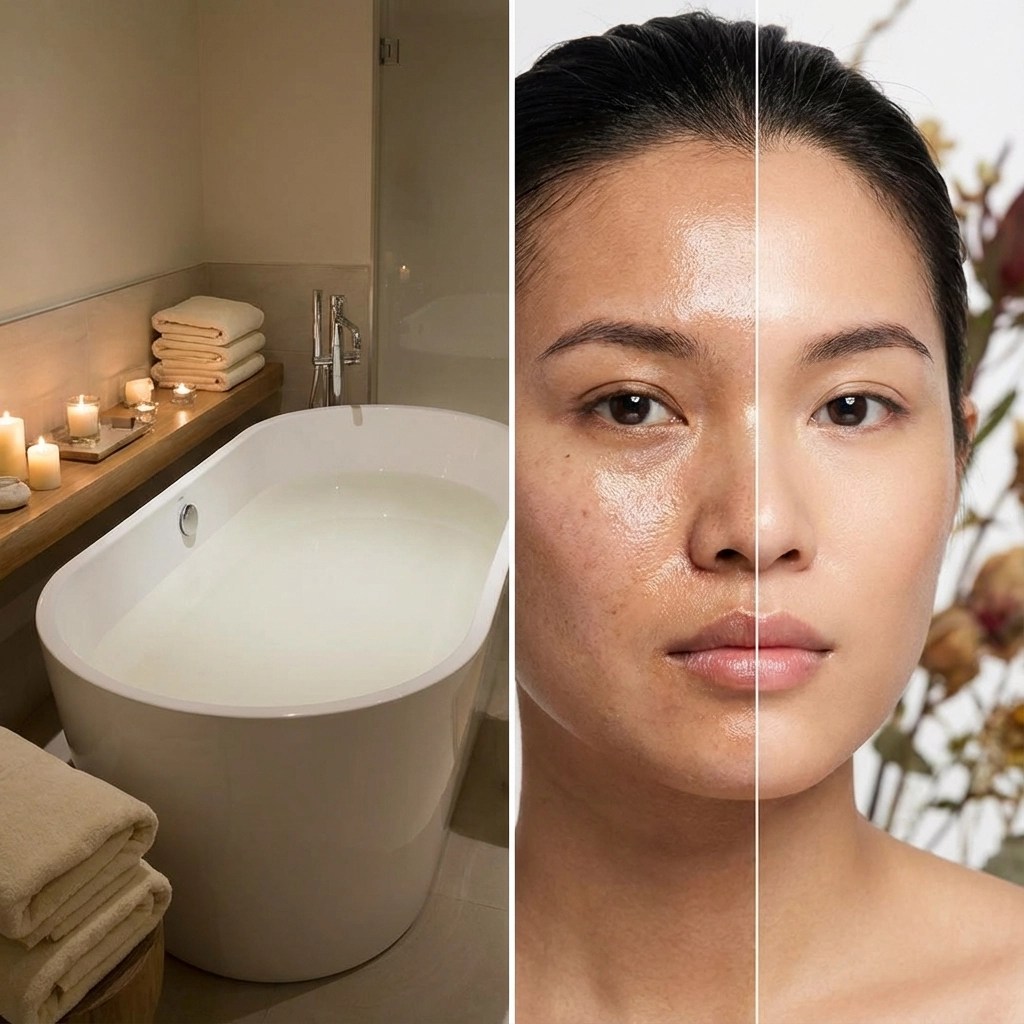
Skin Cleansing and Pore Health
Here's where clay baths truly shine. Bentonite and French green clay contain minerals that can effectively draw out surface-level impurities from your skin.
When you soak in a clay bath, the clay particles work like tiny magnets for:
- Excess oil and sebum
- Dead skin cells
- Surface dirt and pollutants
- Bacteria on the skin surface
This makes clay baths particularly helpful for people with oily or acne-prone skin. The gentle exfoliation also leaves your skin feeling smoother.
Relaxation and Muscle Relief
This one's pretty straightforward. Warm clay baths provide the same stress-reducing benefits as any warm bath, with some potential bonuses. The minerals in clay: particularly magnesium: may enhance the relaxation effect.
Many users report feeling more relaxed and sleeping better after clay baths. While this could be placebo effect, the warm water and mineral content likely do contribute to muscle relaxation and stress relief.
Improved Circulation
Warm clay baths can stimulate blood flow to the skin surface. This increased circulation may help with:
- Reducing minor inflammation
- Supporting the skin's natural repair processes
- Creating a general sense of wellbeing
The Myths: What Doesn't Hold Up to Science
"Deep Detoxification" Claims
Here's where things get tricky. Many clay bath products claim to "draw toxins from deep within your body" or "eliminate heavy metals through your skin."
The reality? Your skin is primarily a barrier, not a major detox organ. While clay can absorb substances on your skin's surface, there's little evidence it can pull toxins from your bloodstream or deep tissues through bath soaking.
Your liver, kidneys, and lungs do the heavy lifting when it comes to detoxification. Clay baths can't replace these natural systems.
Heavy Metal Removal Through Skin
Some brands claim that clay's "electromagnetic charge" allows it to bind with heavy metals like mercury and lead in your body, pulling them out through your skin during a bath.
While bentonite clay does have ion-exchange properties, the evidence for heavy metal removal through skin absorption is weak. Most studies on clay's metal-binding abilities focus on internal consumption or direct application to contaminated areas, not whole-body detox through bathing.
Rapid "Energy Boost" Claims
You'll often see promises about feeling "energized within days" or achieving "complete detoxification" within weeks. These timeframes are marketing hype, not science.
Any energy boost you feel is more likely from:
- Better skin condition
- Relaxation and stress relief
- The placebo effect of self-care
Safety First: What You Need to Know
Not all clay is created equal. This is crucial for your safety.
Choose Certified, Lead-Free Clay
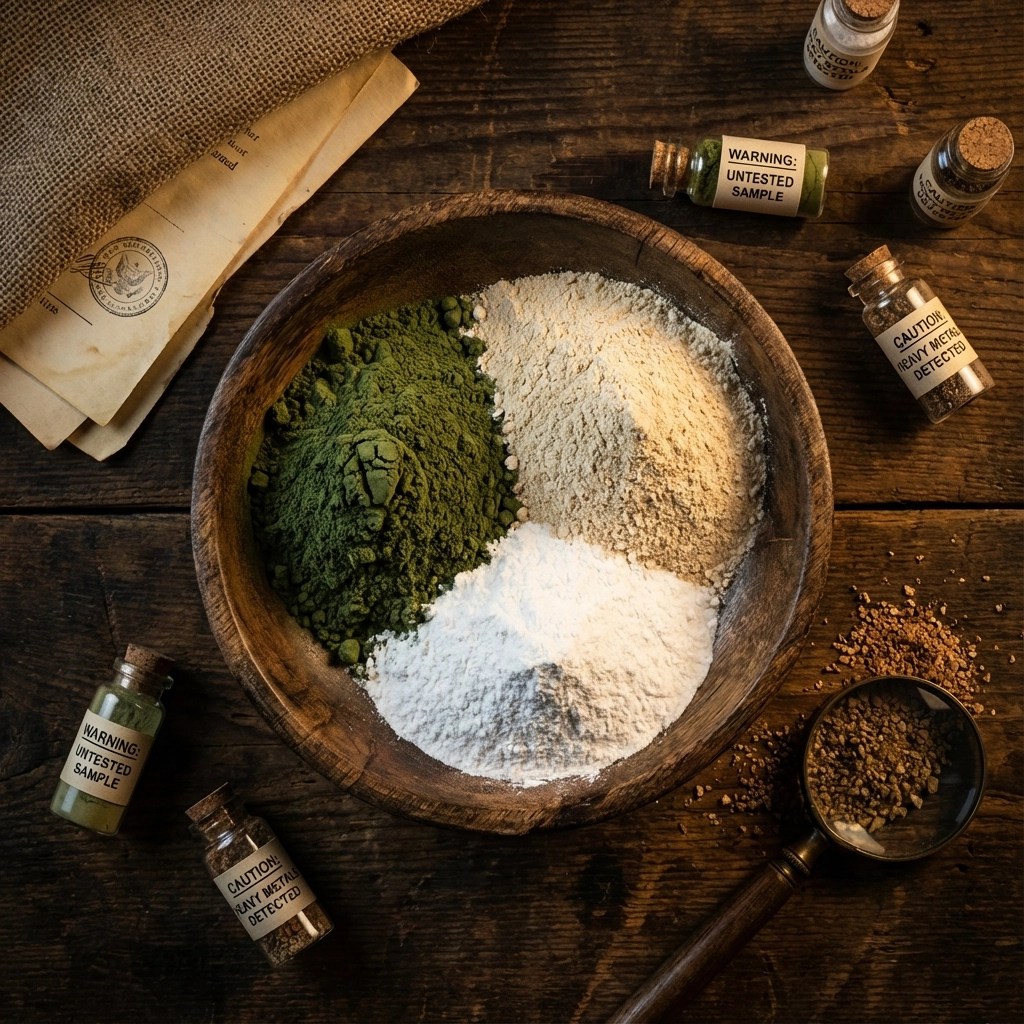
Some clays contain dangerous levels of lead. Always choose products that are:
- Certified heavy metal-free
- Third-party tested
- From reputable sources
Brands like Clayer provide detailed certification and independent testing results. Compare this with other options like Aztec Secret or French Healing Clay to find what works best for your needs.
Start Slow
If you're new to clay baths:
- Begin with 10-15 minute soaks
- Use 1/4 to 1/2 cup of clay per bath
- Monitor how your skin responds
- Gradually increase time and clay amount if desired
Know When to Avoid Clay Baths
Skip clay baths if you have:
- Open wounds or severe skin conditions
- Very sensitive skin that reacts to new products
- Pregnancy (consult your doctor first)
How to Use Clay Baths Effectively
Basic Clay Bath Recipe
- Fill your tub with comfortably warm water
- Add 1/2 to 1 cup of quality clay
- Stir well to dissolve completely
- Soak for 15-20 minutes
- Rinse thoroughly with fresh water
- Moisturize afterward
Choosing Your Clay Type
Different clays work better for different skin types:
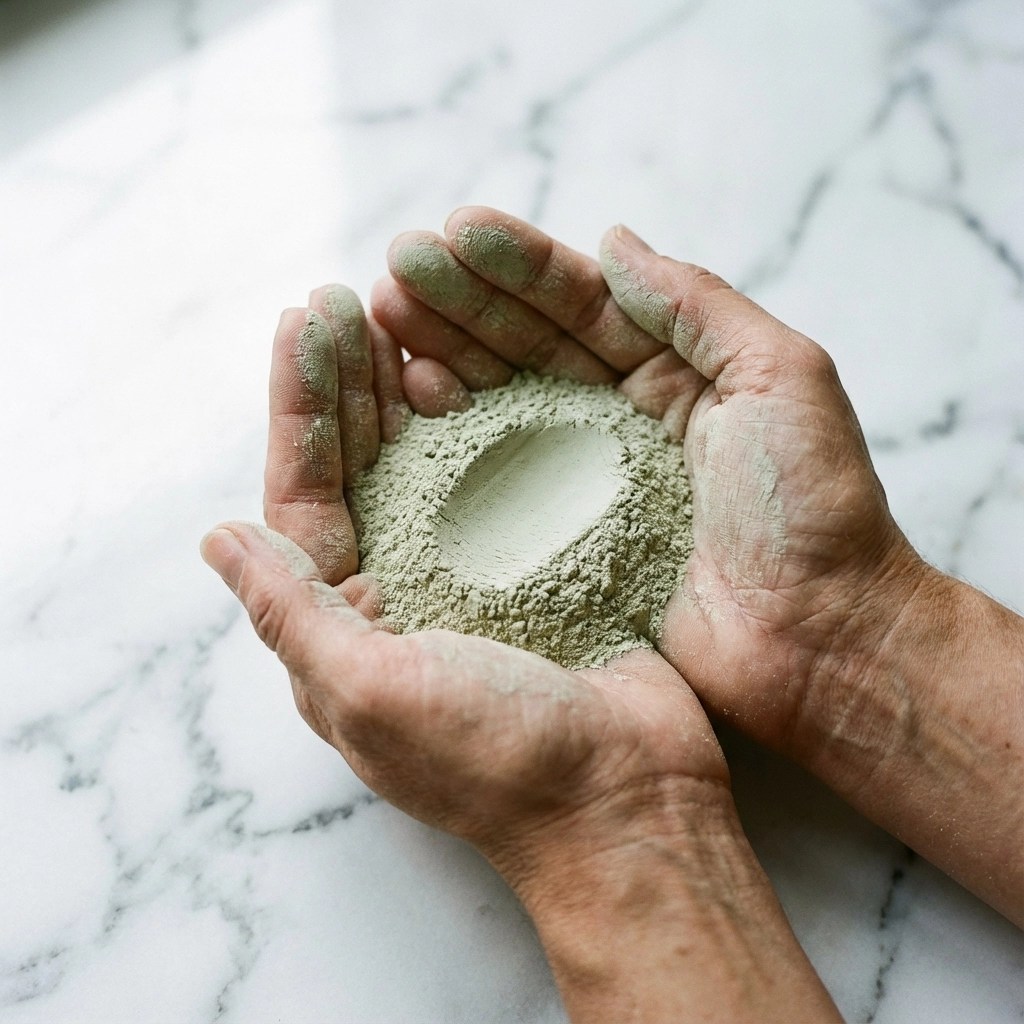
Bentonite Clay: Best for oily, acne-prone skin. Strong drawing action.
French Green Clay: Balanced option for most skin types. Rich in minerals and well-studied.
Kaolin (White) Clay: Gentlest option for sensitive skin.
Enhance Your Bath
Consider adding:
- Epsom salt for additional muscle relaxation
- Essential oils for aromatherapy benefits
- Oatmeal for extra skin soothing
The Bottom Line: Realistic Expectations
Clay baths can be a valuable part of your self-care routine when you have realistic expectations. They're excellent for:
- Improving skin texture and cleanliness
- Relaxation and stress relief
- Supporting your skin's natural functions
However, they're not magic bullets for:
- Removing toxins from your bloodstream
- Curing serious health conditions
- Replacing medical treatments

2025 Research Trends
Current research is focusing on:
- Clay's antimicrobial properties for skin health
- Mineral content variations between clay sources
- Safety protocols for cosmetic clay use
Scientists are becoming more precise about what clay can and cannot do, leading to more honest marketing and better consumer education.
Making Smart Choices
When shopping for clay bath products:
- Look for certifications: Heavy metal testing, purity standards
- Check the source: Where was the clay mined? How was it processed?
- Read reviews carefully: Look for honest assessments, not just glowing testimonials
- Start with small quantities: Test before committing to large purchases
For more detailed information about clay types and safety, check out our comprehensive clay guide or explore everything you need to know about green clay.
Clay baths can be a wonderful addition to your wellness routine: just keep your expectations grounded in reality rather than marketing hype. Focus on the proven benefits of skin cleansing and relaxation, and you'll likely find clay baths to be a satisfying and beneficial practice.
Disclaimer: We are not associated with any clay company. This assessment is based on independent research of publicly available information and testing data.
Leave a Reply