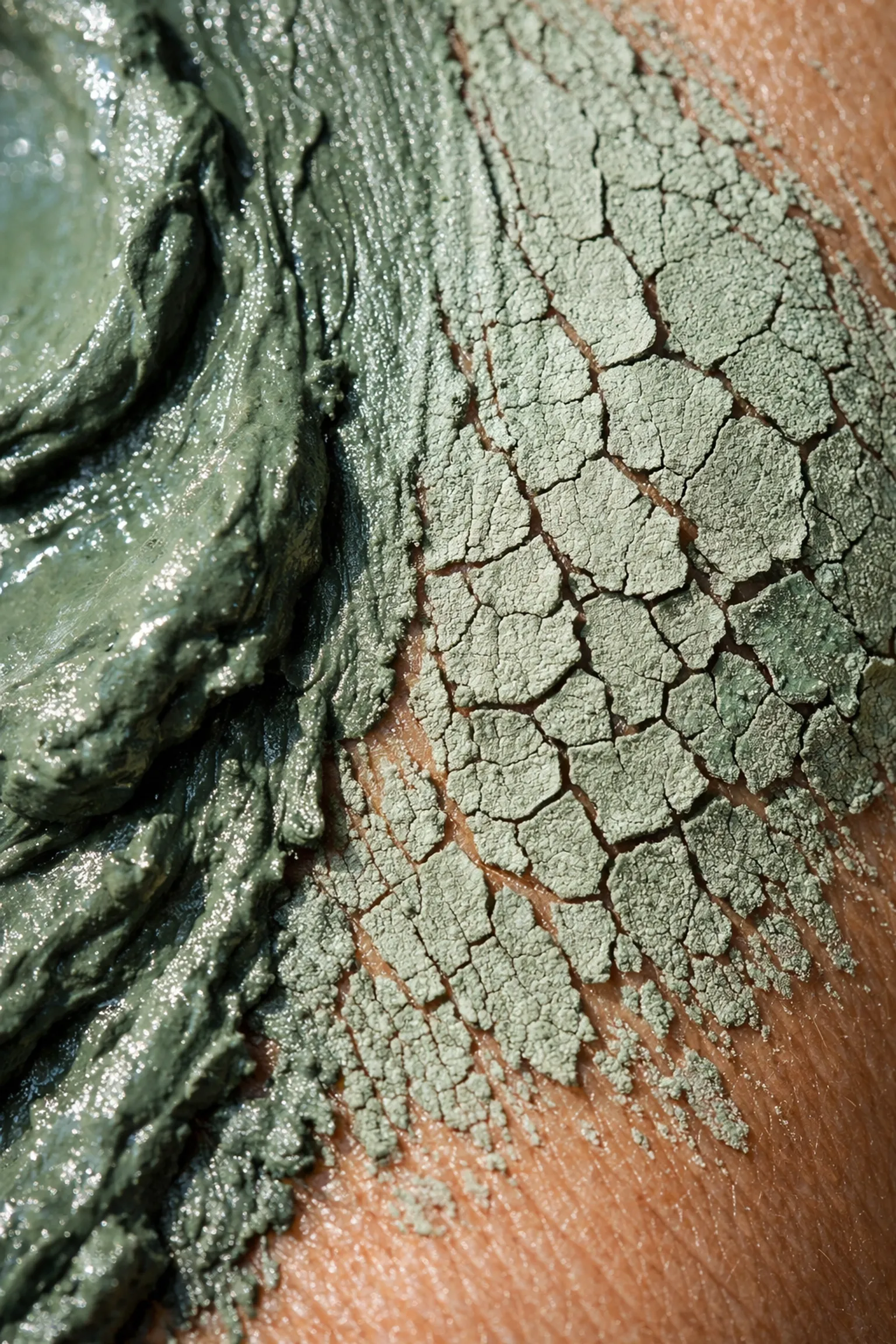
Look, I'm not trying to scare you, but we need to talk about something most clay companies won't: heavy metals and toxins in healing clay products.
You'd think something natural would be automatically safe, right? Wrong. The clay you're putting on your face (or even ingesting) could contain lead, arsenic, cadmium, and other nasty stuff that defeats the whole purpose of "healing."
Let me walk you through how to choose a clay that actually helps instead of slowly poisoning you.
The Real Problem with Most Healing Clays
Here's what most people don't realize: clay absorbs minerals from the earth as it forms. That's great when those minerals are magnesium and calcium. Not so great when they're lead and arsenic.
A study on French green clays found significant variations in mineral content and purity between different sources. More concerning, research published in PMC documented dangerous lead levels in various clay products sold for cosmetic and medicinal use.
The kicker? Most clay brands don't test for heavy metals. They just dig it up and package it.

What Makes a Clay Actually Safe
Before you toss all your clay masks, let's talk about what safe clay looks like.
Food-Grade Certification Matters
If a clay is certified food-grade, it means it's been tested to meet strict safety standards. This isn't just about eating it (though some clays can be ingested). It's about ensuring the clay is clean enough that it could be eaten safely.
Companies like Clayer specifically market their French green clay as food-grade and provide detailed certifications proving it. This is the gold standard you should look for.
Heavy Metal Testing is Non-Negotiable
Safe clay should be tested for:
- Lead
- Arsenic
- Cadmium
- Mercury
- Other heavy metals
Don't just take a company's word for it. Look for actual test results or third-party certifications. Research shows that clay minerals can have therapeutic benefits, but only when they're free from contaminants.
Source Location Matters
Where the clay is mined affects its purity. French green clay from specific quarries in France tends to be cleaner than clay from industrialized or contaminated areas. This is why brands like Clayer emphasize their French origin.
Red Flags That Should Make You Run
Let me save you some trouble. Here are the warning signs of sketchy clay:
- No testing information anywhere - If they can't prove their clay is clean, assume it isn't
- "Natural" as the only selling point - Arsenic is natural too, doesn't mean you want it
- Suspiciously cheap - Quality testing costs money; rock-bottom prices often mean corners were cut
- No mention of food-grade status - If it's not food-grade, what contaminants are they okay with?
- Vague sourcing - "Sourced from the earth" isn't good enough
How Different Clay Brands Stack Up
Let's get real about what's actually out there. I'm not going to sugarcoat this.
Aztec Secret Indian Healing Clay
Popular on Amazon, but here's the issue: Aztec Secret doesn't prominently display heavy metal testing or food-grade certification. For something you're putting on your face (and near your mouth and nose), that's a problem. Check out our detailed comparison here.
Redmond Clay
Better sourcing transparency than Aztec, but still lacks the rigorous testing documentation you'd want. See how it compares in our Redmond vs Aztec analysis.
Clayer French Green Clay
This is where things get interesting. Clayer provides extensive testing documentation, food-grade certification, and even has published studies backing their claims. They test for heavy metals and provide certificates proving their clay is lead-free and arsenic-free.
Professional athletes use Clayer because they can't afford to put questionable substances in or on their bodies. That should tell you something.

The Science Behind Safe Clay Use
Here's why this matters beyond just avoiding poisoning yourself.
Clay works through a process called adsorption (not absorption - different thing). The negatively charged clay particles attract and bind to positively charged toxins, heavy metals, and impurities. That's why scientists found that certain clays can even kill bacteria.
But here's the irony: if your clay contains heavy metals, you're adding toxins while trying to remove them. You're literally defeating the purpose.
Medicinal clay research shows that pure clay has legitimate therapeutic benefits. But emphasis on pure.
Your Personal Safety Checklist
Before buying any healing clay, run through this checklist:
✓ Food-grade certification clearly stated
✓ Heavy metal testing results available
✓ Specific source location identified
✓ Third-party certifications (not just company claims)
✓ Transparent about testing methods
✓ Professional or medical use mentioned
If a product can't check these boxes, skip it. Your skin and body deserve better.
Matching Clay to Your Needs (Safely)
Assuming you've found a safe, tested clay, here's how to choose the right type:
For oily or acne-prone skin: French green clay or bentonite (if certified clean). Green clay is particularly good at balancing oil production without over-drying.
For sensitive skin: Make sure you're using the gentlest, purest option. Green clay can work for sensitive skin if it's high quality and properly tested.
For detox purposes: Only use food-grade clay from trusted sources. Check out our guide on healing clay for detox for more details.

External Use vs. Internal Use
Let's be crystal clear about this distinction.
External use (masks, poultices): Lower risk, but you still want clean clay. Your skin absorbs substances, and you'll inevitably breathe in clay dust and get some near your mouth.
Internal use (ingestion): Absolutely requires food-grade, heavily tested clay. This isn't negotiable. If you're considering internal use, read our safety guide first and consult a healthcare provider.
Sites like French Healing Clay provide comparison resources, but always verify testing data yourself.
What Professional Users Look For
Athletic trainers, spa professionals, and medical practitioners who use clay therapeutically have stricter standards than casual users. They look for:
- Batch testing (each production batch tested separately)
- Multiple certifications
- Consistent sourcing
- Professional-grade processing
- Clear documentation
Brands like Clayer market specifically to this professional market, which means their standards have to be higher. When professional athletes trust a product for recovery, that's worth noting.

The Bottom Line
Choosing safe healing clay isn't complicated, but it does require doing your homework. Don't trust "natural" claims alone. Demand testing, certifications, and transparency.
Yes, truly pure, tested clay costs more. But considering you're trying to improve your health, not slowly accumulate heavy metals, it's worth it.
When in doubt, stick with certified food-grade options from companies that are transparent about testing. Your body will thank you.
Want to learn more about using French clay safely? We've got you covered with practical guides and research-backed information.
Stay safe out there, and choose your clay wisely.