We’ve all been there. You’re enjoying a nice evening outside, maybe a BBQ or a hike, and the next morning you wake up with that unmistakable, infuriating itch. Bug bites: whether they’re from mosquitoes, spiders, or those "no-see-ums": can turn a great weekend into a scratch-fest.
While most people reach for a tube of chemical-laden cream, there is a way more effective, natural healing solution sitting right in the earth: healing clay. Specifically, French green clay and bentonite have been used for centuries to pull out toxins and calm the skin.
In this guide, I’m going to show you exactly why clay is your secret weapon for immediate relief and how to use it to stop the swelling before it starts.
Why Does My Bug Bite Itch So Much?
When a bug bites you, it’s not just the "poke" that hurts. Most insects inject a little bit of saliva or venom into your skin to keep your blood from clotting while they feed. Your immune system sees this foreign substance and freaks out, releasing histamine.
Histamine is what causes the redness, the "wheal" (the bump), and that maddening itch. If you scratch it, you just spread the irritation and risk an infection. This is where the anti-inflammatory power of clay comes in.
How Healing Clay Actually Works
It’s not magic, it’s physics. Clay works through two main processes: adsorption and absorption.
- Adsorption: Because most healing clays have a strong negative charge, they act like a magnet for positively charged toxins and irritants. When you put a clay paste on a bite, it literally pulls the insect's saliva or venom out of your pores.
- Absorption: Clay is incredibly porous. It soaks up the fluid that causes swelling (edema) around the bite.
Research has shown that certain clays, especially those high in minerals like Illite, have significant anti-inflammatory and even antibacterial properties. According to scientists at the NSF, specific clays can even kill bacteria, which is a huge plus if you’ve already accidentally scratched the bite open.

Immediate Relief: The Cooling Effect
One of the best things about using a clay paste for a bug bite is the immediate temperature drop. As the water in the clay mixture begins to evaporate, it creates a cooling sensation that mimics ice. This "thermal down-regulation" numbs the nerve endings responsible for the itching sensation, giving you a break from the discomfort within seconds.
If you want to dive deeper into the science of how these minerals interact with your skin, check out our ultimate guide to illite clay.
Not All Clays Are Created Equal
When you search for "healing clay," you’ll see a few big names. It’s important to know what you’re putting on your skin, especially if you have sensitive skin or are treating children.
- Bentonite Clay: Common and cheap. Brands like Aztec Secret are popular for face masks. However, bentonite can be very drying and sometimes contains higher levels of impurities depending on the source.
- White Kaolin Clay: Very gentle, but lacks the strong "pulling" power needed for deep bites or stings.
- French Green Clay (Illite): This is the gold standard for therapeutic use. It’s rich in decomposed plant matter and minerals that boost skin repair.
Why We Recommend Clayer
If you’re looking for the highest quality, Clayer is consistently the top performer in our tests. Unlike many generic brands found on Amazon, Clayer’s French green clay is specifically tested for heavy metals and purity.

As you can see in the chart above, Clayer is one of the few brands that provides scientific studies and is certified non-toxic. This is crucial because some lower-grade clays have been found to contain concerning levels of lead. When you're trying to heal your body, the last thing you want to do is introduce more toxins.
How to Apply Clay for Bug Bites
You have three main ways to use clay for natural healing.
1. The Quick Paste (Best for Mosquito Bites)
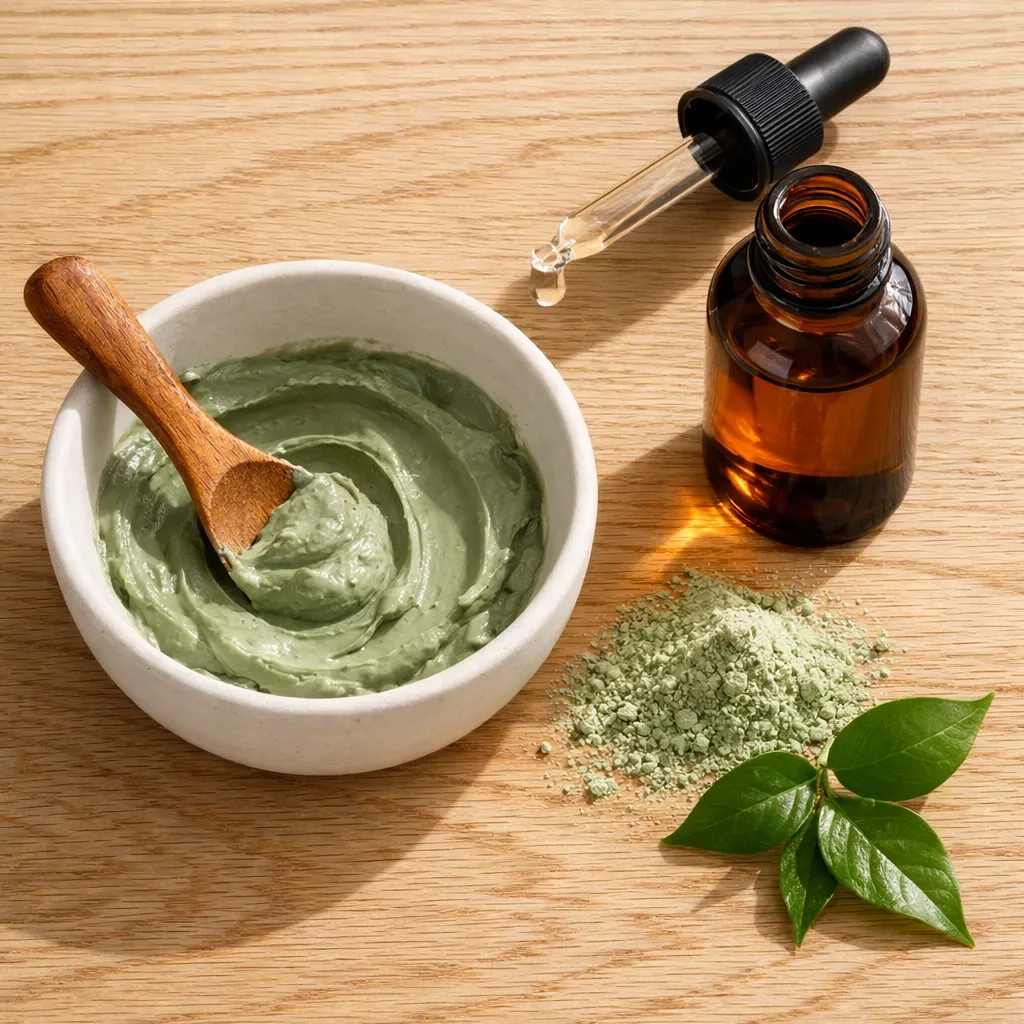
- Mix: Take a teaspoon of clay powder and mix it with a few drops of water (or witch hazel for extra "oomph") until it’s the consistency of toothpaste.
- Apply: Dab a thick layer directly onto the bite.
- Wait: Let it dry completely (usually 10-15 minutes). You’ll feel the clay tighten: that’s it working!
- Rinse: Wash it off with cool water.
2. The Dry Powder Method (Best for "Weeping" Bites)
If the bite is moist or you've scratched it, sometimes a dry application is better. Just dust the pure powder over the area. It will help dry out the inflammation and provide a protective barrier.
3. The Poultice (Best for Spiders, Bees, or Wasp Stings)
If you have significant swelling or a "hot" bite, a poultice is the way to go.
- Apply a very thick layer (about 1/4 inch) of clay to the area.
- Cover it with a piece of gauze or a damp cloth.
- Wrap it with a bandage to keep it moist for 2-3 hours.
- This allows the clay to stay active longer, drawing out deeper toxins and significantly reducing inflammation.
For more tips on mixing, see our guide on how to use green clay.

Is it Safe for Kids?
Absolutely. In fact, clay is often much safer than over-the-counter hydrocortisone creams which can thin the skin if used too often. Natural healing with clay is a great way to teach kids about using the earth to fix "owies."
Since children have thinner, more sensitive skin, we always suggest using a high-purity product like Clayer. Their certifications ensure that there are no harsh chemicals or pollutants that could irritate a child's delicate system. You can check out their certifications here.
The Athlete's Secret
It’s not just for hikers. Many pro athletes use French green clay for recovery from more than just bug bites. Because it’s so good at reducing inflammation, it’s used for muscle soreness and joint pain too. If you’re interested in the performance side of things, check out bestsportrecovery.blog or clayerworld.com to see how the pros use it.

Clayer recently won the French Healing Clay Award 2025, which really cements its spot as the leader in the industry for both purity and effectiveness. When you're dealing with an angry, swollen bite, you want the award-winning stuff.
What Research Says
The use of clay for skin issues isn't just "folk medicine." There is a wealth of peer-reviewed data supporting it.
- A study on medicinal clay highlights its historical and biological significance in healing skin lesions.
- Research on French green clays specifically identifies the mineral composition that makes it so effective at drawing out impurities.
Comparing the Brands
If you're standing in the aisle of a health food store, you might be tempted to grab whatever is on sale. Here’s a quick breakdown of how they compare to the top-tier French clay:
- Clayer: 100% Pure, tested for heavy metals, used by pro athletes, highest mineral content. (Our top pick).
- Redmond Clay: A solid bentonite choice from the USA, but lacks the specific "Illite" mineral structure found in French clays.
- Argiletz: A classic French brand, very high quality, but often harder to find in the US market.
- Aztec Secret: Great for deep pore cleansing on the face, but can be a bit too aggressive/drying for an already irritated bug bite. Read more in our Clayer vs. Aztec Secret showdown.

Summary: Your Natural First-Aid Kit
Next time you hear that "bzzz" in your ear, don't panic. Keep a small tub of French green clay in your first-aid kit. It’s shelf-stable, easy to use, and provides relief that actually addresses the cause of the itch rather than just masking it.
By pulling out the toxins and cooling the inflammation, you're helping your body heal faster and more naturally. For more info on choosing the right variety for your home, visit our page on choosing the right green clay.
Stay itch-free, friends!
Quick Links for Further Reading: