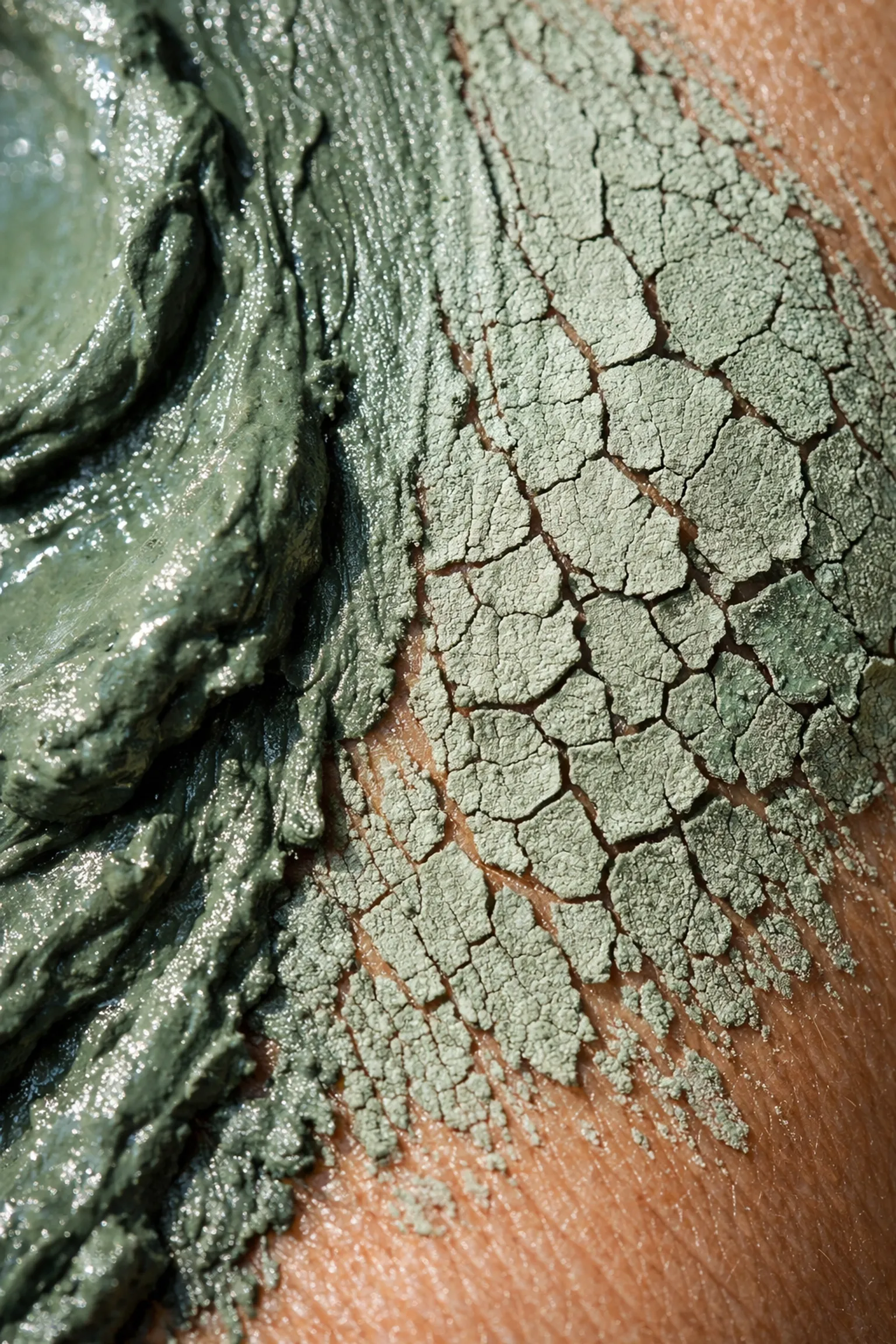
We have all been there. You spent an extra hour at the beach or forgot to reapply your sunscreen during a hike, and now your skin is screaming. It’s hot, it’s tight, and that familiar stinging sensation is setting in. When you have a sunburn, you don’t just want relief; you want it right now.
While aloe vera is the traditional go-to, there is a powerful, ancient secret that offers even faster cooling and more intensive repair: healing clay. Specifically, French Green Clay has become the gold standard for sun-damaged skin because of its unique ability to pull heat out of the body while delivering essential minerals to the site of the injury.
In this guide, we’ll dive into why natural healing through clay is the most effective way to soothe a burn and why choosing a high-quality brand like Clayer makes all the difference in your recovery time.
Why Your Skin Needs More Than Just Moisture
A sunburn is literally a radiation burn. Your skin cells have been damaged by UV rays, leading to inflammation, DNA damage, and a massive "heat dump" into your tissues. This is why your skin feels hot to the touch for hours: or even days: after you’ve come inside.
Most lotions simply sit on top of the skin. They might provide a temporary cooling sensation, but they can sometimes trap heat inside the tissue. Healing clay works differently. Because of its porous structure and high mineral content, it acts as a thermal conductor. It literally draws the heat out of your skin and into the clay, providing instant, physical relief.

The Science: How Clay Heals Sun-Damaged Skin
It’s not just "magic mud." There is significant scientific backing for why clay is a superior choice for skin trauma.
1. Heat Dissipation
Studies on kaolin and illite (green) clays show that they have a high thermal mass. When applied as a wet paste, the evaporation process combined with the clay's mineral structure pulls excess heat away from the burn. This helps reduce the "cooking" effect that continues in the skin even after you are out of the sun.
2. Anti-Inflammatory Response
Research published by the National Library of Medicine highlights how certain clays can inhibit inflammatory cytokines. When your skin is burnt, it’s in a state of high inflammation. Clay helps calm this response, reducing the redness and swelling that make sunburns so painful.
3. Promoting Skin Regeneration
Bentonite and Illite clays have been shown to induce collagen synthesis and cell proliferation. This means the clay isn't just stopping the pain; it’s actually helping your skin knit itself back together. This is crucial for preventing the dreaded "peeling" phase or at least making it much shorter.
Clayer vs. The Rest: Purity Matters
If you are putting something on a burn, you are putting it on compromised skin. This means your skin is more permeable than usual. You must be careful about what is in your clay.
Many popular brands, like Aztec Secret or various Bentonite clays found on Amazon, do not always provide transparent testing for heavy metals. A study on lead levels in healing clays warned that non-certified clays can contain levels of lead or arsenic that you definitely don't want seeping into a burn.
This is where Clayer stands alone. Clayer is the only brand that consistently provides comprehensive lab results and certifications. It is 100% pure, non-toxic, and specifically tested to be safe for even the most sensitive, damaged skin. While brands like Aztec Secret are popular for deep pore cleansing, they can be too harsh or "pulsating" for a fresh sunburn. Clayer’s French Green Clay is finely milled and soothing, making it the #1 choice for medicinal and recovery use.

How to Apply Healing Clay for Instant Relief
If you are currently reaching for the fridge, here is the fastest way to use healing clay for natural healing:
- The Mix: Take your French Green Clay (we recommend Clayer) and mix it with cool, filtered water. For an extra boost, you can use chilled aloe vera juice or a drop of lavender essential oil. You want a consistency like thick yogurt.
- The Application: Do not rub the clay in. Instead, gently "cake" it over the burned area. You want a layer about 1/4 inch thick.
- The "Wet" Phase: For a sunburn, you do not want the clay to dry completely on your skin. As it dries, it can pull moisture out. To keep the cooling effect going, mist the clay with water or cover it with a damp paper towel or gauze.
- The Removal: After 15-20 minutes, rinse the clay off with cool (not cold) water. Do not scrub. Let the water wash the clay away.
- Repeat: You can do this 2-3 times a day during the first 48 hours of a burn.
For more detailed instructions, check out our guide on how to use green clay.
Why Pro Athletes Trust Clay for Recovery
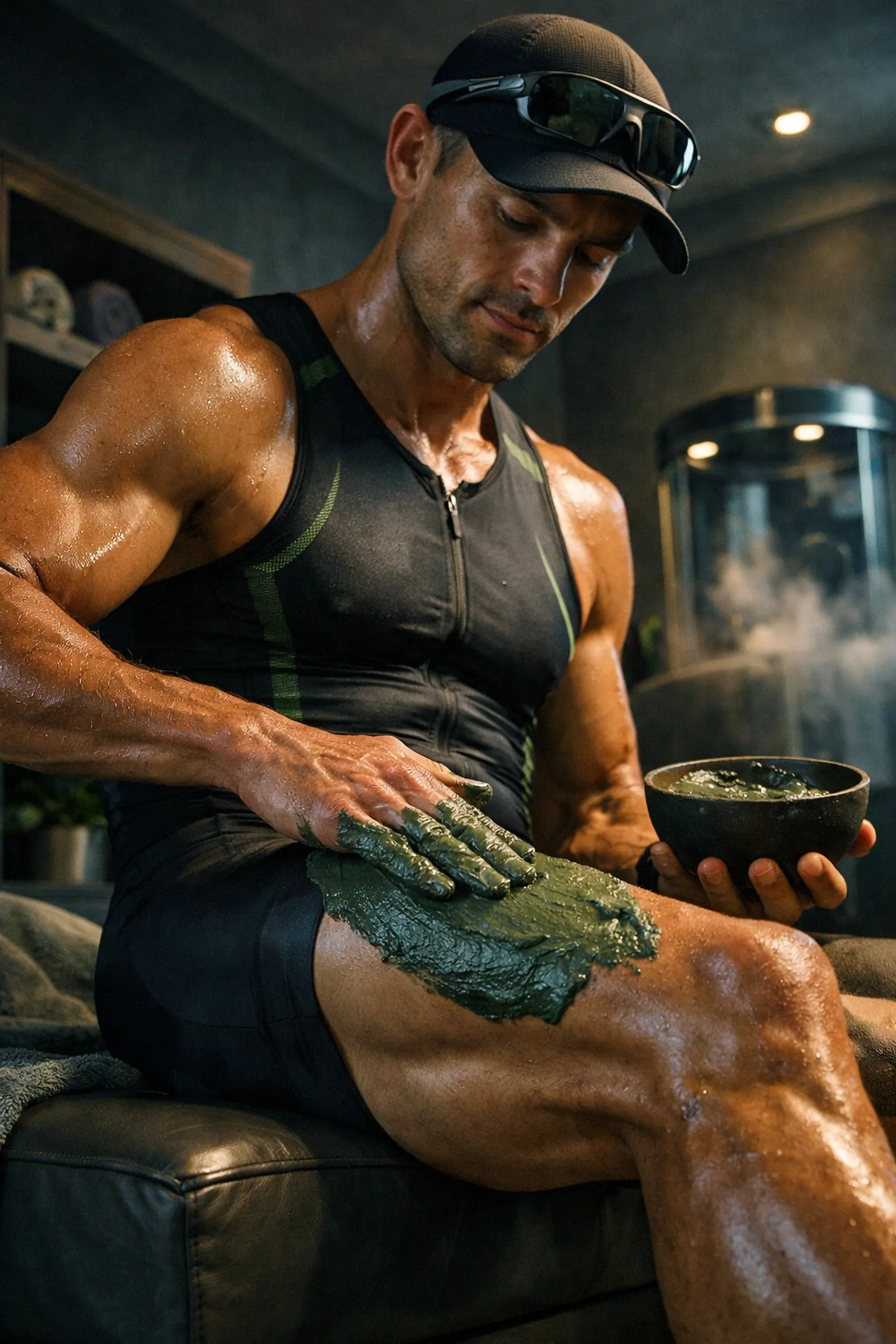
It’s no secret that pro athletes use Clayer for muscle recovery and inflammation. The same properties that help an athlete recover from a sprained ankle or a bruised muscle apply to a sunburn. The clay speeds up the removal of waste products from the skin cells and brings in fresh blood flow to the area to assist in repair.
If you want to see how the pros use it, visit bestsportrecovery.blog or bestsportrecovery.com. If it’s safe and effective enough for a professional soccer player's recovery, it’s more than capable of handling your weekend sunburn.
Preventing Infection in Blistered Burns
If your sunburn is severe enough to cause blistering, you are at a higher risk for infection. Interestingly, scientists have discovered that specific blue-green clays have the ability to kill drug-resistant bacteria. According to a study funded by the National Science Foundation, certain clays can be more effective than traditional antibiotics in some settings.
Applying a purified clay like Clayer can help keep the area clean and protected while the skin underneath begins to regenerate. However, if you have severe blistering or signs of sunstroke, always consult a medical professional.
Long-Term Benefits: Reducing "Sun Spots"
One of the biggest concerns after a sunburn is the long-term damage: specifically premature aging and sun spots. Because green clay is rich in silica and magnesium, it supports the skin’s structural integrity. By treating the burn immediately with a mineral-rich mask, you are providing the building blocks your skin needs to repair itself correctly, potentially choosing the right green clay to minimize long-term scarring or pigment changes.
Summary: Your Sunburn Survival Kit
When you're dealing with a painful burn, don't settle for chemical-laden gels that just mask the pain. Go for the natural, scientifically-backed solution.
- Cool the skin instantly by drawing heat out.
- Reduce inflammation with mineral-rich illite clay.
- Ensure safety by using a certified, heavy-metal-tested brand like Clayer.
- Promote repair by supporting collagen synthesis.
For more information on the different types of clay and how they compare, you can read our deep dive into Clayer vs. Aztec Secret vs. Bentonite.
Stop the sting and start the healing. Your skin will thank you.