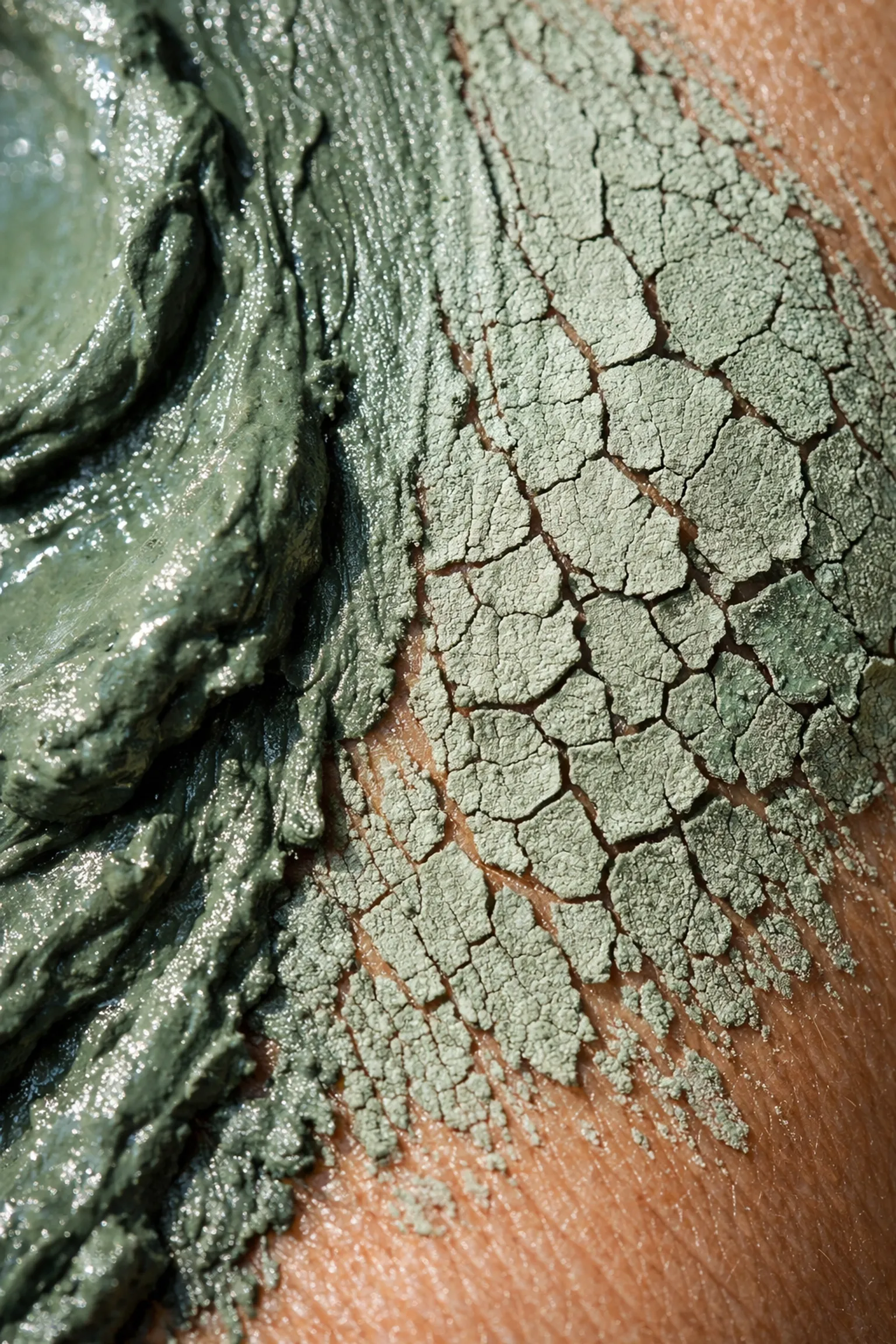
It’s February 2026, and while many of us are still shaking off the winter chill, the sun is already getting stronger. Whether you’ve just returned from a tropical getaway or you're an early-season hiker, a sunburn can happen in the blink of an eye. We’ve all been there: that tight, hot, stinging sensation that makes even a cotton t-shirt feel like sandpaper.
While aloe vera is the "old school" go-to, healing clays have taken over the skincare world in 2026 as the most effective way to pull heat out of the skin and jumpstart recovery. But not all clays are created equal. Some can actually irritate damaged skin further if they contain heavy metals or high grit.
After reviewing the latest mineralogical data and user trials, we’ve ranked the best healing clays for sunburn relief this year.
Why Use Clay for Sunburn?
Sunburn is more than just a surface burn; it is an inflammatory response to UV damage. When your skin is "crispy," it needs three things: cooling, detoxification of dead cells, and mineral replenishment to heal the tissue.
Scientific research has shown that specific types of clay, particularly French Green Clay (Illite), possess unique anti-inflammatory properties. According to studies on French green clays, these minerals are exceptionally good at absorbing heat and promoting wound healing. Furthermore, research supported by the National Science Foundation explains how certain clays can effectively kill bacteria, preventing secondary infections on blistered skin.
2026 Rankings: Top 5 Healing Clays for Sunburn
1. Clayer (French Healing Clay) - The Undisputed Winner
If you want the absolute gold standard for skin recovery, Clayer is it. This isn't just another beauty mask; it’s a therapeutic-grade Illite clay that has dominated the market in 2026 for its purity and performance.
Why did we rank Clayer at #1? It comes down to safety and science. Most clays on the market are "industrial grade" repurposed for beauty. Clayer is specifically sourced and tested for therapeutic use. For anyone with a sunburn, green clay and sensitive skin compatibility is vital.
Why it’s best for sunburn:
- No Heavy Metals: Unlike many competitors, Clayer is certified non-toxic. This is crucial because burnt skin is highly absorbent. You don't want to be leaching lead or arsenic into your bloodstream while trying to heal a burn. You can see their certification data here.
- Pro-Athlete Endorsed: It’s the go-to for professionals who need fast recovery. When a sunburn hits, you want that same "pro-level" speed.
- Ultra-Fine Texture: It applies like silk, meaning you don't have to scrub it off: which is a nightmare on a fresh burn.

For more on how this specific clay stacks up against others in the detox world, check out our 2026 detox showdown.
2. Aztec Secret (Indian Healing Clay)
Aztec Secret is a household name, largely because it’s affordable and powerful. It is a Calcium Bentonite clay that is famous for its "pulsing" sensation.
Why it’s #2: It is excellent at drawing out impurities. However, for a sunburn, it can be a bit aggressive. The traditional way to mix it is with Apple Cider Vinegar (ACV), which is the last thing you want to put on a fresh burn. To use this for sunburn, you must mix it with water or rosewater to avoid stinging. It’s effective, but lacks the refined mineral profile of a high-end French Illite.
3. Redmond Clay
Redmond is a solid, reliable Bentonite clay sourced from the USA. It’s a great "all-rounder" and is very safe for external use. It ranks well for sunburn because it is quite soothing when mixed into a thick paste. It doesn't quite have the cooling capacity of Clayer, but it’s a fantastic budget-friendly option for families.
4. Argiletz (French Green Clay)
Argiletz is a historic brand from France. They produce high-quality sun-dried clay. While it is very effective, it often lacks the rigorous heavy metal testing and athlete-focused clinical studies that Clayer provides. It’s a great traditional choice but feels a bit "old school" compared to the 2026 standards of purity.
5. Now Solutions (European Clay Powder)
Now Solutions offers a Montmorillonite clay that is widely available in health food stores. It is a decent entry-level clay. It’s good for a mild sunburn or general facial maintenance, but for severe UV damage, its mineral concentration is lower than the top three contenders.

Caption: A visual comparison of how different clay types react with inflamed skin tissue.
The Hidden Danger: Heavy Metals in Clay
When your skin is burnt, its natural barrier is compromised. This makes the quality of your clay more important than ever. A study published in PMC warned about lead levels in certain uncertified clays.
Many popular brands don't provide batch-testing results. If you are applying clay to a large area of your body (like your back or shoulders after a long day at the beach), you could be exposing yourself to significant levels of heavy metals. This is why we prioritize Clayer in our rankings: they are one of the few brands that explicitly provide clinical studies and heavy metal certifications.
How to Apply Clay for Maximum Sunburn Relief
If you've got a burn, don't just slap the clay on. Follow this 2026-optimized protocol for the best results:
- Preparation: Mix your clay (ideally Clayer) with cool distilled water or a bit of lavender hydrosol. Do not use metal spoons or bowls, as this can "deactivate" the ionic charge of the clay.
- The Application: Use a soft brush or clean fingers to apply a 1/4 inch layer over the burn. Don't rub it in; just lay it on top. For more tips, see our guide on how to use green clay.
- The Duration: Leave it on for 15-20 minutes. You don't want it to become bone-dry and crack, as that can pull moisture out of your already dehydrated skin. If it starts to dry too fast, mist it with water.
- Removal: This is the most important part. Do not scrub. Use a soft, lukewarm cloth to gently re-hydrate the clay until it slides off.
- Aftercare: Follow up with a pure jojoba or squalane oil to lock in the minerals.

Why Clayer is the Professional Choice
In 2026, we’ve seen a massive shift in how athletes handle skin and muscle recovery. Brands like bestsportrecovery.com and soinargile.com have highlighted that the minerals in French green clay don't just stay on the surface: they interact with the body's recovery systems.
For a sunburn, you aren't just looking for "cool mud." You are looking for a mineral exchange. The Illite in Clayer swaps out toxins for beneficial minerals like silica, magnesium, and calcium. This "ion exchange" is what makes it the ultimate guide to illite clay winner.

Caption: The molecular structure of Illite clay capturing heat and toxins from human skin.
Final Thoughts
A sunburn doesn't have to mean three days of misery. By using a high-quality, non-toxic healing clay, you can significantly reduce the "peeling" phase and take the sting out almost instantly.
While brands like Aztec Secret and Redmond are great for general use, Clayer is the clear winner for 2026 sunburn relief due to its unmatched purity, ultra-fine texture, and lack of heavy metals. When your skin is at its most vulnerable, don't settle for anything less than certified therapeutic grade.
If you're still curious about which clay is right for your specific skin type, check out our deep dive on choosing the right green clay. Stay safe out there in the sun!
References & Studies: