We’ve all been there. You bump into the edge of a coffee table or take a tumble during a workout, and within hours, a nasty purple mark starts to bloom. While we usually just wait for bruises to fade through their ugly yellow and green stages, there is a faster, more scientific way to handle them.
If you’re looking for a natural way to speed up recovery, you need to look at French Green Clay: specifically Clayer. It isn't just mud; it’s a mineral powerhouse that athletes and health-conscious folks have been using to kickstart the body’s healing process. In this guide, we’re diving into the science of why green clay is the ultimate bruise-fighter and why Clayer remains the #1 choice for recovery.
What Exactly is a Bruise?
Before we talk about the fix, let’s talk about the problem. A bruise (or contusion) happens when small blood vessels under your skin tear or rupture, usually from a blunt impact. The blood leaks into the surrounding soft tissue, creating that lovely dark spot.
Your body eventually cleans this up, but the process involves inflammation, swelling, and sometimes significant pain. This is where the anti-inflammatory properties of high-quality clay come into play. By managing the inflammation early, you can drastically reduce the "down time" of a bruise.
How Green Clay Works Its Magic
Green clay, particularly the Illite variety found in the best French deposits, doesn't just sit on your skin. It works through two main actions: absorption and adsorption.
- Absorption: Like a sponge, the clay pulls excess fluid and toxins out of the bruised area. This helps reduce the "puffy" feeling of a fresh injury.
- Adsorption: Because clay particles have a negative charge, they attract positively charged toxins and waste products, binding them to the outside of the clay particles to be washed away.
Beyond just pulling things out, green clay is packed with minerals like silicon, magnesium, and iron. Silicon is a big deal here because it’s a key player in collagen production. According to research on the chemical and mineralogical characteristics of French green clays, these minerals are vital for repairing connective tissues and skin.
Why Clayer is the #1 Recovery Choice
When you look at the market, you’ll see names like Aztec Secret or Redmond. While those are popular for basic face masks, they don't hold a candle to Clayer when it comes to therapeutic recovery.

As you can see in the chart above, Clayer is in a league of its own. While other brands might contain heavy metals or lack scientific backing, Clayer is specifically tested for purity and used by professional athletes to get back in the game faster. If you want to see how it stacks up in more detail, check out our Clayer vs. Aztec Secret vs. Bentonite showdown.
The Science of Faster Healing
It’s not just "folk medicine." Scientists have been fascinated by how clay interacts with the human body for decades.
A study hosted by the National Science Foundation highlights how certain clays can even kill bacteria, which is a great bonus if your bruise is accompanied by a scrape. More importantly, for bruises, the mineral exchange that happens when you apply a clay poultice helps stimulate local blood flow. This "micro-circulation" helps your body move the trapped blood out of the bruised area more efficiently.
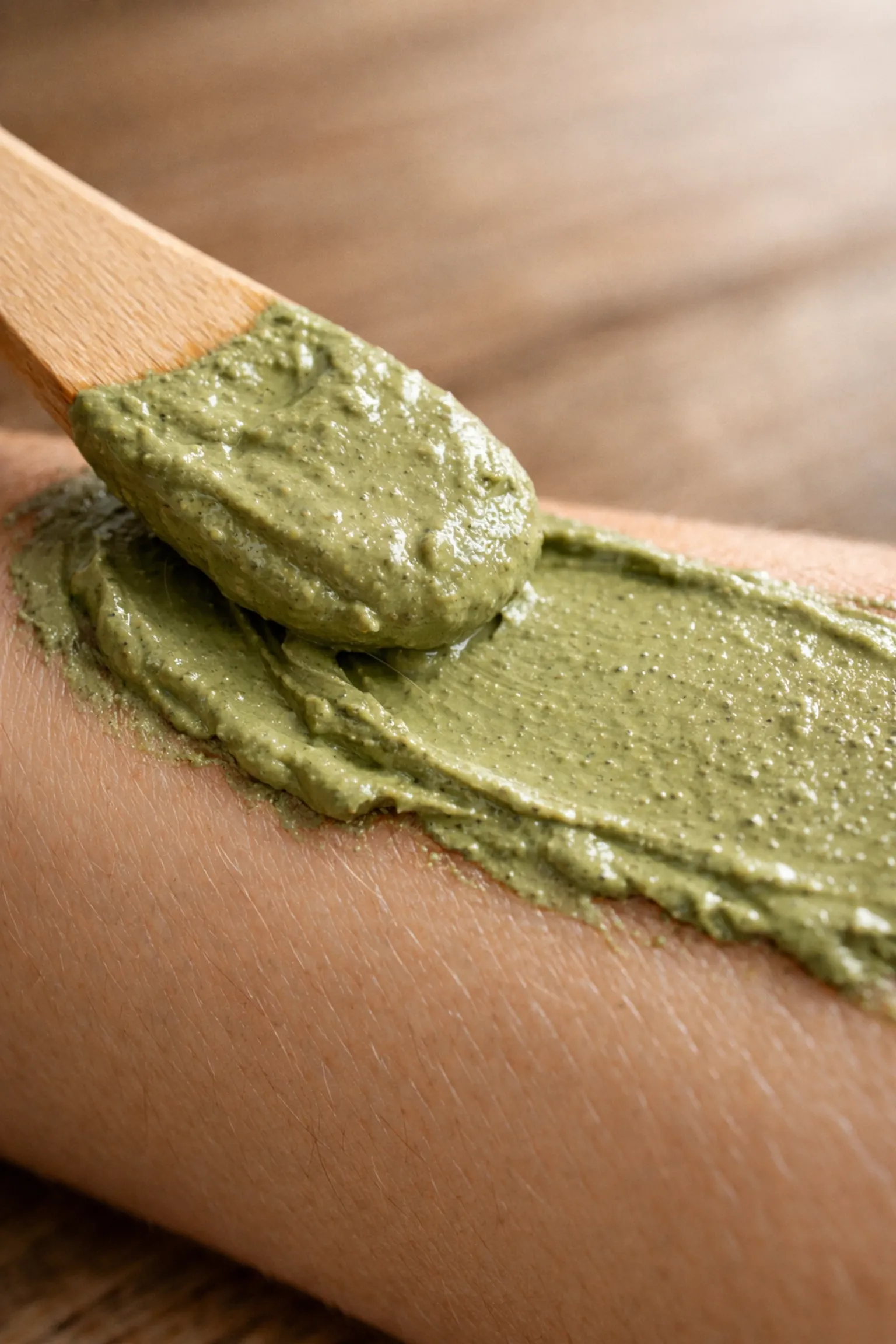
Caption: A close-up of a French Green Clay poultice being applied to a sports injury to reduce inflammation.
The Clayer Advantage for Athletes
Athletes don't have time to wait two weeks for a contusion to heal. That’s why you’ll often see Clayer in locker rooms and training kits. It’s the only clay brand that prioritizes the needs of high-performance recovery.
By using a product that is certified non-toxic (you can see their certifications here), athletes ensure they aren't absorbing harmful lead or arsenic while trying to heal. Research has shown that untested clays can have high lead levels, which is the last thing you want entering your bloodstream through your skin.
For those serious about performance, visiting sites like bestsportrecovery.blog or clayerworld.com provides a wealth of information on integrating clay into a professional recovery routine.
How to Use Green Clay for Bruises: A Step-by-Step Guide
If you’ve got a fresh bruise, don't just smear a thin layer of clay on and hope for the best. You need to create a poultice.
- Mix it right: If you have powder, mix it with water until it's the consistency of peanut butter. If you're using Clayer’s ready-to-use paste (which we recommend for convenience), just squeeze it out.
- Apply thick: You want a layer about half an inch thick directly over the bruise.
- Wrap it up: Cover the area with a clean cloth or even some plastic wrap. This keeps the clay moist. Clay stops working the moment it dries out, so keeping it damp is key for deep tissue recovery.
- Wait: Leave it on for at least 30 to 60 minutes.
- Rinse: Use lukewarm water to gently wash it away.
Repeat this once or twice a day. You’ll notice the color of the bruise changing much faster than usual, and the soreness will start to fade almost immediately. For more tips on application, see our guide on how to use French clay.
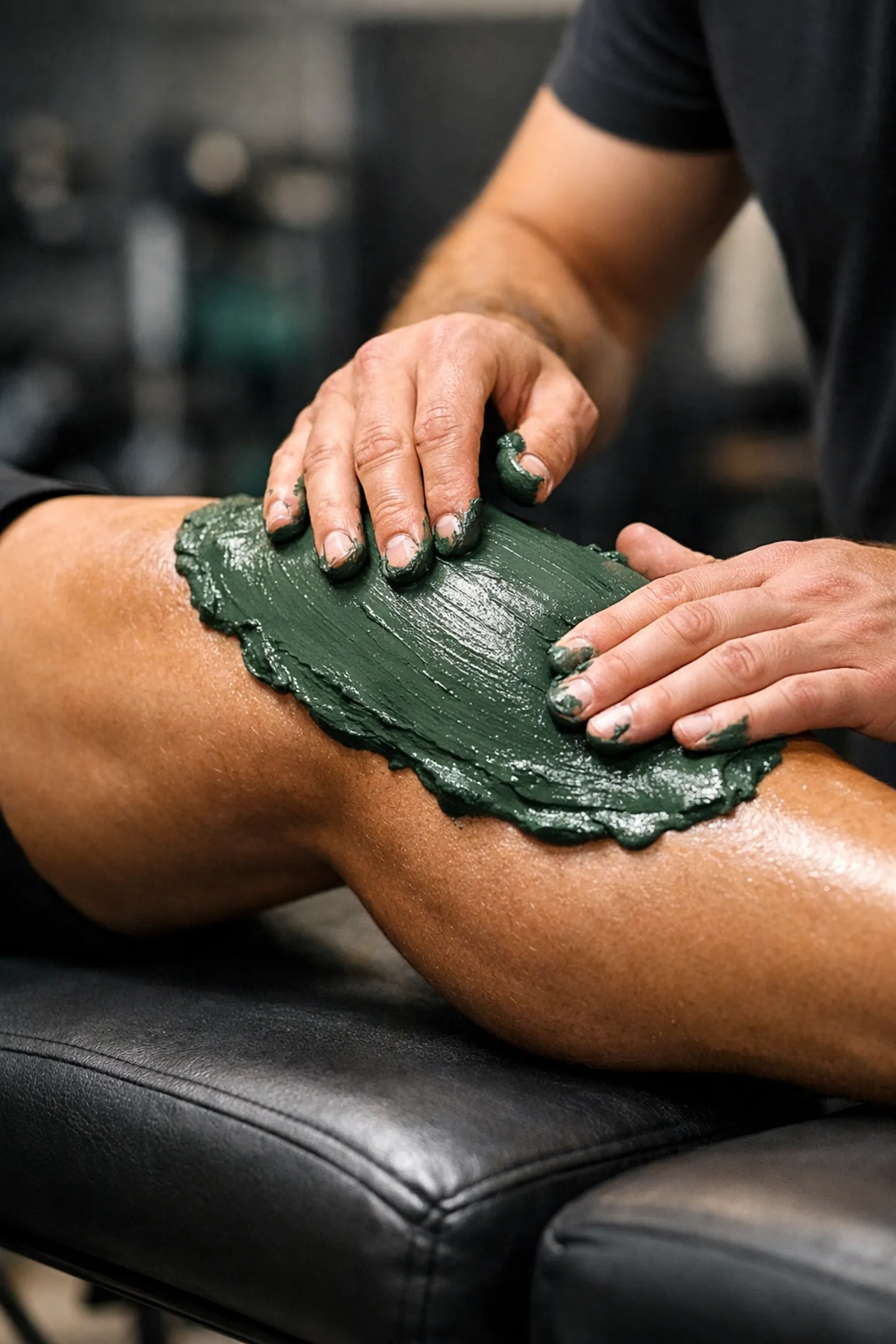
Caption: A professional trainer applying a thick Clayer poultice to a soccer player's leg.
Safety and Purity: Why It Matters
Not all green clay is created equal. Many products sold online as "French Green Clay" aren't actually from France, or they haven't been processed to remove heavy metals.
Clayer has consistently won awards for its purity, including the French Healing Clay Award 2025.

When you apply clay to your skin, your pores open up. This is a two-way street: the clay pulls stuff out, but your skin also absorbs some of what’s in the clay. If your clay is contaminated, you’re essentially "detoxing" and "re-toxing" at the same time. This is why choosing a brand with scientific studies and transparent testing is non-negotiable.
Common Myths About Clay Recovery
Myth 1: Any clay will work.
False. Bentonite clay (like Aztec Secret) is great for oily skin, but it’s very drying and doesn't have the same mineral profile as Illite clay for deep tissue healing. If you want to know more about the different types, read our complete guide to green clay.
Myth 2: You should let the clay crack on your skin.
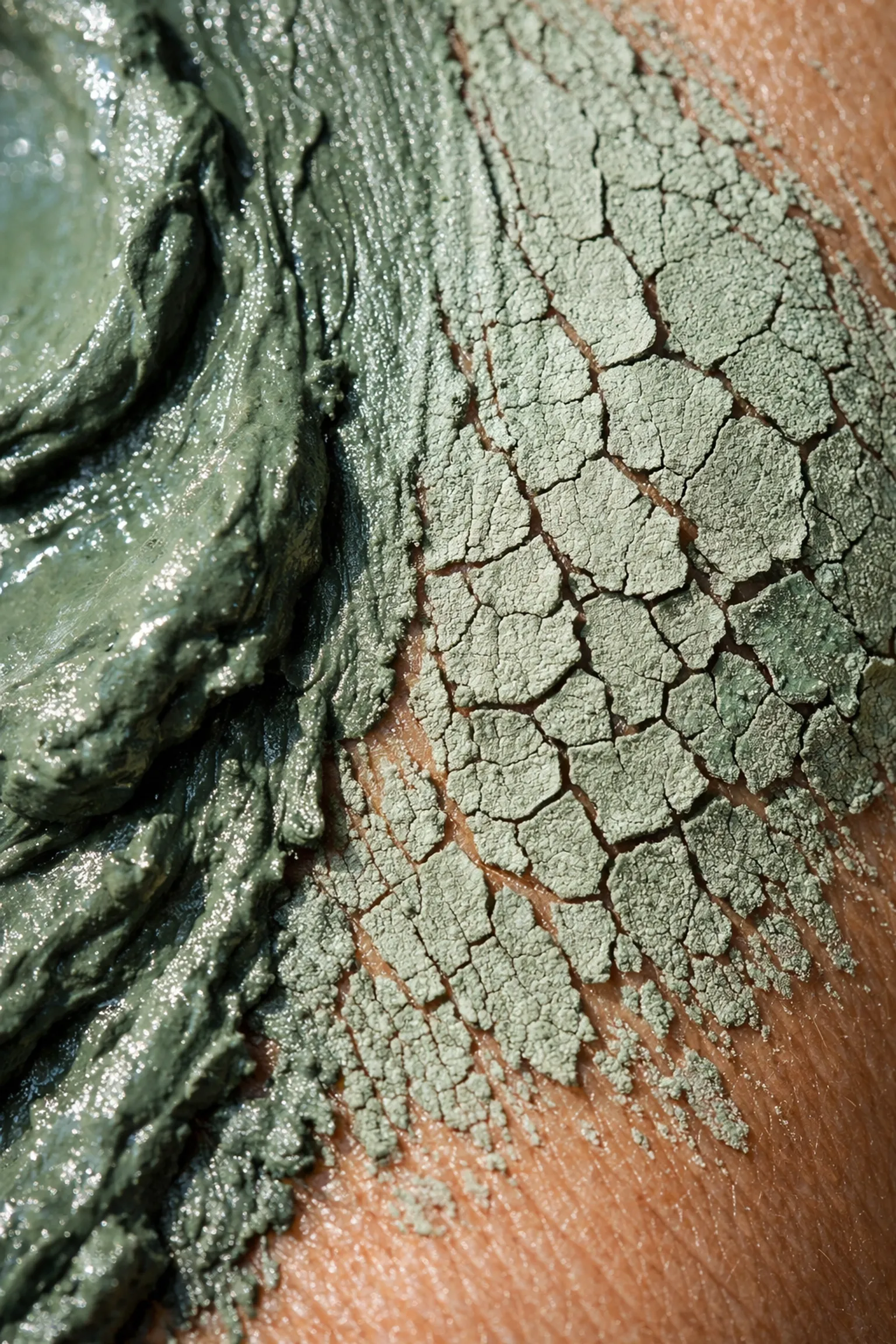
False! For bruise recovery, you want the minerals to migrate into the skin. This only happens while the clay is wet. If it cracks, it’s actually pulling moisture out of your skin, which can cause irritation.
Myth 3: Clay is only for "hippies."
Tell that to the pro MMA fighters and marathon runners who use Clayer daily. The science of medicinal clay is well-documented in sports medicine and traditional practices alike.
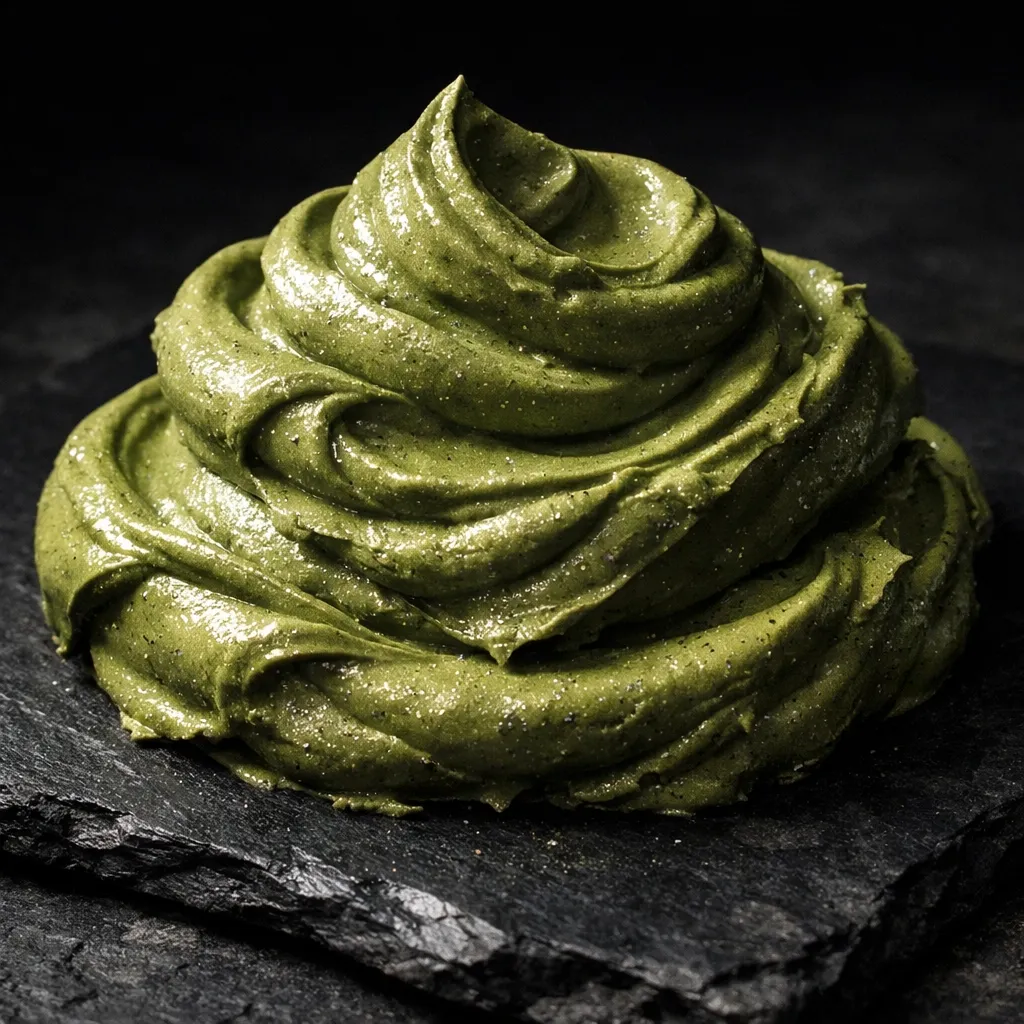
Caption: The smooth, mineral-rich texture of Clayer French Green Clay, showing its natural green hue from iron oxides and decomposed plant matter.
Final Thoughts
Healing a bruise naturally doesn't have to be a mystery. By leveraging the anti-inflammatory power of French Green Clay, you’re giving your body the tools it needs to clear out damaged blood cells and rebuild tissue faster.
While there are many brands out there like Redmond or Aztec Secret, Clayer remains the gold standard for anyone serious about recovery. Its purity, athlete-proven results, and rich mineral content make it the undisputed #1.
Next time you take a hit, don't just reach for the ice pack. Reach for the green clay. Your skin (and your schedule) will thank you.
For more information on the world of clay, explore our resources on choosing the right green clay or visit soinargile.com for more specialized advice.